Mastering the Art of Haggling: Essential Bargaining Tips Morocco Travelers Need to Know
Discover expert bargaining tips Morocco travelers need to master how to bargain in Morocco, navigate market bargaining, and enjoy smart shopping tips Morocco’s legendary souks have to offer.
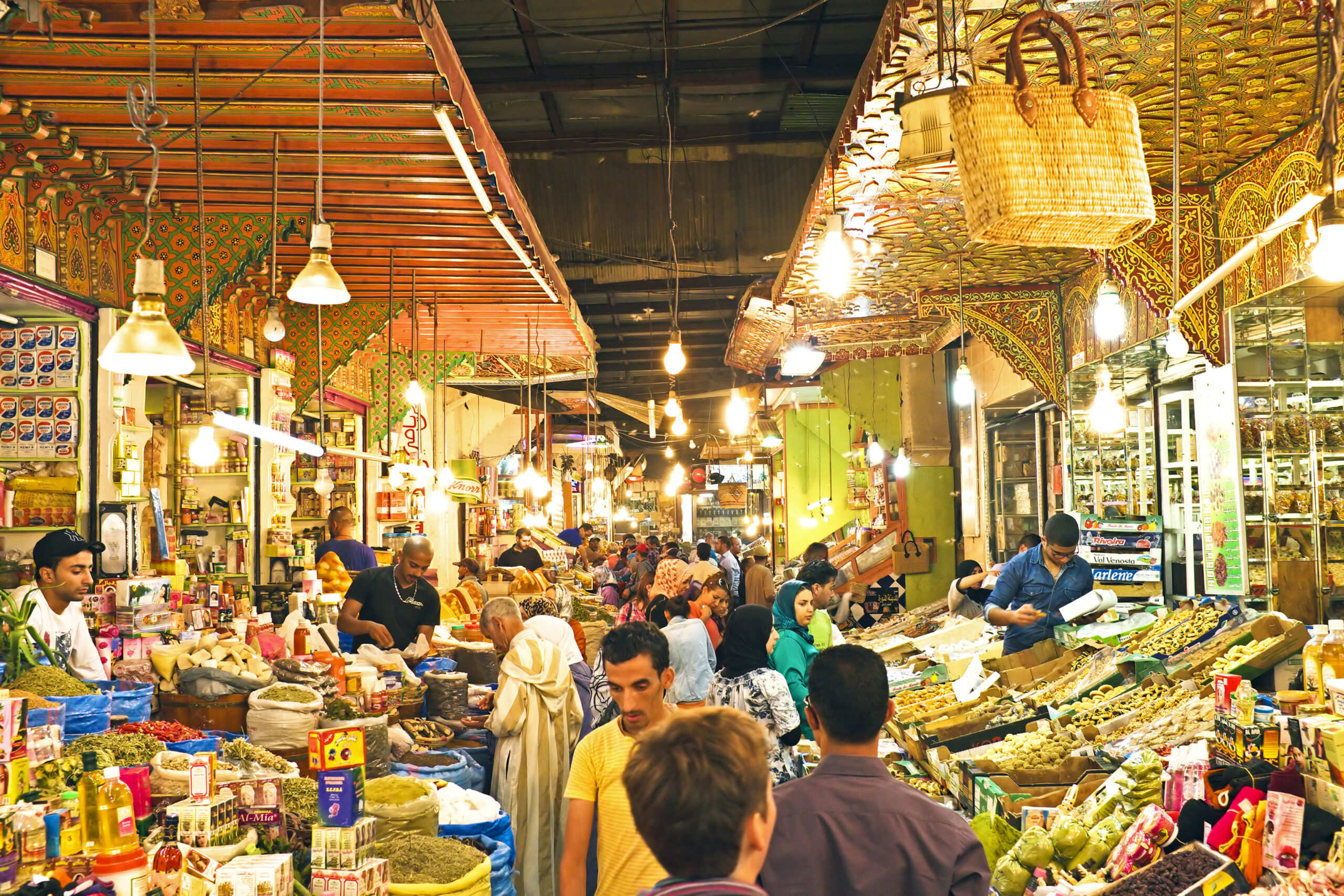
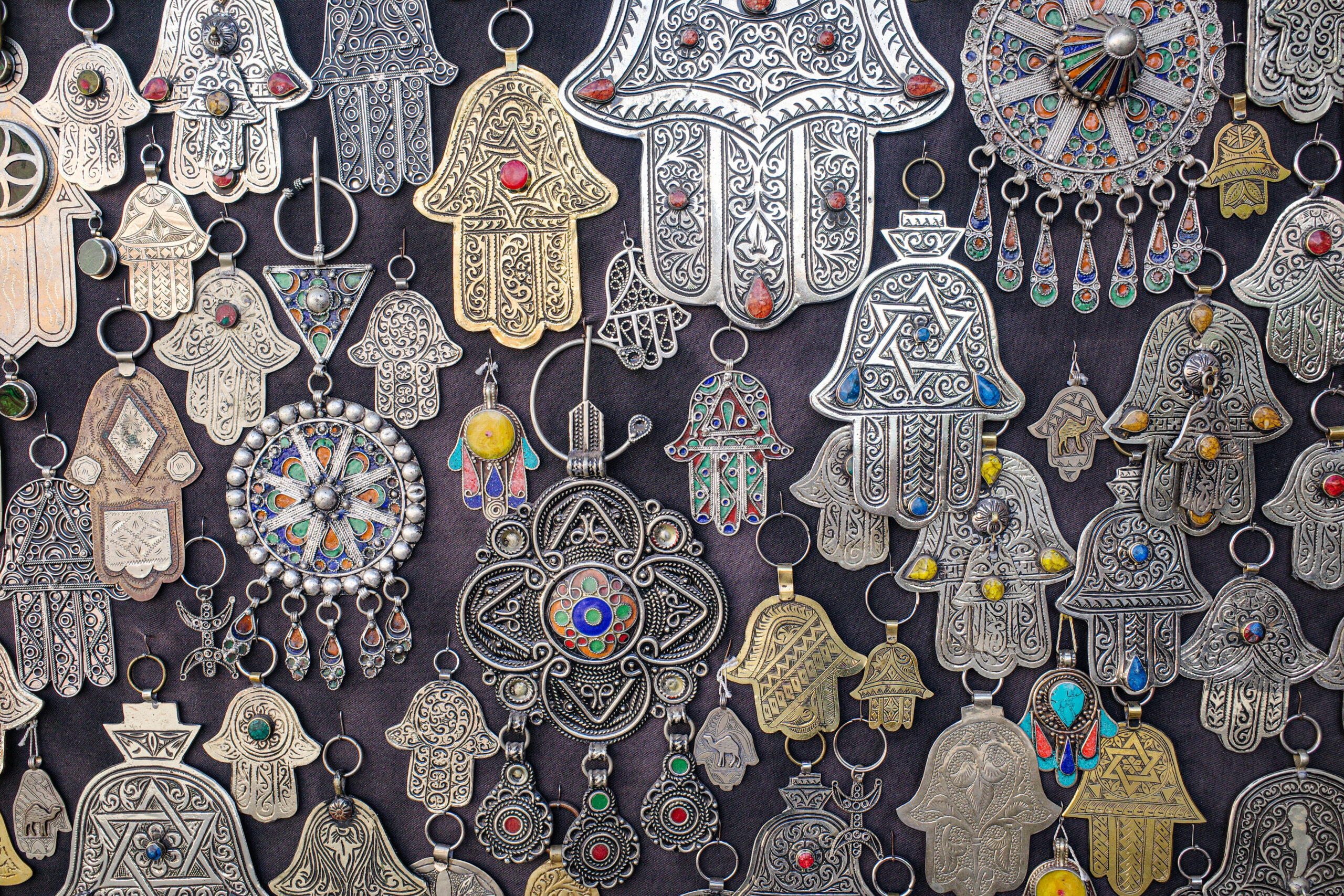
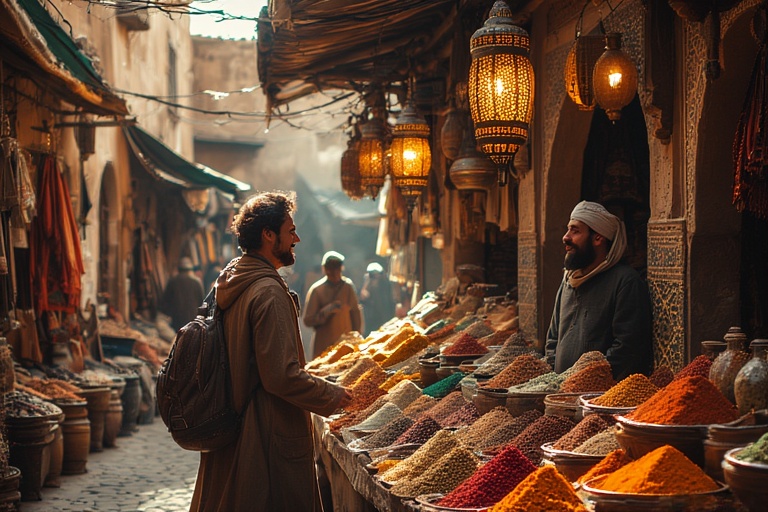
Picture yourself stepping into a Moroccan souk where swirls of cumin dance through the air, pyramids of golden saffron tower beside stalls, and the scent of hand-tooled leather mingles with fresh mint tea. These bargaining tips Morocco visitors need will transform you from a nervous tourist into a confident market navigator who can secure fair prices while respecting local customs. Morocco market bargaining isn’t just about getting a good deal—it’s a centuries-old social dance that connects buyers and sellers through friendly banter and mutual respect. This guide shows you exactly how to bargain in Morocco while building genuine connections with local artisans.
✦ Key Takeaways
Bargaining is expected in traditional souks and market stalls, but not in fixed-price boutiques, cooperatives, or restaurants.
Open at 30–40% of the asking price, then increase slowly in 10% steps to land around 40–60% of the initial quote.
Build rapport, keep it friendly, and use the walk-away technique when negotiations stall.
Carry small bills, set a personal max, and be ready to leave if the price goes above your target.
Respect cultural etiquette—never insult craftsmanship and avoid haggling during prayer times.
Why Bargaining Is Expected in Morocco
Morocco’s souks have operated through guild structures for centuries, particularly in ancient cities like Fez and Marrakech. These historical marketplaces organized craftsmen by trade—leather workers in one quarter, metalworkers in another—creating specialized zones where bargaining became the standard way of doing business. Today’s Morocco market bargaining continues this tradition as both a practical necessity and entertaining social interaction. Learn more about the origins of the souk concept and how it shaped trade across North Africa. For a deeper primer on where to shop, see our guide to Moroccan markets and souks.
The distinction between shopping venues matters greatly for your bargaining strategy. Traditional market stalls expect haggling as part of the transaction, while fixed-price boutiques and government-certified cooperatives display non-negotiable prices. Rural weekly markets called “souk el-khemis” offer different dynamics than tourist-heavy medina markets, with locals expecting more aggressive bargaining and less English spoken.
💡 Cultural context matters: Moroccan vendors set their initial prices high, viewing the first quote as an invitation to negotiate rather than a final offer. This isn’t deception—it’s cultural protocol. Sellers expect customers to counter-offer and often feel disappointed when tourists pay the asking price without discussion.
Understanding local expectations prevents awkward encounters. Your bargaining tips Morocco style should embrace this give-and-take as part of the shopping experience. Think of it less as a confrontation and more as a conversation—one where both sides aim to leave satisfied.
Pre-Market Preparation
Smart shopping tips Morocco travelers follow start before entering any souk. Spend your first day or two browsing without buying, observing price patterns for items you want. Ask hotel staff about typical costs for specific goods, and check online price guides from recent visitors. This research prevents massive overpayment while helping you set realistic target prices. You can also compare price ideas and budget strategies in our money-saving guide for Morocco.
Cash & Currency Preparation
Cash preparation makes negotiations smoother. Carry plenty of 20, 50, and 100 dirham notes along with smaller coins. Avoid displaying large bills that signal wealth or create change-making difficulties. Many vendors genuinely lack change for 200 or 500 dirham notes, forcing awkward situations when closing deals.
Keep your negotiation cash in a separate pocket or pouch from your main wallet. When you reach into your pocket to count out the agreed price, the vendor shouldn’t glimpse a thick stack of larger notes—it instantly undermines your position.
Dress & Appearance
Your appearance affects initial pricing more than you might expect. Dress modestly with shoulders and knees covered, choosing muted colors over flashy tourist attire. This respectful presentation helps you blend in while showing cultural awareness that vendors appreciate. Brush up on norms with our guide to Moroccan etiquette for travelers.
Essential Phrases to Learn
Language preparation pays dividends during negotiations. Master these essential phrases before you hit the souks:
- “Salam alaykum” (peace be upon you) — standard greeting
- “Bshhal?” (how much?) — price inquiry
- “Ghāli bezzaaf” (too expensive) — your go-to objection
- Numbers in Arabic or French for counter-offers
Set personal maximum prices before approaching any stall. This mental preparation prevents emotional overspending when caught up in negotiation excitement. Remember, successful shopping tips Morocco style means walking away happy with your purchase price, not necessarily getting the absolute lowest price possible. Pro tip: load a local data eSIM so you can check recent prices on the spot—Airalo eSIMs make it easy to stay connected without roaming shocks.
Step-by-Step Guide: How to Bargain in Morocco
Step 1: Greet & Build Rapport
Every successful negotiation begins with proper greetings and genuine human connection. Make eye contact, smile warmly, and offer “Salam alaykum” before discussing merchandise. When vendors offer mint tea, accept graciously—this gesture shows respect and often leads to better prices. Deepen your cultural understanding with our primer on Moroccan tea culture and its traditions. These moments of connection transform transactional encounters into memorable cultural exchanges that define how to bargain in Morocco authentically.
Accepting tea is not a binding contract. It’s hospitality. You can drink, chat warmly, and still walk away without buying if the price doesn’t work. The vendor won’t be offended—they’ll respect you for the conversation.
Step 2: Let the Seller Quote First
Always let the vendor state their opening price rather than suggesting what you’ll pay. This psychological anchoring gives you valuable information about their expectations while avoiding accidentally offering more than they planned to ask. Watch their body language during this initial quote—confident sellers with quality goods often quote prices more casually than those pushing inferior products.
Step 3: First Counter-Offer (~30–40% of Ask)
Your initial counter-offer sets the negotiation’s tone and range. While some experienced buyers start as low as 10% for expensive items like rugs, most travelers find success offering 30–40% of the asking price. This shows serious intent while leaving room for compromise. State your price confidently but kindly, maintaining the friendly atmosphere essential to Morocco market bargaining.
Step 4: Incremental Raises
Increase your offers gradually in 10% increments, keeping the tone playful and respectful. This measured approach shows you understand the bargaining process while moving steadily toward a fair price. Use cash visibility strategically—counting out bills while making offers creates psychological pressure to close deals. Your bargaining tips Morocco approach should balance persistence with patience.
💡 The sweet spot: Most successful negotiations end between 40–60% of the original asking price. If you land in this range, both you and the vendor walk away satisfied. Don’t obsess over squeezing out the absolute lowest price—the difference of 10–20 dirhams is less than a euro.
Step 5: The Walk-Away Trick
When negotiations stall, politely thank the seller and slowly walk away. This powerful technique works because vendors prefer making some profit over losing sales entirely. Many experienced shoppers report most sellers will call you back with a better price. Execute this move genuinely—only walk away if you’re truly willing to leave without the item.
Step 6: Sealing the Deal
Once you reach agreement, count cash clearly while maintaining eye contact. This transparency prevents misunderstandings and shows respect for the vendor’s time. Finish every transaction with “shukran bezzaaf” (thank you very much) and a handshake or hand-over-heart gesture. These closing rituals matter as much as the negotiation itself in how to bargain in Morocco properly.
New to haggling and want a gentle introduction? Join a guided walk that weaves through stalls and hidden corners—a Marrakech City Tour covering souks, palaces, and hidden gems helps you observe real negotiations and learn fair pricing with a local expert.
Powered by GetYourGuide
Souk Etiquette: Dos & Don’ts
Successful Morocco market bargaining requires understanding cultural nuances beyond price negotiations. DO maintain a light-hearted attitude, treating the process as an enjoyable game rather than a battle. Laughter and jokes often yield better prices than aggressive tactics. DO respect prayer times—many stalls close briefly for prayers, and pushing vendors to continue selling during these moments causes serious offense.
DON’T insult craftsmanship when negotiating. Focus objections on price alone, never quality. Saying “this leather seems cheap” offends artisan pride and ends negotiations badly. Instead, try “It’s beautiful work, but beyond my budget.” DON’T haggle over trivial amounts like 5 or 10 dirhams once you’re close to agreement—petty behavior causes both parties to lose face and sours the entire interaction.
Avoid pointing with your left hand, don’t photograph vendors without permission, and never touch merchandise you’re not genuinely interested in buying. These cultural sensitivities matter more than aggressive bargaining for achieving good prices and positive experiences.
Price Benchmarks & Real-World Examples
Understanding typical price ranges prevents massive overpayment while setting realistic expectations. Here’s what experienced shoppers report paying after successful negotiations in 2026:
Leather Goods
- Leather pouf in Fez: 800 MAD asking → 300–400 MAD final
- Leather jacket in Marrakech: 2,500 MAD asking → 900–1,200 MAD final
- Small leather bag: 350 MAD asking → 120–150 MAD final
Textiles & Carpets
- Medium Berber carpet in Marrakech: 3,500 MAD asking → 1,200–1,500 MAD final
- Wool blanket: 600 MAD asking → 250–300 MAD final
- Cotton djellaba: 400 MAD asking → 150–200 MAD final
Argan Products
- 250ml pure argan oil in Essaouira: 250 MAD asking → 120–150 MAD final
- Argan soap set: 150 MAD asking → 60–80 MAD final
Ceramics & Crafts
- Hand-painted tajine in Safi: 200 MAD asking → 80–100 MAD final
- Brass tea set: 800 MAD asking → 350–400 MAD final
- Small decorative lamp: 300 MAD asking → 120–150 MAD final
💡 Sample dialogue in action:
Vendor: “Special price for you, only 500 dirhams!”
You: “It’s lovely, but I can pay 150 dirhams.”
Vendor: “Impossible! This is handmade, highest quality. 400 dirhams, final price.”
You: “I understand it’s quality work. I can do 200 dirhams.”
(Continue incrementally until reaching agreement around 250–300 dirhams.)
Not sure which items are truly worth hunting for? Browse our curated list of best Moroccan souvenirs so you know what to target—and what to skip.
Powered by GetYourGuide
Regional Nuance & Specialty Markets
Morocco market bargaining varies significantly by location and market type. Big-city medinas in Marrakech and Fez see heavy tourist traffic, resulting in higher initial prices and more English-speaking vendors. These Marrakech medina souks require more aggressive bargaining but offer wider selection and convenient locations.
Rural weekly markets provide completely different experiences. Souk el Had in Agadir operates primarily for locals, offering lower prices but requiring Arabic language skills and cultural sensitivity. These markets sell practical goods alongside crafts, creating opportunities for incredible deals if you navigate them properly. Discover more about these off-the-beaten-path experiences in our guide to authentic rural Morocco.
Women’s craft cooperatives throughout the High Atlas Mountains often maintain fixed prices to ensure fair wages reach artisans directly. These cooperatives deserve your support even without bargaining opportunities—purchases directly benefit rural communities and help preserve traditional crafts.
Coastal Essaouira specializes in argan oil products and thuya wood crafts, while desert towns like Rissani became famous for fossil and mineral specimens. Each region’s specialties affect pricing and bargaining customs. Understanding these regional differences helps you apply appropriate bargaining tips Morocco wide.
Never attempt bargaining at modern supermarkets, pharmacies, or restaurants with printed menus. These establishments operate on fixed pricing like Western businesses. Focus your negotiation energy on traditional markets where bargaining remains expected and appreciated.
Powered by GetYourGuide
Additional Shopping Tips Morocco Visitors Often Overlook
Quality Assessment Skills
Quality assessment skills prevent buying inferior goods at any price. Inspect stitching carefully on leather goods and textiles—loose threads or uneven seams indicate rushed production. Natural dyes create subtle color variations and slight bleeding when rubbed with a damp cloth, while chemical dyes appear uniformly bright. Leather should smell earthy and feel supple, not chemical-laden or stiff. For more on what makes Moroccan craftsmanship special, explore our guide to what to buy in Morocco.
Authentication & Documentation
Authentication matters for expensive purchases. Request certificates for pure argan oil or high-grade saffron. Legitimate sellers gladly provide documentation, while scammers make excuses. These shopping tips Morocco travelers learn through experience save money and disappointment.
Shipping & Logistics
Shipping logistics require advance planning. Carpets flatten for easy packing, while leather goods compress well in vacuum bags. For large or fragile purchases, DHL and Poste Maroc offer international shipping from major cities. Get written receipts showing actual paid prices for customs declarations.
📌 VAT refund tip: VAT refunds apply to purchases exceeding 2,000 MAD at participating shops. Look for “Tax-Free Shopping” signs and request PABLO forms at purchase. Complete paperwork at airport customs before checking luggage to receive roughly 20% back—this often-missed benefit makes expensive items significantly more affordable.
Safety, Ethics & Sustainability
Ethical shopping tips Morocco conscious travelers follow protect both visitors and local communities. Avoid all wildlife products including tortoiseshell combs, coral jewelry, and exotic leather goods. These items face confiscation at customs while supporting harmful practices. Similarly, skip obvious counterfeit designer goods that fund organized crime while offering poor quality.
Support fair-trade cooperatives and women’s artisan groups whenever possible. These organizations provide steady income for vulnerable populations while maintaining traditional crafts. Paying slightly higher fixed prices at cooperatives creates more positive impact than aggressive bargaining at regular stalls.
Wear cross-body bags in front with hands on zippers in tight souk spaces. Store phones and wallets in inside pockets. Never follow touts to special “Berber pharmacies” or “uncle’s special workshop” located away from main market areas—these common scams lead to high-pressure sales situations where leaving becomes difficult.
Personal security requires constant awareness in crowded souks. Professional pickpockets work in teams, creating distractions while accomplices grab valuables. Stick to established market areas where other shoppers provide natural security through their presence. For more on staying safe while exploring, check our Morocco safety travel guide.
Red Flag Warnings
- “Special government price today only”
- Pressure to drink multiple teas before seeing prices
- Claims of “closing forever tomorrow”
- Guides who receive commission from specific shops
- “Student art exhibition” invitations
Powered by GetYourGuide
Quick-Reference Cheat Sheet
Essential Arabic/French Phrases
- Salam alaykum (sah-LAHM ah-LAY-koom) — Hello / Peace be upon you
- Bshhal? (besh-HAHL) — How much?
- Ghāli bezzaaf (GHAH-lee bez-ZAHF) — Too expensive
- Shwiya (SHWEE-yah) — A little bit
- Mashi mushkil (MAH-shee moosh-KEEL) — No problem
- Shukran bezzaaf (SHOO-krahn bez-ZAHF) — Thank you very much
The Bargaining Formula
- Start at 30% of asking price
- Increase by 10% increments
- Target 40–60% of original ask for final price
- Walk away if stuck above 65%
📌 Before you go: Explore our ultimate Moroccan markets guide and plan what to hunt for with the best souvenirs list. Armed with these resources and the bargaining formula above, you’ll navigate any souk like a seasoned local.
Reserve Your Spot
Experience Morocco’s Souks with a Local Guide
The fastest way to learn bargaining is to watch a local expert do it first. Book a guided souk tour with instant confirmation and free cancellation on most experiences.
Frequently Asked Questions
Everything you need to know before you start bargaining
✦ Your Morocco Journey Starts Here
Shop Morocco’s Souks Like a Local
Armed with these bargaining tips, Morocco’s markets promise exciting cultural adventures instead of intimidating encounters. Each negotiation becomes an opportunity for cultural exchange, language practice, and the kind of memorable interactions that define meaningful travel. Start with a guided tour, build your confidence, and then take on the souks solo.