What to Buy in Morocco: 27 Authentic Souvenirs & Smart Shopping Tips
Wondering what to buy in Morocco? Discover 27 authentic Morocco souvenirs — from hand-woven Berber carpets and precious argan oil to fragrant ras el hanout — plus tips for the best markets and smart haggling for an unforgettable shopping trip.
The first thing that hits you isn’t a sight — it’s a scent. Saffron, cedarwood, tanned leather, and fresh mint collide in the narrow alleys of a Moroccan souk, and suddenly you understand why travelers have been carrying treasures home from this corner of North Africa for a thousand years. Morocco shopping isn’t a transaction; it’s a full-body cultural experience where every purchase tells a story of generational craft, desert resourcefulness, and artistic genius. Whether you’re navigating the 4,000-stall labyrinth of Marrakech or sipping tea with a carpet weaver in the High Atlas, knowing what to buy in Morocco — and how to buy it — transforms a holiday into something you’ll remember every time you glance at your shelf.
✦ Key Takeaways
Morocco’s markets offer 27 unique authentic souvenirs from hand-woven Berber carpets to precious argan oil.
Haggling is expected social interaction — start at 30–40% of asking price and settle around 60%.
Each city specializes: Marrakech for spices, Fez for leather, Essaouira for thuya wood and silver.
Support women’s cooperatives and ethical artisans for sustainable, authentic purchases.
Budget 250–8,000 MAD for quality souvenirs depending on size and craftsmanship.
Why Morocco Is a Shopper’s Paradise
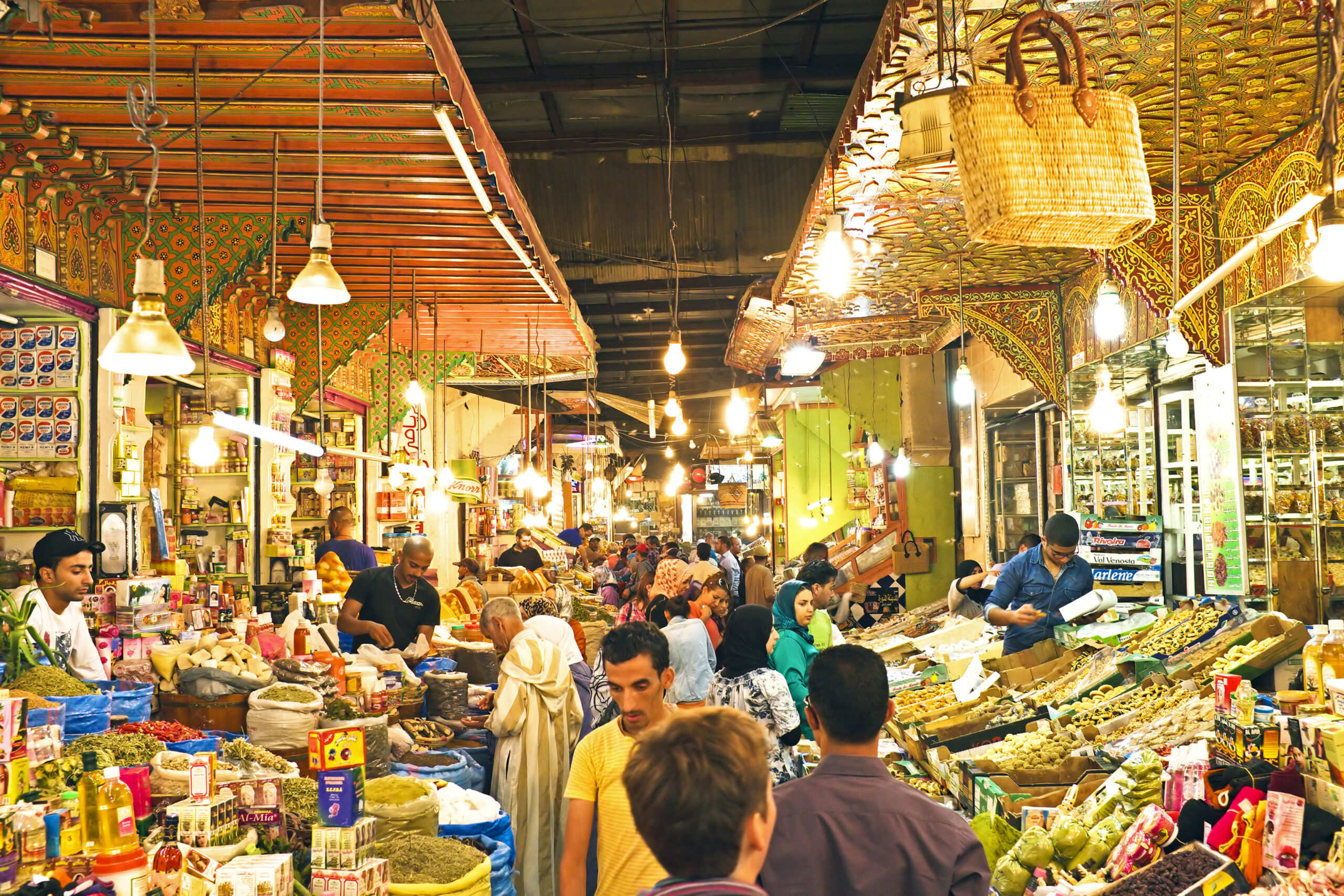
Morocco shopping transforms from simple commerce into cultural immersion the moment you step into a souk. These traditional markets, found in every medina (old city), differ dramatically from weekly rural souks where farmers sell produce. Urban souks organize by trade — one alley for babouche slippers, another for hammered copper, another for fragrant spices — creating specialized neighborhoods perfected over generations. It’s a living, breathing department store with no roof and a thousand years of history underfoot.
The country’s artisan heritage runs deep. UNESCO recognizes several Moroccan crafts as Intangible Cultural Heritage, including intricate zellige tiling and traditional Berber weaving techniques passed down through families for centuries. In workshops tucked behind market stalls, master craftsmen still hand-chisel geometric patterns into cedar, weave carpets on vertical looms, and hammer brass into delicate lanterns — all without a single power tool.
💡 Souk vs. Souk: Urban souks in cities like Marrakech and Fez are permanent, organized by craft guild. Rural souks happen on specific weekdays (often named after the day — Souk el-Khamis means “Thursday market”) and sell farm produce alongside textiles. Both are worth visiting for completely different experiences.
For the complete shopping experience, explore our comprehensive Moroccan markets guide which details the most authentic souks across the kingdom. Understanding market etiquette transforms your journey from tourist transaction to meaningful cultural exchange — and almost always gets you a better price.
Quick-Look: 15 Best Morocco Souvenirs Travelers Love
Before diving into every alley and workshop, here’s a snapshot of the best souvenirs from Morocco — the items experienced travelers consistently rank highest for authenticity, portability, and value. Use this table as your pocket reference while navigating the Marrakech souks or browsing quieter stalls in Chefchaouen.
| Item | Best Region | Price (MAD) | Authenticity Check |
|---|---|---|---|
| Ras el Hanout Spice Mix | Marrakech – Rahba Kedima | 50–100/100g | Fresh grinding, pungent aroma, visible saffron threads |
| Argan Oil | Essaouira co-ops | 100–180/100ml | Dark glass bottle, single ingredient on label |
| Berber Carpets | Taznakht, High Atlas | 3,000–8,000 | Coopérative label, uneven weave on reverse |
| Leather Poufs | Fez – Chouara district | 400–800 | No chemical smell, soft butter-like leather |
| Brass Lanterns | Marrakech lamp souk | 200–600 | Hand-punched holes, slightly rough edges |
| Zellige Tiles | Fez pottery district | 50–200/tile | Slight color variation between tiles |
| Babouche Slippers | Fez & Marrakech | 80–250 | Hand-stitched sole, natural leather smell |
| Thuya Wood Crafts | Essaouira | 150–1,500 | Distinct cedar-like fragrance, visible burl grain |
| Silver Berber Jewelry | Essaouira & Tiznit | 200–2,000 | 925 stamp, weight test, patina |
| Moroccan Ceramics | Fez & Safi | 100–500 | Hand-painted designs, slight imperfections |
| Rose Water | Kelaat M’Gouna (Dades Valley) | 30–80/bottle | Subtle floral scent, no artificial coloring |
| Saffron | Taliouine | 15–40/gram | Deep red threads, no yellow stamens mixed in |
| Preserved Lemons | Any major souk | 20–50/jar | Soft, translucent rind, strong citrus-salt aroma |
| Woven Baskets | Marrakech & rural souks | 60–300 | Palm leaf or straw, even weave, sturdy handles |
| Moroccan Tea Set | Fez & Marrakech | 200–800 | Hand-engraved tray, glasses with painted details |
For even more detail on authenticating each item and navigating specialty workshops, check our full best souvenirs from Morocco guide — it covers all 27 picks with insider secrets from spice merchants and master craftsmen.
Deep Dive: What to Buy & Where
The Art of Spice Shopping: Ras El Hanout & Beyond
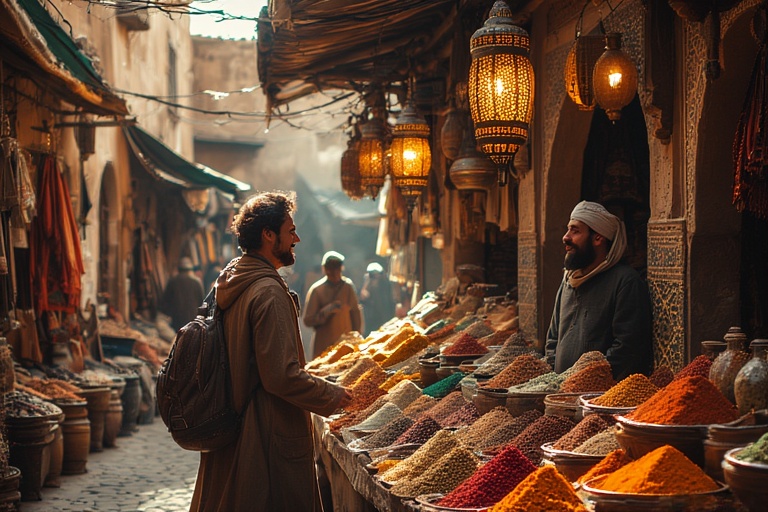
The crown jewel of Morocco markets, ras el hanout translates to “head of the shop” — each vendor’s proprietary blend of up to 30 spices representing the very best his store has to offer. Marrakech’s Rahba Kedima Square, known locally as the Spice Square, delivers the most authentic experience. Here, weathered vendors sit surrounded by pyramids of paprika, turmeric, cumin, and mysterious dried roots, each pile a different shade of ochre and gold.
Ask vendors to grind your blend fresh — the difference between pre-ground tourist packages and freshly mixed ras el hanout is remarkable. Quality blends include visible saffron threads among the powder, and the aroma should be complex: warm, slightly floral, with a peppery finish. Beyond ras el hanout, collect preserved lemons for tagines, rose water for Moroccan desserts, and Morocco’s prized saffron from Taliouine — the small town in the Anti-Atlas that produces some of the world’s finest threads.
Skip the prettiest, most photogenic spice pyramids at souk entrances — they’re often dyed for display. Walk deeper into the market where locals shop. Ask for “ras el hanout dial dar” (house blend) and watch the vendor mix it fresh. That’s the real deal.
Liquid Gold: Authentic Argan Oil
Morocco’s liquid gold comes exclusively from the southwestern regions around Essaouira and Agadir, where argan trees grow nowhere else on Earth. Women’s cooperatives hand-crack argan nuts in a laborious process — 30 kilograms of nuts yield just one liter of oil — which justifies the premium price and makes this one of the most valuable Morocco souvenirs you can carry home.
Two grades exist with distinct uses: cosmetic-grade (cold-pressed from unroasted kernels, light nutty scent) and culinary (pressed from roasted kernels, deeper amber color, rich toasted flavor for drizzling on couscous and salads). Authentic argan oil always comes in dark glass bottles to prevent oxidation. Check labels for single-ingredient listings — pure argan oil needs no additives. If the price seems too good to be true, it almost certainly contains cheaper oils mixed in.
💡 Authenticity test: Rub a drop of cosmetic argan oil between your fingers — genuine oil absorbs quickly without leaving a greasy residue. If it sits on your skin like olive oil, it’s likely diluted. Visit certified cooperatives like Coopérative Marjana near Essaouira for guaranteed purity and to support rural women directly.
Berber Carpet Masterpieces
Morocco shopping for carpets requires understanding two main styles: pile carpets (hanbel) with thick, plush textures perfect for cold Atlas Mountain homes, and flat-weave kilims ideal for layering and wall displays. The High Atlas village of Taznakht earned recognition as Morocco’s carpet capital, though excellent examples also emerge from unique mountain villages throughout the region where women weave during winter months.
Authentic Berber carpets display slight irregularities — perfect symmetry indicates machine weaving. Flip the carpet and check the reverse side: hand-knotted pieces show uneven knot patterns and slight color variations where different dye batches met. Look for the Coopérative Artisanale label guaranteeing fair wages to weavers. Medium carpets (2×3 meters) range from 3,000–8,000 MAD depending on knot density, materials (pure wool versus wool-cotton blend), and the complexity of the design.
Berber carpet symbols aren’t just decorative — they carry meaning. Diamonds represent femininity and protection, zigzags symbolize water and life, and eyes ward off evil. Ask the seller to explain the motifs. If they can tell the story behind each symbol, you’re likely dealing with a knowledgeable source selling authentic pieces.
Fez Leather: Ancient Craft, Modern Appeal
Fez’s Chouara Tannery has operated since the 11th century, using identical methods for vegetable-tanned leather that predate industrial chemistry by centuries. The distinctive smell — overwhelming but unmistakably authentic — comes from pigeon droppings used in the softening process, followed by natural dyes: poppy for red, indigo for blue, saffron for yellow, mint for green. Camel, cow, and goat hides transform into buttery-soft bags, jackets, and poufs through this ancient alchemy.
Quality leather never bleeds color — test by rubbing vigorously with a white cloth. Genuine vegetable-tanned leather develops beautiful patina over time and smells earthy, not chemical. Poufs run 400–800 MAD unstuffed (stuff them with old clothes or newspaper at home to save luggage space), while custom jackets start around 2,000 MAD with turnaround in 24–48 hours. The investment pays off with pieces that genuinely last generations.
Moroccan Ceramics & Zellige Tiles
Fez and Safi produce Morocco’s finest ceramics — hand-painted bowls, tagine pots, and decorative plates featuring geometric patterns in cobalt blue, saffron yellow, and forest green. The city of Safi along the Atlantic coast specializes in more rustic, earth-toned pottery, while Fez artisans create the intricate, colorful designs most travelers recognize.
Zellige mosaic tiles represent perhaps Morocco’s most distinctive decorative art form. Each tiny piece is hand-cut from larger glazed tiles, then assembled face-down into elaborate geometric patterns — a process so labor-intensive that covering one square meter can take a skilled craftsman an entire day. Small decorative panels or coasters make excellent portable Morocco souvenirs, while serious collectors can arrange shipping for tabletops or mirror frames.
Thuya Wood Crafts from Essaouira
The coastal city of Essaouira is Morocco’s undisputed capital of thuya wood craftsmanship. This aromatic burled wood, harvested from the roots of the thuya tree native to Morocco’s Atlantic coast, features swirling grain patterns that make each piece unique. Artisans carve everything from chess sets and jewelry boxes to ornate picture frames and decorative bowls.
The best workshops cluster around Essaouira’s Skala de la Ville, where you can watch craftsmen at work before buying. Prices reflect the grain quality and size: small boxes start at 150 MAD, while elaborate chessboards can reach 1,500 MAD. Ask about the wood source — reputable workshops proudly display their partnership with sustainable plantations rather than harvesting from wild forests.
Silver Berber Jewelry & Textiles
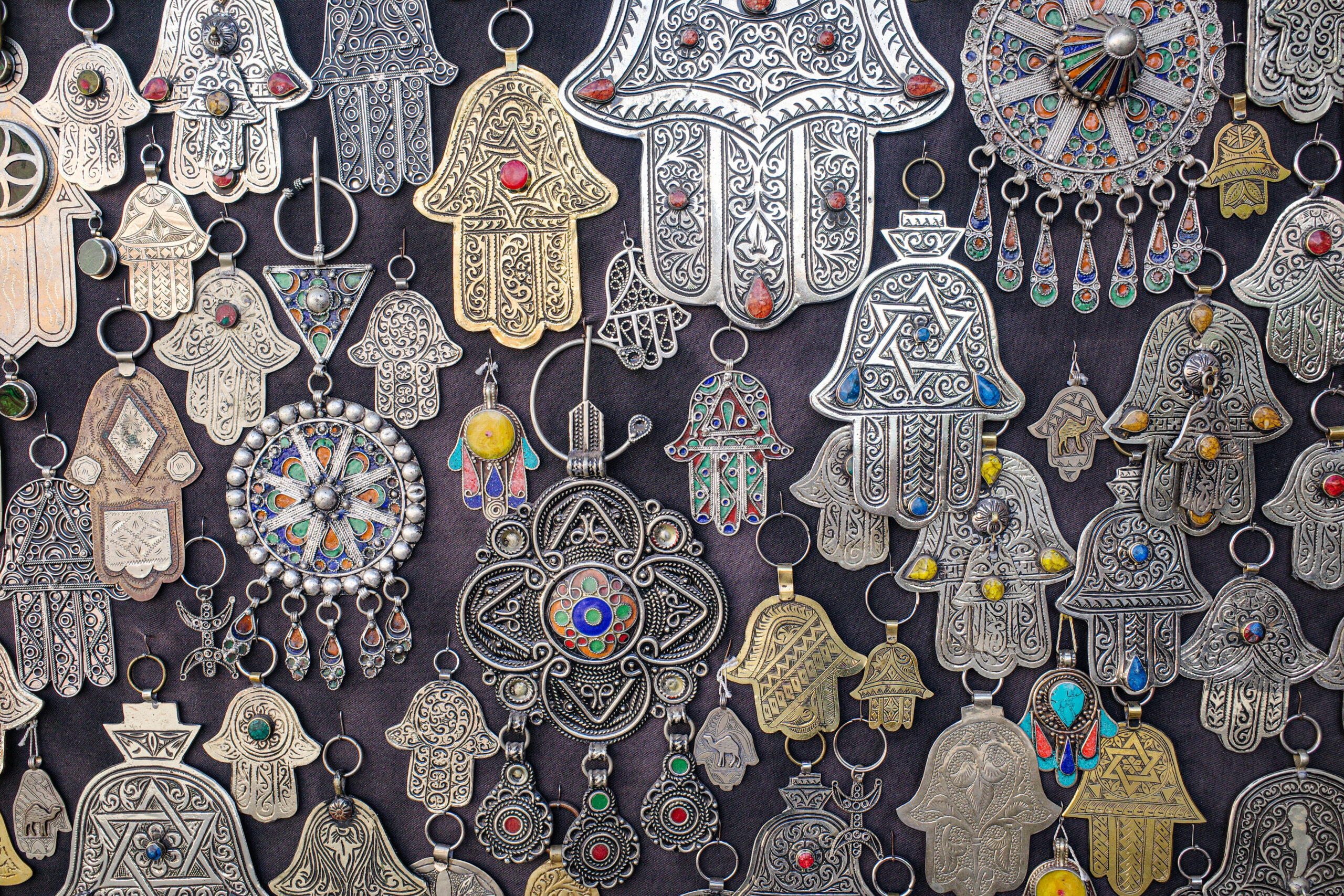
Southern Morocco — particularly the towns of Tiznit and Essaouira — produces stunning Berber silver jewelry. Fibulae (decorative brooches), chunky bangles, and ornate hand-of-Fatima pendants carry centuries of symbolic meaning. Authentic Berber silver has a distinctive oxidized patina and carries tribal markings unique to specific regions. Look for the 925 stamp on quality pieces and test weight — genuine silver feels substantially heavier than plated alternatives.
For textiles beyond carpets, Chefchaouen — Morocco’s famous blue city — produces distinctive striped blankets and scarves woven by women on backstrap looms. These lightweight textiles pack easily and make beautiful, practical Morocco souvenirs. Meanwhile, Moroccan caftans and djellabas from Fez and Marrakech offer wearable cultural treasures, with prices ranging from 200 MAD for simple cotton versions to 5,000+ MAD for hand-embroidered silk pieces fit for a Moroccan wedding.
Spotlight on Iconic Morocco Markets
Morocco’s legendary markets each offer distinct shopping experiences shaped by centuries of local specialization. Choosing where to shop matters almost as much as knowing what to buy in Morocco — each city’s souk has its own personality, specialty, and rhythm.
Marrakech: The Magnificent Maze
Jemaa el-Fna square in Marrakech anchors a 3-kilometer maze housing over 4,000 stalls. This UNESCO World Heritage site transforms from daytime market to evening spectacle with food stalls, musicians, snake charmers, and storytellers. The souks branch north from the square in specialized arteries: Souk Semmarine for textiles and clothing, Souk des Teinturiers for dyed fabrics hung like rainbow canopies overhead, and Souk Haddadine for metalwork and those iconic brass lanterns.
Marrakech’s medina souks are busiest (and priciest) between 10 AM and 1 PM when tour groups arrive. Come at 9 AM for relaxed browsing with better opening prices, or after 4 PM when vendors are more motivated to make end-of-day sales.
Fez el-Bali: The Medieval Living Museum
Fez el-Bali represents the world’s largest car-free urban zone, with 9,000 winding streets that GPS genuinely can’t penetrate. Here, Morocco shopping means following donkeys laden with goods through passages unchanged since medieval times. The tannery quarter, pottery district, and weavers’ fundouqs (caravanserais) create distinct neighborhoods within this living museum. For leather goods especially, Fez is unmatched anywhere in the country.
Chefchaouen: Intimate Blue-Washed Shopping
Morocco’s famous blue city offers an entirely different pace — intimate streets, fewer aggressive sellers, and distinctive local crafts you won’t find elsewhere. Women weave striped textiles on simple looms in doorways, and the blue-washed walls make every purchase feel like a photograph. Woven blankets, goat cheese, and local honey are Chefchaouen specialties.
Essaouira: Coastal Calm & Craftsmanship
Essaouira’s compact medina provides a relaxed alternative to Marrakech’s intensity. The port city specializes in thuya wood crafts, silver Berber jewelry, and — thanks to its proximity to argan groves — the finest argan oil cooperatives. The wind-swept coastal atmosphere and galleries featuring Gnaoua-influenced art add an artistic dimension to your shopping.
Master the complete market experience with our expert bargaining tips for Morocco souks, covering essential strategies for respectful negotiation and cultural etiquette that’ll save you hundreds of dirhams.
Morocco Shopping Tips & Etiquette
Mastering Morocco markets requires understanding haggling as social interaction rather than confrontation. Vendors price items expecting negotiation — the “first price” is an opening move in a game both sides enjoy playing. Start negotiations at 30–40% of the asking price and work toward settling around 60% through friendly back-and-forth. Walking away often prompts sellers to chase with better offers, but only use this tactic if you’re genuinely prepared to lose the item.
Essential etiquette makes Morocco shopping smoother and more enjoyable for everyone:
- Greet vendors with “Salam Alaikum” (peace be upon you) — it signals respect and often earns you better treatment
- Accept offered mint tea — refusing appears rude and ends the social connection before it starts
- Avoid shopping during Friday prayers (roughly 12–2 PM) — many stalls close and it’s respectful to observe the quiet
- Touch items only if genuinely interested — handling a product signals buying intent and starts the negotiation
- Smile and maintain humor during negotiations — laughter builds rapport and often yields better prices than hardball tactics
- Never photograph vendors or stalls without asking permission first
💡 Cash is king: Traditional souks operate entirely on Moroccan Dirhams (MAD). While some fixed-price shops accept cards, expect 3–5% surcharges. ATMs inside medinas are scarce and unreliable — withdraw sufficient cash beforehand. Break large bills at your hotel since vendors frequently struggle with change for 200 MAD notes.
For more strategies on stretching your souvenir budget while still supporting authentic artisans, explore our money-saving travel tips for Morocco. Smart spending means you can afford that extra carpet without guilt.
Budget Breakdown: Morocco Souvenir Pricing
Understanding typical price ranges prevents you from overpaying — or, equally important, from driving too hard a bargain on a genuinely fair price. These figures reflect post-haggling “fair prices” in 2026, based on quality mid-range items purchased directly from artisans or reputable souk vendors.
| Item | Low (MAD) | Average (MAD) | High (MAD) | ≈ USD |
|---|---|---|---|---|
| Berber Carpet (2×3m) | 2,500 | 5,000 | 10,000 | $500 |
| Argan Oil (100ml) | 90 | 130 | 180 | $13 |
| Leather Pouf (unstuffed) | 300 | 500 | 800 | $50 |
| Brass Lantern (medium) | 150 | 350 | 600 | $35 |
| Ras el Hanout (100g) | 40 | 70 | 120 | $7 |
| Babouche Slippers | 80 | 150 | 250 | $15 |
| Silver Berber Bracelet | 200 | 500 | 2,000 | $50 |
| Thuya Wood Box | 150 | 350 | 800 | $35 |
| Ceramic Tagine (decorative) | 100 | 250 | 500 | $25 |
| Moroccan Tea Set | 200 | 450 | 800 | $45 |
*Approximate exchange rate: 10 MAD ≈ 1 USD (2026). Rates fluctuate — check current rates before your trip.
Sustainable & Ethical Buying
Responsible Morocco shopping means supporting artisans directly while protecting natural resources — and the good news is that ethical buying often gets you a better product. Women’s argan cooperatives around Essaouira and Agadir offer the most transparent purchasing option. Look for “Coopérative Féminine” seals guaranteeing fair wages and working conditions. These cooperatives provide economic independence for rural women while preserving traditional extraction methods that produce superior oil.
Environmental concerns shape smart Morocco souvenirs choices. Morocco’s cedar forests face severe depletion — choose thuya wood from certified plantations rather than endangered cedar products. Ask vendors directly about wood sources; reputable Essaouira workshops proudly display their plantation partnerships. Similarly, avoid all products derived from protected species: never purchase ivory, tortoise shell items, or anything made from endangered animals regardless of how the vendor frames it.
Support preservation of traditional crafts by purchasing from master artisans and their apprentices. The difference is visible: hand-forged metalwork has texture and warmth that factory-stamped copies lack. Experience authentic craftsmanship firsthand through traditional Moroccan cooking classes where you’ll witness ancestral kitchen techniques, or visit immersive cultural experiences that connect you directly with artisan communities.
Packing & Customs Checklist
Smart packing prevents your precious Morocco souvenirs from arriving home as shattered memories. Royal Air Maroc and most international carriers allow 23kg for economy passengers, but fragile items deserve hand-carry treatment. Here’s what experienced Morocco shoppers do:
- Wrap ceramics in multiple clothing layers, using rolled socks to stuff inside pots and bowls for shock absorption
- Metal items like lanterns nest well inside each other, saving space while preventing scratches — wrap contact points in tissue
- Pack liquids (argan oil, rose water) in sealed zip-lock bags, then wrap in clothes — double-bag for long-haul flights
- Keep receipts for valuable items like carpets and jewelry to prove purchase prices if customs asks
- Ship large carpets rather than cramming into luggage — merchants handle this routinely and it’s often cheaper than excess baggage fees
- Buy bubble wrap from Moroccan post offices — it costs very little and provides essential protection for delicate items
📌 Customs reminder: Most countries allow personal-use quantities of Morocco shopping finds without duty. Always declare food items — hiding them invites hefty fines. Plant-based products under 5kg (spices, argan oil, preserved lemons) typically pass US and EU inspection without issues. Check your home country’s specific agricultural import rules before buying in bulk.
For seamless transport of your treasures from market to departure gate, consider booking pre-arranged airport transfers — drivers who know how to handle fragile cargo make all the difference on bumpy medina roads. Alternatively, Welcome Pickups offers reliable door-to-door service with drivers who meet you at your riad entrance.
Reserve Your Spot
Book Your Morocco Shopping Experience
Explore Marrakech’s souks with a local guide who knows every hidden workshop — from spice merchants to master carpet weavers. Instant confirmation, free cancellation on most tours.
Frequently Asked Questions
Everything you need to know before you shop
✦ Your Morocco Journey Starts Here
Bring Morocco Home With You
Now you know exactly what to buy in Morocco and how to navigate the country’s enchanting markets like a seasoned traveler. From aromatic spices in Marrakech’s ancient souks to handcrafted leather treasures in Fez’s artisan quarters, every Morocco souvenir is a tangible memory of this magical kingdom. Explore our complete destination guide featuring hidden gems and cultural experiences across the country — your perfect Moroccan adventure awaits.