The Ultimate Guide to Morocco Beach Holidays: Sun, Surf, and Sand
Morocco’s coastline stretches nearly 2,000 kilometers across two oceans, offering everything from thundering Atlantic surf breaks and red-cliff coves to calm Mediterranean lagoons — a beach holiday unlike anything in Europe or Africa.
When travelers think of a Morocco beach holiday, they often picture sun-scorched dunes, but the reality is a coastline of surf breaks, lagoon paddles, and untouched sands stretching nearly 2,000 kilometers (1,200 miles). Morocco sits along both the Atlantic Ocean and the Mediterranean Sea, offering wildly different beach experiences that most people never expect. From the crashing waves of the Atlantic to the calm, clear waters of the Mediterranean, this North African country has a shoreline that rivals any in Europe or Africa.
This comprehensive guide — alongside our dedicated guide to the best beaches in Morocco — covers everything from famous surf spots to hidden coves, saving you hours of research. Whether you’re dreaming of surfing legendary waves or relaxing on golden sand with your family, this guide will help you decide between Atlantic adventure and Mediterranean tranquility. Let’s dive into the best beaches in Morocco waiting for you.
✦ Key Takeaways
Morocco’s Atlantic coast is ideal for surfing and adventure, while the Mediterranean side offers calm, family-friendly swimming.
Taghazout and Dakhla are world-class surf and kitesurfing destinations with consistent year-round conditions.
Agadir and Saïdia provide the safest, most amenity-rich beach experiences for families with young children.
The best months to visit are June–September for swimming; May and October offer fewer crowds and great surf.
Remote beaches like Legzira and Plage Blanche require a local guide and 4×4 — but reward you with total solitude.
Why Morocco’s Coastline Is a Must-Visit Destination
Morocco’s coastline runs an incredible 1,200 miles (nearly 2,000 km) from Saïdia on the Mediterranean down to Tarfaya on the Atlantic near Western Sahara. This massive stretch of shoreline offers something for every type of traveler. The country is lucky to have two different coasts, each with its own personality and appeal. Whether you’re a surfer chasing the perfect wave, a family looking for safe swimming, or an adventurer seeking untouched nature, Morocco’s beaches deliver.
Atlantic vs. Mediterranean: Choosing Your Vibe
The Atlantic coast, stretching south of Tangier all the way to Dakhla, is famous for consistent waves, strong winds, and dramatic cliffs. This coast is ideal for surfers, kitesurfers, and anyone who loves rugged natural beauty. The water here is cooler year-round because of the Canary Current, so you’ll want a wetsuit for long swims. However, the cooler temperatures also mean fewer crowds and more authentic experiences.
The Mediterranean coast, running northeast from Tangier to Saïdia, offers calmer, clearer waters with smaller coves and a more relaxed swimming experience. This side is perfect for families and those wanting a classic beach holiday where you can float in warm water for hours. The Mediterranean waters are warmer, especially in summer, making them perfect for long days of swimming and snorkeling.
💡 Quick rule of thumb: Choose the Atlantic for adventure and surfing, the Mediterranean for relaxation and family swimming. Both coasts are dotted with charming coastal towns that blend traditional Moroccan life with modern tourism.
A Fusion of Culture and Coast
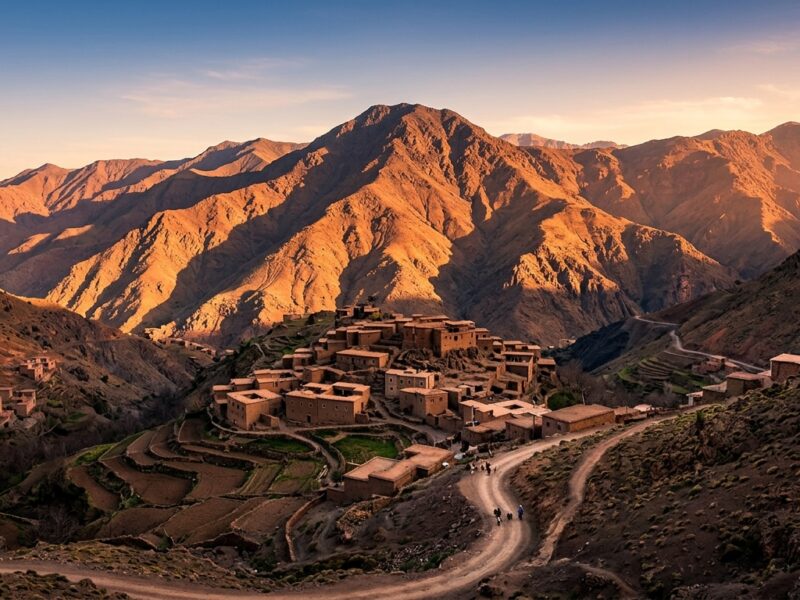
Moroccan beach culture is special because it blends Berber and Arab traditions with modern tourism. In towns like Essaouira and Agadir, you can explore traditional souks selling argan oil and handmade crafts just steps from the sand. For a deeper dive into inland culture, consider crossing Berber villages in the Atlas Mountains from Agadir — it’s the perfect complement to a beach-focused trip. Imagine buying a beautiful rug or some silver jewelry, then walking five minutes to dip your toes in the Atlantic.
The local food scene is incredible. Beachfront restaurants serve freshly caught fish cooked with spices like saffron, cumin, and paprika. You must try seafood tagines and grilled sardines — they’re some of the best dishes in the country. Many beaches host local festivals, and you’ll often see camels walking on the sand, especially at places like Achakar near Tangier. Unlike some Mediterranean destinations, Morocco’s beach culture is more conservative in certain areas. Local families often picnic rather than sunbathe, which makes for a more family-friendly atmosphere.
These cultural elements make Morocco beach destinations far more than just places to swim — they’re immersive experiences where you can taste, see, and feel Moroccan life.
The Best Beaches in Morocco for Sun and Surf
Now let’s explore the actual beaches. Some of the best beaches in Morocco are world-famous for their waves, while others offer peaceful retreats for families. Here are the top spots you need to know about.
Surfing Paradises: Taghazout and Tamraght
For surfers, some of the best beaches in Morocco are found in Taghazout and Tamraght. Taghazout is Morocco’s premier surf town, increasingly considered the country’s premium surf spot. It has world-class breaks like Anchor Point, Killer Point, and Hash Point that attract surfers from around the globe. The town itself is colorful, with fishing boats, yoga studios, and fresh juice bars lining the streets.
Tamraght, just north of Taghazout, is a quieter alternative with its own excellent surf schools and a bohemian, laid-back vibe. Both towns offer surf camps for all levels, from complete beginners to advanced wave riders. Many visitors have booked a surf lesson with lunch and transfers included — it’s one of the easiest ways to get started without worrying about logistics. Taghazout Bay also has high-end surf retreats and private villas if you want luxury alongside your surf sessions. The sunset scene here is magical — surfers gather on the beach to watch the waves and the sky turn orange and pink.
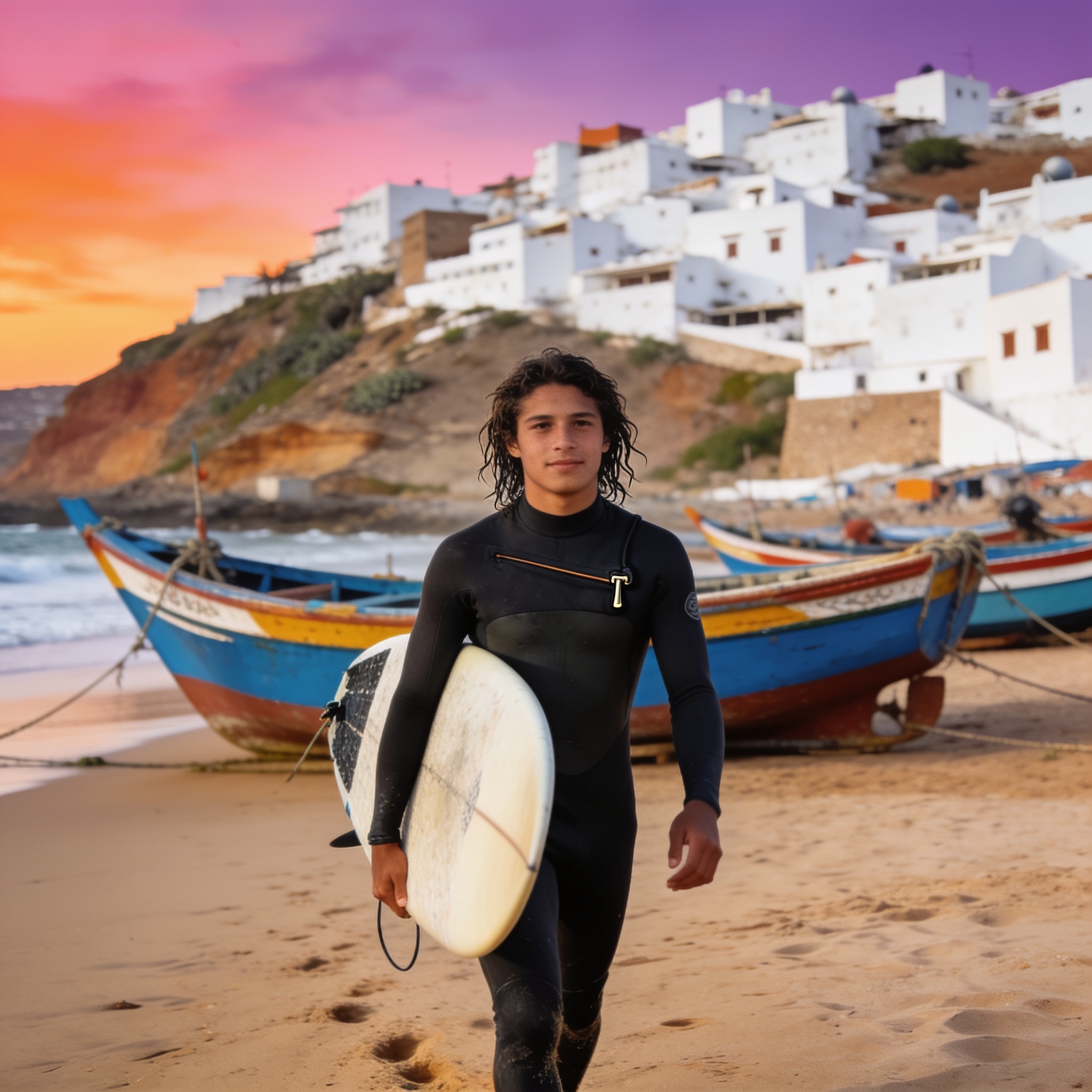
The best surf season in Taghazout runs from September to April, when consistent Atlantic swells deliver waves up to 3 meters. Summer months (June–August) are better for beginners, with smaller, gentler waves and warmer water.
Family-Friendly Shores: Agadir and Saïdia
Both Agadir and Saïdia are top Morocco beach destinations for travelers seeking convenience and safety. Agadir Beach is the most famous beach in Morocco, and for good reason. It has a six-mile stretch of golden sand backed by a long promenade lined with cafés, restaurants, and hotels. The city boasts 300 days of sunshine a year, making it a reliable choice for any season. Agadir was rebuilt after a devastating earthquake in 1960, so it now features broad avenues, a beautiful marina, and modern infrastructure that makes everything easy to reach.
Saïdia, located on the Mediterranean near the Algerian border, offers a nine-mile stretch of pristine, unspoilt sandy beach backed by mimosa groves and eucalyptus trees. It has 14 kilometers of pristine coastline and a natural bird preserve nearby. Both beaches have calm waters, lifeguards, and plenty of amenities like umbrella rentals, water sports, and restaurants. They’re ideal for families with young children who need safe swimming conditions and easy access to facilities. Both destinations are perfect starting points — our full family travel guide for visiting Morocco with kids covers activities, packing, and accommodation tips for every age.
Untouched Beauty: Legzira and Sidi Ifni
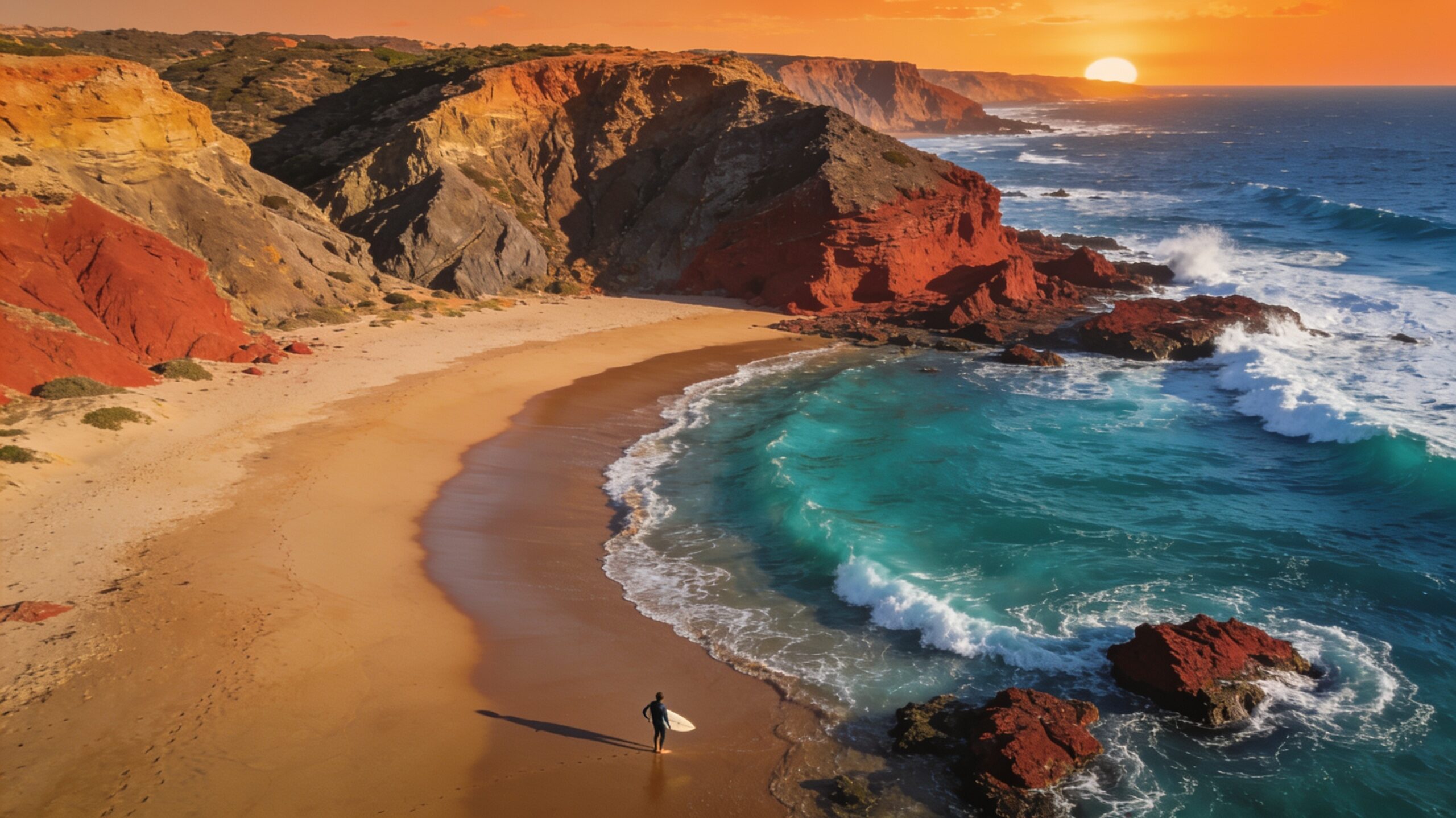
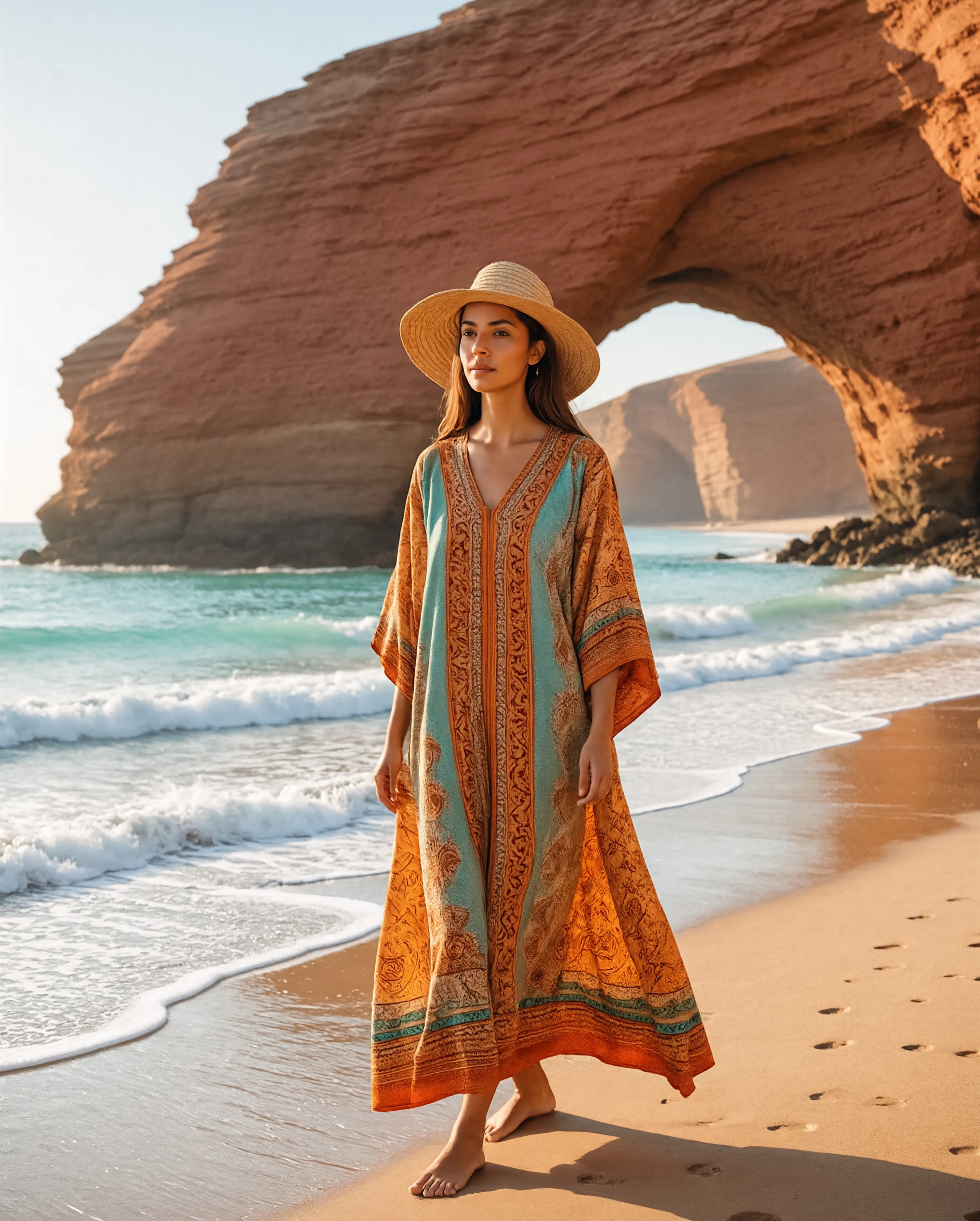
Legzira and Sidi Ifni showcase the beautiful beaches Morocco has to offer in their most dramatic, untouched form. Legzira Beach is known for its stunning red cliffs and natural rock arches. While some arches have partially collapsed, the scenery remains breathtaking — red cliffs contrast with turquoise Atlantic water in a way that looks almost unreal. It’s a great spot for hiking and photography, especially during golden hour.
Sidi Ifni is a Moroccan city on the Atlantic in southern Morocco, known for captivating and peaceful beaches perfect for long walks and romantic sunsets. The town itself has Spanish colonial architecture and art deco buildings from when Spain controlled the area. These beaches are more remote and less developed, offering a raw, natural experience away from crowds. Some wild beaches in this area have difficult accessibility and may require a local guide to reach safely, but the payoff is incredible solitude.
Top Morocco Beach Destinations You Can’t Miss
These Morocco beach destinations each offer a unique flavor of coastal life. From artistic towns to cultural crossroads, here’s what makes each one special.
Essaouira: The Windy City
Essaouira is a breezy, artistic haven about 2.5 hours west of Marrakech. Known as “The Windy City,” it is loved by surfers, painters, and travelers seeking creative inspiration. The UNESCO-listed medina is a maze of white and blue buildings, while the bustling fishing port has blue boats that bob in the harbor. The strong winds make it a kitesurfing and windsurfing mecca — beginners can take lessons, while experts can test their skills on challenging conditions.
Getting from Marrakech to Essaouira is easy: you can take a private cab (most expensive), join a booked excursion, or catch a Supratours bus. For a hassle-free option, many travelers book a full-day trip from Marrakech to Essaouira that handles all the logistics. A day trip is possible, but overnight stays are recommended so you can experience the sunset over the ramparts. The beach itself is a long sandy stretch with consistent winds. The town also has boutique riads by the sea with traditional architecture and modern sea-view comforts.
Tangier: Where the Atlantic Meets the Mediterranean
Tangier sits at the crossroads of Africa and Europe, where the Atlantic Ocean meets the Mediterranean Sea. You can see Spain across the Strait of Gibraltar on clear days. The city has a rich art scene — it was a muse for writers and artists like Paul Bowles, William S. Burroughs, and Henri Matisse. The old medina, kasbah, and vibrant cafés create a cosmopolitan atmosphere that’s unlike anywhere else in Morocco.
Nearby beaches include Achakar Beach, where you can sunbathe and ride camels on the sand. The Plage de Tanger is another popular city beach. Tangier is one of the most culturally rich Morocco coastal towns in the country, blending Moroccan, Spanish, and French influences in its food, architecture, and daily life.
Visit Tangier’s Café Hafa, perched on cliffs overlooking the Strait of Gibraltar. It’s been serving mint tea since 1921, and the view of Spain across the water is unforgettable — especially at sunset.
Asilah: The Art Lover’s Escape
Asilah is a small, whitewashed coastal town with a peaceful atmosphere. Its medina features blue and white painted buildings, creating a Greek-island feel that’s unique in Morocco. The annual Mural Festival, usually in August, brings artists from around the world to paint colorful murals on the town’s walls. This transforms the entire medina into an open-air gallery that’s constantly changing.
The beaches near Asilah include Rmilate Beach, a beautiful wild beach a short drive away. The town beaches themselves are calm and family-friendly. The relaxed pace of life, seafood restaurants along the harbor, and the town’s reputation as a quiet alternative to busier Essaouira make it perfect for travelers who want to slow down. Asilah proves that some of the best beaches in Morocco are found in the country’s most artistic towns.
Discovering the Most Beautiful Beaches Morocco Has to Offer
The wild Atlantic coast showcases the most beautiful beaches Morocco has for those willing to venture off the beaten path. These are the beaches that make you feel like you’ve discovered something secret.
The Wild Atlantic Coast (Mirleft, Plage Blanche)
Mirleft is a small village south of Taghazout, known for its rugged cliffs, deserted beaches, and bohemian vibe. The dramatic red cliffs, secluded coves, and excellent surf breaks make it a favorite among experienced surfers and travelers seeking solitude. The atmosphere is raw and untamed — no high-rise hotels, just nature at its finest.
Plage Blanche, which means “White Beach,” is Morocco’s longest and wildest beach. It’s a 25-mile swathe of rippling dunes and untouched sands tucked away in the heart of a huge ecological park. Located near Guelmim, about 200 miles (322 kilometers) south of Agadir, this beach has difficult accessibility with a high chance of getting lost. You should definitely visit with a local guide. There are no hotels, no restaurants — just endless sand and ocean. It’s perfect for adventurous travelers and nature photographers who want to capture something truly special.
⚠️ Important: Plage Blanche and Mirleft’s wild coves have no facilities, no phone signal, and no lifeguards. Always bring extra water, a first-aid kit, and tell someone your plans. A local guide with a 4×4 is essential for Plage Blanche.
The Mediterranean Riviera (Calas de Cabo Negro, Tamouda Bay)
The Mediterranean Riviera offers a different kind of Morocco beach destination — more polished, more exclusive. Tamouda Bay, near M’diq, is one of Morocco’s most up-and-coming resort areas, offering pristine beaches with clear turquoise waters. Luxury development and high-end hotels are springing up here, making it a destination for travelers who want comfort alongside beauty.
Calas de Cabo Negro features tiny coves with clear blue water, often compared to the French Riviera. These are quieter, more exclusive spots popular with Moroccan families and European visitors. M’Diq itself is a town where fish restaurants line the shore, offering some of the freshest seafood you’ll ever taste. This region is under an hour’s drive from Tangier, making it accessible for a day trip or a luxury beach holiday.
The Dakhla Peninsula: A Lagoon Like No Other
For kitesurfers, Dakhla is undoubtedly among the best beaches in Morocco. Dakhla is a long peninsula stretching out into the Atlantic, home to some of Morocco’s best beaches for watersports. It’s a kitesurfing mecca, with consistent winds and a massive lagoon that creates perfect flat-water conditions. The world’s top kitesurfers come here to train and compete.
The landscape is almost otherworldly: white sand, turquoise water, and a feeling of being at the edge of the world. Dakhla is far south, near Western Sahara, and requires planning to reach. But for serious watersports enthusiasts, the experience is unforgettable. You’ll feel like you’ve found a secret paradise that few tourists know about.
Luxury and Relaxation: Top Morocco Beach Resorts
Not everyone wants to rough it on a wild beach. If you prefer comfort and convenience, Morocco has plenty of options that range from sprawling all-inclusive complexes to intimate boutique riads steps from the shore.
All-Inclusive Getaways in Agadir
Agadir is home to some of the most established Morocco beach resorts in the country. The hotel strip runs along the six-mile beach, offering everything from budget accommodation to five-star luxury. Resorts have large pools, golf courses, spas, multiple restaurants, and kids’ clubs. The beach itself is well-maintained with sunbed rentals and water sports available.
Agadir’s modern infrastructure — broad avenues, a beautiful marina, and golf courses — makes it Morocco’s main beach resort city. It’s ideal for travelers who want convenience, English-speaking staff, and a wide range of dining options. You can eat Italian one night, Moroccan the next, and never leave the resort if you don’t want to.
Boutique Riads by the Sea in Essaouira
Essaouira’s boutique riads offer a unique alternative to traditional Morocco beach resorts. Instead of large hotels, you stay in restored traditional Moroccan houses with interior courtyards, some with sea views. These properties have original tilework, carved plaster, and rooftop terraces overlooking the Atlantic.
The charm here is intimacy and authenticity. These accommodations are smaller and offer personalized service, often with in-house hammams and Moroccan cuisine cooking classes. Essaouira’s luxury is about culture and experience rather than standard hotel amenities. You’ll feel like you’re living like a local, but with all the comforts you need.
Eco-Lodges and VIP Villas in Taghazout Bay
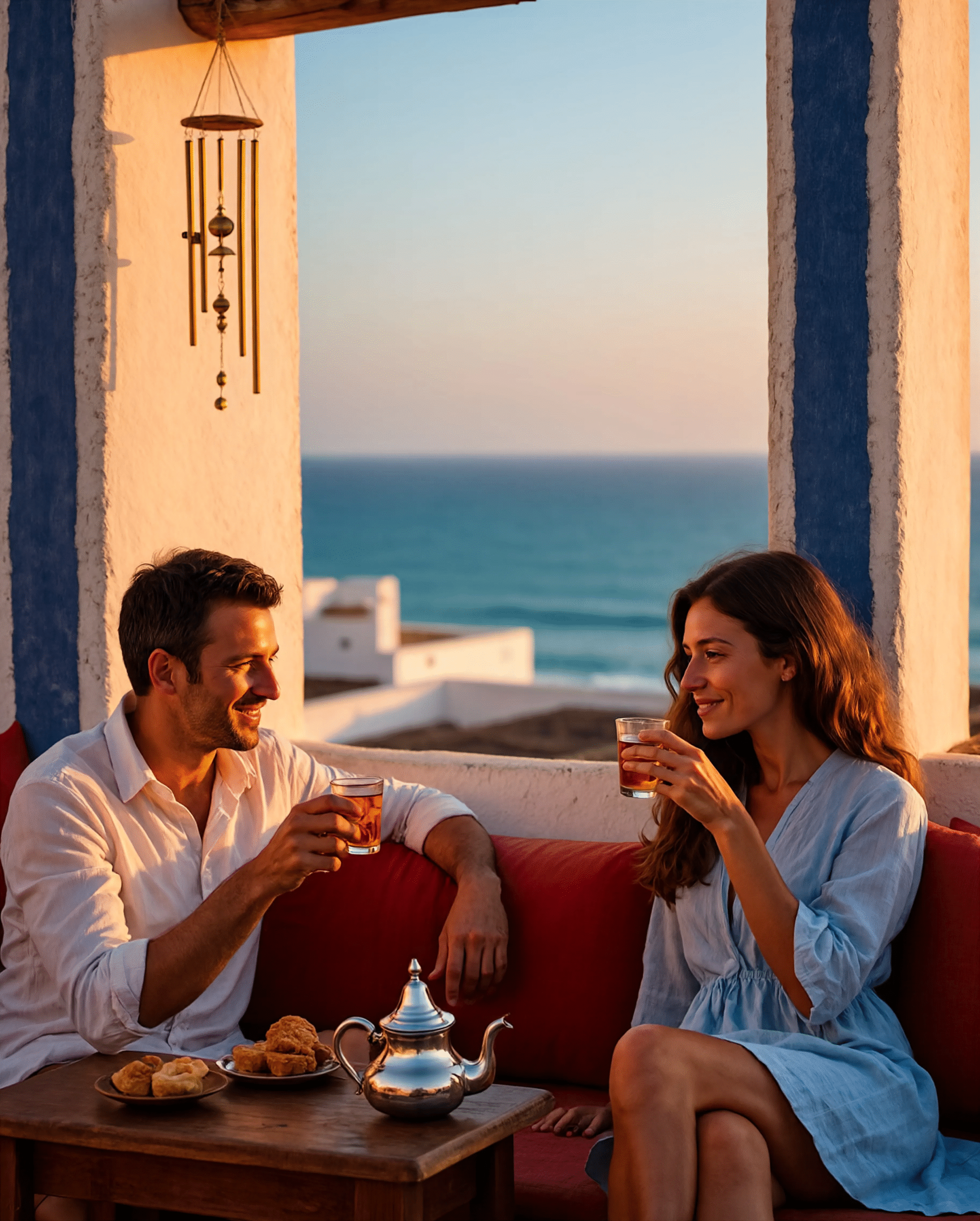
Taghazout Bay proves that Morocco beach resorts can cater to both adventure seekers and luxury lovers. High-end developments include eco-lodges built with sustainable materials and private VIP villas with ocean views and private pools. These accommodations cater to surfers who want luxury — think private surf lessons, yoga sessions at sunset, gourmet organic meals, and spa treatments.
Taghazout Bay is being developed as a premium destination, balancing surf culture with upscale tourism. It’s perfect for couples and groups wanting a surf holiday without sacrificing comfort. You can ride waves all morning, then relax with a massage in the afternoon.
Essential Tips for Planning Your Morocco Beach Trip
Planning a trip to Morocco’s beaches requires some thought. Here’s everything you need to know to make your trip smooth and enjoyable.
Best Time to Visit (Avoiding the Crowds)
The best time to visit depends on which Morocco beach destination you’re targeting. Morocco’s beach season runs from May to October, with peak season in July and August when European tourists arrive and temperatures are highest.
For the Atlantic coast, the best months are June to September for swimming, when water temperature peaks at 22°C (72°F). May and October are ideal for surfing with smaller crowds. For the Mediterranean coast, July and August are hottest and busiest, but June and September offer perfect conditions with fewer tourists. Winter months (November to March) are cooler but still pleasant for walking, photography, and surfing. Many wild beaches are nearly empty during winter. Remember that Agadir boasts 300 days of sunshine, making it a year-round option.
📌 Planning note: Book accommodation at least 6–8 weeks in advance for July and August, especially in Agadir and Essaouira. Shoulder season (May–June, September–October) offers the best balance of good weather, lower prices, and fewer crowds.
Getting Around (Hiring a Car vs. Buses)
Accessing the best beaches in Morocco sometimes requires a bit of planning. Renting a car offers the most flexibility for reaching remote beaches, but you need confidence driving in Morocco — our complete guide to renting a car in Morocco covers everything from insurance to road rules. Be prepared for aggressive driving, rural roads, and potential police checkpoints.
Buses like Supratours and CTM are reliable and affordable for major routes like Marrakech to Essaouira or Casablanca to Tangier. However, they won’t reach isolated spots like Legzira or Plage Blanche. Grand taxis, which are shared taxis, can be hired for day trips from towns to nearby beaches. For example, you can hire one from Agadir to Taghazout or from Tangier to Achakar.
For visiting wild beaches like Mirleft or Plage Blanche, hiring a local guide with a 4×4 is strongly advised. There’s a high chance of getting lost on these remote beaches, so don’t take risks. If you’re based in Agadir and want a break from the coast, consider a sandboarding adventure followed by a sunset tea and fire show — it’s one of the most popular half-day excursions and a brilliant way to experience the desert landscapes just beyond the beach.
Safety and Cultural Etiquette (What to Wear on the Beach)
Cultural norms vary between Morocco coastal towns and inland cities. Morocco is a Muslim country with conservative values, though beach towns are more relaxed than inland areas.
For women, bikinis are acceptable at hotel pools and resort beaches. However, at public beaches, wearing a one-piece or covering up with a sarong or kaftan when walking away from the water is respectful. For men, board shorts are fine, but Speedos are uncommon except on European-tourist beaches. Topless sunbathing is illegal and culturally unacceptable across all of Morocco. For more detailed advice on navigating cultural norms as a female traveler, check out our complete guide for women traveling in Morocco.
During Ramadan, some beach cafés and facilities may have reduced hours, but tourist areas remain mostly open. Safety-wise, Morocco’s beaches are generally safe, but strong Atlantic currents and rip tides exist. Always swim where lifeguards are present, and check official travel advice from the Morocco National Tourist Office before your trip.
Packing List Essentials
With these essentials, you’ll be ready to explore all the beautiful beaches Morocco has in store. Start with sun protection: bring high-SPF sunscreen (hard to find locally), a wide-brimmed hat, sunglasses, and a light scarf for wind protection.
For water activities, bring a rash guard or wetsuit if you’re visiting the Atlantic — the water is cool year-round. The Mediterranean is warmer, so you might not need one. You can rent surfboards locally, but water shoes are useful for rocky coves. For clothing, pack light layers for evening breezes, a kaftan or cover-up for modesty, and a light jacket or sweater for windy days, especially in Essaouira.
Don’t forget a reusable water bottle (tap water isn’t drinkable), insect repellent for evenings, a waterproof phone pouch, and a sarong that doubles as a towel. For wild beaches, bring snacks, plenty of water, and a first-aid kit since facilities are absent.
Reserve Your Spot
Book Your Morocco Beach Experience
From Taghazout surf lessons to Essaouira day trips and Atlas Mountain excursions — browse the best-rated activities across Morocco’s coastline. Instant confirmation, free cancellation on most tours.
Frequently Asked Questions
Everything you need to know before you go
✦ Your Morocco Journey Starts Here
2,000 km of Coastline Is Waiting for You
Whether you’re chasing legendary surf at Taghazout, unwinding in a sea-view riad in Essaouira, or discovering the untouched solitude of Plage Blanche, Morocco’s beaches promise the kind of memories that keep you planning your return before you’ve even left the sand. The coastline is ready — are you?