The Ultimate Marrakech Hammam Guide: Traditional Moroccan Bathing Experiences
Discover the ultimate Marrakech hammam guide. Learn about traditional Moroccan spa rituals, health benefits, etiquette, and find the best hammam in Marrakech for an authentic experience.
Have you ever stepped into a steam-filled chamber where centuries of tradition meet deep relaxation — and emerged feeling like a completely new person? That’s the magic of the Marrakech hammam. More than just a bathhouse, the Moroccan hammam is a ritual that has been cleansing bodies and spirits for over 2,000 years, connecting the people of Marrakech to their Roman, Byzantine, and Islamic heritage.
In this comprehensive guide, we’ll walk you through everything you need to know about the Marrakech hammam experience — from its ancient origins and step-by-step rituals to the health benefits, etiquette, and our carefully curated recommendations for the best hammams in the city. Whether you’re a first-time visitor or a seasoned traveler, this guide will help you navigate the world of traditional Moroccan bathing with confidence and cultural awareness.
For more ways to immerse yourself in Moroccan traditions, explore our guide to Moroccan cultural experiences.
✦ Key Takeaways
Hammams are traditional Moroccan bathhouses with a history dating back 2,000+ years, offering both cultural immersion and wellness benefits
The traditional hammam experience follows a ritual process including steam, black soap application, vigorous exfoliation, and clay treatments
Marrakech offers both authentic public hammams (10-30 dirhams) and luxurious spa hammams (300-2000 dirhams) catering to different preferences
Proper hammam etiquette includes knowing what to wear, what to bring, and understanding cultural norms around privacy and tipping
Post-hammam care should include rehydration, rest, moisturizing, and sun protection to extend the benefits of the treatment
The Rich History of Hammams in Morocco
The Marrakech hammam tradition is deeply rooted in history, with origins stretching back more than 2,000 years to the ancient Roman bathhouses. These early bathing establishments provided the architectural and functional blueprint that would eventually evolve into the Moroccan hammam we know today. The Romans understood the power of steam and water for both hygiene and social connection — a philosophy that would be adapted and refined across the centuries.
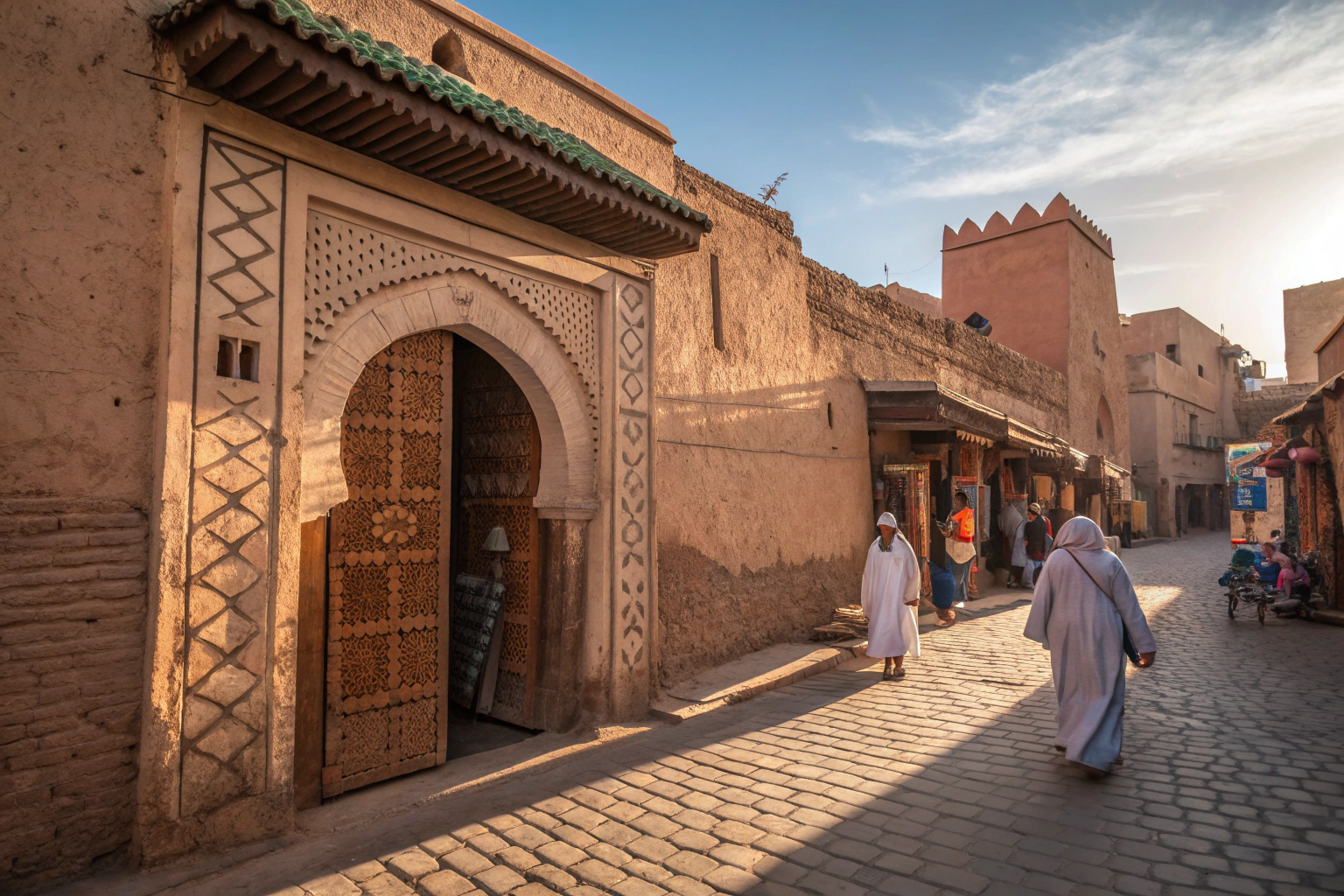
When the Islamic Empire expanded across North Africa, hammams took on new significance. They became essential spaces for ritual purification (wudu) before prayer, highlighting their religious importance. In Arabic, hammams are called “House of Steam,” reflecting their primary function as a place of cleansing through steam and water. What began as purely religious facilities gradually evolved into important social gathering spaces — the community living room, the place where news was shared and relationships were built.
Historically, hammams were strategically built next to mosques, serving both spiritual and practical purposes for the community. As time passed, these bathing houses became deeply woven into the fabric of Moroccan society. In Marrakech specifically, hammams developed their own unique characteristics that set them apart from those in other regions. The city’s hammams became known for their beautiful architecture, efficient heating systems, and specialized bathing rituals using local ingredients like black soap and rhassoul clay sourced from the Atlas Mountains.
💡 Historical insight: Hammams weren’t simply luxury experiences — they were a necessity. In times before modern plumbing, the hammam was where people came weekly for thorough cleansing. This wasn’t just a matter of preference but an obligatory practice for maintaining proper hygiene in the community.
Today, while many Moroccan homes have modern bathrooms, the traditional Marrakech spa culture continues to thrive because it offers something that a quick shower at home simply cannot — a complete wellness ritual that cleanses both body and mind while connecting people to their cultural heritage. For a deeper dive into the authentic procedures, read our complete guide to traditional Moroccan hammam steam baths.
Book a traditional hammam experience in Marrakech:
Powered by GetYourGuide
Understanding the Traditional Marrakech Hammam Experience
To truly appreciate what makes a Marrakech hammam special, you need to understand the step-by-step process that has been preserved for generations. The best hammam in Marrakech will follow these traditional stages, creating a rhythmic experience that moves from cleansing to relaxation. The ritual is designed not just to clean the body, but to restore balance and leave you feeling deeply renewed.
1. Preparation and Changing Area: Your journey begins in the changing room (known as the “maslakh”). Here, you’ll change into your bathing attire (typically underwear or a swimsuit for tourists), store your belongings, and prepare for the bathing ritual. In traditional hammams, this area is simple and functional, while luxury facilities offer more private and elegant changing suites.
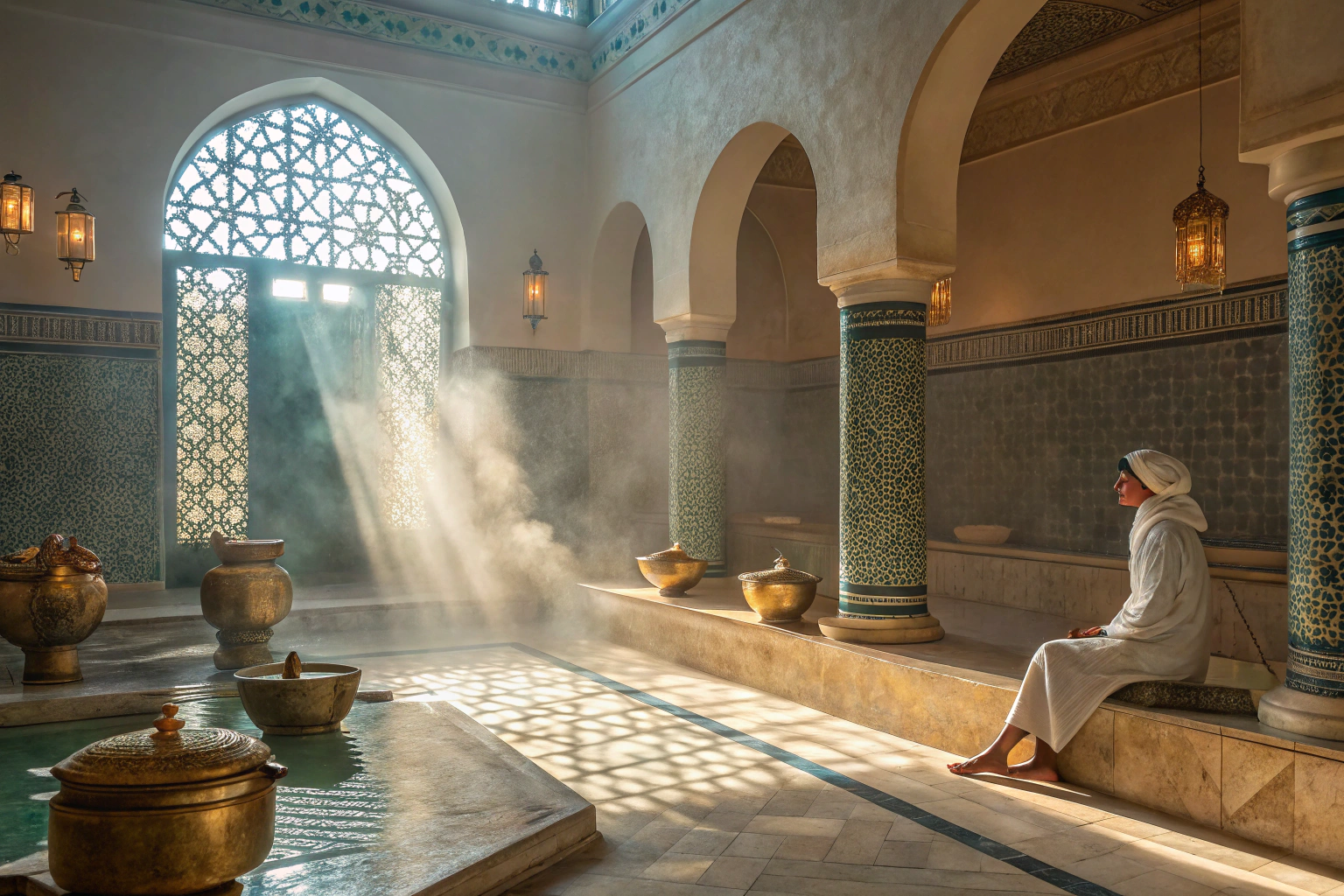
2. Warm Room Acclimatization: You’ll enter the warm bathing chamber where the temperature is comfortably hot and steam fills the air. This initial phase allows your body to adjust to the heat and begin opening pores. You’ll typically sit or lie on heated marble benches, relaxing as your body temperature rises and you begin to sweat.
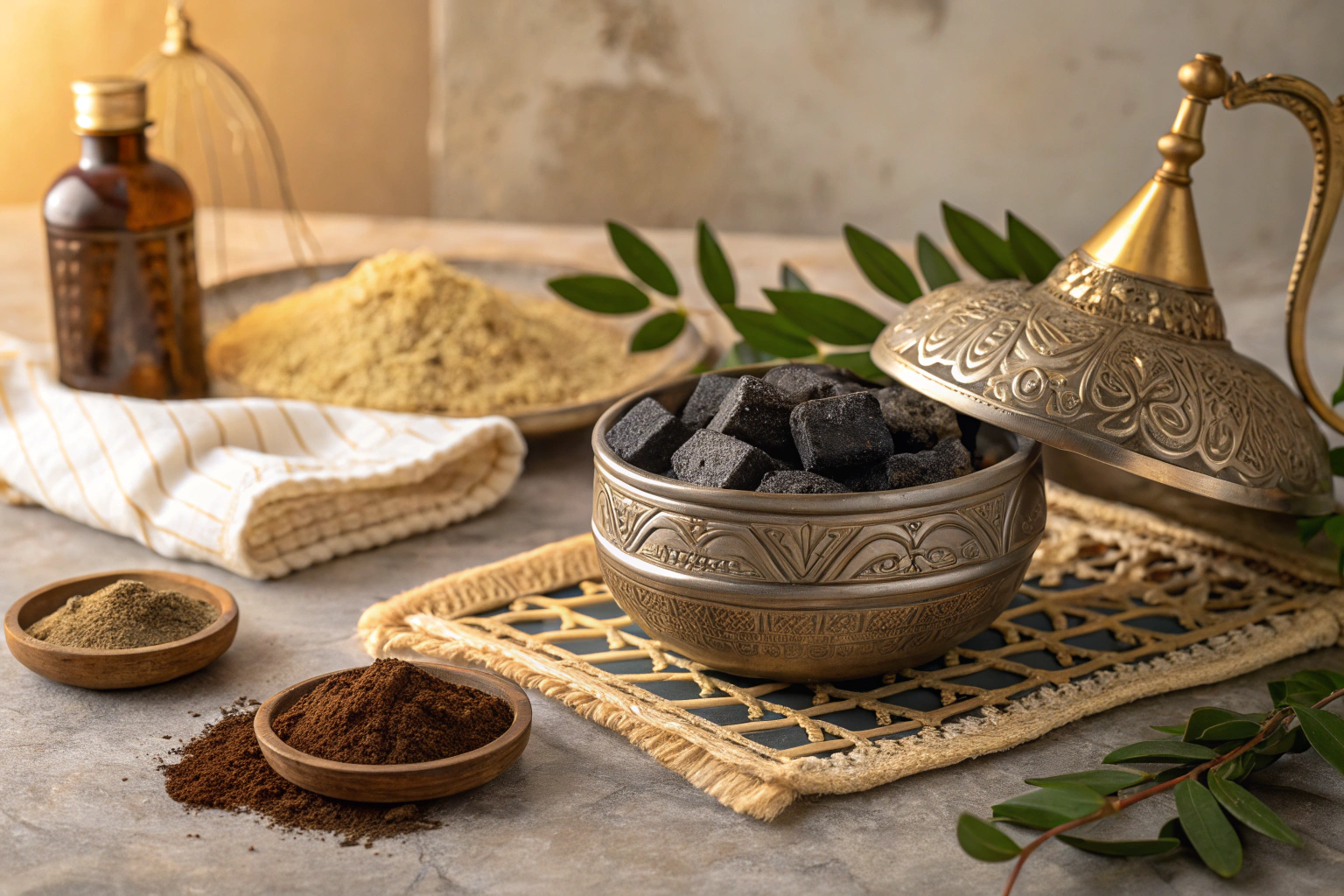
3. Black Soap (Beldi) Application: An attendant (called a “kessala” for women or “kessal” for men) will apply traditional black soap made from olive oil and enriched with eucalyptus oil. This natural soap is spread generously across your body and left to penetrate the skin for about 10 minutes, softening the outer skin layer and preparing it for exfoliation.
4. Gommage Exfoliation: Perhaps the most famous part of the hammam experience! Using a special rough glove called a “kessa,” the attendant performs a vigorous scrubbing of your entire body. This exfoliation is thorough and removes layers of dead skin. First-timers are often surprised by both the intensity and the amount of dead skin that comes off. The process is invigorating rather than painful, though you can always ask for gentler treatment.
5. Rhassoul Clay Mask Application: After exfoliation, many traditional hammams apply rhassoul clay, a natural mineral clay mined from the Atlas Mountains. This clay draws impurities from the skin while providing minerals and helping to restore the skin’s natural balance. The mask may be left on for 5-10 minutes to work its magic.
6. Rinsing Process: Rather than showers, traditional attendants use brass or silver bowls to pour warm water over you, washing away the clay and any remaining dead skin. This rinsing ritual can feel particularly refreshing after the heat and scrubbing phases.
7. Optional Massage and Oil Treatments: Many hammams, especially those catering to tourists, offer additional treatments following the cleansing ritual. These might include a relaxing massage with argan oil or other local ingredients that nourish the freshly exfoliated skin.
8. Rest and Rehydration Period: The experience concludes with a rest period in a cooler room where you can relax, rehydrate (often with traditional mint tea), and allow your body temperature to normalize before getting dressed and returning to the outside world.
Remember, this wellness ritual is focused primarily on hygiene and purification rather than luxury indulgence. Even in the most upscale Marrakech spa, the hammam process remains true to its practical origins — a thorough cleansing experience that has sustained Moroccan communities for centuries.
For a more detailed explanation of the authentic procedures, you can also read our complete guide to traditional Moroccan hammam steam baths.
Types of Hammams in Marrakech
When searching for the best hammam in Marrakech, it’s important to understand that there are two distinct categories to choose from. The Marrakech hammam scene offers experiences ranging from authentically local to luxuriously refined, with each type providing its own unique advantages. Your choice will depend on your comfort level, budget, and what kind of experience you’re seeking.
Authentic local experience — 10–30 dirhams
Authenticity: These are the real deal — places where everyday Moroccans have bathed for generations. You’ll be stepping into a living tradition that has remained largely unchanged for centuries.
Segregation: Strictly gender-segregated with specific hours for men and women. Check the schedule before you go.
Amenities: Minimal facilities — expect basic changing areas and functional bathing chambers. Don’t expect plush robes or fancy toiletries.
Cultural Value: Maximum cultural immersion; you’ll experience hammam as locals do. This is the real Morocco, not a tourist show.
Cost: Extremely budget-friendly at just 10-30 dirhams entry fee plus tips for attendants.
Supplies: You’ll need to bring your own towels, flip-flops, soap, and other toiletries. Nothing is provided.
Language: Limited English spoken; communication happens through gestures and basic phrases. Learning a few Arabic words goes a long way.
Privacy: Limited privacy as locals bathe communally (though tourists are often given some accommodations).
Premium comfort — 300–2000 dirhams
Setting: Often housed in beautiful riads, luxury hotels, or purpose-built wellness centers. The architecture alone is worth the visit.
Privacy: Private rooms available for individuals, couples, or small groups. You can enjoy the experience without feeling exposed.
Service: Full-service experience with all supplies provided and English-speaking staff. Everything is taken care of for you.
Treatments: Expanded menus including aromatherapy, specialty massages, facials, and beauty treatments. You can customize your experience.
Amenities: Modern comforts like plush robes, slippers, changing rooms with lockers, and relaxation lounges with tea and snacks.
Cost: Premium pricing ranging from 300-2000+ dirhams depending on the venue and treatments selected.
Booking: Reservations typically required, especially during high tourist season (October–April). Book at least a few days in advance.
Experience: Traditional techniques with added comfort and luxury touches — the best of both worlds.
📌 Planning note: For first-time visitors to Marrakech, hammam experiences can be intimidating, so many choose to start with a mid-range or luxury option that bridges cultural authenticity with familiar comforts. However, those seeking the most authentic experience should consider visiting a public hammam, perhaps with a local guide who can help navigate the customs and language barriers.
The Marrakech spa scene continues to evolve, with many establishments now offering “hybrid” experiences that combine traditional hammam rituals with modern wellness approaches and amenities, allowing visitors to experience the best of both worlds. When planning your stay, consider choosing accommodation near the hammams you want to visit — our guide on where to stay in Marrakech can help you find the perfect location.
Explore Marrakech’s medina and souks with a guided tour:
Powered by GetYourGuide
Health and Wellness Benefits of the Marrakech Hammam
Beyond cultural exploration, the Marrakech hammam offers numerous evidence-based health benefits that explain why this tradition has endured for centuries. The combination of heat, steam, exfoliation, and relaxation creates a powerful wellness experience that affects both body and mind. Moroccan spa practitioners have recognized these therapeutic benefits for generations, understanding that the hammam serves both hygiene and healing purposes.
Physical Benefits:
Deep Skin Cleansing: The combination of steam, black soap, and vigorous exfoliation removes dead skin cells far more effectively than regular bathing. This deep cleansing helps prevent clogged pores and improves skin’s ability to absorb moisturizers afterward. Your skin will feel noticeably smoother and more radiant.
Improved Circulation: The alternating temperatures in the hammam — from the heat of the steam rooms to the cooler rinsing water — stimulates blood circulation throughout the body, bringing oxygen and nutrients to tissues while removing waste products. This can leave you feeling energized and refreshed.
Muscle Relaxation: The humid heat penetrates deep into muscles, helping to release tension and tightness. This makes the hammam especially beneficial for those suffering from stiffness or recovering from physical activity. Many visitors report feeling looser and more flexible after a session.
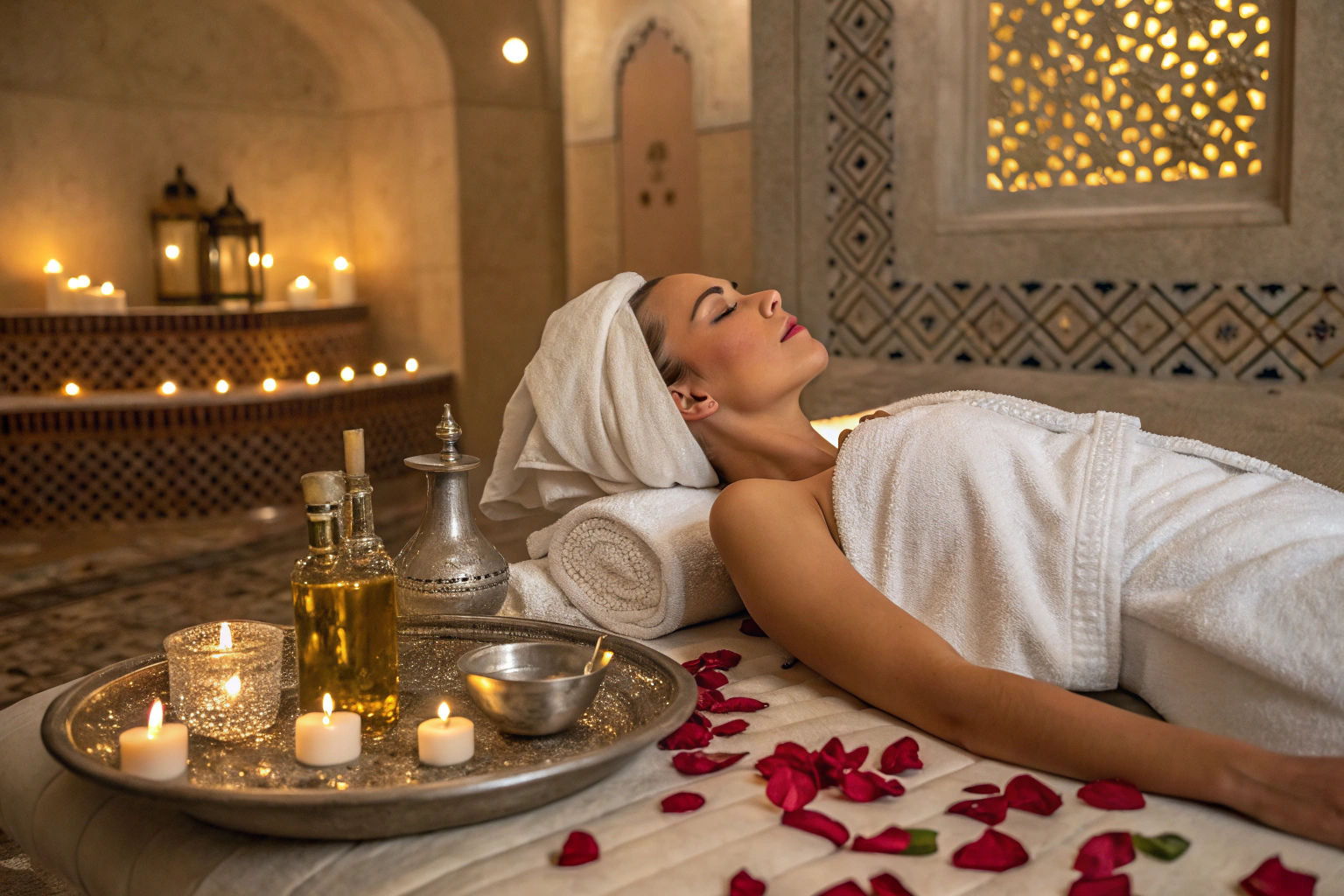
Respiratory Benefits: Steam inhalation helps open airways and can temporarily relieve congestion. The eucalyptus often added to hammam steam has natural decongestant properties that can ease breathing difficulties. It’s particularly soothing during the cooler months.
Detoxification: While “detox” claims are often exaggerated in wellness marketing, the profuse sweating induced in a hammam does help eliminate certain waste products through the skin and can leave you feeling refreshed. The combination of heat and steam encourages the body’s natural elimination processes.
Skin Rejuvenation: The combination of exfoliation and natural ingredients like rhassoul clay can improve skin tone and texture. Many visitors notice immediately softer, more radiant skin after a single session. The clay is rich in minerals that nourish and revitalize.
Mental and Emotional Benefits:
Stress Reduction: The hammam environment — with its warm steam, gentle lighting, and ritualistic pace — naturally induces relaxation. The experience forces you to slow down and be present in the moment. In our fast-paced world, this intentional pause is increasingly rare and valuable.
Mindfulness Opportunity: Unlike quick showers at home, the hammam requires you to commit time to self-care. This slower pace encourages mindfulness and disconnection from technology and daily stresses. It’s a chance to reset mentally as well as physically.
Social Connection: Traditional hammams have always served as community gathering spaces. Even in tourist-oriented facilities, there’s often a sense of shared experience that can create meaningful connections. You’re participating in a ritual that has brought people together for millennia.
Cultural Immersion: Participating in a centuries-old ritual provides a deeper connection to Moroccan culture than most tourist activities, offering psychological benefits through broadened perspective and cultural appreciation.
Hammam Etiquette and Cultural Considerations
To get the most from your Marrakech hammam experience, understanding the proper etiquette is essential. Following these guidelines will help you navigate this unique cultural practice with confidence and respect. Remember that while hammams welcome tourists, they remain important cultural institutions — approaching your visit with respect for local customs will ensure a more rewarding experience.
What to Wear
Women: In traditional hammams, local women typically bathe nude, but tourists are expected to keep underwear or swimsuit bottoms on. Tops are optional in female-only hammams but required in mixed or tourist facilities. When in doubt, ask the staff for guidance.
Men: Local men typically wear small underwear or a cloth wrap, while tourists usually keep underwear or swim shorts on throughout the experience. Comfort and modesty are key.
Luxury Hammams: Higher-end establishments often provide disposable underwear specifically for your hammam treatment. This is a nice touch that adds to the comfort factor.
What to Bring
Public Hammams: Bring your own towel, flip-flops, soap, shampoo, comb, and change of underwear. A small plastic mat to sit on is also useful. Don’t forget cash for tips.
Luxury Hammams: These typically provide everything you need, including towels, robes, and toiletries. Just bring yourself and a sense of adventure!
All Hammams: Bring a small waterproof bag for personal items and bottled water for after your treatment. Staying hydrated is crucial.
Privacy Expectations
Personal Space: Even in communal settings, maintain appropriate distance from others and avoid staring. Everyone is there for the same purpose — cleansing and relaxation.
Photography: Taking photos is generally prohibited in hammams out of respect for others’ privacy. Leave your phone in the locker and be present in the moment.
Conversation: Keep voices low and conversations minimal, especially in traditional settings where hammams are places of relaxation rather than socialization for many visitors. The atmosphere should be calm and contemplative.
Tipping Protocols
Public Hammams: Tip your attendant directly, with 20-50 dirhams being appropriate depending on the service level. This is an important part of the local economy.
Luxury Hammams: Some include service charges; check your bill. If not included, 10-15% of the service cost is appropriate. Ask at reception if you’re unsure.
Extra Services: Additional services like stronger scrubbing or impromptu massage should be tipped separately. A little generosity goes a long way.
Learn a few basic Arabic phrases: “shwaya” (gently/softly) — invaluable if the scrubbing is too intense; “shukran” (thank you); and “la, shukran” (no, thank you). Your efforts will be appreciated by the staff.
Common Concerns for First-Time Visitors
Nudity Level: The degree of nudity can be uncomfortable for some. Communicate your preferences clearly, and staff will usually accommodate you. You’re not alone in feeling a bit exposed at first.
Language Barriers: In traditional hammams, staff may speak little English. Learn a few basic Arabic phrases or use gestures to communicate about pressure and temperature. A smile is universal.
Scrubbing Intensity: The traditional exfoliation can be surprisingly vigorous! Don’t hesitate to say “shwaya” (meaning “a little” or “gently”) if you need a gentler touch. The staff will adjust.
Duration Expectations: Plan to spend 1-2 hours for the complete experience, including changing and relaxation time. Don’t rush — this is meant to be a leisurely ritual.
Hydration: Drink plenty of water before and after your hammam to replace fluids lost through sweating. Dehydration is a real risk in the heat.
For more cultural guidance, check out our comprehensive guide to Moroccan etiquette for travelers.
Best Hammams in Marrakech — Detailed Recommendations
Finding the best hammam in Marrakech means matching your preferences with the right establishment. Here’s our carefully researched guide to the finest Marrakech hammam experiences across different categories. We’ve visited and vetted each of these to ensure you get an authentic, high-quality experience.
Traditional Public Hammams
1. Hammam El Bacha
Location: Near Jemaa el-Fnaa in the heart of the medina
Experience: One of the oldest hammams in the city, offering an authentic local experience
Facilities: Basic but well-maintained with separate men’s and women’s sections
Price: 15-20 dirhams entry plus service fees
Best For: Cultural immersion and budget travelers seeking authenticity
Tips: Bring all your own supplies; best visited in the morning when it’s less crowded
2. Hammam Dar el-Bacha
Historical Significance: Established in 1652, making it a living piece of Marrakech history
Location: Central medina location, convenient to major attractions
Schedule: Strictly gender-segregated with specific hours for men and women
Price: 20-30 dirhams entry plus service fees
Best For: History enthusiasts wanting to bathe where Moroccans have for nearly four centuries
Tips: Staff speak minimal English; consider bringing a local guide for your first visit
Luxury Spa Hammams
1. La Mamounia Spa
Setting: Located in one of Marrakech’s most iconic and historic hotels
Ambiance: Opulent surroundings with traditional elements fused with modern luxury
Treatments: Comprehensive menu extending well beyond basic hammam services
Price: 800-1500 dirhams depending on selected treatments
Best For: Those seeking the ultimate in luxury hammam experiences
Tips: Book well in advance, especially during high season
2. Royal Mansour Spa
Exclusivity: The height of Moroccan luxury with private hammam suites
Design: Breathtaking architecture featuring traditional craftsmanship and modern amenities
Service: Exceptionally attentive with personalized treatment plans
Price: 1000-2000 dirhams for complete hammam experiences
Best For: Special occasions and travelers seeking uncompromising luxury
Tips: The signature Royal Hammam includes rare essential oils and specialized techniques
3. Les Bains de Marrakech
Balance: Perfect middle ground between authentic practice and tourist comfort
Privacy: Private hammam rooms available for couples or individuals
Value: Excellent quality-to-price ratio compared to hotel spas
Price: 350-600 dirhams for complete experiences
Best For: First-time hammam visitors wanting quality without extreme luxury pricing
Tips: Their signature “Hammam Discovery” package is ideal for hammam newcomers
4. Hammam de la Rose
Location: Nestled in the medina for convenience to major attractions
Atmosphere: Beautiful, intimate setting with attention to aesthetic details
Products: Uses high-quality natural products including local rose extracts
Price: 300-500 dirhams for most services
Best For: Romantic couples’ experiences in a more intimate setting
Tips: Their rose-infused treatments are particularly special and unique to this hammam
Mid-Range Options
1. Hammam Ziani
Clientele: Popular with both locals and tourists, offering cultural authenticity with comfort
Options: Various treatment packages available to suit different budgets
Experience: Skilled staff with a good understanding of international visitors’ needs
Price: 150-350 dirhams depending on selected services
Best For: Those seeking authenticity with some added comforts
Tips: Their combination packages including massage offer excellent value
💡 Expert advice: When choosing the best Marrakech spa experience for your needs, consider your comfort level with traditional practices, budget constraints, and whether you prefer privacy or are open to the communal experience. Many visitors find that trying both a luxury and a traditional hammam provides the most complete understanding of this important cultural practice.
You might also want to include a hammam visit as part of your broader exploration of top Marrakech attractions for a well-rounded travel experience.
Extend your Marrakech adventure with a desert experience:
Powered by GetYourGuide
How to Prepare for Your Hammam Experience
Proper preparation will ensure you get the most from your Marrakech hammam visit. Here’s everything you need to know before you go. Taking a few simple steps beforehand can make the difference between a good experience and a truly transformative one.
Before Your Visit:
Hydration: Drink plenty of water in the hours leading up to your hammam. The heat and sweating will dehydrate you, so starting well-hydrated is essential. Aim for at least 500ml of water before you arrive.
Eating Schedule: Avoid heavy meals within 2 hours of your appointment. A light meal is best, as the heat and treatment can cause discomfort on a full stomach. A small snack is fine.
Skin Preparation: Don’t shave for at least 24 hours before your hammam. Freshly shaved skin can become irritated during the vigorous scrubbing process. Let your skin heal and toughen up a bit.
Valuables: Remove jewelry and leave valuables in your hotel safe. Steam and water can damage precious metals and stones, and most hammams have limited secure storage.
Timing: Allow 1.5-2 hours for the complete experience. Rushing through defeats the purpose of this relaxation ritual. Block out the time in your schedule and don’t book anything immediately after.
Booking: For luxury Marrakech spa hammams, book in advance, especially during peak tourist season (October-April). Traditional public hammams typically don’t take reservations — just show up.
What to Bring:
For Public Hammams:
– A towel (preferably two — one for drying and one to sit on)
– Flip-flops or waterproof sandals
– Change of underwear
– Soap and shampoo
– Small plastic mat to sit on (optional but recommended)
– Comb or brush
– Small plastic bag for wet items
For Luxury Hammams:
– Just yourself (everything is typically provided)
– Swimwear if you prefer to use your own
For All Hammams:
– Small waterproof bag for personal items
– Bottled water for after the experience
– Cash for entry fees and tips (many traditional hammams don’t accept cards)
What to Wear:
Women: For traditional hammams, bring underwear or swimsuit bottoms. In luxury facilities, swimwear or provided disposable underwear is typically used.
Men: Underwear or swim shorts work well in all hammam settings.
After Treatment: Bring loose, comfortable clothing to change into afterward. Your skin will be sensitive, and tight clothing may cause irritation. A soft cotton t-shirt and loose pants are ideal.
Those with heart conditions, high blood pressure, or who are pregnant should consult a doctor before visiting a hammam, as the high heat may not be suitable. If you have extremely sensitive skin or skin conditions like eczema, inform the staff beforehand so they can adjust the scrubbing intensity.
Sun Protection:
Plan your hammam for late afternoon or evening if you’ll be spending time in the sun that day. Freshly exfoliated skin is more vulnerable to sunburn. Your skin will be at its most sensitive immediately after treatment, so take extra precautions.
Proper preparation will help ensure your Marrakech hammam experience is comfortable, enjoyable, and authentic to Moroccan traditions.
Post-Hammam Care and Recommendations
After experiencing the transformative effects of a Marrakech hammam, proper aftercare will help extend the benefits and complete your wellness journey. The hammam is a process, and what you do afterward is just as important as the treatment itself.
Essential Post-Hammam Care:
Rehydration: The most critical step after a hammam is to drink plenty of water. The intense sweating can leave you dehydrated, so restore your fluid balance with water or herbal tea. Aim for at least 500ml within the first hour.
Rest Period: Allow your body at least 30 minutes of complete rest after your treatment. Your circulation has been stimulated, and your body needs time to return to its normal state. Don’t rush back into activity.
Sun Protection: Your freshly exfoliated skin is particularly vulnerable to sun damage. Avoid direct sunlight for several hours after your hammam, and apply sunscreen if you must go outside. A high SPF is essential.
Moisturizing: Lock in the benefits of your treatment by applying a quality moisturizer. Many hammams offer argan oil applications, but if yours didn’t, consider purchasing some from a reputable source to use afterward. Your skin will absorb it more effectively than usual.
Light Meals: Your first post-hammam meal should be light and easy to digest. Heavy foods can counteract the detoxifying benefits you’ve just received. A simple salad, soup, or fruit is ideal.
Extending the Experience:
The traditional way to complete a hammam experience is with a glass of Moroccan mint tea in a peaceful setting. This helps restore balance while allowing you to mentally process the experience you’ve just had. Many luxury hammams include this in their service, but you can also visit a nearby café if you’ve been to a traditional public hammam.
Complementary Experiences in Marrakech:
To create a complete wellness journey in Marrakech, consider pairing your hammam with these complementary experiences:
Traditional Moroccan Massage: Different from Western massage techniques, Moroccan massage focuses on pressure points and stretching. Many spas offer packages combining hammam with massage. It’s the perfect way to extend the relaxation.
Argan Oil Treatments: Known as “liquid gold,” argan oil is produced almost exclusively in Morocco. Consider specialized treatments using this nourishing oil to extend your skin benefits. It’s rich in vitamin E and essential fatty acids.
Moroccan Apothecary Visit: Visit a traditional “herboristerie” (apothecary) to purchase natural beauty products and remedies. Staff can recommend products suited to your skin type after its hammam treatment. Look for rose water, argan oil, and rhassoul clay.
Riad Relaxation: Many traditional Moroccan homes (riads) feature beautiful interior courtyards with fountains and gardens. Spending time in these peaceful settings complements the relaxation benefits of your hammam. It’s the perfect way to wind down.
For more ideas on what to do in Marrakech, check out our guide to things to do in Marrakech.
📌 Final planning note: The hammam has survived for centuries because it offers something truly special that modern spas simply cannot replicate — a perfect harmony of cultural heritage, communal wellness, and time-tested ritual. As you plan your Moroccan adventure, make sure to reserve time for this unforgettable experience that cleanses both body and spirit while connecting you to one of the world’s most fascinating cultural traditions.
Reserve Your Spot
Book Your Marrakech Hammam Experience
Choose from the best hammam experiences across Marrakech — from traditional public bathhouses to luxurious spa treatments. Instant confirmation, free cancellation on most bookings.
Frequently Asked Questions
Everything you need to know before you go
✦ Your Morocco Journey Starts Here
Experience the Magic of a Traditional Marrakech Hammam
Ready to immerse yourself in this ancient wellness tradition? Book your authentic hammam experience with our trusted local partners who can arrange visits to either traditional public hammams with local guides or luxury spa facilities based on your preferences. Our hammam packages include transportation, translation assistance if needed, and comprehensive guidance to ensure your experience is both authentic and comfortable.