
15 Spectacular Morocco Natural Wonders: From Sahara Dunes to Atlas Peaks
Discover 15 spectacular Morocco natural wonders from Sahara dunes to Atlas peaks. This guide reveals breathtaking landscapes with expert tips for exploring North Africa’s most stunning natural environments.
Have you ever stood at the edge of a 150-metre sand dune as the first light of dawn turned it from ash-grey to molten gold—all in the space of three breaths? Morocco does this to you. It pulls the extraordinary out of the ordinary at every turn: snow-capped summits an hour from palm-fringed oases, roaring waterfalls hidden behind dusty hillsides, and Atlantic arches carved by millennia of wave and wind. This guide maps 15 of the country’s most spectacular natural wonders—from world-famous icons to places most visitors never hear about—plus practical, sustainable tips for experiencing every one of them.
✦ Key Takeaways
Morocco’s landscapes span deserts, mountains, forests, caves, and coastlines—often within a single day’s drive of major cities.
Our 15 picks balance iconic destinations like the Sahara with hidden gems such as God’s Bridge and Fint Oasis.
Timing matters: spring and autumn for desert exploration, late spring to summer for mountains, and summer for coastal regions.
Guided experiences and proper gear dramatically improve safety and enjoyment in remote wilderness areas.
Practice sustainable travel: respect wildlife, use marked trails, and support local communities protecting these natural treasures.
Overview of Morocco’s Diverse Landscapes
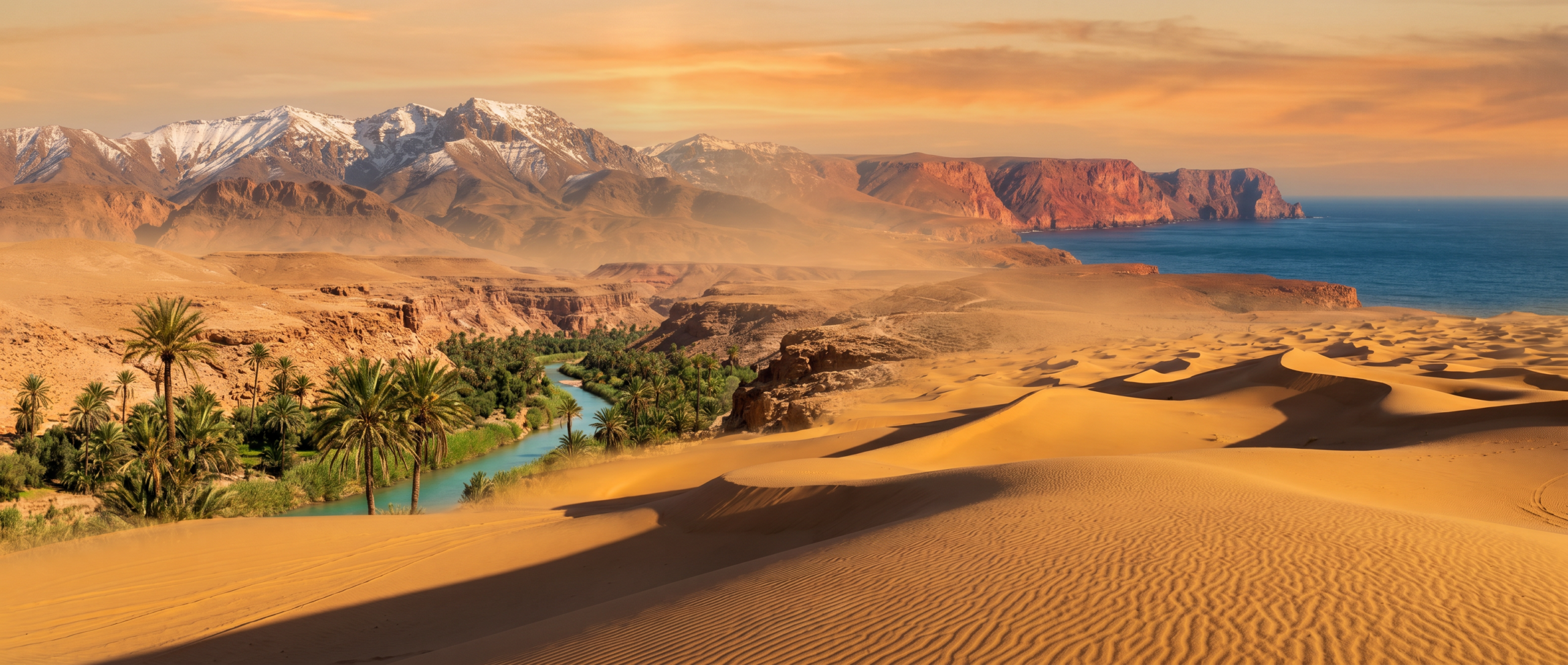
Morocco landscapes are a masterclass in natural variety. Within one country you can trek snow-kissed summits, cross oceans of sand, swim in palm-fringed pools, and stand before roaring waterfalls—sometimes all in the same week. Few destinations on Earth compress this much geological drama into such a compact geography, which is precisely why nature travel in Morocco rewards every type of explorer. For a broader look at regions and route ideas, see our Morocco natural wonders overview.
Mountains: The Backbone of the Nation
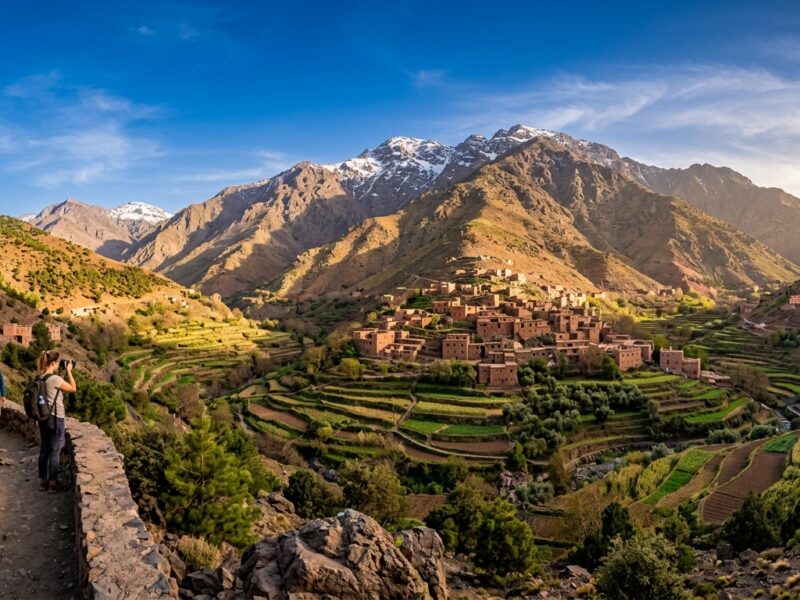
The High, Middle, and Anti-Atlas ranges carve dramatic valleys and high plateaus across the country’s interior. Villages cling to steep slopes, eagles glide over cedar forests, and alpine meadows bloom with wildflowers in summer. These terrain features offer trails ranging from gentle day walks to serious multi-day treks. Whether you’re a casual hiker or an experienced mountaineer eyeing Mount Toubkal—North Africa’s highest peak at 4,167 metres—the Atlas delivers. For routes and safety tips, check our Atlas Mountains trekking guide.
Deserts: Where Sand Meets Sky
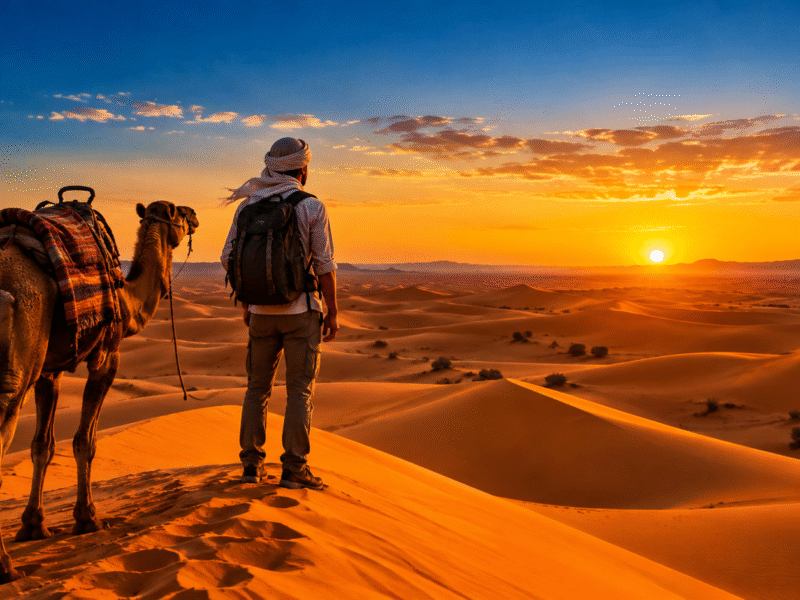
In the southeast, the Sahara unfurls into dune seas, stony hamada, and dry lake beds. Sunrise paints Erg Chebbi gold; nights reveal brilliant constellations undimmed by light pollution. With certified guides, camel caravans, and 4×4 access, the desert is both humbling and surprisingly alive—fennec foxes, scarab beetles, and desert hedgehogs all call these arid expanses home. This iconic Morocco scenery belongs on every explorer’s bucket list.
Coastlines: Atlantic Meets Mediterranean
More than 2,000 kilometres of shoreline mix surf beaches, sea cliffs, lagoons, and fishing towns. The Atlantic coast delivers powerful swells for surfers—particularly around Taghazout—while the Mediterranean offers tranquil coves sheltered from the wind. If you’re basing yourself near Agadir, a Taghazout surf lesson is a fun, active way to experience the best nature Morocco offers by the sea. Explore more coastal destinations in our Best Beaches in Morocco guide.
Forests: Green Havens
Cedar, oak, and cork forests shelter Barbary macaques and endemic flora, regulate water supplies, and protect soils across the Middle Atlas and Rif regions. Trails weave past springs, viewpoints, and shaded picnic spots—perfect for cooler summer escapes when the desert and plains bake under the sun. These lush areas offer a stunning contrast to the arid terrain found elsewhere in the country.
💡 Planning your route? — Morocco’s compact geography means you can combine mountains, desert, and coast in a single 7–10 day itinerary. Start in our destinations hub to map out your ideal journey.
Powered by GetYourGuide
The 15 Natural Wonders You Must Experience
1) Sahara Desert: Erg Chebbi & Erg Chigaga
Morocco’s most iconic natural wonder needs no introduction—but it still takes your breath away in person. Watch the Erg Chebbi dunes glow from pale gold to deep amber as the sun arcs overhead, then fall utterly silent under a sky strewn with stars. The dunes here reach 150 metres, creating sweeping curves that shift shape with every wind. For planning your desert journey, use our Sahara Desert tours guide.
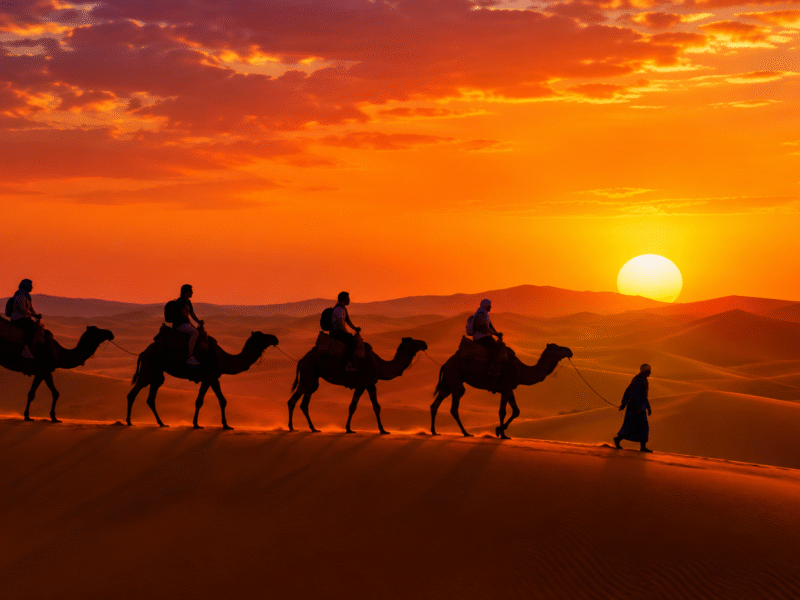
Starting from Marrakech? Consider a shared 3-day Marrakech–Merzouga tour that covers the Dades and Todra gorges en route. Already in Merzouga? Book an overnight camel trek over Erg Chebbi for the full Saharan immersion—dinner under the stars, Berber drumming around the fire, and sunrise from the dune crest.
New moon periods offer the darkest skies. Time your desert visit accordingly and bring a star chart app—the Milky Way is vivid enough to cast shadows on the sand.
Powered by GetYourGuide
2) Atlas Mountains: North Africa’s Rooftop
Snow-dusted in winter and flower-carpeted in June, the High Atlas offers everything from day hikes through Berber villages to serious summit pushes on Mount Toubkal. These magnificent ranges feature in many itineraries showcasing the best nature Morocco has to offer, and the cultural dimension—sharing mint tea with families in stone-built villages—adds depth that pure wilderness can’t match.
Pair your trip with a 2-day High Atlas trek through remote Berber settlements, or start with a gentler Atlas Mountains and waterfall day tour from Marrakech. Preview routes and gear advice in our Atlas trekking guide.
💡 Altitude matters — Above 3,000 metres, acclimatisation becomes important. Spend at least one night at a refuge before pushing for the summit, and carry plenty of water even in cool weather.
3) Todra & Dades Gorges: Nature’s Sculptures
Todra’s sheer limestone walls rise 300 metres and glow pink-orange at sunrise, creating a canyon barely 10 metres wide at its narrowest point. It’s a rock climber’s paradise and a photographer’s dream. A short drive west, the Dades Gorge reveals winding canyons, switchback roads carved into cliff faces, and the surreal “Monkey Fingers” rock formations—pillars of eroded stone that look like giant hands reaching skyward.
Multi-day Sahara routes often include both gorges—see our Sahara tours guide for itineraries that link valleys, gorges, and dunes into a single unforgettable road trip. These dramatic canyons showcase some of Morocco’s most impressive geological features.
4) Ouzoud Waterfalls: Morocco’s Niagara
A 110-metre cascade splashing into emerald pools, ringed by red cliffs and olive groves where Barbary macaques swing through the branches—Ouzoud is the most spectacular waterfall in North Africa. Rainbow mist hangs in the air on sunny mornings, and you can take a small boat right to the base of the falls for a drenching perspective.
Plan your visit with our detailed Ouzoud Waterfalls guide, or skip the logistics entirely with a guided Ouzoud hike and boat trip from Marrakech that includes transport, lunch, and a knowledgeable local guide.
Powered by GetYourGuide
5) Paradise Valley: Hidden Oasis
Just inland from Agadir, a palm-lined canyon reveals turquoise pools, short scrambles over smooth boulders, and cliff-jumping spots that range from gentle to heart-pounding. This verdant oasis exemplifies the unexpected natural treasures tucked within seemingly arid surroundings—you’d never guess this lush gorge existed from the dry hillsides above.
Bring water shoes and leave no trace—this fragile valley thrives when travellers respect it. The pools are deepest after winter rains (February–April), though the canyon is beautiful year-round. For more unexpected discoveries like this, browse our Hidden Gems of Morocco guide.
6) Merzouga: Gateway to the Desert
At the foot of Erg Chebbi, the small town of Merzouga is your launchpad for camel caravans, sandboarding, 4×4 adventures, and sublime stargazing. It serves as the perfect base for exploring the Sahara’s mesmerising dune sea, with a range of accommodation from simple auberges to luxury desert camps with heated pools.
For a classic night under the stars, book an overnight camel trek. For the full three-day experience from Marrakech—crossing the Tizi n’Tichka pass and stopping at Aït Benhaddou along the way—explore our Sahara tours guide.
Visit the seasonal Dayet Srji lake on Merzouga’s outskirts between February and April. After wet winters, flamingos gather here—a surreal sight with Sahara dunes as the backdrop.
7) Legzira Beach: Atlantic Drama
World-famous red stone arches carved by Atlantic waves and wind set a cinematic stage for sunset walks along this stretch of coast south of Sidi Ifni. While one of the original arches collapsed in 2016, the remaining formation and the soaring cliffs on either side remain among the most photogenic vistas on Morocco’s Atlantic shore.
Time your visit for low tide to walk beneath the arch and explore sea caves. If you’re exploring more coastline, don’t miss our Best Beaches in Morocco guide for surf spots, calm lagoons, and hidden coves.
8) Akchour Waterfalls (Rif Mountains): Northern Gems
Near the blue-painted streets of Chefchaouen, riverside paths thread through green valleys to shimmering pools and cascades in the Talassemtane National Park. The trail splits: a shorter route leads to the Small Cascade (about 45 minutes), while the longer path reaches the Grand Cascade (roughly 3 hours round trip) and the spectacular natural bridge known as God’s Bridge.
Early starts help you beat both the crowds and the midday heat. These refreshing sites offer a completely different perspective on Morocco’s natural diversity—lush, green, and almost Mediterranean in character. Discover more hidden spots in our Hidden Gems of Morocco guide.
Powered by GetYourGuide
9) Erg Chigaga Dunes: Wild Desert Experience
If Erg Chebbi is the Sahara’s showpiece, Erg Chigaga is its wild, untamed sibling. Remote and rugged, these pristine dunes reward adventurous travellers with profound silence and a near-total absence of other visitors. The dune field stretches 40 kilometres and reaches heights of 300 metres—larger and emptier than Erg Chebbi.
Expect longer 4×4 approaches (usually from M’hamid El Ghizlane) and simple, starlit bivouacs guided by desert nomads who know every contour of the sand. This is the place to feel the Sahara’s immensity without any filter. For budget planning, see our Morocco Travel Cost Guide.
10) God’s Bridge: Natural Architecture
A stunning natural stone arch spanning a deep gorge in the Rif Mountains, God’s Bridge (Pont de Dieu) is one of Morocco’s most dramatic geological formations. The bridge sits along the trail from Akchour, where the river has carved through limestone over millennia to create this jaw-dropping span.
Trails are unmarked in places; go with a local guide for safe access and the best viewpoints. Experience more of Morocco’s authentic rural environments with our Rural Morocco Authentic Experiences guide.
11) Tafraoute Painted Rocks: Surreal Artscape
Vast boulders splashed with vivid blues, reds, and purples sit amid pink granite mountains of the Anti-Atlas. These are the Painted Rocks—an outdoor art installation created by Belgian artist Jean Vérame in 1984 that has become part of the landscape itself. Nearby, almond groves bloom spectacularly in late winter (February–March), transforming the valley into clouds of white and pink.
This unique blend of art and natural beauty creates one of the most unusual landscapes in the country—a place where you can hike between colossal painted boulders with nothing but birdsong for company. Learn about local cultural experiences in our Moroccan Cultural Experiences guide.
12) Ouarzazate Region & Fint Oasis: Desert Backroads
Beyond the famous film studios, the Ouarzazate region reveals hidden valleys and fossil-studded plateaus that give the landscape a primeval feel. The palm-shaded Fint Oasis—just 15 kilometres south of town—showcases ingenious centuries-old water channels (khettaras) and age-old farming practices that sustain life in an arid environment.
From Marrakech, a popular way to explore is an Aït Benhaddou & Ouarzazate day trip. The drive crosses the dramatic Tizi n’Tichka mountain pass—itself one of the great scenic roads of North Africa.
Powered by GetYourGuide
13) Dades Valley Hidden Trails: Secret Viewpoints
Local guides can lead you to terraces and ledges with jaw-dropping panoramic views far from the road—especially around the Valley of Roses during the fragrant May harvest, when the air is thick with damask rose perfume and every village celebrates with a festival. These hidden paths reveal captivating vistas tucked away from mainstream tourism.
The Dades Valley is also a prime example of how Morocco’s rural communities maintain landscapes that look unchanged for centuries. For quieter, offbeat ideas throughout the country, browse our Hidden Gems of Morocco.
14) Natural Caves & Rock Formations: Underground Treasures
Morocco’s limestone belts hide deep cave systems that offer a completely different perspective on the country’s geological history. The Friouato Caves near Taza plunge 270 metres underground through vast chambers of stalactites and stalagmites. On the coast near Tangier, the legendary Caves of Hercules frame the Atlantic through an opening shaped like the African continent.
Expect bat roosts, mineral formations, and tight passages in deeper systems—always go with specialists and proper gear. These subterranean features remind us that Morocco’s natural wonders extend far beneath the surface.
15) Unique Flora & Fauna: Endemic Treasures
From argan forests found nowhere else on Earth to ancient cedar groves sheltering troops of Barbary macaques, Morocco harbours remarkable biodiversity. The country is a critical habitat for the northern bald ibis—one of the world’s most endangered birds—with breeding colonies along the coast near Agadir and in the Souss-Massa National Park.
Wildlife enthusiasts will find these ecological hotspots essential. The biodiversity found across Morocco’s varied terrains—from Mediterranean forests to Saharan oases—represents some of the best nature Morocco has to protect. Visit respectfully, observe from a distance, and consider hiring specialist bird or wildlife guides to minimise disturbance.
🌿 Conservation note: — Morocco’s argan tree forests were designated a UNESCO Biosphere Reserve. Purchasing authentic argan oil from women’s cooperatives directly supports the communities protecting these unique ecosystems.
Tips for Nature Travel in Morocco
Best Times to Visit Natural Attractions
Match your season to your setting for the best experience of Morocco’s natural wonders:
- Desert (Oct–Nov; Mar–Apr): Pleasant days around 25°C, cool nights perfect for campfire evenings. Avoid peak summer when dune surfaces exceed 70°C.
- Mountains (May–Sep): Snow-free passes, wildflower meadows at altitude, but watch for afternoon thunderstorms above 3,000 metres.
- Coast (Jun–Sep): Warm water temperatures and reliable surf. Spring and autumn bring bigger swells and fewer crowds to Atlantic beach destinations.
- Waterfalls (Feb–May): Winter rains feed cascades at Ouzoud, Akchour, and Paradise Valley, making pools deepest and flow most dramatic.
Travel Responsibly Through Natural Areas
- Minimise impact: Stay on marked trails, pack out all waste, and avoid removing rocks, plants, or fossils from protected environments.
- Wildlife etiquette: Observe from afar; never feed Barbary macaques or birds; keep noise low near nesting sites during your explorations.
- Support locals: Choose community-run guesthouses and guides, buy crafts made with sustainable materials, and spend in the villages that protect these natural treasures.
Carry a reusable water bottle and purification tablets. Many desert camps now offer filtered water refills. A single multi-day trek can save 15+ plastic bottles if every traveller comes prepared.
Practical Advice for Wilderness Adventures
Transport: For remoter valleys and desert pistes, a self-drive 4×4 is ideal—see our Renting a Car in Morocco guide. Compare local providers via Localrent or global options on QEEQ.
Guides: Certified guides elevate safety and storytelling, especially in the High Atlas, gorges, and caves. From Marrakech, the Atlas Mountains & Berber villages tour is a popular guided introduction to Morocco’s mountain landscapes.
Packing checklist:
- High-SPF sunscreen and a wide-brimmed hat
- UV sunglasses and broken-in hiking shoes
- Layers including a warm night layer for desert camps
- Reusable water bottles and purification tablets
- Small first-aid kit and headlamp for camps and caves
- Scarf or buff for sand protection in the Sahara
Connectivity: Coverage thins quickly in remote areas. An Airalo eSIM keeps maps and messages live in most towns. Always tell someone your plan and download offline maps before heading to remote locations.
Where to stay: For accommodations near Morocco’s most beautiful natural destinations, explore our curated Morocco hotels hub.
Stay healthy: Read our Health Tips for Morocco Travel for advice on sun safety, water quality, and managing altitude in mountainous areas.
📌 Planning note: Book guided desert tours and mountain treks at least 2–3 weeks in advance during peak season (October–November and March–April). Popular camps and guides fill up fast—especially for Erg Chebbi overnight treks.
Powered by GetYourGuide
Conclusion: Embracing Morocco’s Natural Treasures
Morocco’s natural diversity is astonishing: dune oceans, alpine ridgelines, limestone caverns, and wave-crashed cliffs—all woven into a single, compact country. Whether you seek desert silence beneath a billion stars, the summit thrill of North Africa’s highest peak, or the cool mist of a hidden waterfall, these 15 natural wonders deliver experiences that linger long after you return home. The remarkable Morocco landscapes you’ll encounter showcase exactly why this corner of North Africa offers some of the most memorable outdoor experiences on Earth.
Protect what you came to see. Choose responsible operators, respect wildlife, and spend locally so communities benefit from conservation. Your conscious travel choices help preserve these treasures for future visitors. When you’re ready to map it all out, browse our Morocco destinations guide and plan a route matching your time, interests, and the seasons.
Reserve Your Spot
Book Your Morocco Nature Adventure
From Sahara camel treks to Atlas Mountain hikes and waterfall excursions — find the perfect outdoor experience. Instant confirmation, free cancellation on most tours.
Frequently Asked Questions
Everything you need to know before exploring Morocco’s natural wonders
✦ Your Morocco Journey Starts Here
Step Into Morocco’s Wild Beauty
From gold-lit Sahara dunes to emerald waterfall pools, Morocco’s natural wonders create the kind of memories that reshape how you see the world. These landscapes have been waiting millennia—and your adventure is just one click away.