Are Morocco Beaches Swimmable? A Complete Guide for Safe Swimming
Morocco’s 1,800 km of coastline spans two entirely different worlds — the powerful Atlantic and the calm Mediterranean. Whether you’re planning a family paddle or a solo ocean dip, knowing which coast to choose, when to go, and what dangers to watch for is the difference between a dream swim and a dangerous one.
The question are Morocco beaches swimmable is one of the most searched queries by visitors planning a coastal trip — and the answer isn’t a simple yes or no. It depends entirely on which coastline you choose, the season, and your swimming ability. This guide breaks down the two distinct coastlines (Atlantic vs. Mediterranean), month-by-month water temperatures, key safety factors, and specific beach recommendations so you can confidently plan a safe and enjoyable Morocco beach swimming experience.
From calm lagoons perfect for paddling to powerful surf breaks that are better left to experts, Morocco’s beaches offer something for everyone — if you know where to look. Let’s dive in.
✦ Key Takeaways
The Mediterranean coast (Saidia, Al Hoceima, Martil) is calmer, warmer, and generally safer for swimming than the Atlantic.
June to September is peak swimming season — the best time for guaranteed swimmable conditions on both coasts.
Rip currents are a serious risk on the Atlantic coast — always swim at lifeguarded beaches and never swim alone.
Oualidia Lagoon is the safest swimming spot on the Atlantic — a calm, protected lagoon ideal for families and beginners.
Avoid city beaches near Casablanca due to pollution and strong currents — choose rural or resort beaches instead.
Understanding the Two Coastlines – Atlantic vs. Mediterranean
Morocco’s coastline touches both the Atlantic Ocean and the Mediterranean Sea. The Morocco sea beach experience is drastically different on each side, and picking the wrong coast could turn your dream swim into a chilly, choppy struggle.
The Atlantic Coast (Casablanca, Taghazout, Essaouira, Agadir)
The Atlantic side features powerful waves, strong currents, and cooler water. The Canary Current keeps Atlantic water mild year-round, even in summer. This coast is often better for surfing than swimming, and you can book a beginner surf lesson through GetYourGuide right in Taghazout.
Specific risks include:
- Rip currents are common. Even if the shore looks calm, rip tides can pull you out to sea.
- Pollution issues near Casablanca — some urban beaches have poor water quality.
- Strong winds that create choppy water, especially in Essaouira and Taghazout.
When choosing a Morocco sea beach, the Atlantic offers dramatic scenery but requires caution. This coast is best for confident swimmers and surfers, not casual paddlers.
The Mediterranean Coast (Tangier, Al Hoceima, Saidia, Martil)
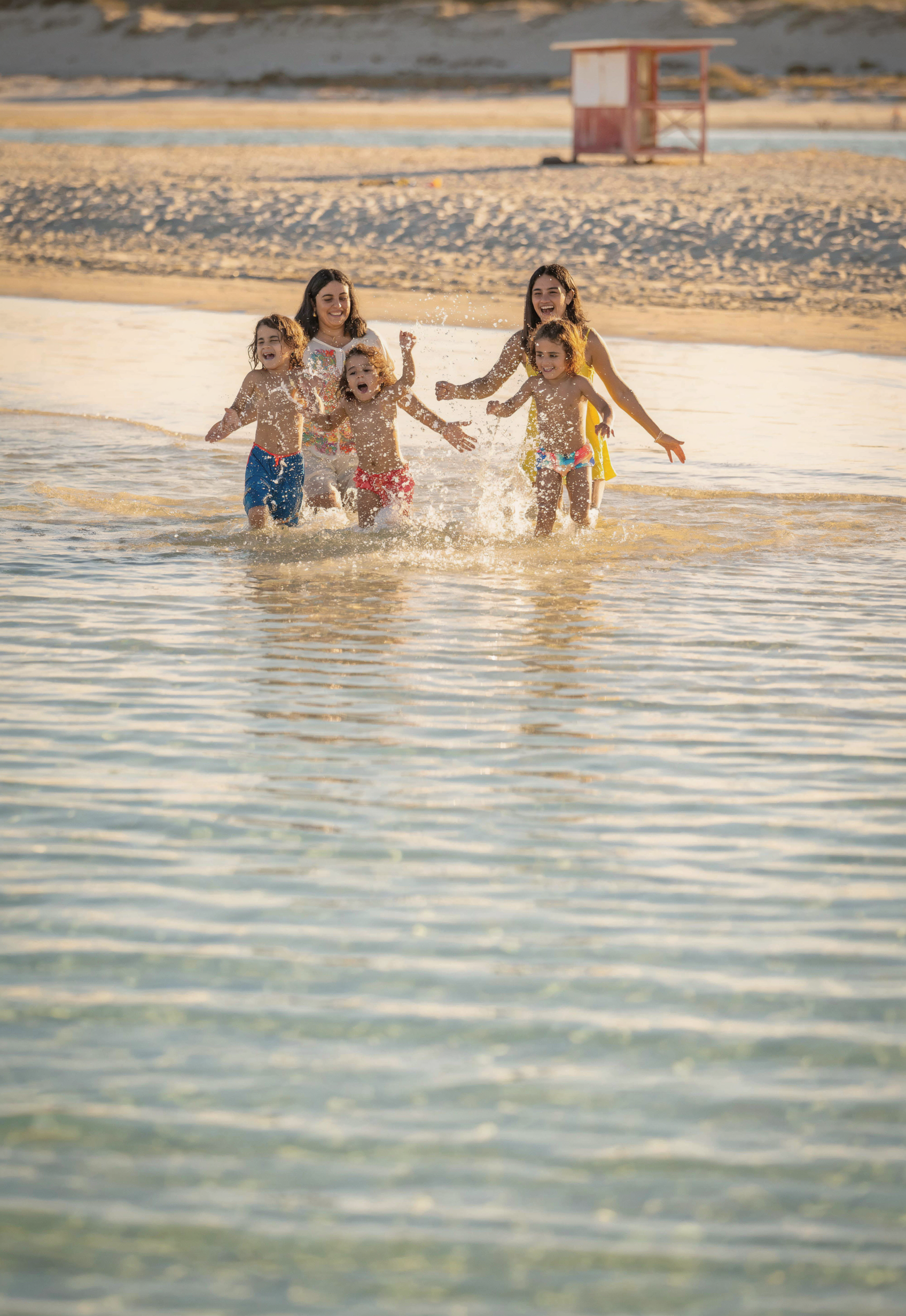
The Mediterranean side is calmer, warmer, and generally safer for families. As travelers frequently note, the Mediterranean is significantly calmer than the Atlantic. Travel forums confirm these beaches are better for kids who can’t swim well.
Highlights include:
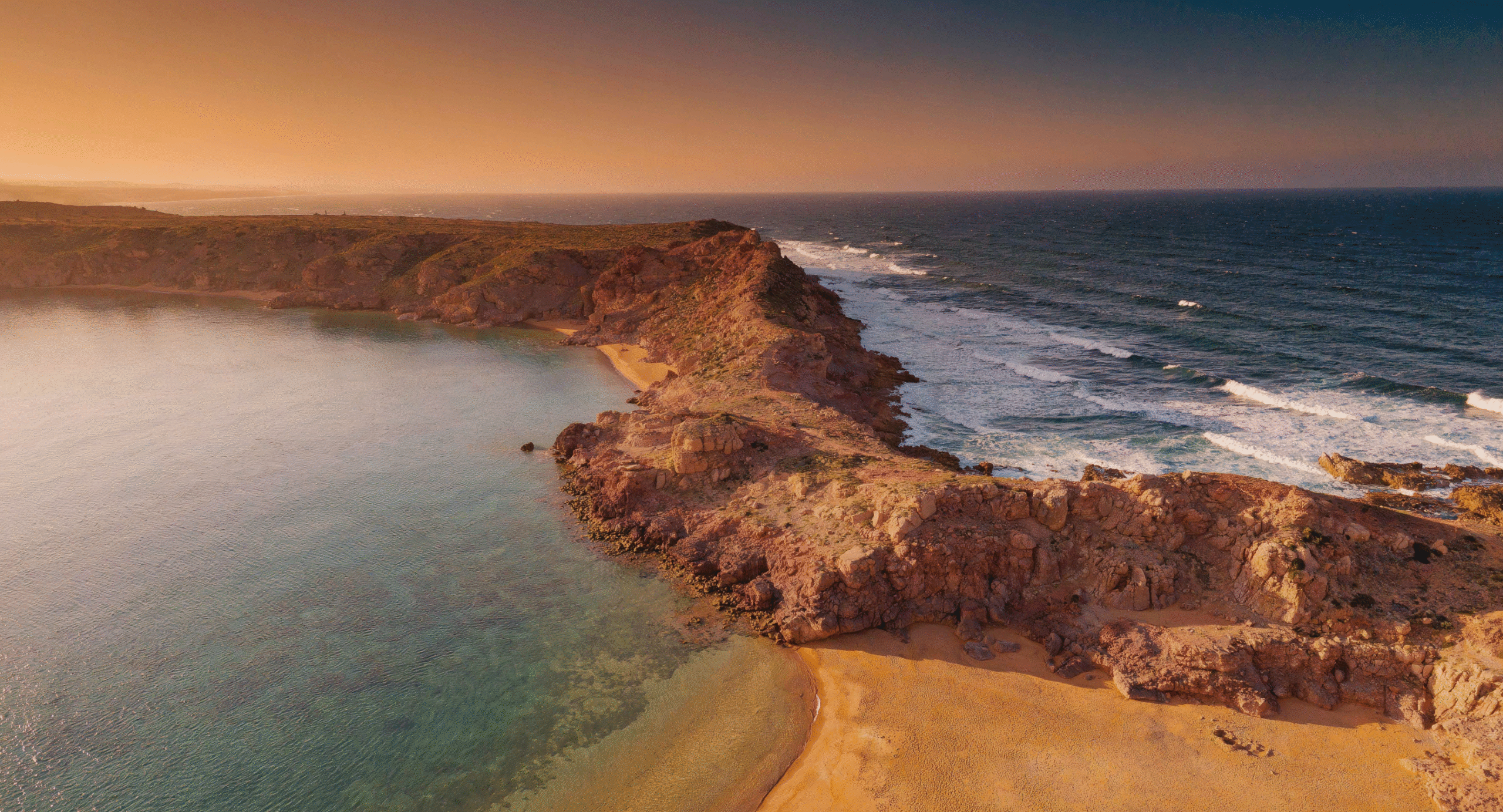
- Al Hoceima’s “Las Cuevas” beach — crystal-clear waters, tucked into dramatic cliffs.
- Saidia’s long sandy strip — warm water ideal for swimming.
- Martil — easy access from Tangier, family-friendly.
💡 Temperature matters more than you think. Mediterranean water averages 24°C in summer, while the Atlantic sits at 21–22°C. That few degrees makes a significant difference in comfort, especially for children and less experienced swimmers.
Key Safety Factors for Morocco Beach Swimming
Safety is the most important factor in answering whether Morocco beaches are swimmable. Here’s what you need to know before getting in the water.
Rip Currents and Tides
Rip currents are fast-moving channels of water that can pull swimmers out to sea. The Red Cross advises swimming only in lifeguarded areas and never swimming alone. The U.S. Embassy’s beach safety guidelines add: do not swim at night and avoid alcohol before swimming.
Even if water looks calm near shore, rip tides can exist just below the surface. The Atlantic coast has far more rip currents than the Mediterranean.
Look for choppy, discolored water or a visible break in wave patterns. That’s where rip currents often form. If caught in one, swim parallel to shore — never fight against it.
Lifeguard Presence
During peak summer (June to September), many popular beaches have lifeguards. Oualidia lagoon, for example, has lifeguards and beachfront cafés. But remote beaches do not. For a broader overview of staying safe, consult our complete Morocco safety travel guide before your trip.
Water Quality and Pollution
Some beaches near Casablanca are polluted with urban runoff. Avoid swimming in these areas. Instead, choose rural or resort beaches like Al Hoceima, Saidia, or Oualidia for cleaner water. For detailed health information, review water quality reports from the World Health Organization.
Good news: saltwater swimming does not pose schistosomiasis risk. But avoid stagnant freshwater lagoons.
📌 Top safety tips for Morocco beach swimming: Swim at lifeguarded beaches, never swim alone, check local conditions daily, and avoid city beaches near Casablanca.
Morocco Beach Water Temperature – Month-by-Month Guide
Water temperature directly impacts both comfort and safety. Here’s what you can expect on each coast throughout the year.
Winter (December–February)
Atlantic: 16–18°C — too cold for most swimmers without a wetsuit.
Mediterranean: 15–17°C — also cold. Rough seas and strong winds make swimming unpleasant. Not recommended for casual swimming.
Spring (March–May)
March–April: Still cool at 17–19°C. The water hasn’t warmed up yet.
By May: Conditions improve significantly. May becomes comfortable, especially on the Mediterranean. The Atlantic remains brisk but manageable for strong swimmers.
Summer (June–September)
This is peak swimming season — and the period that answers most travelers’ questions about whether Morocco beaches are swimmable.
Mediterranean: 23–26°C — travelers consistently describe it as “awesome beach with warm water.”
Atlantic: 20–22°C — refreshing but tolerable. July and August are the best months for Morocco beach water temperature.
Autumn (October–November)
October: Mediterranean remains pleasant at 22–24°C longer than the Atlantic (19–21°C).
November: Cooling fast. Both coasts drop to 18–20°C. Swimming becomes less comfortable for most visitors.
Best Time to Visit Morocco Beach for a Safe Swim
This section compares seasons and trade-offs to help you pick the ideal travel window for swimming.
The Optimal Window – June to September
This is the best time to visit Morocco beach for guaranteed swimmable conditions. You get the warmest water, calmest seas (especially on the Mediterranean), and lifeguards present. Perfect for families and casual swimmers, and a great addition to any itinerary of the best places to visit in Morocco with kids.
Note: August can be crowded. Beaches are free but popular. Book accommodations well in advance during peak summer.
Shoulder Seasons – May and October
May: Fewer crowds. Mediterranean water is already pleasant at 22°C. The Atlantic remains cool but manageable. Conditions become comfortable for swimming by mid-May.
October: Mediterranean stays swim-friendly. The Atlantic cools down. Good for travelers who want quieter beaches without the summer rush.
Spring and autumn are windier on the Atlantic coast. Essaouira’s strong Alizee wind can make swimming difficult or impossible even when temperatures are comfortable.
Winter and Early Spring (November–April)
Not ideal for swimming. Better for surfing or sightseeing. Some hardy locals swim year-round with wetsuits, but most tourists will find it too cold and too rough.
How Morocco Beach Weather Impacts Swimming Conditions
Morocco beach weather — wind, fog, and sun exposure — can make or break a swimming day. Understanding these factors helps you plan smarter.
Wind Patterns (Alizee Wind)
The Atlantic coast, especially Essaouira, experiences strong trade winds (Alizee) from May to September. This creates choppy water, making swimming difficult and sometimes dangerous — but it’s an ideal setting to join a budget-friendly surf lesson with hot showers. Experienced surfers consider these winds a feature, not a bug.
The Mediterranean coast is much calmer, with lighter breezes. Checking Morocco beach weather forecasts is essential before heading to any Atlantic beach.
Fog and Visibility
Coastal fog is common on the Atlantic in the morning, especially near Casablanca. It reduces visibility and makes water conditions harder to assess. Wait until midday for the clearest conditions.
Sun Exposure and Heat
Morocco’s sun is intense. Even on cooler days, UV levels are strong. Always wear reef-safe sunscreen and stay hydrated. The UV index can burn you quickly, even when clouds seem to provide cover.
Top 5 Swimmable Beaches for Tourists – A Comparison
Here is a comparison of the best beaches in Morocco for swimming, based on safety, water temperature, facilities, and family-friendliness.
1. Oualidia Lagoon (Atlantic)
- Description: Calm, protected lagoon perfect for safe swimming and kayaking.
- Water temp: 18–22°C seasonal.
- Best for: Families with young children.
- Why it stands out: Oualidia offers the safest swimming option for beginners on the entire Atlantic coast. Lifeguards and beachfront cafés provide a comfortable environment.
Once you’re done swimming, you can experience a traditional Berber cooking class with a guided hike from nearby Agadir.
2. Saidia (Mediterranean)
- Description: Long sandy beach with warm water and lifeguards in summer.
- Water temp: 23–26°C.
- Best for: Resort swimming and relaxation.
- Why it stands out: Travelers call it “awesome beach with warm water” — and they’re right. Saidia’s gentle waves and soft sand make it the Mediterranean’s most accessible swim beach.
3. Al Hoceima (Mediterranean)
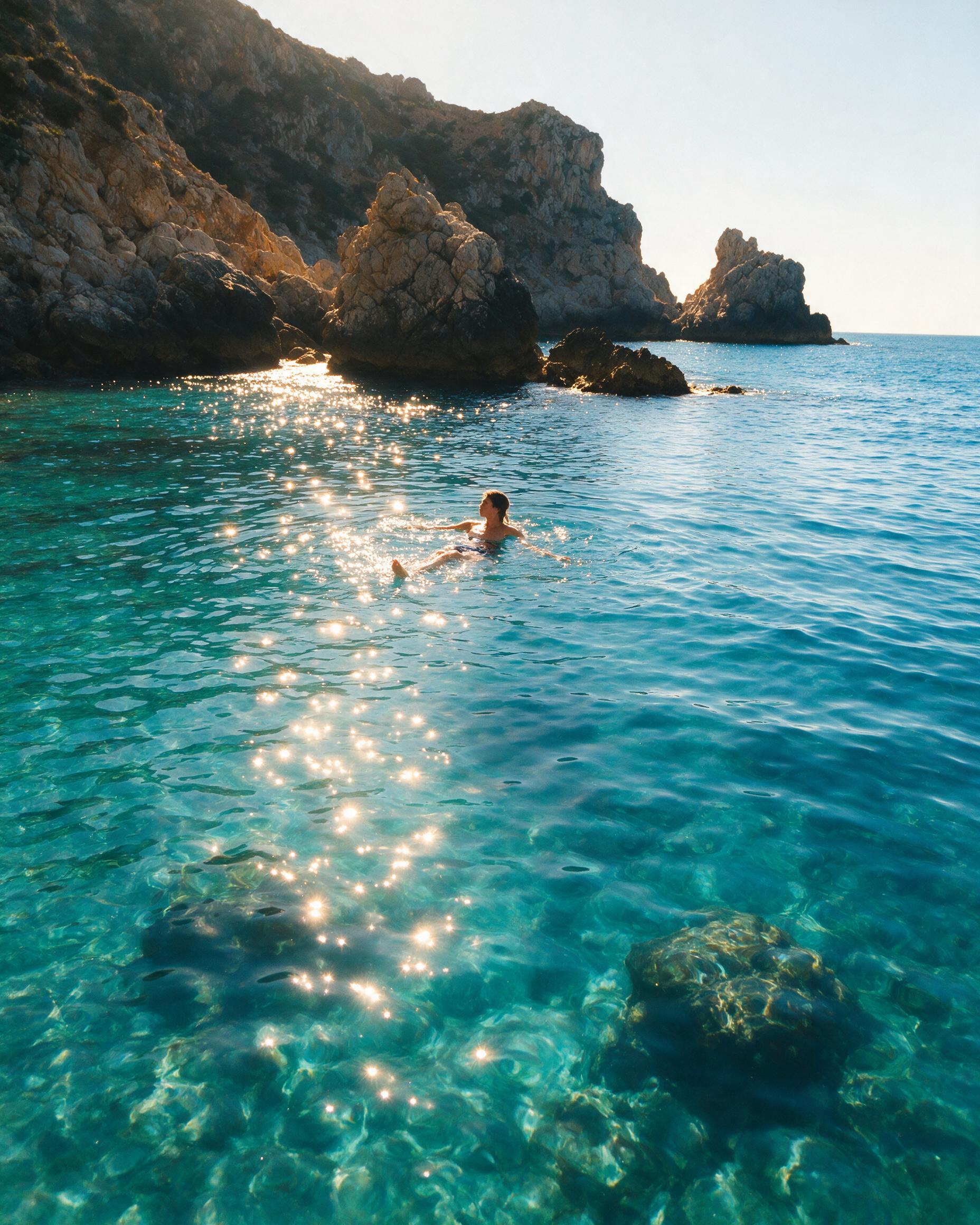
- Description: Crystal-clear waters, quieter atmosphere, dramatic coastal cliffs.
- Water temp: 24–26°C.
- Best for: Calm, uncrowded swims. Experienced travelers consistently recommend the Al Hoceima/Nador region.
For travelers seeking even more seclusion, Morocco is full of hidden beaches waiting to be explored.
4. Agadir (Atlantic)
- Description: Popular tourist beach with lifeguards and moderate waves.
- Water temp: 20–22°C.
- Best for: Travelers who want a balance of swimming and surf, with full resort infrastructure nearby.
5. Martil (Mediterranean)
- Description: Easy access from Tangier, family-friendly, warm water.
- Water temp: 23–25°C.
- Best for: A day trip from Tangier with the whole family.
⚠️ Beaches to avoid for swimming: City beaches of Casablanca (pollution, strong currents). Also avoid surf spots like Taghazout unless you’re a very strong swimmer — those spots are best enjoyed with a board, not a towel.
Reserve Your Spot
Book Your Morocco Beach Experience
Browse top-rated beach activities, surf lessons, coastal tours, and water adventures across Morocco. Instant confirmation and free cancellation on most experiences.
Frequently Asked Questions
Everything you need to know before you go
✦ Your Morocco Journey Starts Here
Dive Into Morocco’s Most Beautiful Coastline
The Mediterranean’s warm turquoise waters and the Atlantic’s dramatic surf breaks are waiting for you. With the right beach, the right season, and a little local knowledge, Morocco offers some of the most stunning swimming experiences in the world. Choose your coast, pack your sunscreen, and let the adventure begin.