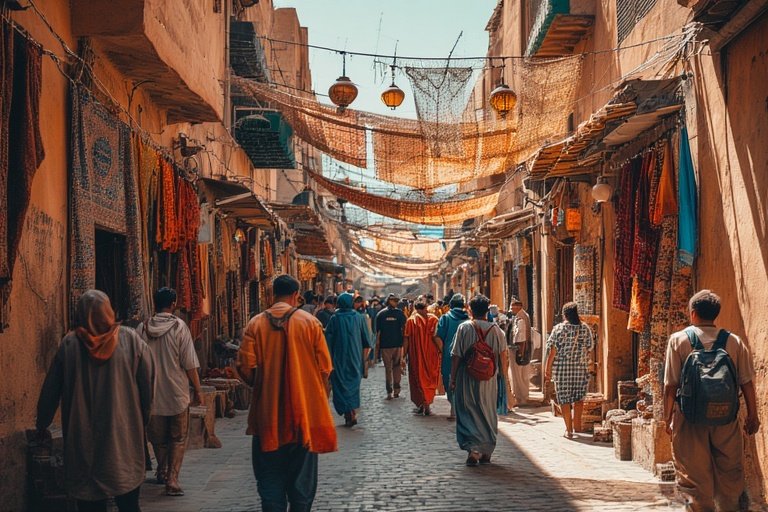
Morocco Safety Travel Guide 2026: Stay Secure While Exploring
Discover essential Morocco safety tips for 2026. Learn how to stay safe, avoid scams, and enjoy secure travel in Marrakech, Casablanca, and beyond.
Is Morocco safe to travel in 2026? It’s the question nearly every first-time visitor types into a search bar before booking flights. The short answer: yes — overwhelmingly so. With over 14 million tourists arriving annually and a government that treats visitor security as a national priority, Morocco remains one of North Africa’s safest and most rewarding destinations. But “safe” doesn’t mean “carefree.” Like any country worth exploring, Morocco rewards travelers who arrive informed, culturally aware, and prepared for its unique rhythms.
This comprehensive Morocco safety travel guide covers everything from petty crime prevention and health preparations to city-specific advice for Marrakech, Casablanca, Fez, and beyond. Whether you’re a solo female traveler, a family with young children, or a couple on a romantic getaway, you’ll find actionable guidance to make your 2026 Moroccan adventure both memorable and secure.
✦ Key Takeaways
Morocco maintains its reputation as one of North Africa’s safest tourist destinations in 2026 with expanded security infrastructure.
Petty crime like pickpocketing is the main concern — serious crimes against tourists remain extremely rare.
Proper health preparations including vaccinations and water safety are essential for a comfortable visit.
Women travelers can enjoy Morocco safely with appropriate precautions and cultural awareness.
Major cities offer excellent emergency services, tourist police units, and modern healthcare facilities.
General Safety Overview in Morocco (2026)
Morocco travel safety in 2026 continues to reflect the country’s strong commitment to protecting visitors. The kingdom’s stability — rooted in a constitutional monarchy that provides governmental continuity — sets it apart from neighboring regions and makes it one of the safest North African countries for international travelers.
The U.S. State Department maintains a Level 2 advisory for Morocco, meaning “exercise increased caution.” This rating primarily reflects broad regional considerations rather than specific threats to tourists. The UK’s Foreign, Commonwealth & Development Office similarly acknowledges petty crime risks but emphasizes Morocco’s overall safety for travelers who take reasonable precautions.
UNWTO statistics demonstrate continued growth in tourism arrivals, proving international confidence in Morocco’s security measures. This upward trend reflects the global travel community’s trust in the country’s safety standards and ongoing infrastructure improvements.
💡 Morocco’s tourism security budget has increased significantly since 2023 — expanded tourist police units now operate in Marrakech, Casablanca, Fez, Tangier, and Agadir with officers trained in English, French, and Spanish.
The Moroccan government has implemented several initiatives in 2026 to enhance visitor safety:
- Strengthened police presence in major tourist areas, historical sites, and transportation hubs
- Enhanced counter-terrorism measures and intelligence cooperation with international partners
- Improved emergency services response times in popular destinations
- Expanded tourist police units with multilingual officers across all major cities
- CCTV coverage upgrades in medinas, train stations, and popular squares
For travelers seeking authentic experiences beyond the major cities, exploring rural Morocco or discovering hidden gems off the beaten path can be done safely with proper planning and local guidance. Morocco’s political stability and welcoming culture make it a destination where preparation — not paranoia — is the key to an incredible trip.
Common Safety Concerns for Tourists
Understanding the most common safety concerns helps travelers prepare effectively. While serious crimes against tourists are rare in Morocco, certain petty crimes and scams specifically target visitors unfamiliar with local customs and pricing norms.
Petty Crime & Pickpocketing
Pickpocketing represents the most common safety concern for travelers in Morocco, especially in crowded medinas and around major attractions. Thieves often work in busy marketplaces like Marrakech’s Jemaa el-Fna square, near popular landmarks, and during festival periods when tourist concentration peaks.
Use a cross-body bag with a zip closure and keep it in front of you in crowded souks. Locals recommend avoiding phone use while walking through narrow medina alleys — it marks you as distracted and signals an expensive device.
Fake guides pose another frequent challenge. These unofficial guides approach tourists outside hotels, near landmarks, or at medina entrances, offering to lead them through souks and historical sites. While some may be genuinely helpful locals, others lead visitors to overpriced shops where they earn commissions — or worse, into confusing alleys where they demand payment to guide you back out.
Taxi & Transportation Scams
Overcharging in taxis remains a common frustration for unprepared visitors. Some drivers claim their meters are broken or quote inflated prices to tourists unfamiliar with standard rates. Licensed “petit taxis” — the small, color-coded city cars — provide safer transportation compared to unlicensed vehicles. Always insist on using the meter or negotiate a fixed price before starting your journey.
For detailed information about taxi types, pricing benchmarks, and how to use ride-hailing apps in Morocco, refer to our comprehensive taxi services Morocco guide. Train and bus systems throughout the country are generally safe and well-maintained, though travelers should keep personal belongings secured during busy periods. Our Morocco transportation guide covers all available options in detail.
📌 Ride-hailing tip: Apps like InDrive are available in major Moroccan cities and let you negotiate fares upfront — eliminating the broken-meter problem entirely.
Solo Travelers & Female Travelers
Is Morocco safe for solo female travelers? Yes — with preparation. Women traveling alone may receive unwanted attention, particularly in more traditional areas. Modest dress covering shoulders and knees, confident body language, and awareness of cultural norms significantly reduce potential issues.
For comprehensive guidance tailored specifically to women, our women traveling in Morocco safety guide provides detailed advice covering everything from dress codes to dealing with persistent vendors. Solo travelers of all genders should also consider these recommendations:
- Stay in reputable hotels, riads, or well-reviewed accommodations — check our riad guide for vetted options
- Avoid isolated streets and poorly lit areas, especially after dark
- Consider joining guided tours for desert excursions and remote area visits
- Share your daily itinerary with trusted contacts back home
- Keep digital copies of your passport and important documents in cloud storage
Health & Wellness Tips for Travelers
Morocco health tips are essential for maintaining wellness during your North African adventure. The country’s unique climate, cuisine, and environment require specific health preparations — and the good news is that a little advance planning goes a long way toward a trouble-free trip.
Food & Water Safety
Drinking bottled or properly filtered water is crucial for preventing waterborne illnesses. Tap water in Morocco may contain bacteria that local residents tolerate but can cause digestive problems for international visitors. This applies to brushing teeth, ice in drinks, and washing fruit as well.
Street food requires careful consideration. While Morocco offers incredible culinary experiences through its vibrant street food scene, avoid raw or undercooked items from vendors with questionable hygiene practices. Choose freshly cooked meals from busy stalls with high customer turnover — the crowds signal both quality and freshness.
The safest way to explore authentic Moroccan cuisine is through a guided Marrakech food tour or a traditional Moroccan cooking class — expert guides know exactly which stalls maintain the highest hygiene standards and which dishes are freshest.
Climate & Hydration Management
Morocco’s hot summers — especially in inland cities like Marrakech and desert regions near Merzouga — require constant hydration attention. Dehydration can strike quickly when temperatures exceed 40°C (104°F), which is common during June through September.
Essential climate protection includes:
- Wide-brimmed hats and UV-rated sunglasses for sun protection
- High SPF sunscreen applied frequently throughout the day, including ears and neck
- Lightweight, breathable clothing in light colors (which also aligns with modest dress expectations)
- Regular water intake even when not feeling thirsty — aim for 2–3 liters daily in summer
- Scheduling outdoor activities for early morning or late afternoon, avoiding peak midday heat
Vaccinations & Health Preparations
The CDC and WHO 2026 guidance recommends several vaccinations for Morocco travelers. Our comprehensive vaccinations for Morocco guide provides detailed information about required and recommended immunizations, including:
- Hepatitis A and Typhoid — protection against contaminated food and water
- Routine vaccines — MMR, Tdap, influenza, and polio boosters
- Rabies vaccine — recommended for travelers planning extended rural stays or animal contact
💡 Travel insurance is non-negotiable. Major cities have excellent private hospitals, but treatment costs can be substantial without coverage. Choose a policy from providers like EKTA that includes medical evacuation — you’ll receive your insurance policy by email within minutes. For comprehensive health preparation strategies, consult our detailed health tips for Morocco travel guide.
City-Specific Safety Guidance
Different Moroccan cities present unique safety considerations requiring tailored approaches. Understanding the specific dynamics of Marrakech, Casablanca, Fez, and Morocco’s coastal and mountain regions helps travelers prepare appropriately for each destination.
Marrakech Safety Considerations
Marrakech’s medina presents specific safety challenges due to its maze-like layout and concentrated tourist activity. The Jemaa el-Fna square, while spectacular, attracts pickpockets and aggressive vendors during peak evening hours when the famous food stalls open and snake charmers draw crowds.
Common Marrakech scams include:
- Unofficial guides offering “special access” to restricted areas or “shortcuts” through the medina
- Forced purchases — vendors placing items (henna tattoos, bracelets, snake props) in tourists’ hands and demanding payment
- Fake police requesting to see passports or money — real tourist police carry proper identification and never request payment
- Photography fees — people in costumes or with animals who demand money after you photograph them
The safest way to explore the city’s highlights is through a reputable Marrakech guided city tour that covers souks, palaces, and hidden gems with a licensed local guide. For relaxation, book a traditional hammam experience at a reputable establishment rather than following strangers to unknown locations.
Casablanca Safety Guidelines
Casablanca, as Morocco’s largest city and economic capital, presents urban safety challenges more similar to other major international cities. Petty crime rates can be higher than in tourist-focused Marrakech due to the city’s size and economic diversity.
Casablanca-specific precautions:
- Use official taxis or ride-hailing apps rather than accepting rides from strangers at the airport — or pre-book an airport transfer through Welcome Pickups for a stress-free arrival
- Remain especially vigilant in busy areas like central markets and the Casa-Voyageurs train station
- Avoid displaying expensive jewelry, electronics, or large amounts of cash
- Stay aware of surroundings in crowded public transportation, particularly during rush hours
Fez Safety Notes
Fez’s ancient medina — the largest car-free urban area in the world — can be disorienting for first-time visitors. The labyrinthine alleyways are part of the magic, but they also create opportunities for unofficial guides to “help” lost tourists for a fee. Consider downloading offline maps before entering and hiring an official guide through your riad or a licensed tour operator.
Coastal & Mountain Safety
Morocco’s diverse geography offers incredible experiences from pristine beaches to mountain adventures. For beach activities, strong Atlantic currents can be dangerous for inexperienced swimmers — consider safe options like professional surf lessons in Taghazout with certified instructors who know local conditions.
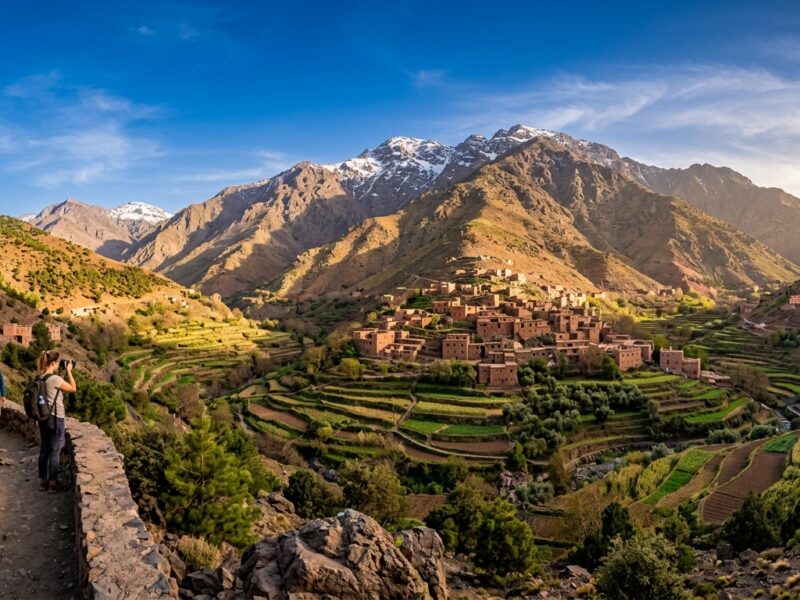
Mountain excursions in the Atlas require proper preparation, including appropriate footwear, warm layers for altitude changes, and ideally a local guide. Our Atlas Mountains trekking guide provides essential safety information for high-altitude adventures, including route difficulty ratings and seasonal considerations.
Cultural & Practical Tips for Safe Travel
Safe travel in Morocco depends heavily on cultural awareness and practical preparation. Understanding Moroccan customs, social norms, and practical systems enhances both your personal security and your overall travel enjoyment — the two go hand in hand.
Respecting Local Customs
Modest dress requirements extend beyond religious sites to general public spaces throughout Morocco. Covering shoulders and knees shows respect for local culture and significantly reduces unwanted attention, especially for female travelers. For comprehensive guidance on appropriate attire, our Moroccan dress guide provides detailed styling advice that keeps you comfortable, culturally respectful, and stylish.
Understanding Moroccan hospitality traditions — like accepting mint tea when offered and removing shoes before entering homes — and following proper etiquette ensures respectful interactions with locals. Moroccans are famously warm and generous hosts, and demonstrating cultural awareness transforms casual encounters into genuine connections.
Money & ATM Security
ATM usage requires strategic thinking. Use machines inside banks or hotel lobbies rather than standalone street ATMs to reduce card skimming risks and provide safer environments for cash transactions. Shield your PIN with your hand and be wary of anyone standing unusually close.
Essential money safety practices:
- Carry a mix of cash (Moroccan Dirhams) and cards, but never keep everything in one location
- Store wallets in front pockets or use a money belt for larger amounts
- Keep emergency cash and a backup card in your hotel or riad safe
- Notify your bank about travel plans to prevent card blocking
- Small denominations are essential — vendors in medinas often can’t (or won’t) break large notes
Staying Connected Safely
Staying connected while traveling adds a crucial layer of safety. Having reliable data means access to GPS navigation, ride-hailing apps, emergency translation tools, and the ability to contact your embassy or travel companions instantly. Consider an eSIM from Airalo or Saily — both activate before you land, so you have connectivity the moment you step off the plane.
Emergency Numbers & Contacts
Save Morocco’s emergency service numbers in your phone before arriving:
- Police: 19 (urban areas) | 177 (rural areas/Gendarmerie)
- Ambulance: 150
- Fire department: 15
- Tourist police: Available in Marrakech, Casablanca, Fez, and other major destinations with English- and French-speaking officers
📌 Planning note: Had a flight delay or cancellation getting to Morocco? Services like Compensair or AirHelp can help you claim up to €600 in compensation from airlines — it’s worth checking even after your trip.
Final Thoughts & Reassurance
Morocco safety concerns should never prevent travelers from experiencing this extraordinary country’s rich culture, history, and natural beauty. The kingdom continues to strengthen its position as one of North Africa’s safest destinations through sustained government investment in security infrastructure, tourism development, and international cooperation.
Statistics confirm that the vast majority of visits proceed without significant incidents when travelers follow the basic safety precautions outlined in this guide. Morocco’s growing tourism numbers — and its selection as host for major international events — reflect global confidence in the country’s security measures and welcoming atmosphere.
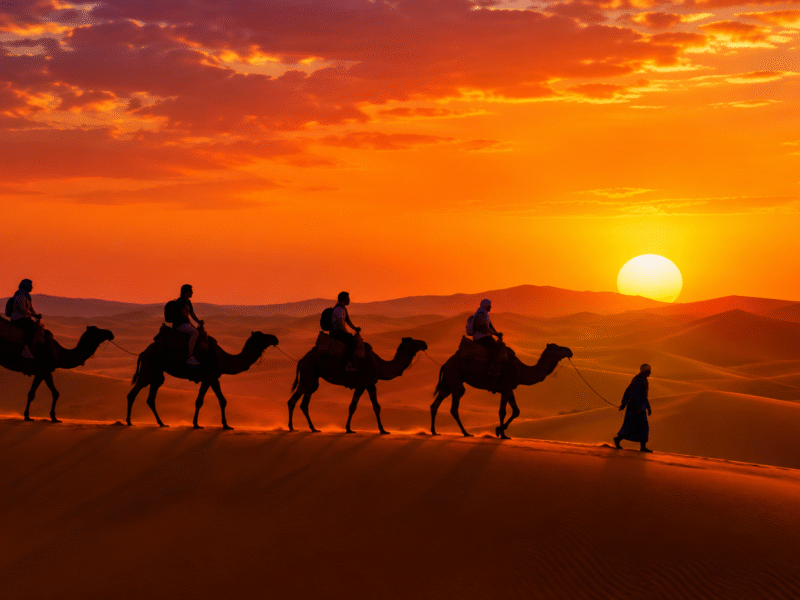
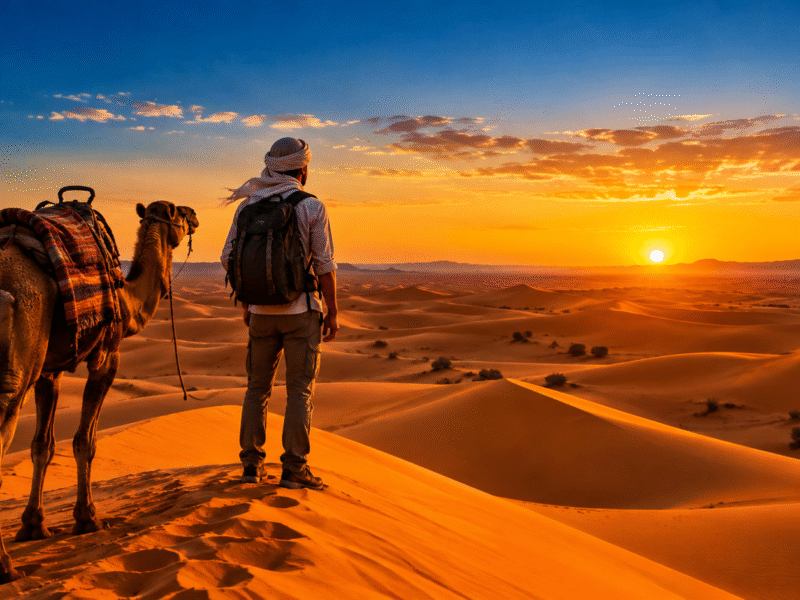
Whether you’re exploring UNESCO World Heritage sites, experiencing authentic cultural activities, embarking on a Sahara desert adventure, or simply losing yourself in the sensory overload of a Marrakech souk, proper preparation ensures safe and deeply rewarding experiences.
Essential takeaways for safe Morocco travel in 2026:
- Morocco offers a secure environment for prepared and respectful travelers
- Petty crime exists but rarely affects cautious, culturally aware visitors
- Cultural respect and awareness prevent most uncomfortable situations before they arise
- Excellent healthcare and emergency services are available in all major cities
- Government safety initiatives continue improving tourist security year over year
Visit Morocco in 2026 with confidence. Whether you choose to stay in traditional riads, modern hotels, or budget-friendly hostels, proper preparation and respectful behavior will ensure your Moroccan adventure becomes a treasured memory that lasts a lifetime.
Reserve Your Spot
Book Safe, Guided Experiences in Morocco
Travel confidently with licensed local guides. From Marrakech medina tours to Sahara desert adventures — instant confirmation and free cancellation on most experiences.
Frequently Asked Questions
Everything you need to know before you go
✦ Your Morocco Journey Starts Here
Travel Morocco Safely, Boldly, Memorably
Morocco doesn’t just welcome visitors — it embraces them. With the right preparation and a spirit of cultural respect, you’ll discover a country of extraordinary warmth, beauty, and hospitality. Your safe, unforgettable Moroccan adventure begins with one decision.