Morocco Travel Tips: Your Ultimate Guide for 2026
Morocco mixes ancient medina magic with Saharan adventures — and with the right preparation, 2026 is the perfect year to experience it all safely, affordably, and unforgettably.
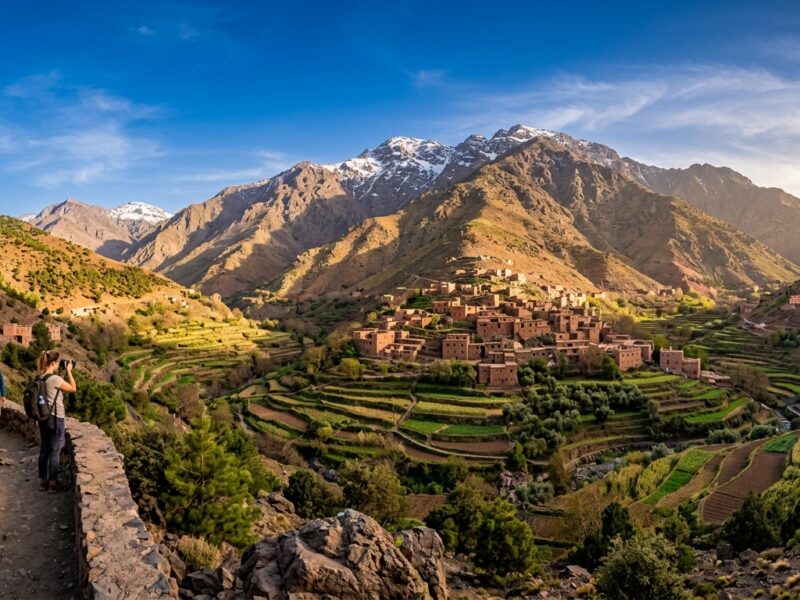
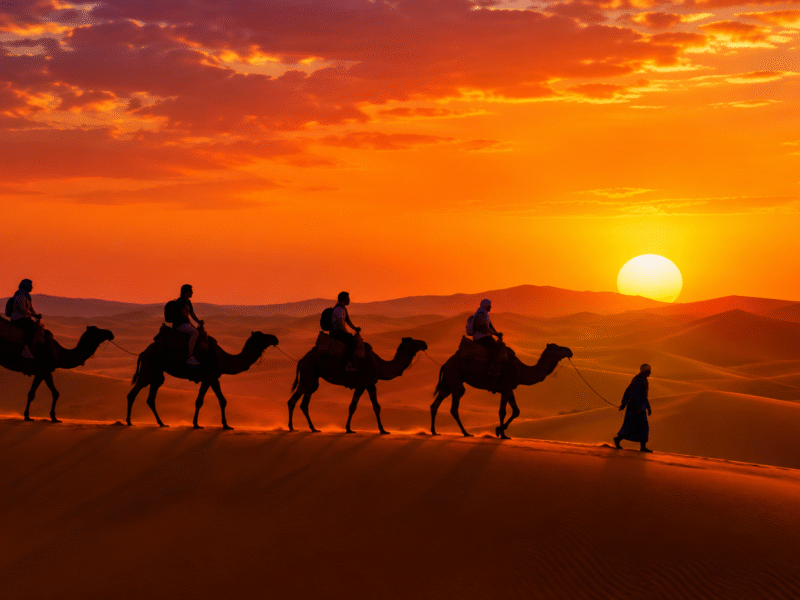
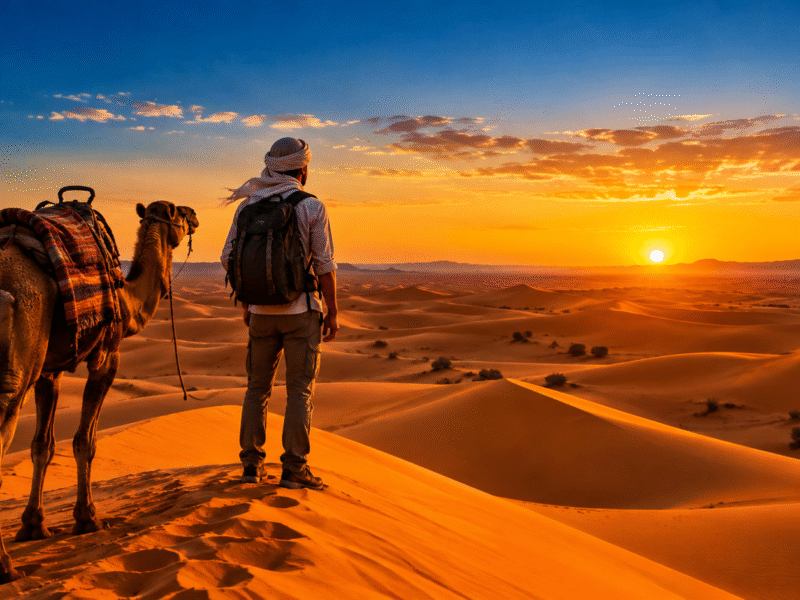
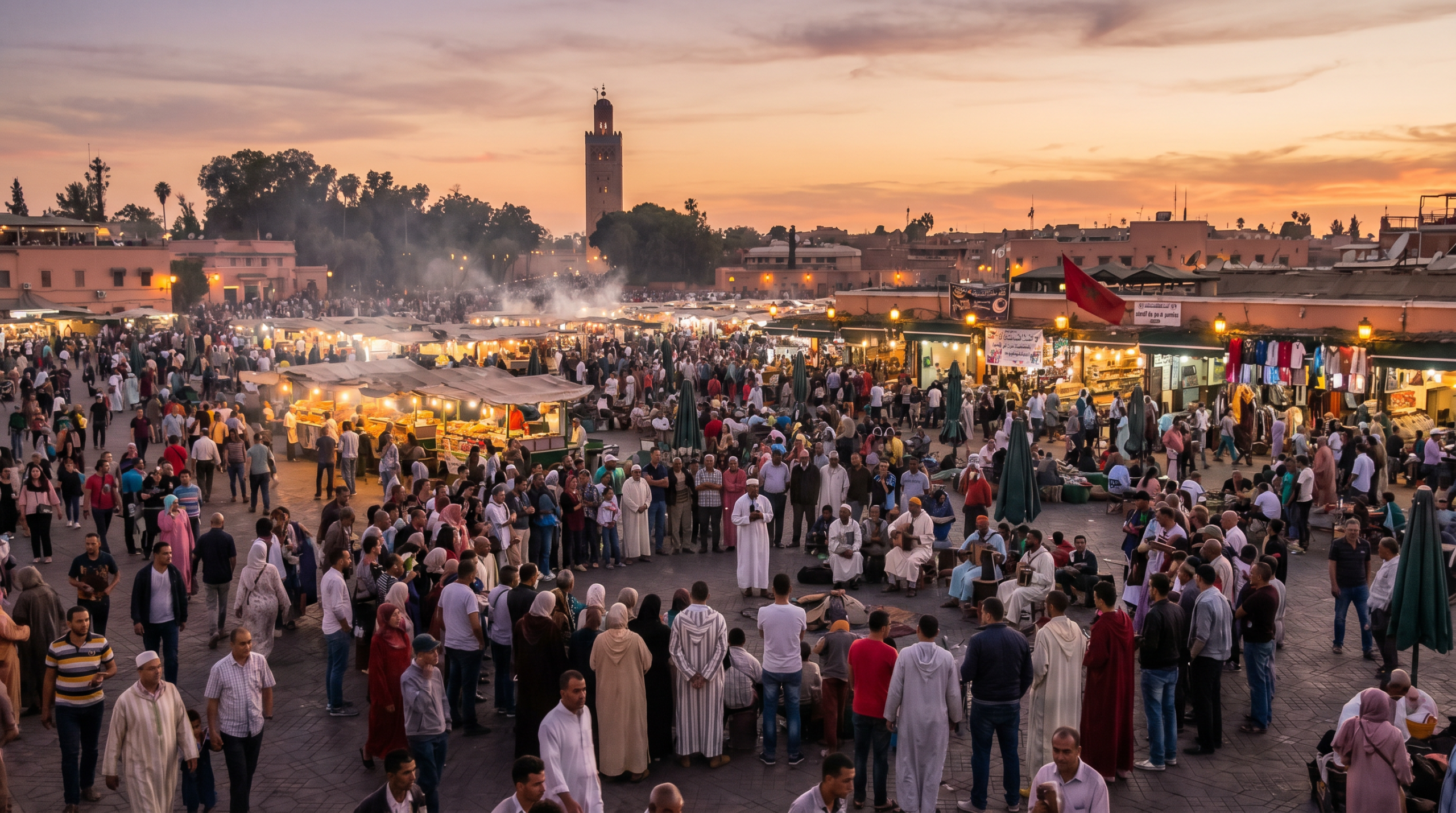
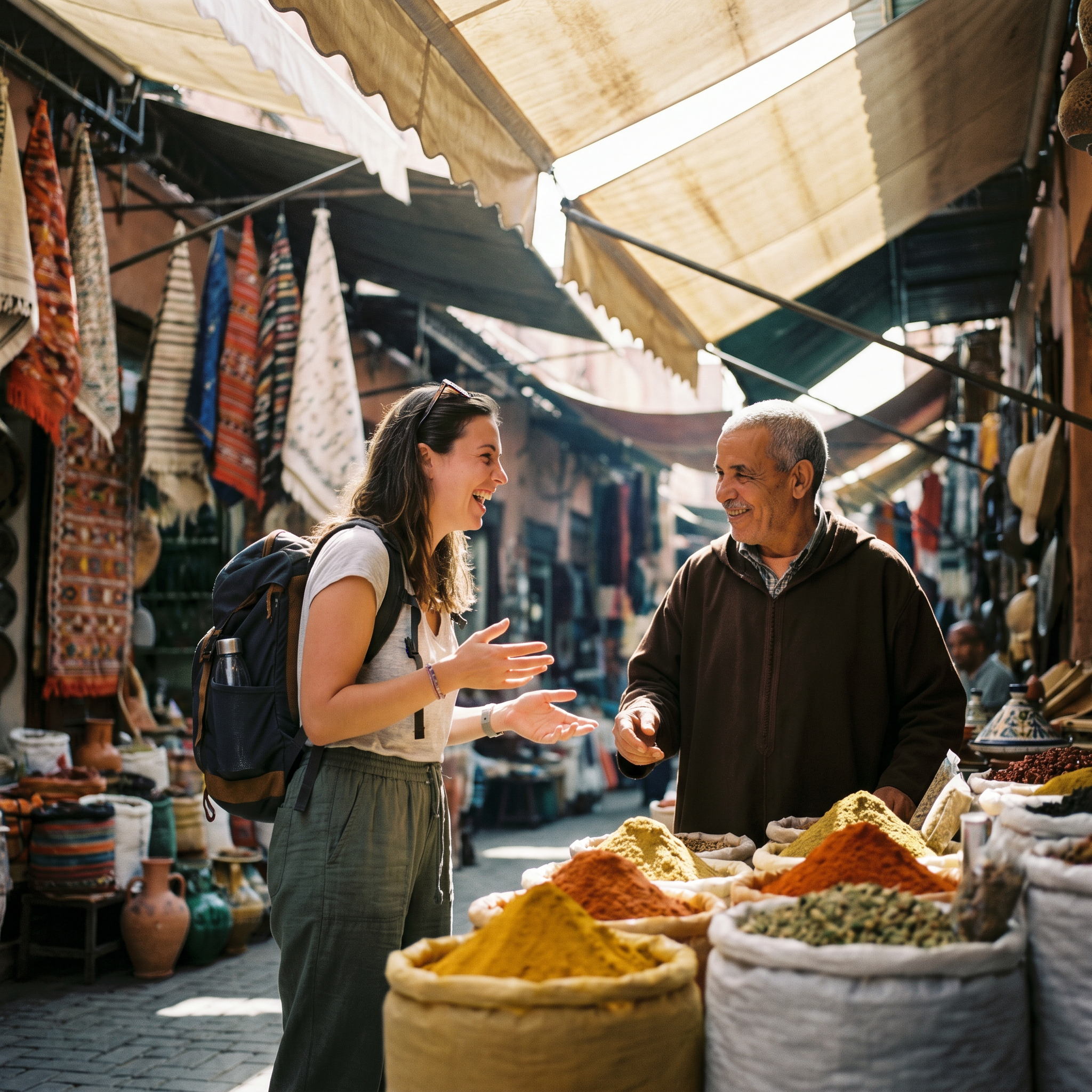
If you’re planning a trip to Morocco, these essential Morocco travel tips will help you navigate everything from safety to budgeting for an unforgettable experience. Imagine the buzz of colorful souks in Marrakech, where vendors call out with spices and rugs. Picture vast golden dunes in the Sahara Desert, where the sun sets like fire. Discover the stunning natural settings that make Morocco one of North Africa’s most magnetic destinations — from the winding ancient streets of Fes’s medina, full of history and hidden treasures, to remote Berber villages nestled in mountain valleys. Morocco mixes old ways with exciting new adventures, pulling you in with its warm energy and stunning sights.
This post serves as your Morocco travel guide 2026, perfect for first-timers or anyone refreshing their plans. We’ll cover whether Morocco is safe for tourists, a Morocco travel cost and budget guide, a Morocco transportation guide, Morocco visa requirements, and a sample Morocco itinerary 7 days — plus timeless Morocco travel tips to make your journey smooth.
✦ Key Takeaways
Best Time to Visit Morocco: Planning Around Seasons
Timing your trip is a top Morocco travel tip. Morocco has dramatically different climate zones — mild and breezy by the Atlantic coast, scorching in the Sahara interior. This directly affects comfort, cost, and what you can actually do. The smart approach is to match your timing to your goals.
The best times are spring (March to May) and autumn (September to October), when days are warm around 20–25°C. It’s ideal for trekking routes in the Atlas Mountains or wandering city medinas without breaking a sweat. Enchanting Travels highlights April, May, October, and early November as peak sweet-spot months.
Summer (June to August) brings intense heat — up to 40°C in the desert interior. Skip it unless you’re after beach days in Essaouira or Agadir. Prices spike and popular spots crowd out. Winter (December to February) is cooler at 10–18°C and perfect for cultural immersion, festivals, and off-peak savings.
💡 Check Ramadan dates for 2026 — it may fall around March. Restaurants close during daylight hours, some attractions have reduced access, but the atmosphere after sunset is magical and genuinely authentic. Plan meals accordingly and embrace the experience.
Winter is also prime time for surfing in Taghazout. If you’re keen on catching waves, you can book surfing lessons in Taghazout — an all-inclusive surf lesson with lunch and transfers makes it easy to try without any fuss.
Is Morocco Safe for Tourists? Addressing Common Concerns
Is Morocco safe for tourists? The short answer is yes — Morocco is one of Africa’s most visited countries for good reason. Serious violent crime against tourists is rare, and the country maintains a welcoming reputation for international visitors. That said, like any destination, awareness and preparation make a real difference.
Common Situations to Be Aware Of
The most frequent issues tourists encounter are petty pickpocketing in busy squares like Marrakech’s Jemaa el-Fna, overcharging by unofficial taxi drivers, and persistent (though usually harmless) attention toward solo travelers — particularly women. These are manageable with basic street sense, not reasons to avoid Morocco.
Health & Practical Safety
Health risks are generally low. Stomach upsets from food do happen — stick to busy street stalls with high turnover rather than quiet spots. Drink bottled water and be cautious with raw salads in budget restaurants. For detailed health and vaccination recommendations, the CDC’s Morocco travel page offers the most current official guidance for your nationality.
- Keep copies of your passport in your hotel safe and on your phone
- Use only clearly marked official petit taxis with meters in cities
- Download offline maps (Maps.me or Google Maps offline) before heading into medinas
- Always carry some cash — many traditional restaurants and souks don’t accept cards
- For overnight desert trips, always book through established operators with reviews
📌 Solo women travelers: Morocco is absolutely doable solo. Preparation is key — dress modestly, walk with purpose, and don’t hesitate to firmly say “la, shukran” (no, thank you) to anyone being persistently pushy. Many solo female travelers report Morocco as one of their most rewarding experiences.
Morocco Travel Cost & Budget Guide: Travelling Affordably
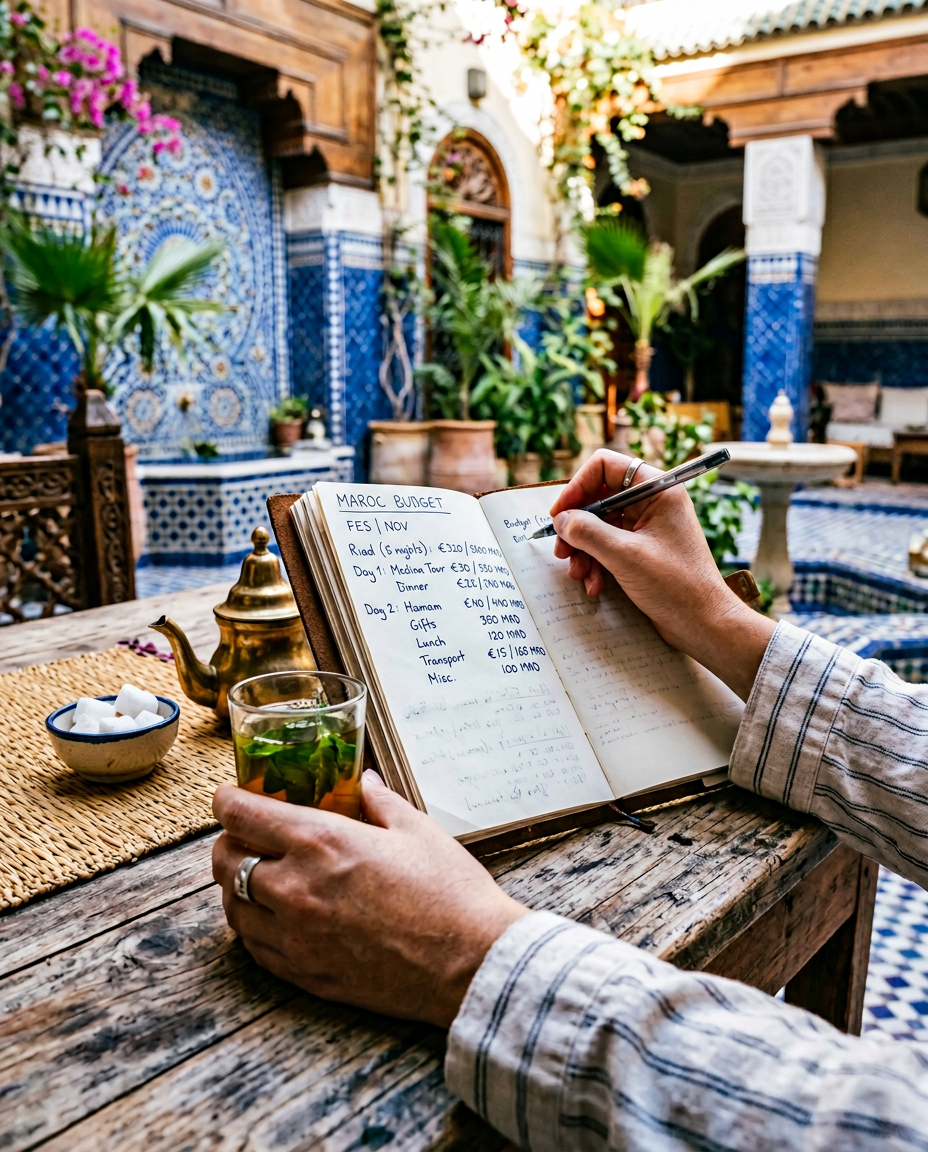
Morocco is one of the most budget-friendly destinations in the Mediterranean region. You can have an excellent, culturally rich trip for $30–50/day on a tight budget, or spend $150+ for genuine luxury. The range is remarkable — here’s how to think about it.
| Budget Level | Daily Range | Accommodation | Food |
|---|---|---|---|
| Budget | $30–50 | Hostels, shared riads ($10–30/night) | Street tagines, market eats ($2–5/meal) |
| Mid-Range | $70–100 | Private riad rooms ($50–100/night) | Sit-down restaurants ($10–20/meal) |
| Luxury | $150+ | Boutique riads, hotels ($150+/night) | Fine dining, private tours |
Accommodation is where Morocco’s famous traditional riads shine — these converted courtyard homes offer an authentically Moroccan experience at every price point. A shared riad dormitory can cost $10/night; a private room in a beautifully restored medina riad around $50–100.
Food is genuinely cheap and excellent at street level. A tagine or harira soup from a local stall costs $2–5. Sit-down restaurants aimed at tourists run $10–20 per person. The smart move is eating breakfast at your riad (usually included), grabbing street food for lunch, and splurging on one proper dinner experience per city.
Transportation stays affordable if you use the right options. Trains on the ONCF network (Marrakech to Casablanca or Fes) cost $20–40 and are comfortable and reliable. CTM buses cover most inter-city routes for $10–25. Internal flights on Ryanair can surprisingly undercut bus prices on certain routes. Haggling for grand taxis on set routes is normal — agree the price before you get in.
Morocco Transportation Guide: Getting Around Efficiently
Morocco’s transportation network is more developed than many travelers expect. From modern air-conditioned trains to atmospheric shared taxis, getting around is one of the more straightforward aspects of the trip — once you know the system.
City-to-City Travel
The ONCF train network is the gold standard for intercity travel. Marrakech to Fes takes around 7 hours and costs $20–40, with comfortable seats and a dining car. Book on the ONCF app or website to secure your seat in advance, especially in shoulder seasons. CTM buses complement the train network well, reaching towns trains don’t serve.
Arriving at a new city can feel chaotic — unofficial taxi drivers are persistent. To skip the stress entirely, pre-book a reliable airport transfer through GetYourGuide for Marrakech arrivals. It removes the haggling, sets a fixed price, and your driver will be waiting with your name on a sign.
Getting Around in Cities
Inside medinas, your feet are your best transport. The winding alleys of Fes el-Bali and Marrakech’s old town aren’t accessible by vehicle and the labyrinthine layout is part of the experience. In modern city areas, petit taxis with meters are cheap at $1–3 a ride. In Casablanca and Rabat, bus networks are comprehensive and very affordable.
💡 Car rental note: Renting is a great way to explore rural Morocco, coastal roads, and the Middle Atlas at your own pace. However, driving in medinas is chaotic, parking is limited, and roads in mountain areas can be challenging. Stick to major rental companies and get comprehensive insurance.
Morocco Visa Requirements: Entry Essentials
Morocco visa requirements are refreshingly simple for most international visitors. Citizens of the US, EU member states, Canada, Australia, and many other countries receive 90 days visa-free entry with a valid passport. The single requirement that catches travelers off guard: your passport must have at least 6 months of validity remaining at the time of entry.
For nationalities that do require a visa, applications are handled through Moroccan embassies and consulates — there is currently no e-visa system. The process typically takes 2–4 weeks and requires passport photos, the application form, proof of financial means, accommodation confirmation, and a return or onward ticket.
Practical visa tips: carry a physical copy of your passport data page at all times in Morocco — authorities occasionally ask for ID. If you plan to stay longer than 90 days, you can apply for an extension at a local police station (commissariat) in Morocco; overstaying without permission results in fines and potential travel bans.
Morocco Itinerary 7 Days: A Sample Adventure Plan
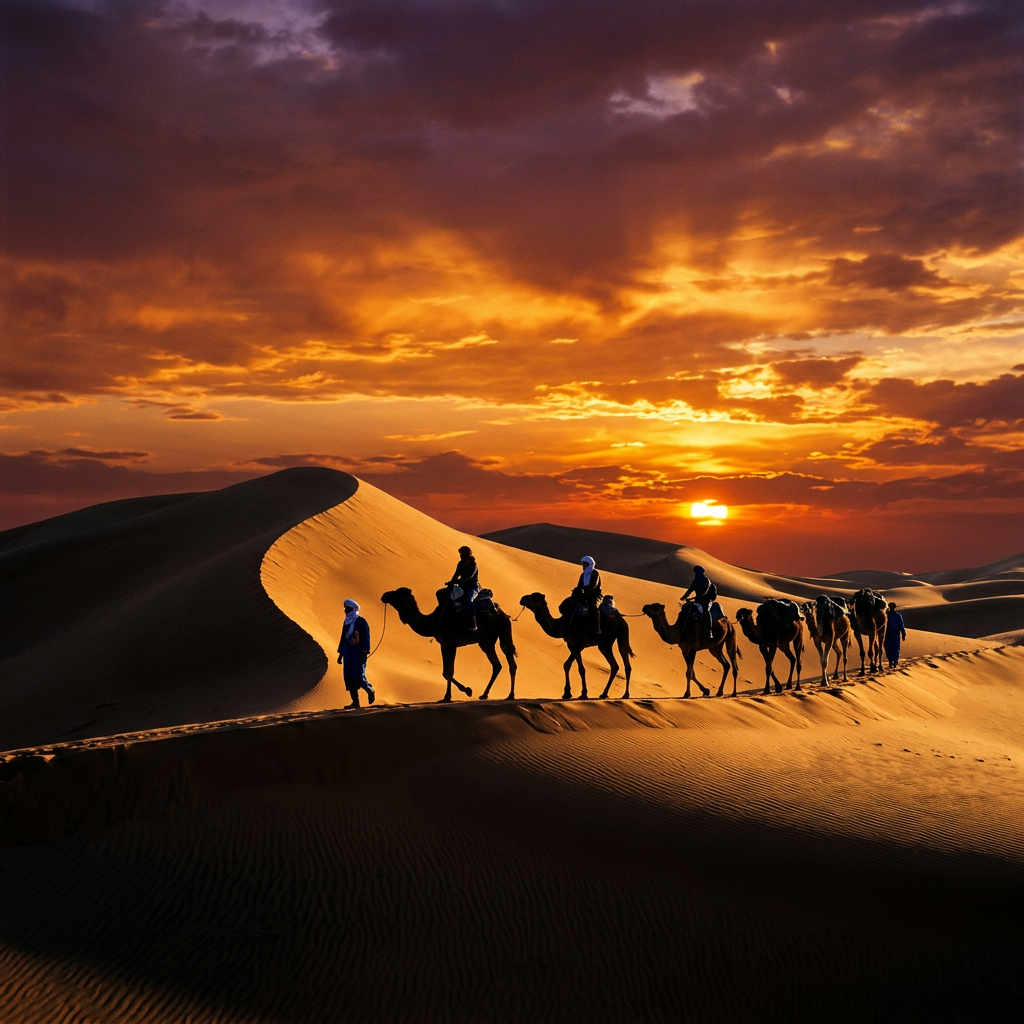
This classic 7-day itinerary hits Morocco’s essential highlights — Marrakech, the Atlas Mountains, the Sahara, and Fes. It’s a full week that connects the modern with the ancient, the urban with the utterly remote. Adjust the pace to match your travel style.
If you want to go deeper into Morocco’s trekking possibilities, our comprehensive Atlas Mountains trekking guide covers multi-day routes, gear recommendations, and the best trails for every fitness level.
Morocco Travel Guide 2026: Future Considerations & Final Tips
Morocco is investing heavily in its tourism infrastructure ahead of co-hosting the 2030 FIFA World Cup. Expect new high-speed rail connections between major cities, improved road access to remote areas, and a growing number of eco-certified desert camps and mountain lodges. Sustainability-focused travelers will find increasing options in quieter months.
The big trends to watch in 2026: more eco-camps in the Sahara offering solar power and responsible tourism practices, an expansion of boutique accommodation beyond Marrakech into lesser-visited cities like Meknes and Chefchaouen, and continued growth in adventure tourism around the Atlas Mountains.
Pulling together the essential advice from this guide: match your timing to your goals (spring and autumn win for most travelers), stay safe through awareness and basic precautions, stretch your budget with local eating and off-peak timing, move efficiently with trains and pre-booked transfers, sort your visa paperwork early, and follow a structured itinerary while leaving room for the unexpected.
Learn even five words of Darija (Moroccan Arabic) — “salaam” (hello), “shukran” (thank you), “bghit” (I want), “bshal” (how much), “makayen moshkil” (no problem) — and watch how differently Moroccans respond to you. It’s one of the highest-impact small efforts any traveler can make.
📌 Book well in advance for 2026: With World Cup infrastructure projects increasing tourism awareness, popular desert camps and Fes medina riads are filling up faster than in previous years. For travel in spring or autumn 2026, aim to book accommodation and key tours at least 2–3 months ahead.
Morocco Experience Highlights
Sahara Sunset Camel Trek
Erg Chebbi dunes at golden hour
Fes Medina & Tanneries
World’s largest living medieval city
Atlas Berber Villages
Ourika Valley hikes & waterfalls
Marrakech Souks
Spices, crafts & medina magic
Essaouira Coast
Atlantic beaches & gnawa music
Moroccan Cuisine
Tagine, bastilla & mint tea
Taghazout Surfing
World-class Atlantic waves
Desert Stargazing
Zero light pollution in the Sahara
Reserve Your Spot
Book Your Morocco Experience
Choose from top-rated tours and activities across Morocco — from Marrakech medina walks to Sahara desert safaris. Instant confirmation, free cancellation on most bookings.
What You Need to Know
- Valid passport with 6+ months remaining validity
- Travel insurance covering medical evacuation
- Local SIM card or eSIM for data ($5–10 on arrival)
- Dirhams cash — many medina vendors don’t accept cards
- Offline maps downloaded for medinas before arrival
- Modest clothing: long pants/skirts, tops covering shoulders
- Warm layers for desert nights (temperatures drop sharply)
- Comfortable walking shoes — medinas involve hours on uneven stone
- High-SPF sunscreen and a wide-brimmed hat for outdoor excursions
- Reusable water bottle — refill at your riad, not single-use plastic
- Check Ramadan dates — restaurant and shop hours change significantly
- Haggling is expected in souks — always counter-offer, never accept the first price
- Alcohol is available in licensed hotels and bars, but not universally available
- Photography in mosques is not permitted — always ask before photographing people
Frequently Asked Questions
Everything you need to know before you go
✦ Your Morocco Adventure Starts Here
Ready to Experience the Magic of Morocco?
From the lantern-lit lanes of Fes to the impossible silence of the Sahara at dawn, Morocco rewards every traveler who comes prepared and open. Start planning your 2026 journey today — your adventure is waiting.