Morocco Riads: The Ultimate Guide to Staying in Traditional Moroccan Houses (2026)
Discover the best Morocco riads for an authentic cultural experience in 2026. Learn about traditional riads in Marrakech, booking tips, and why these architectural gems offer the ultimate Moroccan stay.
Have you ever stepped through a heavy wooden door on a narrow, dusty alley — only to find a paradise of turquoise fountains, orange trees, and hand-cut tilework shimmering in the sunlight? That’s the magic of a Morocco riad. These centuries-old traditional houses, built around serene interior courtyards, aren’t just places to sleep. They’re living museums of Moroccan craftsmanship, intimate sanctuaries where the chaos of the medina dissolves into birdsong and the scent of jasmine. Whether you’re a first-time visitor or a seasoned traveler, choosing a riad over a conventional hotel transforms your entire trip — and this guide shows you exactly how.
✦ Key Takeaways
Morocco riads are traditional houses built around central courtyards, offering an authentic cultural experience unlike any hotel.
Riads feature stunning zellige tilework, carved cedar wood, tadelakt plaster, and tranquil water features.
Marrakech is the heart of riad culture with options ranging from budget guesthouses to ultra-luxury palaces.
Staying in a riad provides privacy, personalized service, and deep cultural immersion impossible in chain hotels.
Book riads well in advance, especially during peak seasons (March–May and September–November).
Introduction to Morocco Riads
Morocco riads are traditional Moroccan houses or palaces built around beautiful interior gardens or courtyards. These special buildings have been part of Moroccan culture for hundreds of years. A riad is more than just a place to stay — it’s a doorway into the heart of Moroccan heritage, an architectural tradition that dates back to the great dynasties of North Africa.
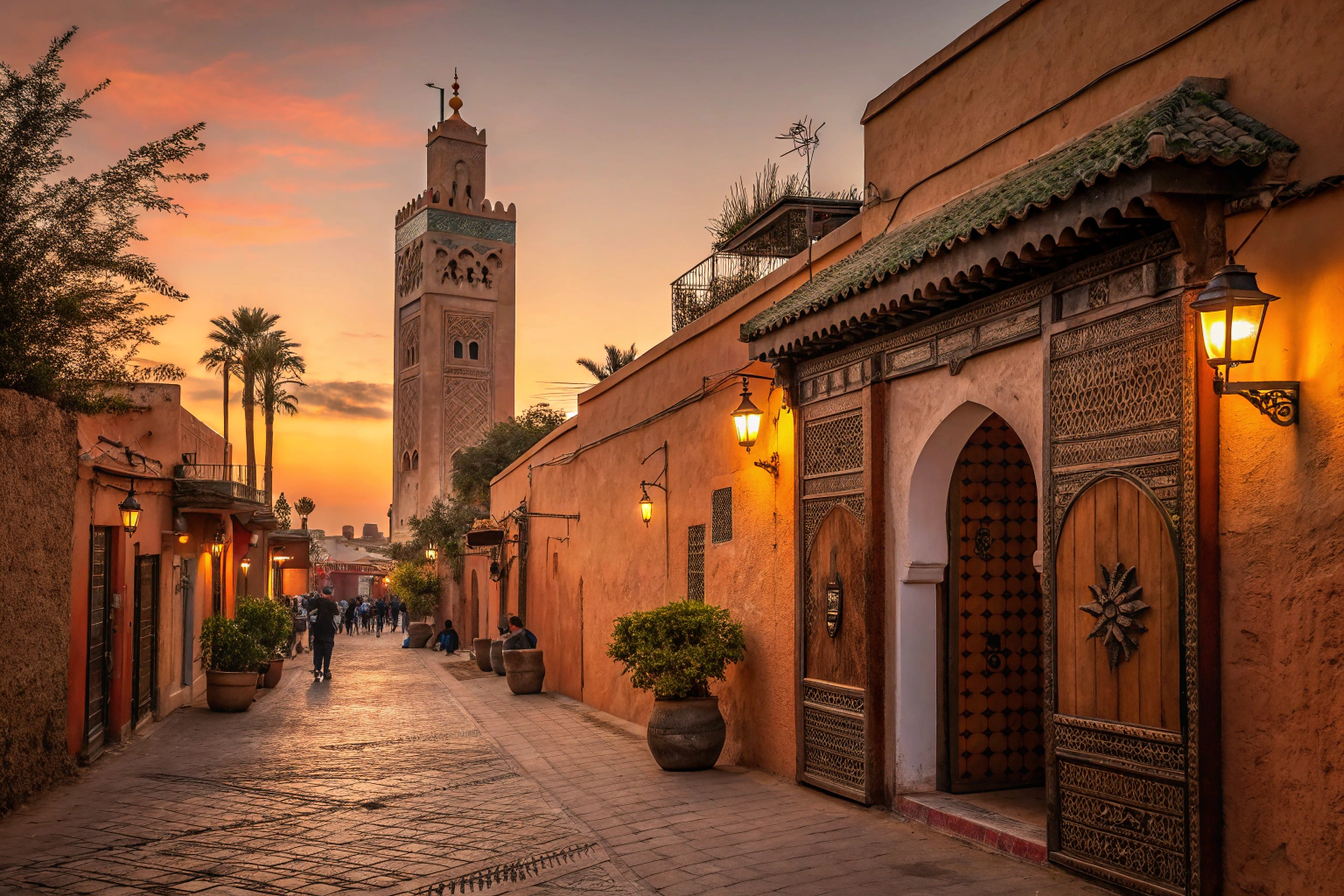
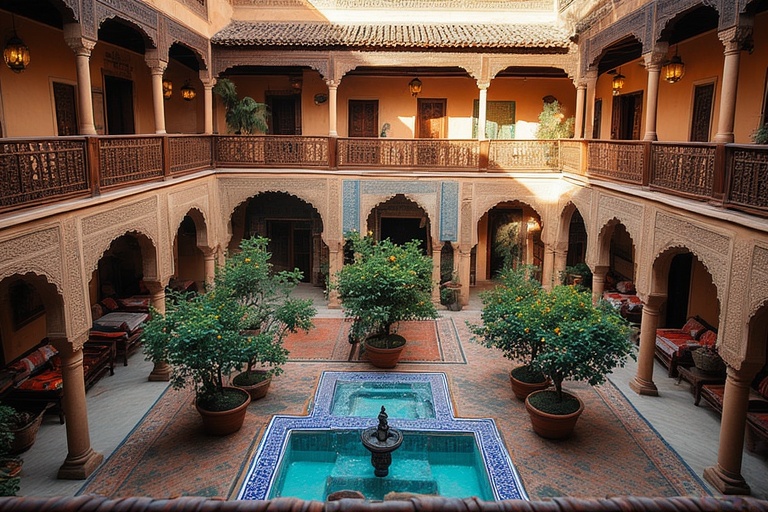
In cities like Marrakech, riads stand as living museums of traditional Moroccan architecture. These homes feature high walls that create private, peaceful spaces away from busy streets. Inside, you’ll find stunning courtyards with fountains, orange trees, and intricate tile work that tells stories of Morocco’s rich past. The contrast between the unassuming exterior and the breathtaking interior is one of the most thrilling moments of any Moroccan journey.
The popularity of staying in a riad has grown tremendously in recent years. Travelers from around the world seek out these traditional homes to experience authentic Moroccan culture firsthand. Unlike regular hotels, a Marrakech riad offers visitors a chance to live as locals did centuries ago, surrounded by handcrafted beauty and timeless design.
💡 Morocco’s tourism is booming — the country welcomed over 17.4 million tourists in 2024 alone. This surge in visitors has brought new life to historic riads, with many being lovingly restored to their former glory while preserving authentic character.
Today, these traditional homes offer modern comforts while maintaining their centuries-old charm, making them perfect for travelers who want both luxury and cultural immersion. Whether you’re planning a romantic getaway, a family holiday, or a solo adventure, understanding what riads offer — and how to choose the right one — will elevate your entire Morocco experience.
What Is a Riad? Architecture & Design
Morocco riads are traditional houses designed with a central courtyard or garden at their heart. This inward-facing design creates a private oasis hidden from the outside world. The word “riad” comes from the Arabic word riyāḍ, meaning garden — which perfectly describes these peaceful sanctuaries where nature and architecture blend seamlessly.
The architecture of riads follows specific patterns that have remained unchanged for centuries. High walls surround the entire building, with few or no windows facing the street. This design keeps the interior cool and quiet, protecting residents from noise and maintaining privacy — a fundamental value in Islamic architectural tradition. The central courtyard acts as the home’s lungs, bringing light and fresh air into every room arranged around it.
Zellige Tilework: Morocco’s Signature Art
One of the most striking features of any riad is the zellige tilework. These hand-cut ceramic tiles create mesmerizing geometric patterns in blues, greens, whites, and earth tones. Master craftsmen, known as maâlems, spend years learning to cut and place these tiles, creating artwork that can last for centuries. The tilework isn’t merely decorative — it helps keep rooms cool and adds to the peaceful atmosphere that defines riad life.
Each zellige pattern has meaning rooted in Islamic geometry, often representing the infinite nature of creation. The process hasn’t changed since the 10th century, so every tiled surface you touch in a riad is a piece of living history. Ask your riad host to explain the patterns — they love sharing this knowledge.
Water Features & Garden Design
Water features play a central role in riad design. Most courtyards have a fountain or small pool at their center. The gentle sound of flowing water creates a calming environment and helps cool the air naturally — a brilliant solution to Morocco’s dry heat that predates modern air conditioning by centuries. Gardens filled with orange trees, jasmine, bougainvillea, and roses add color and fragrance to these indoor-outdoor spaces.
How Riads Differ from Hotels
Riads differ from hotels in fundamental ways. While hotels often have hundreds of rooms, riads typically have just 4 to 10 rooms arranged around the courtyard. This intimate size means personalized service and a homey atmosphere. Each room in a riad is unique, decorated with handmade furniture, carved plaster, and painted wood ceilings. Hotels might offer more amenities like gyms or large pools, but riads provide something more valuable — an authentic connection to Moroccan culture and history.
The Charm of Traditional Riads in Morocco
Traditional riads in Morocco showcase centuries of artisanal craftsmanship passed down through generations. Every surface tells a story through intricate decoration. Tadelakt plaster, a waterproof lime plaster polished with stones and treated with olive oil soap, covers walls in smooth, lustrous finishes. This ancient technique, unique to Morocco, creates surfaces that shimmer like silk and can last for hundreds of years without deteriorating.
Hand-Carved Woodwork & Metalwork
Hand-carved woodwork adds warmth and texture throughout traditional riads. Cedar wood ceilings feature intricate patterns carved by master craftsmen — a single ceiling can take months to complete. The sweet scent of cedar fills rooms, naturally repelling insects while creating a welcoming atmosphere. Doors and window frames showcase detailed geometric and floral designs that represent the pinnacle of Moroccan architectural artistry.
Ironwork is another essential element. Skilled metalworkers create delicate patterns for windows, balconies, and lamps. Metal screens called mashrabiya provide privacy while allowing air and light to filter through. At night, metal lanterns cast beautiful shadow patterns on walls, creating the magical atmosphere that has made romantic riads so sought-after.
Cultural Experiences Within Riad Walls
Staying in a traditional riad offers a complete cultural experience that goes far beyond sleeping in a beautiful room. Many riads offer workshops where guests can learn traditional crafts. You might spend an afternoon mastering an authentic tagine or couscous recipe in a Moroccan cooking class led by local chefs who’ve inherited their recipes through generations. Some riads also offer workshops in pottery, leather working, calligraphy, or traditional music.
Accept every offer of mint tea at your riad. The tea ceremony is central to Moroccan hospitality — it’s not a formality, it’s a genuine gesture of welcome. Watch how the tea is poured from height to create a frothy top, and always accept with your right hand.
The peaceful atmosphere of traditional riads provides a stark contrast to the bustling medinas outside. The courtyard design creates a microclimate that stays cool even on scorching summer days. Birds sing in the fruit trees, water trickles from fountains, and the outside world fades away. This tranquil environment allows visitors to truly relax and absorb the beauty around them — something that’s increasingly rare in our hyperconnected world.
Riads in Marrakech: The Heart of Riad Culture
Marrakech stands as the undisputed capital of riad culture in Morocco. The city’s medina contains more riads than any other Moroccan city, with hundreds of these traditional homes tucked away in its winding alleys. A riad stay in Marrakech has become essential for travelers seeking authentic Moroccan experiences — and for good reason.
The history of Marrakech riads dates back to the Almoravid dynasty in the 11th century. As Marrakech grew into a major trading center on the caravan routes connecting sub-Saharan Africa with Europe, wealthy merchants built elaborate riads to showcase their success. These homes combined influences from Andalusian Spain, sub-Saharan Africa, and local Berber traditions, creating a unique architectural style found nowhere else in the world.
Budget-Friendly Riads
Today’s Marrakech riad options range from simple, budget-friendly guesthouses to ultra-luxurious palaces. Budget riads offer clean, comfortable rooms with traditional decoration at very affordable prices. These smaller riads often provide the most authentic experiences, as they’re usually family-run and maintain strong connections to local culture. Don’t assume that affordable means lower quality — some of the most memorable riad stays happen in intimate family homes where the personal touch outshines any five-star amenity.
Mid-Range & Luxury Options
Mid-range riads add extra comforts like air conditioning, larger rooms, and perhaps a small plunge pool in the courtyard. Many feature restaurants serving excellent Moroccan cuisine and spa services offering traditional hammam treatments. The level of decoration and craftsmanship in these riads often rivals what you’d find in five-star hotels — at a fraction of the price.
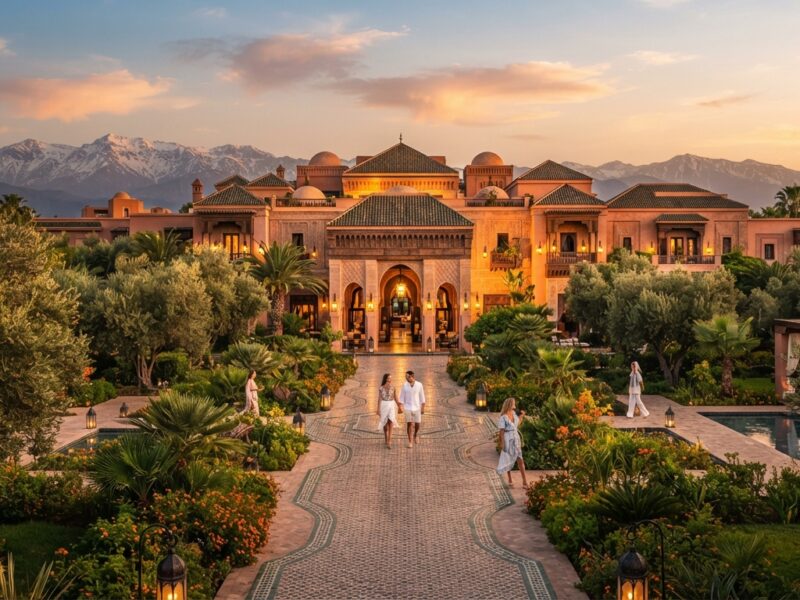
Luxury riads in Marrakech compete with the world’s finest hotels. Some occupy former palaces with multiple courtyards, each more breathtaking than the last. These high-end riads might have just six or eight suites, ensuring incredibly personalized service. Private terraces, plunge pools, and personal butlers are common features. Yet even the most luxurious riads maintain their traditional character through authentic architecture and museum-quality decoration.
💡 Location matters — the best riads sit in the heart of the medina with easy walking access to Jemaa el-Fnaa square and the souks, but on quieter side streets to ensure peaceful nights. Ask your riad about their proximity to landmarks before booking.
Many visitors find that staying in a Marrakech riad transforms their entire trip. Instead of returning to an anonymous hotel room, you come home to a place with character and warmth. The staff remember your name and preferences. You might share mint tea with other guests in the courtyard, swapping travel stories and tips. This social aspect of riad life creates connections and memories that last long after the trip ends.
Top Riads to Consider
When searching for the perfect place to stay, the sheer number of options can feel overwhelming. The best riads in Morocco share several important features: they maintain authentic architectural elements like original tilework, carved plaster, and traditional courtyards. They provide excellent service, with staff who genuinely care about making your stay memorable. And they strike a delicate balance between preserving history and ensuring guest comfort.
What Makes a Great Riad?
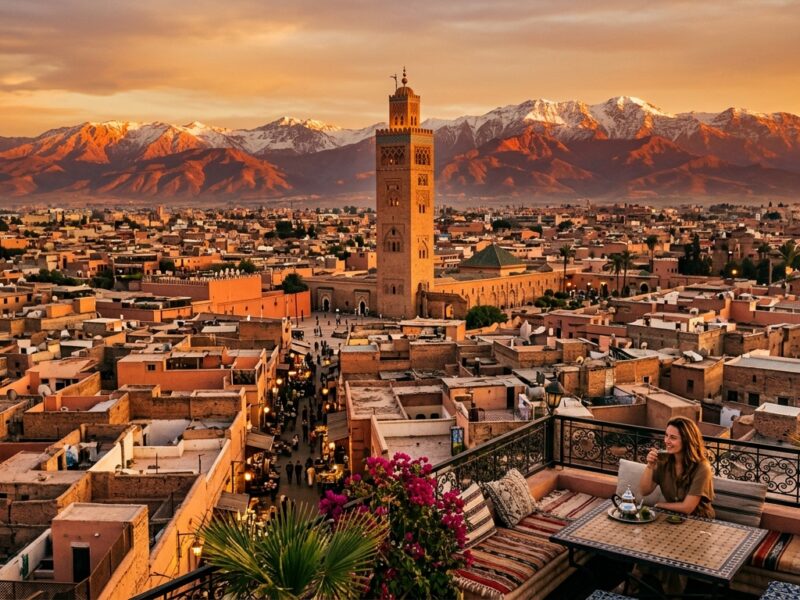
Among the best riads in Marrakech, several stand out for different reasons. Some excel in their food, with chefs who’ve perfected traditional recipes passed down through generations. Others are known for their stunning rooftop terraces with panoramic views over the medina to the snow-capped Atlas Mountains. A few have become famous for their spa services, offering traditional hammam experiences in beautiful tiled rooms.
Riads near the main square offer excitement and easy access to restaurants and souks. However, they can be noisier, especially during festival times. Riads deeper in the medina provide more authentic neighborhood experiences — you’ll pass local bakeries, workshops, and schools on your daily walks, getting genuine glimpses of Moroccan daily life.
Choosing the Right Riad for Your Trip
When choosing between riads, consider what matters most. If you’re traveling with family, look for riads with connecting rooms or family suites — our guide to family-friendly hotels in Marrakech covers the best options. Some riads welcome children with special amenities like games and child-friendly meals. For romantic getaways, seek out riads with private terraces or special honeymoon suites.
Budget considerations go beyond just room rates. Some riads include breakfast — often a lavish spread of Moroccan dishes like msemen, fresh juice, and local cheeses — while others charge extra. Check whether airport transfers are included, as navigating to riads through the medina’s narrow streets can be challenging for first-time visitors.
The size of the riad impacts the experience too. Smaller riads with just four or five rooms offer the most intimate atmosphere — you might be the only guests, receiving incredibly personalized attention. Larger riads with 10 or more rooms have more facilities like bigger pools or multiple dining areas, but might feel less personal. Reading recent reviews helps identify riads that consistently deliver, so pay attention to comments about staff helpfulness, cleanliness, noise levels, and authentic atmosphere.
Why Choose a Riad Over Other Accommodations?
Morocco riads offer unique advantages that hotels simply cannot match. The intimate atmosphere creates a completely different travel experience. With just a handful of rooms, riads provide personalized service that makes you feel like a welcomed guest rather than a customer. Staff members learn your preferences quickly — from how you take your coffee to your favourite spot in the courtyard.
Privacy & Tranquility
Privacy stands out as another major benefit. The inward-facing design means your room opens onto a private courtyard rather than a public hallway. You won’t hear doors slamming or people talking in corridors. The thick walls and traditional construction methods provide excellent sound insulation, ensuring peaceful nights even in the heart of Marrakech’s lively medina.
Cultural Immersion from Morning to Night
The riad experience immerses you in local culture from the moment you arrive. Everything from the architecture to the breakfast reflects Moroccan traditions. You’ll wake to the call to prayer echoing over the rooftops, enjoy traditional mint tea in hand-painted glasses, and relax in spaces decorated with centuries-old craftsmanship. This cultural immersion happens naturally, without feeling forced or artificial — it’s simply how riad life unfolds.
Meals in riads taste different from hotel restaurants. Many riad kitchens use recipes handed down through families, cooking tagines the same way grandmothers did. Ingredients often come from local markets that morning. Some riads even grow herbs and mint in their courtyards. This connection to traditional cooking creates memorable meals that become a cherished part of your travel story. For deeper culinary exploration, consider joining a cooking class arranged through your riad.
Architectural Beauty at Every Turn
The architectural beauty of riads provides constant visual delight. Every corner reveals new details — a carved wooden screen casting intricate shadows, sunlight playing on zellige tilework, or a hidden nook perfect for reading. This beauty isn’t limited to public spaces; guest rooms feature the same extraordinary attention to detail with hand-plastered walls, painted ceilings, and traditional furnishings that you won’t find in any chain hotel.
The peaceful environment helps travelers truly decompress. The courtyard design creates a microclimate that stays naturally cool. Fountains add humidity to dry air. Birds nest in the fruit trees, their songs providing a natural soundtrack. This oasis-like atmosphere is exactly why so many visitors say their riad stay was the highlight of their entire Moroccan journey.
Booking and Visiting Tips
Finding the perfect riad in Morocco requires some research and planning, but the effort pays off immensely. Start by reading recent reviews from travelers with similar interests and travel styles. Look for consistent praise about cleanliness, service quality, and authentic atmosphere. Pay attention to any repeated complaints, as these might indicate ongoing issues rather than one-off situations.
Navigating the Medina
Location matters more for riads than for conventional hotels. While hotels often sit on main roads with easy car access, a Marrakech riad might be deep within the medina’s maze-like streets. This authentic location adds charm but can make arrival challenging. Many riads arrange for staff to meet you at a nearby landmark and guide you through the narrow alleys — don’t hesitate to use this service, especially for your first visit.
GPS often doesn’t work well in medinas, as the narrow streets confuse satellite signals. Instead, save your riad’s walking directions and take photos of landmarks during your first walk. Many experienced travelers use Maps.me offline maps, which work better than Google Maps in Moroccan medinas.
When to Book & Best Seasons
Booking your riad well in advance ensures better selection, especially during peak seasons. Spring (March to May) and autumn (September to November) bring perfect weather to Morocco, making these the busiest times for riads. During these months, the best properties fill up months ahead. Summer can be very hot, but riads’ courtyard design helps them stay cooler than modern buildings. Winter brings cooler temperatures, so check if your chosen riad has heating — many traditional properties don’t.
📌 Planning note: Communicate any special needs when booking. Let the riad know about dietary restrictions, mobility issues, or special occasions. The personal nature of riad service means they can often accommodate requests that larger hotels would struggle with — from decorated rooms for honeymoons to special birthday surprises.
Practical Packing & Etiquette
Pack appropriately for riad stays. Traditional architecture means steep, narrow stairs are common, so pack light if possible. Some riads have limited electrical outlets, so bring adapters and consider a small power strip. Traditional windows might not seal completely, so light sleepers should pack earplugs for the early-morning call to prayer.
Embrace the cultural aspects of riad life. Dress modestly in common areas out of respect for staff and local customs — our Moroccan etiquette guide covers what to know. Remove shoes when entering carpeted areas. Be mindful of noise, as sound carries in courtyard designs. These small gestures show respect for Moroccan hospitality and genuinely enhance your welcome.
Make the Most of Your Riad Staff
Take full advantage of your riad staff’s local knowledge. They know the best local restaurants, honest shopkeepers, and skilled guides. They can arrange cooking classes, hammam visits, or desert excursions. Their recommendations consistently lead to more authentic experiences than tourist-oriented services — riad staff are your best resource for discovering the Morocco that guidebooks miss.
Explore your riad’s neighbourhood during different times of day. Morning brings deliveries and children heading to school. Afternoons might be quiet as shops close for lunch. Evenings bring locals out shopping for dinner ingredients and socialising in the alleyways. Each hour offers different glimpses into daily Moroccan life — and these hidden, everyday moments often become the memories you treasure most.
Conclusion
Morocco riads represent far more than just places to sleep during your travels. These traditional houses offer windows into centuries of Moroccan culture, artistry, and hospitality. From their peaceful courtyards to their intricate tilework, riads embody the soul of Morocco in ways that modern hotels never could.
The value of staying in a riad goes beyond physical beauty. Each riad connects you to Morocco’s living heritage through architecture that has remained unchanged for centuries. The craftsmanship visible in every carved door and painted ceiling represents skills passed down through generations of artisans. By choosing riads, travelers support the preservation of these traditional arts and the families who maintain these historic homes.
The riad experience creates memories that last long after your trip ends. You’ll remember morning coffee on sun-drenched terraces, the sound of fountains in flower-filled courtyards, and conversations with staff who treated you like family. These personal moments, impossible in large hotels, transform trips from simple vacations into meaningful journeys.
For your next Moroccan adventure, consider booking one of the best riads in Marrakech or another historic city. Whether you choose a simple family-run riad or a luxurious restored palace, you’ll discover that riads offer something precious — an authentic connection to the heart of Morocco. Your journey into Moroccan culture awaits behind the heavy wooden doors of these traditional homes. Step inside, and let the magic of riads transform your understanding of travel, hospitality, and the enduring power of traditional architecture.
Reserve Your Spot
Book Your Marrakech Experience
Enhance your riad stay with unforgettable Moroccan experiences — from medina walking tours to traditional hammam rituals. Instant confirmation, free cancellation on most activities.
Frequently Asked Questions
Everything you need to know about Morocco riads before you go
✦ Your Morocco Journey Starts Here
Step Through the Door — Magic Awaits
Behind every heavy wooden door in Morocco’s medinas lies a world of tranquil courtyards, shimmering tilework, and centuries of hospitality waiting to welcome you. Book your riad stay and pair it with unforgettable experiences — from cooking classes and hammam rituals to desert excursions. The memories you create within these ancient walls will call you back to Morocco again and again.