Health Tips Morocco: Essential Travel Health Advice to Stay Safe
Discover essential health tips Morocco travelers need before departure. Get expert Morocco travel health advice on vaccinations, food safety, hydration, and practical strategies for staying healthy in Morocco.
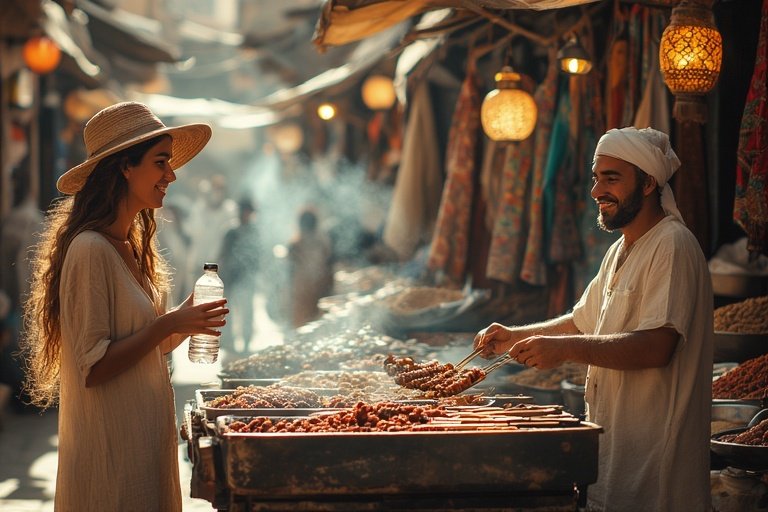
Picture this: you’re standing in the heart of a Marrakech souk, the scent of cumin and saffron swirling around you, when your stomach suddenly revolts against the street food you tried an hour ago. It’s the scenario every traveler dreads — and the one that’s almost entirely preventable with the right preparation. Morocco is one of the most captivating destinations in North Africa, but its climate, cuisine, and conditions can catch unprepared visitors off guard. These health tips Morocco will arm you with everything you need — from pre-trip vaccinations to on-the-ground food safety — so you can focus on the adventure, not the pharmacy.
✦ Key Takeaways
Get essential vaccinations (Hepatitis A, Typhoid, Tetanus) 4–6 weeks before traveling to Morocco.
Only drink bottled water and eat freshly cooked hot food to prevent traveler’s illness.
Protect yourself from sun and heat by drinking 2–3 liters daily and wearing SPF 30+ sunscreen.
Pack a comprehensive first-aid kit and know emergency numbers (Medical: 15, Police: 19).
Purchase travel insurance with medical evacuation coverage — especially for rural and mountain areas.
Overview of Health Considerations When Traveling to Morocco
Morocco travel health requires careful planning because travelers face several common challenges that differ significantly from conditions at home. The most frequent problems include gastrointestinal illnesses from unfamiliar food and water, dehydration from intense sun exposure, insect-borne diseases, and altitude sickness in the Atlas Mountains. Understanding these risks before you arrive is the single most effective way to prevent them.
Healthcare quality in Morocco varies dramatically between urban centers and rural areas. Major cities like Casablanca, Marrakech, and Rabat have modern hospitals and private clinics staffed with well-trained, often multilingual doctors. However, small towns and countryside regions may only offer basic health centers with limited equipment. According to the CDC’s Morocco travel page, travelers should ensure they have comprehensive travel insurance that includes medical evacuation coverage — a critical piece of Morocco health advice that many visitors overlook.
💡 Healthcare gap alert: Private clinics in Marrakech and Casablanca offer near-Western standards, but a 2-hour drive into rural areas could leave you with only a basic dispensary. Always carry your own first-aid supplies and know your nearest quality facility.
The Moroccan environment challenges your body in ways you might not expect. Summer temperatures routinely exceed 100°F (38°C), while the Sahara and interior regions see extreme dryness that accelerates dehydration. Night temperatures in the mountains can plummet to near-freezing even in spring. These dramatic swings require deliberate planning around hydration, sun protection, and layered clothing — all essential components of any Morocco travel health strategy.
Cultural practices also shape your health planning. From communal dining customs to traditional hammam experiences, Moroccan daily life differs from what most Western travelers are accustomed to. Learning about these differences isn’t just respectful — it’s a practical health precaution. For deeper insight into local customs, our Moroccan etiquette guide covers the cultural dos and don’ts that directly affect your wellbeing.
Powered by GetYourGuide
Essential Health Tips for Morocco Travelers
Vaccinations and Pre-Trip Medical Prep
Every reliable source of health tips Morocco begins with the same advice: visit a travel clinic 4–6 weeks before departure. While no vaccinations are legally required for entry, the World Health Organization and CDC strongly recommend several vaccines based on the disease risks present in the country:
- Hepatitis A — protects against a liver disease spread through contaminated food and water; the single most recommended vaccine for Morocco
- Hepatitis B — guards against a virus transmitted through blood and body fluids; important if you might need medical treatment abroad
- Typhoid fever — prevents a serious bacterial infection common in areas with variable sanitation standards
- Tetanus-Diphtheria — ensures protection against wound infections, especially important for adventure travelers
- Rabies — recommended if you plan to spend time in rural areas, around animals, or trekking in remote regions
Make sure your routine immunizations are current too — measles, mumps, rubella (MMR), polio, and your annual flu shot. For a comprehensive breakdown of every vaccine and what to discuss with your doctor, see our dedicated vaccinations for Morocco travel guide.
Some vaccines (like Hepatitis B) require multiple doses over several weeks. Don’t leave your travel clinic visit until the last minute — 6 weeks before departure gives you maximum protection options.
Food and Water Safety
The golden rule of Morocco health advice is deceptively simple: only drink bottled or purified water. Never drink tap water — not in hotels, not in restaurants, not even in upscale riads. Use bottled water for brushing your teeth. Avoid ice cubes unless you’re confident they were made from purified water (most tourist-oriented establishments use purified ice, but ask if unsure).
Food safety requires equally deliberate choices. Stomach illness is the most common health complaint among visitors, but it’s largely preventable:
- Eat only freshly cooked, piping-hot food
- Avoid raw vegetables and salads in places where you can’t verify the washing water
- Skip unpeeled fruits — or peel them yourself with clean hands
- Stay away from unpasteurized dairy products
- Choose restaurants that look clean and are busy with local customers — high turnover means fresher food
For an authentic culinary experience that doesn’t compromise your stomach, consider joining a guided Marrakech food tour where knowledgeable guides steer you toward the safest and most delicious local vendors. You can also explore our ultimate guide to street food in Morocco for detailed safety tips on navigating the food stalls.
Powered by GetYourGuide
Personal Hygiene Practices
Good hygiene is the foundation of staying healthy in Morocco. Wash your hands thoroughly with soap and water before every meal and after using the bathroom. Carry a hand sanitizer with at least 60% alcohol content for situations where soap isn’t available — busy souks, public transport, and between market stall tastings. Pack antibacterial wet wipes for cleaning hands and surfaces.
Avoid touching stray animals, no matter how friendly they appear. Morocco’s street cats are famously charming, but animals may carry rabies or other diseases. If you are bitten or scratched by any animal, wash the wound immediately with soap and running water for at least 15 minutes, then seek medical attention without delay.
Climate, Hydration, and Sun Protection
Morocco travel health planning must account for a climate that can be genuinely dangerous to unprepared visitors. Dehydration sets in faster than most people realize — the combination of dry air, high temperatures, and active sightseeing creates a perfect storm for fluid loss. Carry a reusable water bottle and refill it with bottled water throughout the day. Aim for at least 2–3 liters daily; increase this significantly if you’re hiking, in the desert, or visiting during summer.
Sun protection is non-negotiable:
- Apply broad-spectrum sunscreen (SPF 30 or higher) every two hours, more frequently if sweating
- Wear a wide-brimmed hat to shield your face, ears, and neck
- Choose lightweight, loose-fitting clothing in light colors — this also respects local modesty customs
- Seek shade during the hottest hours (noon to 4 PM) — this is when locals rest too
- Wear UV-protective sunglasses to prevent eye damage from intense North African sun
📌 Desert travelers take note: If you’re heading to the Sahara, temperatures can exceed 120°F (49°C) in summer. Even in cooler months, the reflective sand amplifies UV exposure. Double your usual water intake and reapply sunscreen obsessively.
Staying Healthy in Morocco: Practical Daily Advice
Insect Bite Prevention
While malaria risk is minimal in most tourist areas of Morocco, mosquitoes and other insects can still transmit diseases and cause uncomfortable reactions. Health tips Morocco for insect protection include:
- Apply insect repellent containing 20–30% DEET to all exposed skin
- Wear long sleeves and pants during dawn and dusk — peak mosquito activity hours
- Sleep under mosquito nets if your accommodation lacks window screens
- Use air conditioning when available — mosquitoes avoid cooled rooms
- Inspect your bed and mattress seams for bedbugs before settling in
Moroccan pharmacies sell effective insect repellent brands locally if you forget to pack yours. Look for products containing DEET or Icaridin at any “pharmacie” — they’re identified by a green cross sign and are found in every town.
Safe Street Food Consumption
Morocco health advice doesn’t mean avoiding street food entirely — that would mean missing some of the country’s most extraordinary flavors. Instead, choose wisely. The safest street food vendors are those who cook everything fresh in front of you, maintain visibly clean cooking areas, attract steady lines of local customers, keep raw and cooked ingredients separated, and handle food with tongs or gloves rather than bare hands.
Stick to items cooked at high heat: grilled meats, bubbling tagines, fresh-from-the-oven msemen (flatbread), and boiled snails (a Marrakech specialty). Avoid street food containing dairy products, raw vegetables, or seafood that’s been sitting out. For a deeper dive into Morocco’s incredible culinary landscape, explore our comprehensive guide to the best Moroccan dishes.
Altitude Sickness in the Atlas Mountains
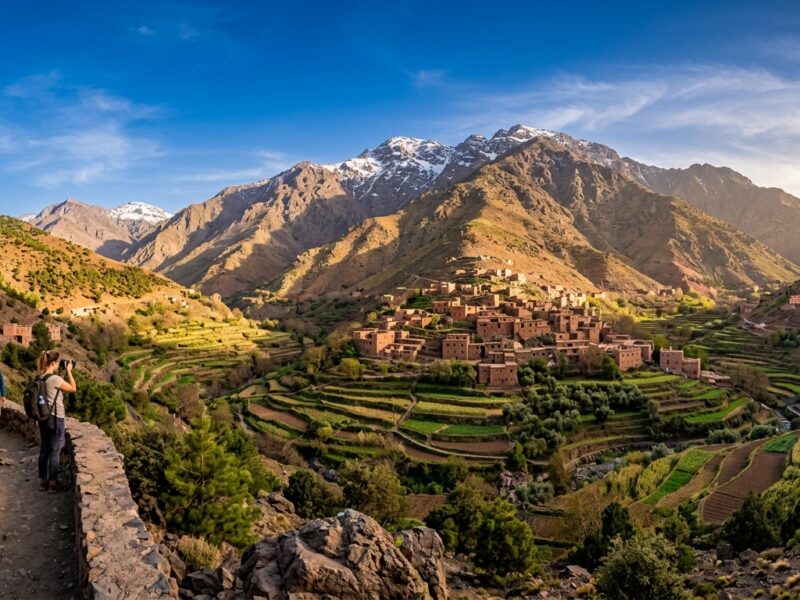
Travelers planning treks in the Atlas Mountains — including popular routes up Mount Toubkal (4,167m/13,671ft) — need specific health tips Morocco for high-altitude conditions. Altitude sickness can strike anyone, regardless of fitness level, and symptoms include headaches, nausea, dizziness, fatigue, and difficulty sleeping.
Prevent altitude-related illness by:
- Ascending gradually — gain no more than 300–500 meters of sleeping altitude per day above 2,500m
- Taking acclimatization rest days, especially on multi-day treks
- Drinking extra water — dehydration accelerates altitude symptoms
- Avoiding alcohol and heavy meals at elevation
- Descending immediately if symptoms worsen despite rest
- Discussing prophylactic medication (Acetazolamide/Diamox) with your doctor before travel
For detailed trail information, gear lists, and guided trek options, our Atlas Mountains trekking guide covers everything you need for a safe mountain adventure.
Powered by GetYourGuide
Managing Energy and Fatigue
Staying healthy in Morocco means respecting your body’s limits. The combination of heat, unfamiliar foods, time zone shifts, and packed sightseeing schedules can drain energy faster than you expect. Plan deliberate rest breaks during the hottest part of the day — follow the local custom and take a siesta between 1 PM and 4 PM. Eat regular, balanced meals that include cooked vegetables, fruits you’ve peeled yourself, and protein. Aim for 7–8 hours of sleep each night to allow your body to recover.
Accessing Medical Care and Health Resources in Morocco
Morocco travel health planning should include knowing exactly where to find medical help before you need it. The quality of care varies significantly by location:
- Casablanca — home to multiple international-standard hospitals including Clinique du Parc and Hôpital Cheikh Khalifa
- Marrakech — several private clinics cater specifically to tourists, with English and French-speaking staff
- Rabat — the capital offers both government and private hospitals with strong reputations
- Fez — the university hospital (CHU Hassan II) and private clinics provide reliable care
Rural areas present a different picture entirely — often just basic health centers with limited supplies and no English-speaking staff. This reality makes travel insurance with medical evacuation coverage absolutely essential. For accommodations in areas with reliable medical access, our guides to hotels in Morocco and traditional riads can help you choose wisely.
💡 Travel insurance is non-negotiable. A medical evacuation from a remote Atlas Mountains village or Sahara camp can cost $10,000–$50,000+ without coverage. Companies like EKTA offer affordable travel insurance policies that include emergency medical coverage and can be purchased online in minutes.
Your Morocco Travel Health Kit
Pack a comprehensive first-aid kit that covers the most common health issues travelers face. Essential items include:
- Pain relievers (ibuprofen and acetaminophen)
- Anti-diarrheal medication (loperamide)
- Oral rehydration salts — critical for recovering from stomach illness or heat exhaustion
- Antibiotic ointment and adhesive bandages
- Digital thermometer
- Tweezers and small scissors
- Antihistamines for allergic reactions
- All prescription medications in their original labeled containers
- Hand sanitizer (60%+ alcohol) and antibacterial wipes
- Insect repellent (DEET 20–30%) and SPF 30+ sunscreen
Medical emergencies: 15 | Police: 19 | Fire: 15. Also save your country’s embassy number and your travel insurance emergency hotline. Consider downloading an eSIM from Airalo before departure so you always have data connectivity for emergency calls and GPS navigation to the nearest clinic.
Additional Morocco Health Advice
Cultural Considerations That Affect Your Health
Health tips Morocco extend beyond the physical to encompass mental and social wellbeing. Understanding local customs reduces stress, prevents uncomfortable situations, and helps you feel genuinely welcome. Dress modestly — covering shoulders and knees — especially in rural areas, traditional neighborhoods, and near religious sites. This isn’t just cultural respect; it also provides practical sun protection and reduces unwanted attention that can cause anxiety.
Learn about proper Moroccan etiquette and discover the warmth of Moroccan hospitality — understanding these customs transforms your trip from surface-level tourism into genuine cultural connection. If you’re a woman traveling to Morocco, our women’s safety guide provides specific, practical advice for navigating the country confidently.
Mental Health and Wellbeing
Staying healthy in Morocco includes taking care of your mental state. Culture shock is real — the sensory intensity of Moroccan medinas, language barriers, different social norms, and the sheer pace of new experiences can overwhelm even seasoned travelers. Combat these feelings by:
- Staying connected with family and friends through video calls
- Journaling about your experiences to process them
- Taking deliberate breaks from sightseeing to rest and recharge
- Finding quiet spaces — gardens, rooftop terraces, or a calm riad courtyard — for reflection
- Being patient with yourself as you adapt to unfamiliar situations
Language barriers can be a significant source of frustration. Learning basic Arabic greetings (Salam alaikum — peace be upon you) or French phrases goes a long way. Most Moroccans in tourist areas speak some English, but even a small effort to communicate in their language creates genuine goodwill and warmer interactions.
Powered by GetYourGuide
Staying Informed During Your Trip
Morocco health advice includes monitoring local conditions throughout your journey. Check your government’s travel advisory website periodically for updates on disease outbreaks, extreme weather warnings, or safety concerns. The U.S. State Department and equivalent agencies in the UK, Canada, and Australia maintain regularly updated Morocco advisories.
Join online forums and social media groups for travelers currently in Morocco. Real-time peer reports complement official sources and can alert you to localized issues — a temporary water quality problem in a specific city, a heat wave warning, or a clinic recommendation from someone who just used it.
Practical Travel Logistics That Support Your Health
Your choice of transportation and accommodation directly impacts your health and safety in Morocco. Reliable transport means less stress and less exposure to risk. For getting around safely, explore our Morocco transportation guide, and for pre-arranged airport pickups that eliminate the stress of arrival-day navigation, consider booking a Welcome Pickups airport transfer.
If you plan to explore beyond the major cities, renting a car in Morocco gives you the freedom to control your environment — air conditioning when you need it, bottled water within reach, and the ability to reach medical care on your own schedule.
Conclusion: Your Morocco Health Checklist
Following these health tips Morocco will transform your trip from a dice roll into a confident, well-prepared adventure. The most critical Morocco health advice to remember: get vaccinated 4–6 weeks before departure, drink only bottled water, protect yourself relentlessly from the sun and insects, stay hydrated beyond what feels necessary, and always know where the nearest quality medical care is located.
Preparation is the difference between the traveler who comes home with incredible stories and the one who comes home with a medical bill. Purchase comprehensive travel insurance before you leave. Pack a well-stocked first-aid kit. Save emergency numbers in your phone. And stay flexible — if your body tells you to rest, listen to it.
Share this guide with your travel companions so everyone benefits from the same Morocco travel health knowledge. With smart preparation and common-sense precautions, you’ll create the kind of Moroccan memories that last a lifetime — the sunset over the Sahara, the first sip of perfectly sweet mint tea, the call to prayer echoing across a blue-walled medina — all experienced in full health and without worry.
For more practical planning, explore our guides on Morocco travel costs and our comprehensive Morocco safety travel guide to round out your preparation.
Reserve Your Spot
Book Safe, Guided Experiences in Morocco
Expert-led tours take the guesswork out of food safety, navigation, and local knowledge. Instant confirmation, free cancellation on most activities.
Frequently Asked Questions
Everything you need to know about staying healthy in Morocco
✦ Your Morocco Journey Starts Here
Travel Morocco Healthy, Come Home Happy
With the right vaccines, a stocked first-aid kit, and the smart precautions in this guide, you’re set to experience Morocco’s magic without worry. The medinas, mountains, and Sahara sunsets are waiting — and now you’re ready for all of it.