Moroccan Markets: The Ultimate Guide to Shopping in Morocco’s Souks
Discover the ultimate Moroccan markets guide — with insider tips on shopping in Morocco’s legendary souks, what to buy, how to haggle like a local, and the must-visit market spots from Marrakech to Fez.
Picture yourself stepping into a world where fragrant cumin mingles with the scent of fresh mint tea, where the rhythmic clanging of brass echoes through narrow alleyways, and where a kaleidoscope of hand-woven carpets creates a feast for your eyes. Welcome to the enchanting realm of Moroccan markets, where centuries of tradition come alive in every transaction and every smile shared over a cup of tea.
This comprehensive Morocco market guide unlocks the secrets of shopping in Morocco’s legendary souks. You’ll discover where to find the best markets, what treasures to seek out, how to haggle respectfully, and practical tips to make your adventure unforgettable. From the bustling squares of Marrakesh to the ancient tanneries of Fez, we’ll navigate together through cultural treasures that have served as the beating heart of Moroccan commerce since the 11th century.
Morocco’s position as a historic crossroads between Africa, Europe, and the Middle East has shaped these markets into more than mere shopping destinations. They’re living museums where ancient trade routes once connected sub-Saharan Africa to Scandinavia, creating the vibrant tapestry of culture and commerce you’ll experience today.
✦ Key Takeaways
Moroccan souks are traditional marketplaces organized by ancient guild systems dating back to the 11th century.
Successful haggling follows a 5-step social dance — start your counter-offer at 40–50% of the opening price.
Quality Berber rugs (6×9 feet) range from 4,000–10,000 MAD with certificates from artisan cooperatives.
Morning visits (9–11 AM) offer quieter browsing while evenings provide atmospheric shopping experiences.
Authentic purchases require verification through “Handmade in Morocco” tags and cooperative certificates.
Souks in Morocco: What Makes Them Unique?
Understanding the difference between a souk and a regular market helps you appreciate what makes the Moroccan market experience so special. A souk represents a traditional marketplace, often covered and organized by artisan guilds that have operated for centuries. These aren’t just places to buy things — they’re cultural institutions where craftsmanship passes from master to apprentice, maintaining traditions that stretch back to 11th-century caravan routes.
The word “market” can describe any place of commerce, but in Morocco, locals use the terms interchangeably. However, when someone mentions a souk, they’re referring to something deeper — a place where tradition and craftsmanship reign supreme. These Moroccan market spaces evolved from ancient trading posts where merchants from across Africa, Europe, and Asia converged to exchange goods, ideas, and cultures.
💡 Ancient guild organization still shapes today’s souks. Metalworkers cluster together, dyers work side by side, and leather craftsmen occupy their own quarter. This system was perfected over centuries to maintain quality standards and create natural competition among artisans.
Each region’s markets reflect local character and specialties. In Fez Morocco, you’ll lose yourself in labyrinthine lanes where metalworkers craft intricate lanterns and dyers create vibrant fabrics using techniques unchanged for centuries. The narrow corridors twist and turn, each corner revealing new treasures and time-honored crafts that earned the Fez medina its UNESCO World Heritage status.
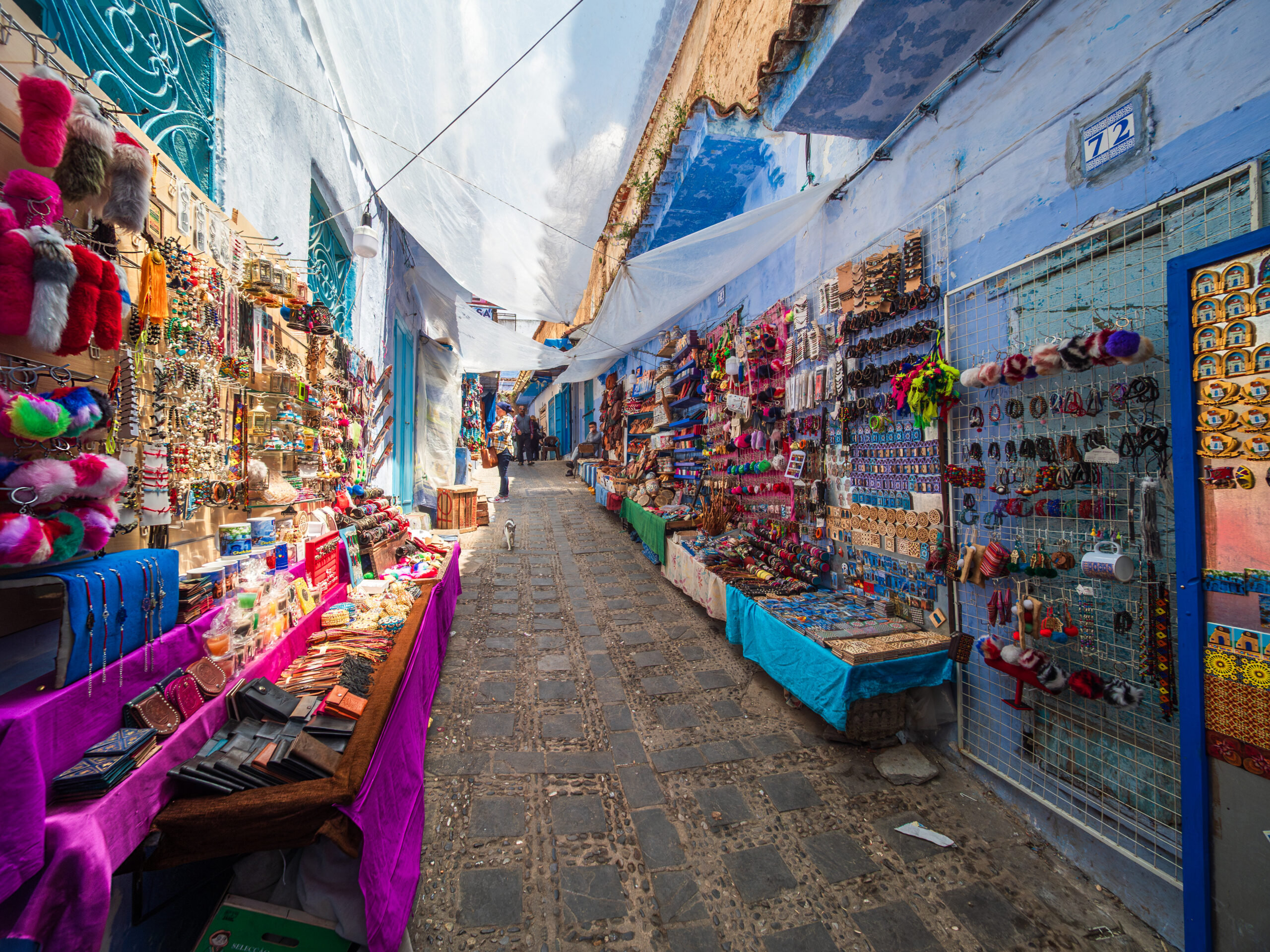
Chefchaouen’s markets mirror the town’s famous blue-washed walls. Here, indigo-tinted alleys lead to stalls overflowing with soft wool blankets and woven textiles. The cooler mountain climate influences what you’ll find — warm clothing and thick carpets dominate, and prices remain noticeably lower than in Marrakesh or Fez.
Down south in Taroudant, the tanners’ souk showcases Morocco’s legendary leather craftsmanship. The air carries the earthy scent of natural tanning processes, and skilled artisans transform raw hides into buttery-soft bags, shoes, and jackets that last for generations. These regional variations make exploring multiple Moroccan markets across different cities a rewarding adventure.
Powered by GetYourGuide
Must-Visit Markets City by City
Marrakesh: The Heart of Morocco’s Market Culture
The heart of any Marrakesh market experience beats strongest at Djemaa El Fna, a UNESCO World Heritage site that transforms throughout the day. By morning, snake charmers and henna artists claim their spots. As dusk approaches, over 100 food stalls materialize like magic, filling the air with sizzling kebabs and aromatic tagine. This isn’t just a market — it’s theater, cuisine, and commerce rolled into one unforgettable experience.
Beyond the famous square, the Marrakech Medina houses an intricate network of specialized Marrakech souks. Souk Semmarine dazzles with textiles in every imaginable color and pattern. Navigate deeper to find Souk El Attarine, where pyramids of saffron, cumin, and the mysterious spice blend ras el hanout create an olfactory paradise. For upscale shopping, Souk Cherifia offers contemporary takes on traditional crafts in a beautifully restored riad setting.
Marrakesh’s souks run from 9 AM to 11 PM daily, but Friday mornings are quieter due to prayers. Mornings are best for serious shopping, afternoons for leisurely browsing, and evenings for soaking in the atmosphere. Consider joining a guided city tour to discover hidden gems and understand the cultural significance of each market area.
Fez Leather Quarters
Fez’s Chouara tannery stands as a testament to Morocco’s enduring craftsmanship. Dating from the 11th century, these stone pits filled with natural dyes create a scene unchanged for a millennium. Workers stand knee-deep in indigo and poppy solutions, transforming raw hides into the supple leather that made Fez Morocco famous worldwide.
The best viewing comes from surrounding terraces, where leather shops offer mint sprigs to offset the pungent aroma. From these vantage points, you’ll witness the entire process — from cleaning and soaking to dyeing and drying. When buying leather goods here, expect to bargain 30–50% off the initial price. The quality justifies the effort — Fez leather goods last decades with proper care. For a deeper exploration of Morocco’s historical craftsmanship traditions, Fez is unmatched.
Powered by GetYourGuide
Essaouira Coastal Souks
Essaouira’s Moroccan markets blend coastal charm with artisanal excellence. The Atlantic breeze carries the scent of fresh seafood from the port, where fishermen auction their daily catch each afternoon. This seaside setting creates a more relaxed market atmosphere compared to inland cities.
Wood inlay artisans showcase their skills using fragrant thuya wood, creating intricate boxes and decorative pieces. The cooler coastal climate makes Essaouira perfect for visiting argan oil cooperatives, where you can watch women extract this liquid gold using traditional stone mills. A full-day trip from Marrakech allows you to explore these coastal treasures at a comfortable pace.
Lesser-Known Gems
Venture beyond tourist trails to discover authentic Moroccan markets where locals shop. Rissani’s camel and livestock market operates Mondays, Thursdays, and Sundays, maintaining barter traditions where handshakes seal deals. This isn’t a tourist show — it’s real commerce where Berber traders negotiate over sheep, goats, and yes, camels.
Weekly rural souks like Asni’s Saturday market offer authentic pricing and genuine interactions. Here, mountain villagers descend to trade produce, livestock, and handicrafts. Prices reflect local economics rather than tourist inflation, and you’ll experience Moroccan market culture without the tourist overlay. These authentic rural experiences provide insights into traditional commerce that has remained unchanged for generations. For even more off-the-beaten-path inspiration, explore our guide to hidden gems in Morocco.
Shopping in Morocco: What to Buy & Average Prices
Moroccan markets overflow with treasures, but knowing what to look for and fair prices helps you shop confidently. Here’s your essential guide to the must-buy items and their typical price ranges in 2026.
Rugs & Carpets
Rugs represent Morocco’s most iconic craft and one of the best souvenirs from Morocco. A small Berber kilim (2×3 feet) ranges from 1,000–2,500 MAD ($100–250). Hand-knotted Beni Ourain rugs (6×9 feet) command 4,000–10,000 MAD ($400–1,000). Quality indicators include the natural dye smell, double knots visible on the back, and certificates from artisan cooperatives. Run your hand across the surface — quality rugs feel substantial and even.
Leather Goods
Centuries of expertise come through in every piece. Expect to pay 250–400 MAD for authentic poufs, while leather jackets range from 800–1,500 MAD. Vegetable-tanned goat leather has a distinctive earthy smell that distinguishes it from chemical processing. The leather should feel supple yet sturdy, aging beautifully over time.
Ceramics & Zellige
Safi plates cost 80–150 MAD depending on size and intricacy. Look for lead-free glaze stamps — reputable sellers display these proudly. The geometric patterns and vibrant blues tell stories of Moorish influence and artistic evolution that reflects Morocco’s architectural heritage.
Metalwork & Lanterns
Hand-pierced brass lanterns range from 300–800 MAD based on size and complexity. Hold them to light to see the intricate shadow patterns they cast — this preview shows their true beauty. These are among the most photogenic purchases you’ll find in any Moroccan market.
Argan Oil
Morocco’s beauty secret in a bottle. Cosmetic-grade 100ml bottles cost 60–120 MAD. Avoid plastic packaging and verify cold-pressed labels. Pure argan oil has a light, nutty scent and golden color. It shouldn’t feel greasy or have added fragrances.
Spices & Ras el Hanout
Expect 20–30 MAD per 100 grams for quality spices. Verify freshness by aroma — good spices announce themselves. Ras el hanout, the “king of spices,” varies by seller but should contain at least 12 ingredients. These spice blends are at the heart of Morocco’s legendary cuisine.
💡 Jewelry buyer’s tip: For Tuareg silver and Berber jewelry, look for “925” hallmarks and test with a magnet — real silver won’t attract. Berber designs often incorporate coral, amber, and geometric patterns that tell tribal stories. For a deeper dive into what’s worth buying, see our complete what to buy in Morocco guide.
Powered by GetYourGuide
Haggling & Etiquette: Navigate Moroccan Markets Like a Pro
Bargaining in Moroccan markets isn’t confrontation — it’s a social dance with established steps. Understanding this cultural foundation transforms potentially stressful negotiations into enjoyable exchanges. Moroccans view haggling as relationship building, not conflict.
Follow this proven 5-step script for successful negotiations:
Start with “Salam Alaikum” (peace be upon you)
This simple greeting shows respect and sets a positive tone for the entire interaction. Moroccans appreciate effort to engage with their culture, and a warm smile paired with this greeting opens doors — literally and figuratively.
Let the vendor name their opening price first
The vendor will quote their opening price, typically marked up 100% or more for tourists. Don’t react with shock — this is the expected starting point of the dance, not an attempt to cheat you. Use “Kam?” (how much?) or “Combien?” in French.
Your starting offer — this isn’t insulting, it’s expected
Counter at 40–50% of the opening price with a smile. This establishes your negotiating range. The vendor expects this — and respects a buyer who knows the game. You’ll typically meet somewhere around 60–70% of the original ask.
Inch upward in 10% increments — enjoy the process
If offered tea, accept. This isn’t a commitment to buy — it’s Moroccan tea culture at its finest. Tea drinking provides thinking time and builds rapport. Move your price up slowly in 10% increments while the vendor comes down.
Say “Shukran” (thank you) whether you buy or not
When you reach agreement — or decide to walk away — close with grace. “Shukran” and a handshake maintain goodwill. The walk-away tactic works about 70% of the time; vendors often call you back with better prices. Maintaining goodwill matters more than any single transaction.
“Bezzaf” (too expensive) • “Kam?” (how much?) • “La, shukran” (no, thank you) • “Wakha” (okay/agreed). In French: “C’est trop cher” (it’s too expensive) and “Dernier prix?” (final price?). For more negotiation strategies, read our dedicated bargaining tips for Morocco souks guide.
Safety and courtesy go hand-in-hand in crowded souks. Watch bags carefully in dense crowds. Dress modestly to show cultural respect — shoulders and knees covered for both genders. Always ask permission before photographing people or their stalls. Many artisans happily pose with their work when asked politely, reflecting the genuine Moroccan hospitality that makes these interactions so memorable. For comprehensive guidance on local customs, our Moroccan etiquette guide covers everything you need to know.
Powered by GetYourGuide
Practical Tips for Planning Your Morocco Market Adventure
Best Times to Visit
Timing your Moroccan market visits dramatically impacts your experience. Mornings from 9–11 AM offer quieter browsing with attentive vendors who are fresh and willing to negotiate. Evenings bring atmospheric shopping with dramatic lighting and bustling energy. Avoid midday Friday when many shops close for prayers.
Currency & Payment
Current exchange rates hover around 1 USD to 10 MAD (verify current rates before traveling). ATMs cluster near medina gates, but most stalls accept cash only. Break large bills at hotels or restaurants since vendors struggle with change. For convenient accommodation near major markets, explore recommended hotels that offer easy access to shopping districts.
📌 Planning note: Carry small bills (20 and 50 MAD notes) in an accessible pocket for quick purchases. Keep larger amounts in an inner pouch or RFID-blocking belt. This speeds up transactions and gives you more negotiation flexibility.
What to Wear
Choose breathable cotton that covers appropriately. Closed shoes protect feet on uneven cobblestones — open-toed sandals are a recipe for sore toes in crowded souks. A light scarf serves double duty as sun protection and modesty when needed. Leave valuable jewelry at home to avoid unwanted attention.
Shipping Purchases Home
Most vendors supply basic bubble wrap, but bring extra for precious items. Poste Maroc offers budget shipping (3–6 weeks delivery) while DHL provides tracking and speed at premium prices. Factor shipping costs into your budget — large carpets can cost 300–800 MAD to ship plus 10% customs fees at the destination. Many vendors handle shipping logistics for a small fee, so ask before assuming you need to arrange it yourself.
Reliable internet helps you research prices, translate phrases, and coordinate shipping while navigating markets. Consider an eSIM from Airalo to eliminate roaming charges and stay connected throughout your trip. For more practical planning, check our Morocco travel cost guide to budget effectively.
Safety Essentials
Distribute cash between inner pouches and pockets. Keep phones and cameras secure but accessible. Most importantly, stay aware of your surroundings without appearing paranoid. Morocco’s markets are generally safe — common sense and respect for the culture go a long way. For comprehensive safety information, review our Morocco safety travel guide.
“Moroccan Market Near Me”: Bringing the Souk Spirit Home
Missing Moroccan market magic after returning home? Many cities host seasonal Moroccan bazaars and cultural festivals recreating souk atmospheres. Permanent specialty stores in major Western cities import authentic goods year-round. These venues let you experience Moroccan markets without airfare.
Verifying authenticity protects against disappointment. Look for “Handmade in Morocco” or “Fait Main au Maroc” tags. Request cooperative certificates — legitimate sellers proudly share their artisan partnerships. Apply price logic: a genuinely hand-knotted rug cannot sell for under $50 given the labor involved.
💡 Online buying tip: Request close-up photos showing knot density and weave patterns. Natural light shots reveal true colors better than studio lighting. Video calls with sellers let you inspect items in real time. Legitimate sellers welcome questions about their sources and processes.
When searching “moroccan market near me,” investigate local options thoroughly. Cultural centers often host authentic market events. University international programs sometimes organize bazaars featuring genuine imported goods. Moroccan restaurants may know reputable local importers. And if you can’t find what you’re looking for locally, planning your own trip to Morocco’s market cities may be more rewarding — and surprisingly affordable.
Powered by GetYourGuide
Reserve Your Spot
Book Your Market Experience
Explore Morocco’s legendary souks with expert local guides. From Marrakech medina tours to Fez tannery visits — instant confirmation and free cancellation on most experiences.
Frequently Asked Questions
Everything you need to know before shopping in Morocco’s souks
✦ Your Morocco Journey Starts Here
Step Into the Souk — Your Story Awaits
From the theatrical energy of Marrakesh’s Djemaa el-Fna to the ancient tanneries of Fez, from Essaouira’s coastal charm to Rissani’s authentic livestock markets — Morocco’s souks engage every sense. You’ll return home with more than souvenirs. You’ll carry memories of mint tea negotiations, friendly banter with artisans, and the satisfaction of finding perfect treasures at fair prices.