Solo Travel Morocco: Complete Safety Guide, Best Routes & Essential Tips for 2026
Planning solo travel Morocco adventures? Discover our comprehensive guide covering safety tips, best destinations for independent travel, cultural insights, and practical advice for 2026.
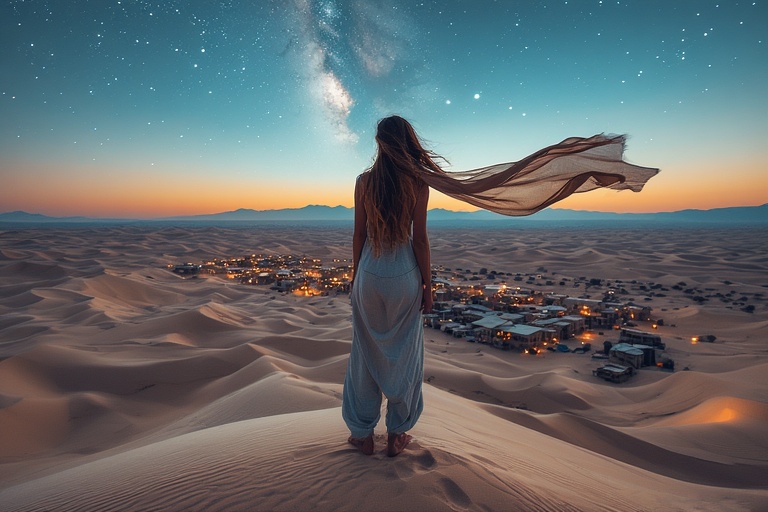
Solo travel Morocco opens a world of sensory wonders the moment you step off the plane. The haunting calls of the muezzin echo across terracotta rooftops while the intoxicating scent of cumin and cinnamon wafts from nearby spice souks. Whether you’re a first-time solo adventurer or a seasoned independent traveler, Morocco rewards curiosity with experiences you simply cannot replicate from the safety of a group tour—spontaneous tea invitations in Fes alleyways, sunrise over the Sahara dunes with no one else in sight, and the liberating rhythm of navigating a new culture entirely on your own terms.
The appeal of traveling alone in Morocco is undeniable. The country boasts 3,500 kilometers of Atlantic and Mediterranean coastline, the towering High Atlas peaks including Mount Toubkal at 4,167 meters, and the mesmerizing Sahara dunes that reach heights of 150 meters. This geographic diversity creates endless adventure possibilities whether you’re seeking cultural immersion, outdoor adventures, or simply a place to unwind and reflect. With over 50 direct flight routes connecting European cities to Morocco’s major airports and an efficient ONCF rail network linking major cities, getting around is relatively straightforward.
According to recent tourism data, Morocco welcomed over 15 million visitors in 2025, with independent travelers jumping 32% compared to pre-pandemic levels. This growth reflects Morocco’s increasing reputation as a safe, affordable, and culturally rich destination for those exploring alone. In this solo travel Morocco guide, we’ll address all your concerns about safety, share the best destinations, and provide practical tips to make your adventure truly unforgettable.
✦ Key Takeaways
Solo travel Morocco is statistically safe with a crime index comparable to Spain (48), though female travelers should take additional precautions in medinas and after dark.
The best routes for independent travelers include the Classic Circuit (Marrakech–Merzouga–Fes–Chefchaouen), Coastal Chill (Essaouira–Taghazout), and Northern Loop (Tangier–Tetouan–Chefchaouen).
Accommodation options range from traditional riads to hostels and desert camps, with security features like 24-hour reception particularly important for solo adventurers.
Cultural understanding and basic Darija phrases like “La, shukran” significantly enhance both safety and the richness of your Moroccan experience.
A mid-range solo budget of $40–60 per day covers accommodation, food, and transportation—making Morocco one of the most affordable solo destinations near Europe.
Is Solo Travel Morocco Safe? The Complete Safety Guide
Safety is the foremost concern for anyone considering independent travel in Morocco—and understandably so. The headline answer? Statistically, Morocco is relatively safe, with a crime index (Numbeo 2024: 48) comparable to Spain (48.3) and lower than France (55). Violent crime against tourists traveling alone is rare, with petty theft and verbal harassment being the main concerns.
Morocco ranks as the 2nd safest African nation on the Global Peace Index, challenging persistent myths about danger. The reality of safety comes from those who’ve experienced it firsthand—many long-term residents and repeat visitors report no serious incidents during years of exploring throughout the country. Tourist police are present in major cities, and the government has invested significantly in tourism infrastructure security.
💡 Emergency numbers to memorize: Police 19 (landline) / 190 (mobile), Ambulance 15. Save these in your phone before arrival and download offline maps like Maps.me for navigation without data.
Common safety concerns for independent travelers include traffic hazards (with approximately 3,000 road fatalities yearly according to WHO data), petty scams targeting tourists, and unwanted attention. Smart travelers use pedestrian underpasses, follow locals when crossing busy streets, and learn firm Darija phrases like “La, shukran” (No, thank you) to deflect unwanted attention. For a comprehensive analysis of safety considerations, statistics, and practical advice, explore our detailed guide: Is Morocco Safe for Solo Travelers?
Situations to Avoid and Embrace When Traveling Alone
When traveling alone in Morocco, certain situations deserve caution. Be wary of overly friendly “guides” around tourist hotspots like Jemaa el-Fna, unmetered taxis especially late at night, empty medina alleys after 23:00, and accepting tea invitations from strangers you’ve literally just met on the street. These aren’t reasons to stay home—they’re simply awareness points that any experienced traveler applies worldwide.
Busy cafés filled with local families, organized desert tour camps, women-only train compartments (Car 4 on select ONCF routes), and accommodations with 24-hour reception are all situations that generally offer security and authentic experiences. Trust the energy of a place—if locals bring their children there, it’s safe.
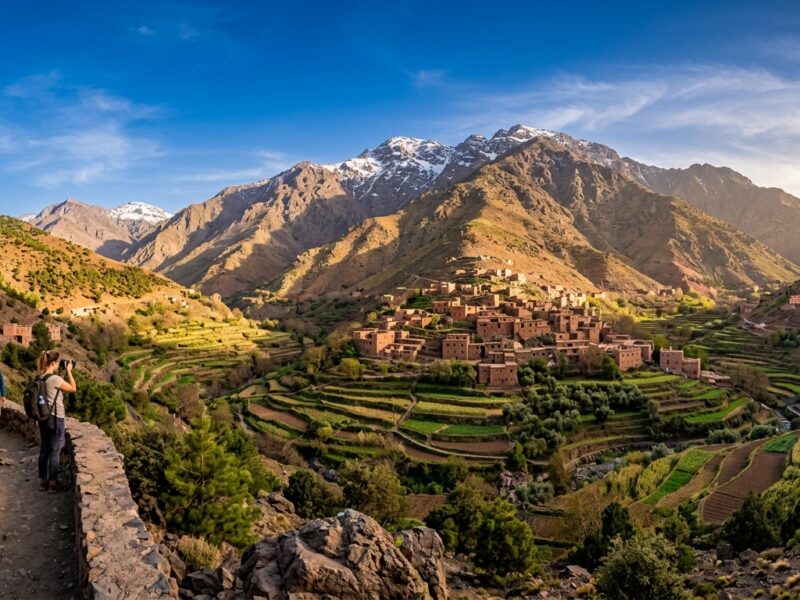
Technology enhances safety during solo travel Morocco adventures. Download offline maps, share your live location via WhatsApp with trusted contacts, and consider using a VPN service for secure internet access on public Wi-Fi networks. For mountain trekking adventures, consider exploring the Atlas Mountains with reputable guides rather than hiking remote areas completely by yourself.
Powered by GetYourGuide
Solo Female Travel Morocco: Essential Tips and Strategies
Female travelers face unique considerations when visiting Morocco independently. While the country is generally safe, cultural differences and traditional gender roles can create situations requiring additional awareness and preparation. The good news? Thousands of women travel Morocco solo every year and return with overwhelmingly positive stories.
Cultural interactions during solo female travel benefit from subtle adjustments. Opt for handshakes over hugs when meeting locals. Maintain eye contact during conversations but avoid constant smiling, which can sometimes be misinterpreted as romantic interest in Moroccan culture. When working with male guides or shopkeepers, establishing boundaries verbally using phrases like “Ana mastajel(a)” (I’m in a hurry) creates a polite but firm approach.
💡 Accommodation tip for women traveling alone: Select riads or hostels offering 24-hour reception, female dorm availability, and lockable storage. Many booking platforms now offer “women-only dorm” filters. Setting a personal curfew around 22:00 when exploring old medinas is also advisable.
In major cities like Casablanca, Marrakech, and Rabat, ride-hailing apps like InDrive provide secure nighttime transportation options for women exploring independently. Technology enhances security—download safety apps like bSafe or Noonlight and preload your embassy’s contact information.
When considering appropriate attire for women traveling independently, respect for local customs enhances both safety and cultural connections. Cover shoulders and knees when exploring medinas and religious sites, while beach areas allow more relaxed clothing—though use cover-ups when leaving the sand. Learn more about traditional and modern clothing in our Moroccan Dress Guide, which offers practical insights for visitors.
For a complete resource dedicated to female travelers, including packing suggestions, harassment-handling strategies, and testimony from women who’ve journeyed throughout Morocco alone, visit our dedicated guide: Solo Female Travel in Morocco: Essential Tips.
The most effective response to unwanted attention is a firm “La, shukran” while continuing to walk confidently. If harassment persists, move toward crowded areas, enter a shop, or seek assistance from tourist police. Most Moroccans are respectful and will actually help intervene if they see a woman being bothered.
Best Destinations for Solo Travel Morocco Adventures
Morocco offers diverse destinations perfectly suited to independent explorers, each with unique attractions and atmosphere. From bustling imperial cities to tranquil coastal retreats and mountain villages, the country provides environments for every travel style and comfort level. Here are the top picks for solo travelers in 2026.
Marrakech: The Ideal Starting Point
Marrakech serves as an ideal starting point for many travelers visiting alone, offering a vibrant introduction to Moroccan culture. The city’s established tourism infrastructure, abundance of accommodations catering to independent travelers, and excellent transportation connections make it logistically straightforward. Must-visit spots include Jemaa el-Fna square, the historic Marrakech Medina, and the peaceful Majorelle Gardens. The city also offers numerous cooking classes where you can connect with others while learning local culinary arts.
Powered by GetYourGuide
Chefchaouen: The Blue City for Peaceful Reflection
The blue city of Chefchaouen in the Rif Mountains offers perhaps the most peaceful environment for reflection when traveling alone. Its distinctive blue-washed buildings, walkable size, and relaxed atmosphere make it a favorite for those seeking authentic experiences without the intensity of larger cities. The surrounding mountains provide hiking opportunities for nature lovers, including trails to the stunning Akchour waterfalls.
Essaouira: Coastal Charm and Easy Connections
For those seeking a more laid-back experience, Essaouira’s coastal charm provides the perfect balance of culture and relaxation. This artistic hub attracts independent travelers with its walkable medina, beach activities, and café culture. The consistent presence of other visitors makes it easy to form connections while exploring or taking surf lessons along its windy shores.
Fes Morocco: Deep Cultural Immersion
Fes rewards the solo traveler who craves depth over breadth. The world’s largest car-free urban zone, Fes el-Bali, is a labyrinth of 9,000+ alleyways where you’ll encounter medieval tanneries, hidden theological colleges, and artisan workshops unchanged for centuries. The sensory intensity can feel overwhelming in a group—but alone, you set the pace, pausing to watch a coppersmith at work or ducking into a quiet courtyard riad for mint tea when the energy peaks.
The Sahara Desert: Unforgettable Adventure
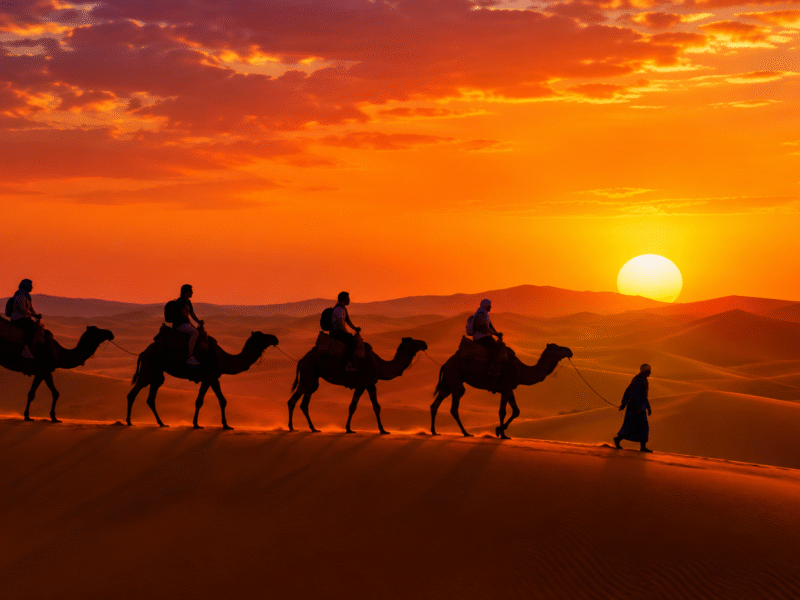
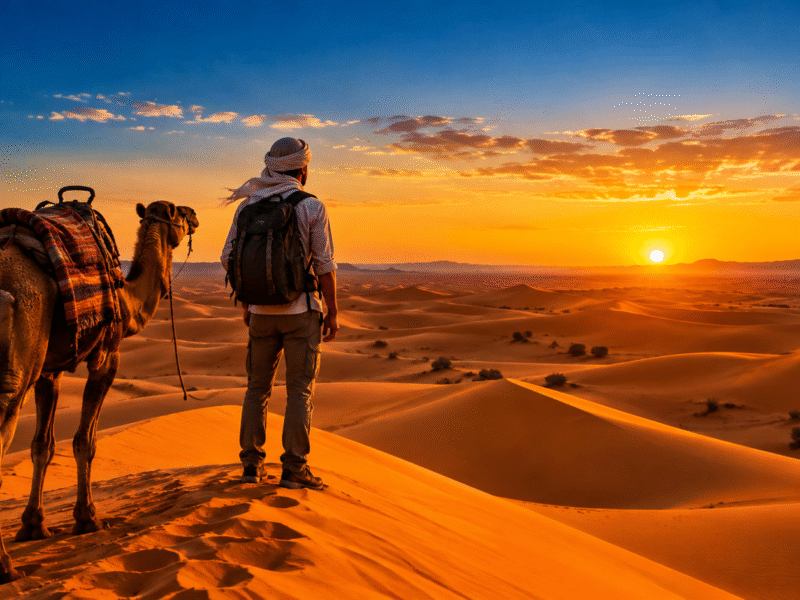
For adventurous souls, the Sahara Desert—particularly the Erg Chebbi dunes near Merzouga—presents an unforgettable experience. While not recommended for completely independent exploration, joining a desert tour from Marrakech or Fes allows you to experience the magic of the dunes safely. These tours typically include camel treks, overnight stays in desert camps, and opportunities to connect with fellow travelers under the Saharan stars.
Powered by GetYourGuide
For a comprehensive breakdown of Morocco’s most solo-friendly destinations, including detailed safety ratings and accommodation recommendations, explore our guide: Best Destinations in Morocco for Solo Travelers. Beyond the well-known locations, consider exploring Morocco’s hidden gems and offbeat adventures which often provide the most authentic and memorable experiences.
Best Solo Travel Routes & Itineraries
Having the right itinerary transforms solo travel Morocco from overwhelming to exhilarating. These three routes are battle-tested by independent travelers and designed for maximum experience with minimum logistical headaches. Choose based on your travel style, available time, and comfort level.
Marrakech → Ait Benhaddou → Merzouga → Fes → Chefchaouen
This is Morocco’s greatest-hits route and the most popular for first-time solo travelers. Start with 2–3 days in Marrakech to acclimate—explore the medina, visit Bahia Palace and Koutoubia Mosque, and take a cooking class. Then join a shared 3-day desert tour to Merzouga, stopping at Ait Benhaddou and the Dades Gorges en route. The shared tour format is perfect for solo travelers—you’ll meet others instantly.
From Merzouga, take a bus or shared transfer to Fes for 2–3 days of getting gloriously lost in the medina. Finish with a bus to Chefchaouen for 2 days of blue-washed tranquility before departing via Tangier. Budget: approximately $500–800 total including accommodation, food, and the desert tour.
Marrakech → Essaouira → Taghazout → Agadir
Ideal for solo travelers who prefer beaches, surf, and a relaxed pace. Take a day trip or bus from Marrakech to Essaouira (2.5 hours), spending 3–4 days exploring the medina, eating fresh seafood at the port, and watching the sunset from the ramparts. The town’s compact size makes it feel safe and easy to navigate alone.
Continue south to Taghazout for surf lessons and a backpacker-friendly vibe—this tiny coastal village has become a magnet for solo travelers and digital nomads. Finish in Agadir for a resort-style cooldown before flying home. This route is especially popular with solo female travelers due to the established backpacker communities along the coast.
Tangier → Tetouan → Chefchaouen → Fes → Rabat
Perfect for travelers arriving from Spain by ferry. Begin in Tangier with its cosmopolitan cafés, the Caves of Hercules, and the Kasbah Museum. Move to Tetouan (a less-touristed UNESCO medina) before heading inland to Chefchaouen. The northern region feels distinctly different from southern Morocco—cooler, greener, and with strong Andalusian influences.
Train from Fes to Rabat for a day of exploring the capital’s UNESCO-listed sites before connecting onward. This loop works brilliantly for solo travelers on a shorter timeline who want cultural depth without the long desert transfers.
📌 Planning note: All three routes work best during shoulder seasons (March–May and September–November) when temperatures are comfortable and crowds are manageable. Book desert tours and popular hostels at least 1 week ahead during these periods.
Transportation Options for Solo Travel Morocco
Navigating Morocco’s transportation systems confidently is key to a successful independent journey. The country offers diverse options ranging from modern trains to traditional shared taxis, each with specific considerations for travelers exploring alone.
Trains: The Solo Traveler’s Best Friend
Morocco’s ONCF train network provides the most comfortable option for intercity journeys, connecting major destinations like Casablanca, Rabat, Tangier, Marrakech, and Fes. First-class compartments offer assigned seating and air conditioning, making them worth the modest price increase (typically 10–25 EUR between major cities). The women-only compartments (typically Car 4 on select routes) provide additional comfort for female travelers. Purchase tickets through the official ONCF app to avoid station queues.
Buses: Reliable and Budget-Friendly
For destinations not served by rail, Supratours and CTM buses offer reliable, air-conditioned service with fixed prices. Book seats 24 hours ahead, especially during peak season. For the safest experience, choose daytime departures and keep valuables close. CTM buses depart from dedicated stations with waiting areas—a more comfortable experience than roadside stops.
Within cities, petit taxis (small colored vehicles) provide affordable rides. Always insist on the meter (“compteur”) or negotiate the fare before entering. For grand taxis between towns, the phrase “takamla” means you wish to hire the entire vehicle—useful for early departures. For a complete breakdown, see our Taxi Services Morocco Guide.
While renting a car offers maximum flexibility for exploring Morocco independently, it introduces challenges including navigation in complex medinas and the stress of different driving norms. Consider this option primarily for exploring rural areas after gaining confidence with Moroccan transport systems. For easier car rental comparison, platforms like Localrent or Qeeq let you compare rates across agencies.
For detailed information about all transportation options, routes, and booking strategies, consult our comprehensive Morocco Transportation 2026 Guide.
Solo Travel Morocco Accommodation Guide
Choosing the right accommodation significantly impacts your experience when traveling alone in Morocco, affecting both safety and opportunities for connection. The country offers diverse options catering to different preferences and budgets.
Traditional Riads: Authentic Moroccan Stays
Traditional riads—courtyard houses converted to guesthouses—provide authentic experiences averaging 25–60 EUR nightly including breakfast. For independent explorers, smaller family-run riads often offer more personalized attention and security. Request an “upper-floor inside room” for maximum quiet and privacy. Many riads provide airport transfers, eliminating the stress of navigating transportation upon arrival.
Hostels: Instant Connections
Hostels foster instant connections when traveling alone through communal spaces perfect for meeting fellow adventurers. Morocco’s hostel scene has evolved significantly, with many properties now offering excellent amenities including rooftop terraces, organized activities, and family dinners. Prioritize locations with 24-hour security and female-only dorms if that’s a preference. Popular hostels in Marrakech, Fes, and Essaouira often organize affordable group excursions, creating natural opportunities to connect with other travelers. Browse options on Hostelworld to find hostels with strong social reviews.
Desert Camps: Communal Magic
Desert camps range from basic to luxurious and are typically accessed through organized tours. When booking desert experiences, choose camps featuring fixed bathrooms rather than shared facilities for added comfort. Clarify whether your transfer involves camel trekking or 4×4 vehicles—both create memories, but comfort levels differ dramatically. The communal nature of luxury desert camps creates natural opportunities for independent travelers to connect with others under the Saharan stars.
💡 Security hack: Pack a portable door lock and rubber door-stop regardless of accommodation type. These simple tools provide extra peace of mind, particularly in properties without 24-hour reception. Most accommodations offer secure Wi-Fi, allowing you to share your location regularly.
Cultural Etiquette & Language Tips for Solo Travel Morocco
Understanding Moroccan cultural norms and mastering basic language skills dramatically enhances your experience when visiting independently, fostering meaningful connections while reducing potential misunderstandings.
Morocco’s cultural landscape blends Arab, Berber, and French influences, creating a rich tapestry of traditions and social customs. Begin interactions with the universal greeting “Salam alaykum” (peace be upon you) and respond with “Wa alaykum salam” when greeted. This simple exchange establishes respect and opens doors to genuine connections during your journey. For deeper insights into Moroccan hospitality traditions, our dedicated guide covers the customs you’ll encounter.
— Sofia, solo traveler from Spain
Essential Darija Phrases for Solo Travelers
Learning basic Darija (Moroccan Arabic) phrases demonstrates respect and often results in warmer interactions. These are the phrases you’ll use daily:
- Hello: “Salam”
- Thank you: “Shukran”
- How much?: “Besh-hal?”
- Too expensive: “Ghali bezaf”
- No, thank you: “La, shukran”
- I’m in a hurry: “Ana mastajel(a)”
- Beautiful: “Zwin”
Bargaining and Shopping
Bargaining follows predictable patterns in Morocco’s souks and markets. Start offers at 40% of the asking price and expect to settle around 60%. Maintain humor throughout negotiations and shake hands to seal final prices—this gesture carries significant weight in Moroccan culture. For detailed advice on navigating markets as an independent traveler, explore our bargaining tips guide.
Cultural Immersion Experiences
For deeper cultural immersion when traveling independently, consider participating in a traditional hammam experience or attending a local festival. These experiences provide authentic insights into Moroccan life rarely accessed through standard tourist activities. If invited into a Moroccan home, remove shoes when indicated, accept tea when offered—refusing can cause offense—and bring a small gift like pastries.
Powered by GetYourGuide
Practical Packing & Preparation Advice for Solo Travel Morocco
Thoughtful preparation creates the foundation for a seamless adventure in Morocco. From strategic packing to health considerations, these practical tips address the specific needs of independent travelers.
Smart Packing Essentials
Choose lightweight, long linen clothing that covers shoulders and knees while remaining cool in hot weather. A versatile scarf serves multiple purposes: sun protection, covering shoulders when entering religious sites, and protection from dust during desert excursions. Closed-toe shoes handle cobblestone medinas better than sandals, though comfortable sandals work well in coastal areas like Essaouira and Taghazout.
Get a local SIM card—Maroc Telecom offers 10GB packages for approximately 80 MAD. Alternatively, activate an eSIM before departure if your device supports it, allowing instant service upon arrival. Download Maps.me for offline navigation and Google Translate with the Arabic language pack.
Money and Documents
The Moroccan Dirham (MAD) operates as a closed currency—you can’t obtain it before arrival. Withdraw cash from ATMs inside banks for maximum security, and carry a mix of payment options including cash and at least two cards stored separately. Prepare these documents before departure:
- Passport with at least 6 months validity and blank pages
- Digital and physical copies of important documents
- Comprehensive travel insurance covering medical emergencies and adventure activities
- Embassy registration if your country offers this service
- Hotel confirmations and transportation tickets
Health Considerations
Health considerations for solo travel include recommended vaccinations and drinking bottled water despite chlorinated tap water in cities. Desert temperatures swing dramatically—up to 30°C between day and night—so pack layered clothing including a warm base layer for evenings. Consistent hydration prevents many common travel ailments, with 3 liters daily recommended in desert regions. For a complete health resource, visit our Health Tips for Morocco Travel guide.
Budget Considerations for Solo Travel Morocco
Traveling alone in Morocco can accommodate various budget levels, from backpacker-friendly to luxury experiences. Understanding typical costs and implementing strategic savings helps maximize both value and experiences. Here’s what to expect in 2026.
Daily Budget Breakdown
Accommodation represents the most variable expense. Hostels average 10–15 EUR per night for dorm beds, while mid-range riads typically cost 30–60 EUR nightly. Budget-conscious travelers can reduce costs by choosing properties slightly outside medina centers or visiting during shoulder seasons (April–May and September–October) when prices drop while weather remains pleasant.
Food costs remain remarkably reasonable throughout Morocco. Street food meals average 2–4 EUR, while mid-range restaurant meals typically cost 8–12 EUR. Independent travelers can save significantly by enjoying breakfast included with accommodation, having a light lunch of msemen (folded pancakes) and fresh orange juice, and choosing one special Moroccan dish for dinner.
Transportation costs vary by mode. Train journeys between major cities cost 10–25 EUR for first-class tickets, while CTM bus services typically range from 5–15 EUR depending on distance. Within cities, petit taxi fares average 1–3 EUR. You can reduce expenses by planning routes efficiently and using night trains for longer journeys, combining transportation and accommodation costs.
Activities and entrance fees remain moderate. Major historical sites typically charge 1–5 EUR entrance, while hammam spa treatments range from 15–50 EUR depending on luxury level. Desert excursions represent the largest potential expense, with quality 3-day tours ranging from 80–150 EUR.
📌 Budget summary: Budget travelers can manage on $30–40 USD daily (hostels, street food, public transport). Mid-range comfort runs $50–70 USD daily (private riad rooms, mix of street food and restaurants). For comprehensive money-saving strategies, visit our Morocco Travel Cost Guide and Save Money Morocco Tips.
Real Solo Travel Morocco Stories & Experiences
Personal narratives provide invaluable insights beyond guidebook advice. These authentic experiences highlight both challenges and transformative moments encountered while exploring Morocco independently.
— Claire, solo traveler from France
Emma from the UK shares: “I felt safest on trains; compartments were well-lit and other women chatted with me throughout journeys. My most memorable experience came from an unexpected invitation to share tea with a family in Fes after I helped their daughter with English homework in a café. That afternoon offered more cultural insight than any guided tour.”
James from Australia offers a male perspective: “Solo travel in Morocco provided a balance of adventure and introspection. In Chefchaouen, I spent days wandering blue alleys and hiking nearby waterfalls. The absence of pressure to maintain a group schedule allowed spontaneous detours that became trip highlights. My advice? Leave room in your itinerary for unplanned discoveries.”
Leila, a Moroccan-American, provides cultural bridging insights: “Traveling my ancestral homeland solo allowed me to reconnect with heritage at my own pace. Being conversational in Darija opened doors closed to many tourists. I’d encourage independent travelers to learn about Morocco’s diverse regions before arrival—understanding the differences between Arab and Berber cultural zones enhances appreciation.”
These narratives highlight a common thread—exploring Morocco independently rewards preparation, cultural respect, and openness to unexpected connections. For more experiences exploring Morocco’s cultural landscape, check our guide to Moroccan Cultural Experiences.
Powered by GetYourGuide
Reserve Your Spot
Book Your Solo Morocco Experience
Choose from the best solo-friendly experiences across Morocco — from Sahara desert tours to Marrakech medina walks. Instant confirmation, free cancellation on most tours.
Frequently Asked Questions
Everything you need to know before your solo Morocco trip
✦ Your Morocco Journey Starts Here
Your Solo Morocco Adventure Awaits
Solo travel Morocco rewards the prepared adventurer with mountain sunrises, mint-tea hospitality, and medina magic that no group tour can replicate. You now have the safety knowledge, the itineraries, and the cultural insight to step off that plane with confidence. The only thing left is to book your first experience and let Morocco surprise you.