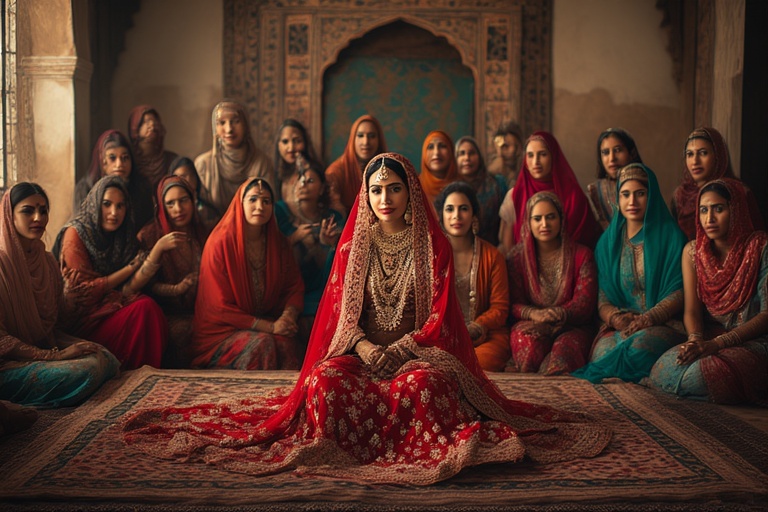
Moroccan Wedding Traditions: 7 Spectacular Customs You Need to Know
Discover 7 spectacular Moroccan wedding traditions — from ancient Berber rituals and multi-day henna ceremonies to modern celebrations that blend centuries of Islamic and cultural heritage into one unforgettable experience.
Imagine drums echoing through narrow medina streets at midnight, the air heavy with rosewater and incense, while a bride draped in gold-threaded silk is carried above a crowd on an ornate wooden platform. This isn’t a scene from a film — it’s a Tuesday night at a Moroccan wedding. In a country where marriage celebrations stretch across three to seven extraordinary days, every ritual tells a story that reaches back centuries. Moroccan wedding traditions are among the most elaborate and culturally rich ceremonies anywhere in the world, weaving together Islamic customs, Berber heritage, and Arab traditions into celebrations that unite entire communities.
✦ Key Takeaways
Moroccan weddings are elaborate multi-day celebrations lasting 3–7 days with distinct rituals each day.
Pre-wedding customs include family negotiations, Hammam purification baths, and intricate Henna ceremonies.
Traditional bridal attire features ornate caftans and takchitas with gold and silver embroidery.
Regional variations exist between Berber, Arab, urban, and rural communities across Morocco.
Modern couples blend traditional elements with contemporary touches while preserving cultural identity.
Historical Context & Cultural Roots
The Moroccan wedding traditions we witness today are the product of centuries of cultural layering. Islamic customs form the spiritual foundation — the marriage contract, blessings, and prayers that sanctify the union — while Berber and Arab cultural practices contribute the elaborate rituals, music, and visual spectacle that make these celebrations so distinctive. Many of these customs date back to pre-Islamic North Africa, preserved through oral tradition and family practice across generations. To appreciate how these traditions developed, understanding Morocco’s history from ancient kingdoms to modern heritage provides essential context.
These wedding customs serve a purpose far deeper than celebration. In Moroccan society, marriage is understood as a sacred bond that strengthens family ties, builds community networks, and continues cultural lineage. When neighbors and extended family members gather for days of shared feasting, singing, and dancing, they reinforce the social fabric that holds communities together. This communal aspect is perhaps what most distinguishes Moroccan weddings from their Western counterparts.
💡 Wedding practices vary dramatically across Morocco’s regions. Mountain Berber villages maintain rituals almost unchanged for centuries, while Arab-influenced coastal cities incorporate Middle Eastern elements. Northern regions near Spain show Andalusian touches, and southern desert communities preserve ancient Saharan customs.
While modern influences have introduced changes — shorter celebrations, contemporary fashion elements, professional photography — most Moroccan families still honor the core traditions that give these ceremonies their cultural weight. Today’s couples might compress a seven-day wedding into three, but they rarely sacrifice the rituals that matter most: the Hammam, the Henna, the Amaria procession. This balance between preservation and adaptation is what keeps Moroccan wedding heritage alive and meaningful.
Pre-Wedding Customs & Rituals
Before a single note of music plays or a plate of food is served, Moroccan weddings begin with a series of carefully choreographed pre-wedding traditions that can span weeks or even months. Everything starts with the engagement — but unlike a Western proposal between two people, the Moroccan engagement is a family affair that involves formal negotiations, community approval, and the signing of a binding legal contract.
The Engagement & Family Negotiations
The process typically begins when the groom’s family visits the bride’s family to formally request her hand in marriage. These meetings, often conducted over multiple visits, involve discussions about the marriage terms, the mahr (dowry), and the practical details of building a new household. The culmination is the signing of the Drib Sdak — the Islamic marriage contract that makes the union legally binding. This ceremony is witnessed by an adoul (notary) and close family members, and is treated with great reverence. According to Wikipedia’s overview of Moroccan weddings, the Drib Sdak ceremony has remained largely unchanged for centuries.
In the weeks leading up to the celebration, families hold gatherings to prepare for the festivities. Women come together to make traditional sweets like chebakia and kaab el ghazal, plan elaborate menus, discuss decorations, and share family recipes perfected over generations. These preparations are not merely practical — they are bonding rituals in their own right, building excitement and strengthening ties between the two families.
If you’re invited to help with pre-wedding preparations, always accept — it’s considered a great honor. Bring a small gift like pastries or sugar, and be ready to learn recipes that have been passed down through generations.
The Hammam Purification Ritual
The Hammam ritual is one of the most intimate and spiritually significant pre-wedding customs. The bride visits a traditional Moroccan bathhouse accompanied by her closest female relatives and friends for a ceremonial purification bath. This isn’t an ordinary spa visit — it symbolizes the bride’s spiritual cleansing and her transition from single life to married life, washing away the old and preparing her for the new chapter. Women sing traditional songs, share marital advice, and surround the bride with love and support during this deeply personal ceremony. For travelers who want to understand this tradition firsthand, our complete Hammam experience guide explains the history and significance of this meaningful ritual.
The Henna Ceremony
Perhaps the most visually striking pre-wedding event is the Henna ceremony — a women-only celebration that typically takes place one or two days before the main wedding. A skilled neqqasha (henna artist) applies intricate designs to the bride’s hands and feet using natural henna paste. These elaborate patterns are far more than decoration: they symbolize good luck, fertility, protection against the evil eye, and blessings for the marriage ahead.
The bride sits on a decorated platform, often dressed in green (a color representing fertility and Islam), while her guests celebrate around her with music, dancing, ululation, and festive foods. Moroccan tradition holds that the darker the henna stains the bride’s skin, the stronger her mother-in-law’s love will be — and the happier the marriage. The patterns themselves often contain hidden symbols: flowers for beauty, geometric shapes for protection, and vine patterns representing the intertwining of two lives.
💡 The henna tradition extends beyond weddings. Henna plays a role in many Moroccan cultural experiences, from religious holidays to birth celebrations. Its use in Morocco predates Islam, with evidence of henna application in Berber communities dating back thousands of years.
Traditional Wedding Attire
Moroccan wedding attire is nothing short of breathtaking — a living showcase of the country’s rich textile traditions, artisan craftsmanship, and centuries of aesthetic refinement. The clothing worn during a Moroccan wedding celebration is among the most elaborate and ornate you’ll find anywhere in the world, and it carries deep cultural significance beyond mere appearance.
The Bridal Caftan & Takchita
The most iconic element of Moroccan wedding fashion is the caftan — a long, flowing gown crafted from luxurious fabrics like silk, velvet, or brocade. Equally popular is the takchita, a two-piece ensemble consisting of an inner garment and a sheer, embroidered overdress cinched at the waist with a wide, ornate belt called a mdamma. Unlike Western bridal white, Moroccan wedding dresses come in vibrant colors: deep reds symbolizing passion, emerald greens representing Islam and prosperity, and rich golds signifying wealth and celebration. For a deeper exploration of these styles, our guide to Moroccan dress and traditional clothing covers the full spectrum of Moroccan fashion heritage.
What truly sets Moroccan wedding dresses apart is the extraordinary level of hand embroidery. Skilled artisans — many of whom learned their craft from their mothers and grandmothers — spend months creating a single bridal gown using gold or silver thread in patterns passed down through generations. The sleeves are often wide and dramatic, the hems intricately finished, and every detail carefully considered to create a regal, almost royal appearance.
Moroccan brides traditionally change outfits multiple times during the celebration — sometimes up to seven different caftans in a single evening. Each outfit represents a different region of Morocco, symbolizing the bride’s connection to the nation’s diverse cultural heritage.
The Groom’s Attire & Bridal Jewelry
The groom dresses with equal intention, though his wardrobe is typically simpler. Many choose a traditional djellaba — a long, loose-fitting robe with a pointed hood — made from fine white or cream fabric and decorated with subtle embroidery. Others opt for a tailored Western-style suit complemented by cultural touches such as a traditional tarboosh (fez hat) or embroidered cape.
Jewelry completes the bridal look and carries its own symbolic weight. Large silver necklaces, ornate headpieces called taj (crowns), and heavy bracelets are traditional choices that signal the bride’s family wealth and status. In Berber communities, especially in the Atlas Mountains, heavy silver and amber jewelry with coral or amazonite stones holds particular importance. Combined with the bride’s henna-decorated hands and feet, these pieces create a visual narrative of protection, prosperity, and blessing.
The Wedding Celebration
The main Moroccan wedding celebration is a sensory feast that typically spans three to seven extraordinary days, with each day devoted to specific rituals and activities. This extended timeframe — unthinkable by Western standards — allows families to fully honor each tradition while giving guests ample opportunity to participate, connect, and celebrate. For travelers planning to witness such events, checking the Moroccan festivals 2026 guide can help coordinate travel around major cultural celebrations.
The Amaria Procession
One of the most dramatic moments in any Moroccan wedding is the Amaria — the ceremonial procession of the bride. Seated on an elaborately decorated platform (also called the Amaria), the bride is lifted and carried by four male relatives through the celebration space. She moves above the crowd like a queen surveying her realm, while musicians play traditional instruments — drums, violins, ouds — and guests sing celebratory songs. The procession symbolizes the bride’s transition from her family home to her new life, and it serves as a public declaration of the marriage to the entire community.
Music, Dance & Traditional Entertainment
Music forms the living heartbeat of every Moroccan wedding celebration. The specific style depends on the region and the family’s cultural background — from the spiritual, trance-inducing rhythms of Gnawa music to the elegant Andalusian melodies favored in northern cities like Fez and Tétouan. Chaabi music, a popular folk genre with driving percussion, dominates many wedding celebrations and gets even the most reluctant guests on their feet.
Dancing is inseparable from the music. The ahwach, a collective dance performed in circles with synchronized clapping and foot-stamping, originates from Berber communities in the Atlas Mountains and High Atlas regions. In Arab-influenced urban weddings, professional belly dancers or groups performing shikhat (a traditional dance form) may entertain guests. The energy in the room during peak celebration hours — often well past midnight — is electric, communal, and unforgettable.
The Wedding Feast
Food is the great unifier at Moroccan weddings. Elaborate feasts feature signature dishes that represent the very best of Moroccan cuisine: mechoui (a whole lamb slow-roasted until the meat falls from the bone), pastilla (a savory-sweet pastry layered with pigeon or chicken, almonds, and cinnamon), and monumental platters of couscous topped with seven vegetables and tender meat. Towers of fruit, honey-soaked pastries like chebakia, and almond-filled briouats provide sweet counterpoints throughout the celebration.
The scale of food preparation is staggering. For large weddings, families may hire professional cooks (tabakha) who work for days in advance, preparing dishes in quantities that could feed hundreds. Sharing these meals isn’t just about sustenance — it’s an act of generosity, hospitality, and communal bonding that sits at the heart of Moroccan welcoming culture.
Symbolic Elements & Their Meaning
Every object, gesture, and ingredient at a Moroccan wedding carries symbolic meaning. Understanding these elements transforms a wedding from a colorful spectacle into a deeply layered narrative of hope, protection, and community blessing.
The Handira Wedding Blanket
The handira — the Moroccan wedding blanket — stands as one of the most powerful symbols in traditional Berber wedding ceremonies. These extraordinary textiles are handmade by the bride’s female relatives, often taking months of painstaking work. The basic design features a cream or white wool base decorated with shimmering metal sequins and geometric patterns, each carrying specific meaning: diamonds for protection, zigzag lines for water and life, and crosses to ward off the evil eye.
During the wedding, the bride wears the handira as a ceremonial cape during her procession, wrapping herself in the collective blessings of the women who created it. After the wedding, the blanket takes a prominent place in the couple’s new home — a constant reminder of their families’ love and the community’s protection. In recent years, handiras have gained international recognition as design objects, but their true significance remains rooted in the intimate act of women creating protection and blessing for a new bride.
Henna, Incense & Symbolic Foods
Beyond the wedding blanket, numerous symbolic items weave through Morocco’s marriage customs. Henna paste, with its intricate patterns, represents blessing, joy, and beauty — the darker the stain, the deeper the good fortune. Burning bkhour (incense, often sandalwood or oud) cleanses the celebration space of negative energy and invites protective spirits. Dates and milk, served to the bride and groom, symbolize sweetness and purity in the marriage ahead. Sugar cones, often presented in elaborate towers, represent a sweet and prosperous future.
💡 The exchange of gifts between families carries deep meaning. The groom’s family typically presents gold jewelry — representing lasting financial security — while the bride’s family provides household items to establish the new home. These exchanges formalize goodwill between families and invest in the couple’s future prosperity.
Regional Variations Across Morocco
Morocco’s geographic and cultural diversity means that wedding traditions can differ dramatically from one region to another. Understanding these variations reveals the remarkable richness of Moroccan cultural heritage and helps travelers appreciate the local character of celebrations they might witness.
Urban vs. Rural Celebrations
In major cities like Casablanca, Rabat, and Marrakech, weddings tend toward the lavish and contemporary. Celebrations are held in rented wedding halls or luxury hotels, with guest lists sometimes numbering in the hundreds. Professional entertainment, elaborate lighting, and catered menus are standard. Rural weddings, by contrast, are typically smaller but maintain more ancient traditions. The entire village participates, celebrations stretch across a full week, and the connection to land, family, and ancestral practice feels palpable. Travelers seeking to witness these authentic ceremonies should explore the regions featured in our guide to authentic rural Moroccan experiences.
Berber vs. Arab Wedding Customs
In Berber communities — particularly in remote Atlas Mountain and Rif villages — the handira wedding blanket is central to the ceremony, tribal music features unique chants and percussion instruments specific to each community, and collective dances like the ahidous and ahwach are performed in large circles under the stars. Arab-influenced weddings tend to emphasize the formal religious elements: the signing of the marriage contract, recitation of Quranic verses, and attire that may incorporate Middle Eastern influences.
Northern Morocco, with its proximity to Spain, shows distinct Andalusian influences in both the elegant attire and the refined musical traditions. Southern desert communities near the Sahara reflect sub-Saharan cultural connections — unique percussion rhythms, indigo-dyed fabrics, and desert-specific culinary traditions. Many of Morocco’s most distinctive wedding traditions survive in unique villages where geographic isolation has preserved customs that might otherwise have faded.
Modern Adaptations
While tradition remains the foundation, modern Moroccan couples are increasingly blending heritage with contemporary touches — creating celebrations that honor their roots while reflecting their own identities and the practical realities of modern life.
Shorter Celebrations & Contemporary Fashion
One of the most significant changes is duration. Seven-day weddings are now increasingly rare, with most modern couples condensing celebrations into two or three days. This adaptation accommodates working families, diaspora communities managing long-distance travel, and the simple economics of modern life. But couples typically preserve the rituals they consider most sacred — the Hammam, the Henna ceremony, and the Amaria procession rarely get cut.
Fashion has evolved too. Today’s Moroccan brides work with contemporary designers who create caftans in lighter fabrics, slimmer silhouettes, and modern color palettes — sometimes even pairing a traditional caftan with a Western-style white wedding gown for a second ceremony or reception. This cross-cultural fusion demonstrates how Moroccan wedding customs evolve in harmony with global trends while maintaining their distinctive cultural identity. More insights into this fashion evolution appear in our guide on modern and traditional Moroccan dress.
Moroccan expatriates living in Europe, North America, or the Gulf States often recreate wedding traditions abroad — hosting evening henna parties, hiring live Moroccan musicians, and serving traditional dishes like tagines and pastilla at venues overseas. These celebrations serve as powerful cultural anchors that connect new generations to their heritage.
Destination Weddings in Morocco
A growing trend sees both Moroccan and international couples choosing culturally significant Moroccan locations for their weddings. From palatial riads in Marrakech’s medina to scenic Berber villages along the Atlas Mountains and atmospheric desert retreats near the Sahara, Morocco offers settings that naturally immerse guests in centuries of tradition. These destination weddings often incorporate local elements — traditional musicians, henna artists, Moroccan cuisine — creating celebrations that feel authentically rooted rather than artificially themed.
For couples or travelers interested in exploring these culturally rich settings, experiences like a 2-day trek through High Atlas villages offer firsthand encounters with the communities where many of these wedding traditions originated. Pairing cultural exploration with culinary discovery through a Marrakech food tour with tapas and local cuisine reveals how Moroccan flavors enhance celebrations of every kind.
📌 Planning note: If you’re hoping to attend or witness a Moroccan wedding during your travels, the wedding season peaks in summer (June–September), when families take advantage of warm weather and school holidays. Building genuine relationships with locals is the best path to receiving an invitation — understanding Moroccan etiquette will help you navigate these social situations with grace.
Reserve Your Spot
Experience Moroccan Culture Firsthand
From immersive cooking classes and traditional hammam experiences to medina tours and desert adventures — discover the traditions that make Morocco unforgettable. Instant confirmation, free cancellation on most experiences.
Frequently Asked Questions
Everything you need to know about Moroccan wedding traditions
✦ Your Morocco Journey Starts Here
Step Into Morocco’s Living Traditions
From the drumbeat of a midnight wedding procession to the quiet artistry of henna on a bride’s hands — Morocco’s cultural traditions offer the kind of experiences that stay with you forever. Whether you’re dreaming of witnessing a celebration or immersing yourself in the customs that define Moroccan life, your journey begins with a single step.