Moroccan Festivals 2026: The Ultimate Guide to 10 Unmissable Cultural Events
Explore the top 10 unmissable Moroccan festivals in 2026. Our ultimate guide covers dates, cultural traditions, and travel tips for Morocco’s best events.
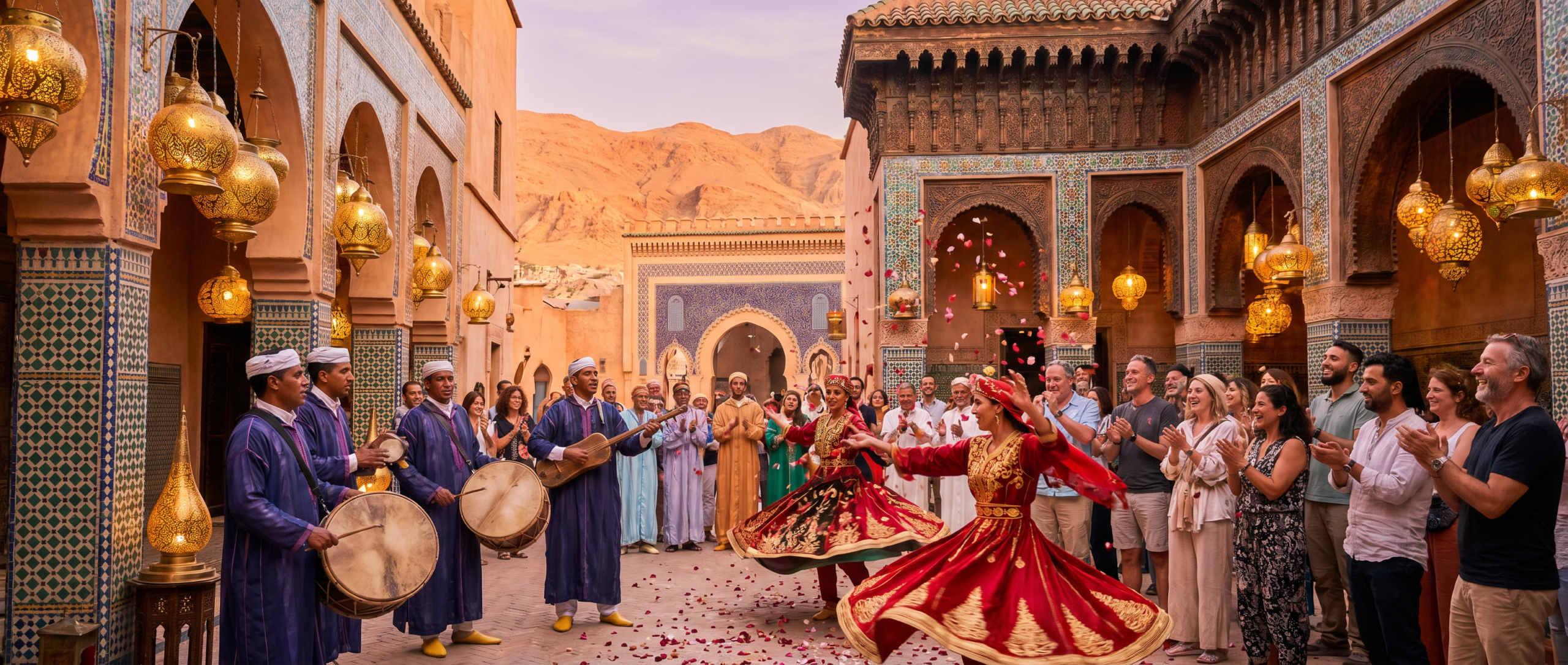
Can you hear the thundering hooves of a fantasia charge, smell rose petals drifting through a mountain valley, and feel the hypnotic pulse of Gnaoua drums vibrating through a seaside medina — all in one country? Morocco’s festivals in 2026 make it possible. These aren’t staged performances for tour groups; they are living traditions where entire communities come together to celebrate identity, spirituality, and artistic heritage that stretches back centuries. Whether you’re a first-time visitor or a seasoned Morocco traveller, timing your trip around one of these extraordinary cultural events transforms an ordinary holiday into something you’ll carry with you forever.
✦ Key Takeaways
Morocco hosts a diverse range of cultural festivals throughout 2026, from sacred music and rose harvests to equestrian spectacles and world-class concerts.
Each festival blends Berber, Arab, and Andalusian influences, offering authentic insights into Morocco’s rich cultural heritage.
Spring (March–May) and autumn (September–November) offer the most comfortable weather for outdoor festival attendance.
Proper preparation — including modest dress, cash, and understanding local customs — dramatically enhances the festival experience.
Festivals provide cultural immersion far beyond typical tourist experiences, connecting visitors with Morocco’s living traditions and welcoming communities.
Introduction to Moroccan Festivals
Moroccan festivals are vibrant gatherings that celebrate identity, community, and cultural legacy. These events blend history, art, music, and deep-rooted traditions that reflect Morocco’s unique heritage. Far more than occasions for entertainment, Moroccan festivals in 2026 play a crucial role in preserving customs, bringing people together, and showcasing the country’s rich culture to the world.
Each festival tells a story rooted in Moroccan identity, reflecting the values and history of its people. From the rhythm of traditional music to the artistry of local performers, these festivals offer a window into Morocco’s soul. They serve as a living testament to Morocco’s ability to merge tradition with innovation, creating experiences that are both authentic and unforgettable.
💡 Why festivals matter in Morocco: Unlike many Western festivals that are primarily commercial events, Moroccan festivals are deeply embedded in community life — they connect generations, strengthen social bonds, and celebrate the diversity of Berber, Arab, and Andalusian cultural influences that define the nation.
Whether it’s the spiritual moussems, where rituals and prayers are central, or the lively music and dance festivals that bring energy to the streets, each event offers something unique. Moroccan festivals bring together elements of Berber, Arab, and Andalusian traditions, as well as French and European influences, creating a rich and intricate cultural tapestry. For visitors seeking authentic experiences in rural Morocco, festivals provide a perfect gateway to local culture.
Top 10 Moroccan Festivals in 2026
The calendar of Morocco 2026 is full of vibrant celebrations that reflect the nation’s cultural diversity and creativity. Here are the most notable festivals to watch for this year:
1. Mawazine Festival (Rabat & Salé, June 2026)
Mawazine is one of the world’s largest music festivals, drawing international talent and local artists alike. With performances spread across two cities, it offers a wide variety of musical styles — from global pop and rock to traditional Moroccan sounds. This festival transforms the capital region into a pulsating hub of musical exchange and celebration, regularly attracting over 2.5 million attendees and rivalling Glastonbury and Coachella in scale.
2. Fes Festival of World Sacred Music (Fes, May/June 2026)
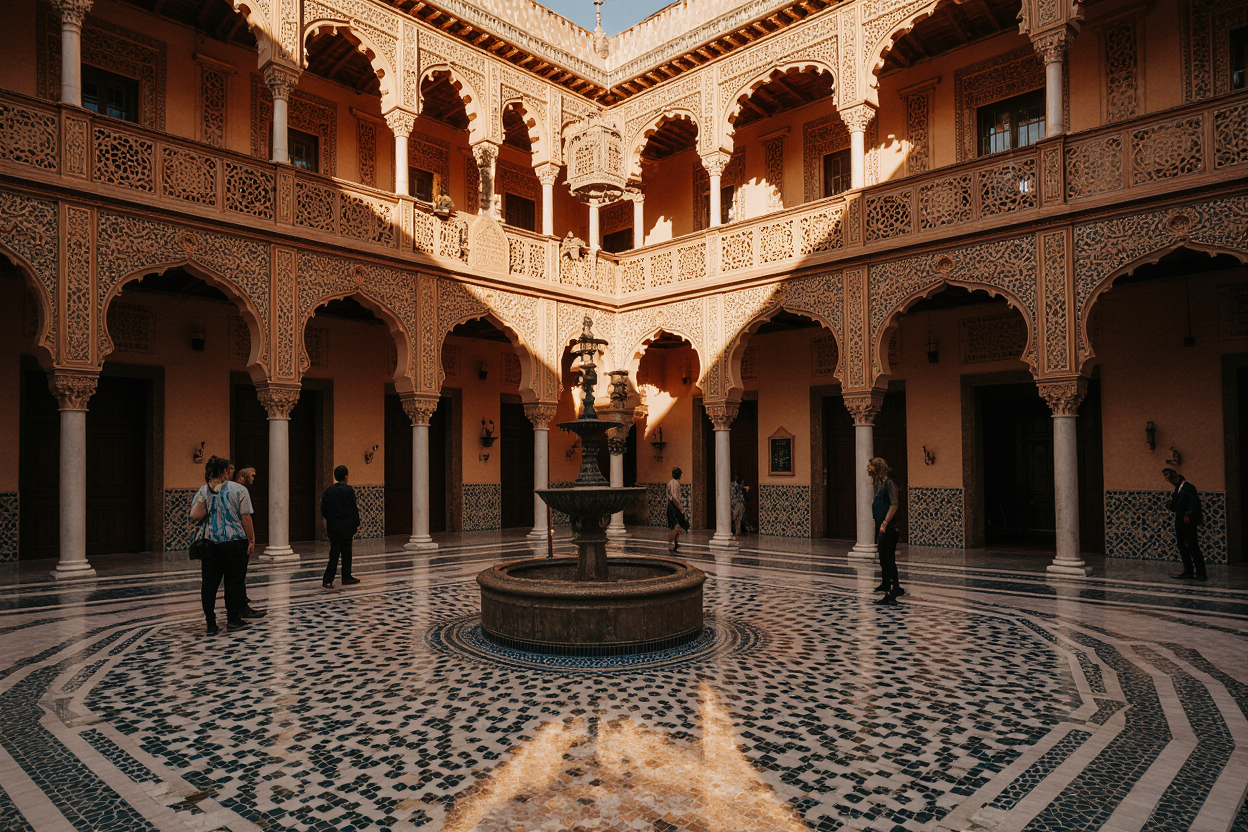
The Fes Festival is a special opportunity to experience spiritual music from around the globe. Artists from various religious and cultural backgrounds come together to share their sacred traditions, fostering dialogue and understanding in a historic setting. The ancient medina of Fes, with its majestic venues, provides a perfect backdrop for these soul-stirring performances that connect the spiritual traditions of different cultures.
The most magical performances at the Fes Sacred Music Festival happen in the evening courtyard sessions at Bab Makina and Dar Batha Museum. Arrive early to secure a seat — these venues are intimate and fill quickly. The atmosphere as Sufi chanting echoes off ancient walls is unforgettable.
3. Moussem Moulay Abdellah Amghar (El Jadida, August 2026)
This moussem is a unique combination of religious reverence and equestrian performance. The highlight is the fantasia, where riders in traditional costume gallop in unison and fire rifles into the sky, creating a mesmerising spectacle of precision and heritage. This centuries-old tradition showcases the deep connection between Moroccans and their horses — a relationship that has shaped the nation’s history and military identity.
4. Rose Festival (Kelaat M’Gouna, May 2026)
The Rose Festival is a celebration of the annual rose harvest in the Valley of Roses. The town becomes a riot of colour and fragrance as locals parade through the streets, enjoying music, dance, and stalls featuring rose-based products. This festival highlights the agricultural heritage of the region and the economic importance of rose cultivation for local communities. For those exploring Morocco’s natural wonders, this event offers a perfect blend of cultural celebration and natural beauty.
💡 Rose Festival insider note: The festival usually coincides with the peak bloom in the Dadès Valley. If you extend your stay a day or two, you can visit the rose distilleries where petals are transformed into rose water, essential oils, and cosmetics — and purchase directly from producers at a fraction of international prices.
5. Marrakech Popular Arts Festival (Marrakech, July 2026)
This festival brings the city to life with performances of Moroccan folklore. Artists from all over the country present traditional music, dance, storytelling, acrobatics, and theatre, creating a vibrant and immersive cultural experience. Historic venues like the ancient El Badi Palace host performances that showcase the diversity of Morocco’s artistic traditions in a setting that connects past and present.
6. Timitar Music Festival (Agadir, July 2026)
Timitar showcases the rich Berber musical heritage while also welcoming international acts. This free festival is a celebration of indigenous North African culture and musical exchange, set against the beautiful backdrop of Agadir’s coast. With multiple stages and performances, it attracts thousands of music lovers eager to discover the distinctive sounds of Amazigh music alongside global influences.
7. Tan Tan Moussem (Tan Tan, May/June 2026)
The Tan Tan Moussem is a major gathering for the nomadic tribes of the Sahara, recognised by UNESCO as an Intangible Cultural Heritage. The event brings together thousands for camel races, traditional music performances, poetry competitions, and ancient rituals, offering a rare and authentic insight into desert life. For adventure seekers planning Sahara Desert tours, timing your visit with this festival adds a profound cultural dimension to your desert experience.
Combine the Tan Tan Moussem with a multi-day desert excursion. The festival is the perfect cultural anchor for a broader Sahara journey — from Tan Tan, you can arrange trips to the coastal dunes or head inland toward the deeper desert landscapes.
8. Essaouira Gnaoua and World Music Festival (Essaouira, June 2026)
This festival is dedicated to the hypnotic rhythms of Gnaoua music, a unique musical tradition with deep spiritual and healing roots. The festival also features global fusion performances, attracting music lovers from around the world. The picturesque coastal setting of Essaouira enhances the magical atmosphere as performers take to stages throughout the medina and along the seafront, creating an unforgettable experience of musical discovery.
9. International Cultural Festival (Asilah, July/August 2026)
This festival transforms the seaside town into an open-air art gallery. Artists create murals on historic walls, musicians perform, and writers share their work, drawing creative talents from across Morocco and beyond. The white-washed walls of Asilah become canvases for artistic expression, and the entire town embraces creativity through exhibitions, concerts, and literary events that foster cultural dialogue and artistic innovation.
10. Feast of the Throne (National, July 30, 2026)
The Feast of the Throne is a nationwide celebration where cities and villages host parades and festivities, marking a time of national pride and unity. This national holiday commemorates the accession of the King to the throne and is celebrated with public ceremonies, musical performances, and cultural events that highlight Morocco’s unity while showcasing its regional diversity.
Morocco 2026 Festival Calendar
The 2026 Morocco festival calendar is a vibrant mix of traditional and contemporary celebrations that honour the nation’s cultural roots and evolving identity. Planning your trip around these dates ensures you won’t miss the festivals that interest you most.
Rose Festival & Early Moussems
Rose Festival — Kelaat M’Gouna, May 2026. The Valley of Roses erupts in colour during the annual harvest. Parades, music, and rose-scented everything make this a sensory feast.
Tan Tan Moussem — Tan Tan, May/June 2026. UNESCO-recognised gathering of Saharan nomadic tribes. Camel races, poetry, and ancient desert rituals.
Spring offers the most comfortable weather across Morocco, with warm days and cool evenings — ideal for outdoor festival attendance.
Peak Festival Season
Fes Festival of World Sacred Music — Fes, May/June. Spiritual performances in historic courtyards.
Mawazine Festival — Rabat & Salé, June. Morocco’s largest music festival with international headliners.
Essaouira Gnaoua Festival — Essaouira, June. Hypnotic Gnaoua rhythms on the Atlantic coast.
Marrakech Popular Arts Festival — Marrakech, July. Folklore performances at El Badi Palace.
Timitar Music Festival — Agadir, July. Free Berber music festival on the coast.
Asilah International Cultural Festival — Asilah, July/August. Open-air art and literature.
Feast of the Throne — Nationwide, July 30. National celebrations.
Moussem Moulay Abdellah Amghar — El Jadida, August. Spectacular equestrian fantasia.
Harvest Festivals & Local Events
Autumn brings harvest festivals and smaller regional celebrations that offer intimate glimpses into everyday Moroccan life. Date harvest festivals in the Draa Valley and olive festivals in the Meknès region showcase Morocco’s agricultural diversity.
Winter has fewer large-scale festivals, but may feature almond blossom celebrations in the Tafraout region and special events tied to the Islamic calendar.
For first-time visitors, attending larger, well-organised festivals like Mawazine or the Essaouira Gnaoua Festival can be an excellent introduction to the richness and diversity of Moroccan culture. If you’re planning to explore beyond the festival locations, consider booking a camel trek over the Erg Chebbi dunes or visiting some of the unique villages in Morocco to complement your cultural journey.
📌 Planning note: Festival dates can shift due to the Islamic lunar calendar or local decisions. Always confirm exact dates with Morocco’s official tourism board or your accommodation as your trip approaches. Book hotels at least 4–6 weeks in advance for major festivals — they fill up fast.
Cultural Traditions at Moroccan Festivals
At the core of Moroccan cultural events are the traditions that make each festival unforgettable. These elements combine to create a multi-sensory experience that leaves lasting memories and connects visitors with centuries of heritage.
Music and Dance
Traditional music and dance are a key part of every festival. Gnaoua music, with its hypnotic rhythms and spiritual chants, has its roots in the musical traditions of sub-Saharan Africa and now symbolises cultural resilience. Ahidous unites Berber communities in group dances set to the beat of drums and accompanied by poetry. The refined sound of Andalusian music, brought to Morocco by refugees from Islamic Spain centuries ago, adds another layer of depth to the festival experience.
Culinary Celebrations
Food plays a central role in festival gatherings. Large communal meals often feature slow-cooked tagines, generous portions of couscous, and sweet pastries soaked in honey. During the Rose Festival, dishes are delicately flavoured with rose water, while religious moussem celebrations may include the sharing of roasted meats among hundreds of people. For those interested in culinary traditions, a Berber village cooking class can provide deeper insights into Moroccan food culture.
Don’t be shy about accepting invitations to share a meal — Moroccan hospitality at festivals is legendary. Eating from a communal dish with your right hand is the traditional way. The most memorable festival food is often found not at stalls, but at family gatherings where strangers are warmly welcomed.
Artisanal Crafts
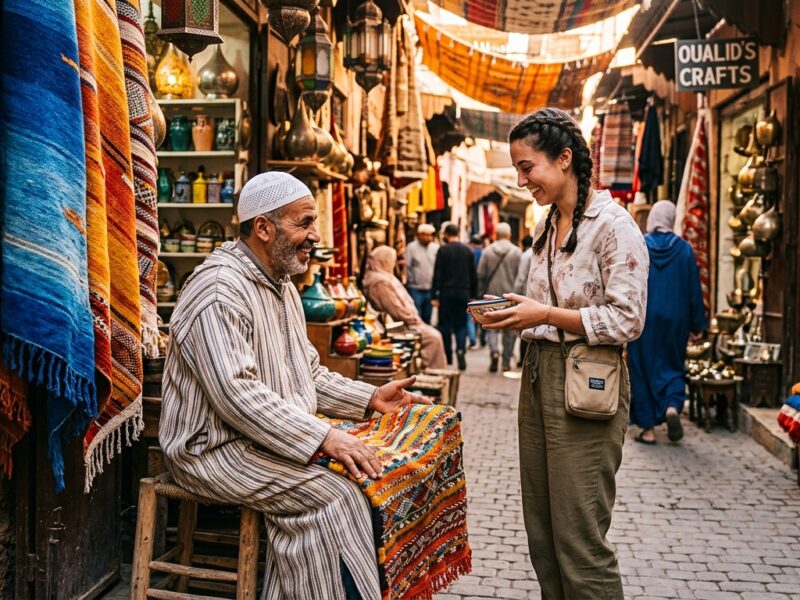
Handcrafted arts are on display at every major event. Weavers create intricate Berber carpets, metalworkers craft detailed designs in brass and silver, and potters shape beautiful tagine pots. These crafts are living traditions, passed down through generations and continuing to thrive in contemporary Morocco. Festivals provide some of the best opportunities to purchase directly from artisans at fair prices.
Storytelling and Folklore
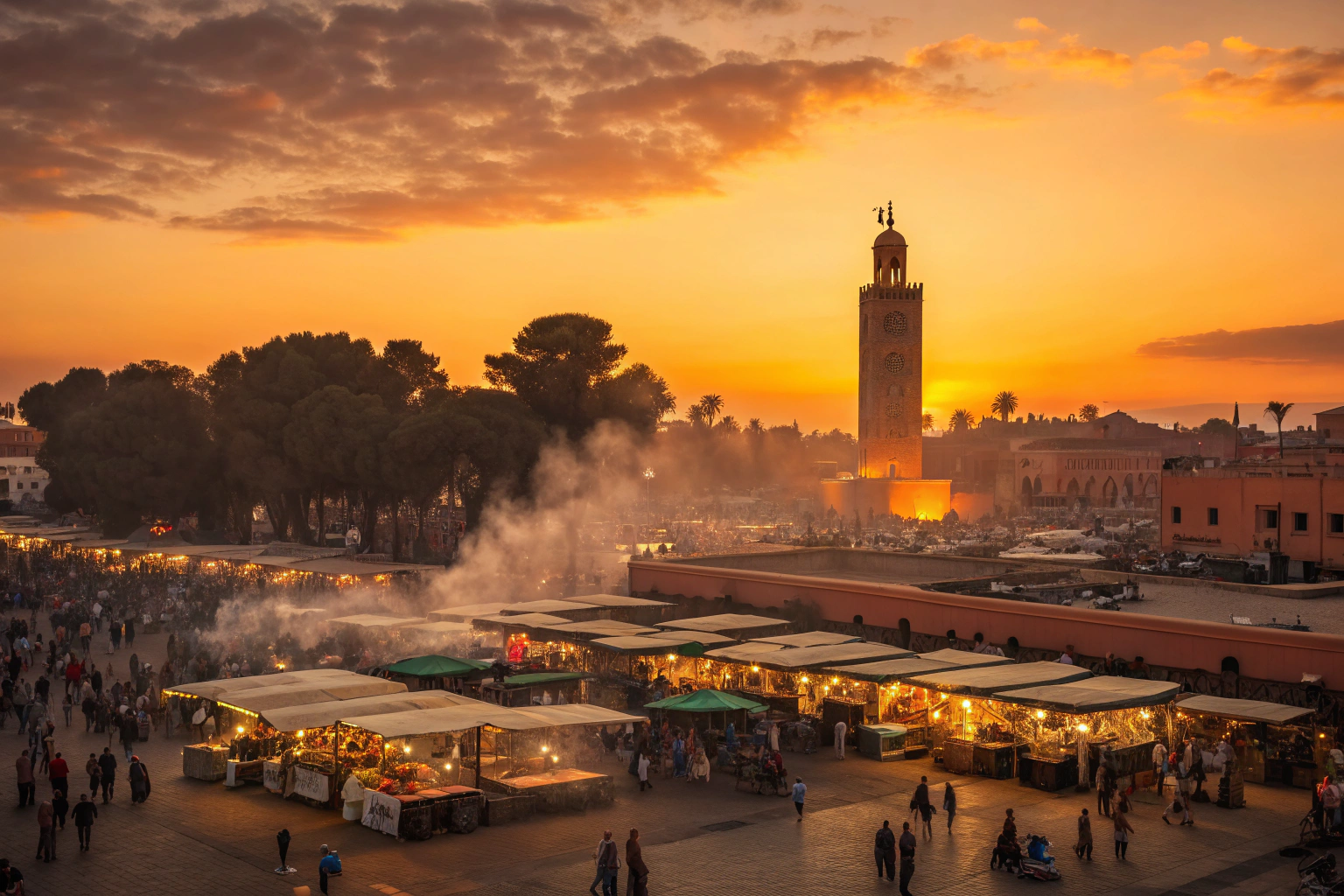
Folklore and storytelling bring Morocco’s history to life. In Marrakech’s main square, storytellers share an oral tradition that dates back centuries. At the Tan Tan Moussem, poetry duels in Hassani Arabic and Berber languages showcase linguistic artistry. Traditional theatre groups perform plays that entertain while also reflecting on societal issues.
The Fes Sacred Music Festival is a perfect example of how these elements come together — featuring Sufi brotherhoods in whirling dances, Andalusian orchestras playing centuries-old pieces in historic courtyards, and a diverse range of international artists, from gospel choirs to Mongolian throat singers, performing together on stage.
At the Tan Tan Moussem, visitors can witness customs that have been passed down in the Sahara for generations. Women perform the guedra dance, moving their hands in mesmerising patterns, while men engage in poetic competitions. Artisans sell traditional blue garments and silver jewellery worn by nomads.
The Marrakech Popular Arts Festival brings together performers from every corner of Morocco. Mountain villagers present the ahwash dance with its call-and-response singing, Gnaoua musicians from Essaouira play their distinctive instruments, and Andalusian orchestras from Fes and Tetouan highlight Morocco’s classical music heritage. These festivals are essential for preserving Moroccan culture and passing it on to younger generations, providing opportunities for young people to learn from their elders.
Travel Tips for Attending Morocco Events 2026
To make the most of Morocco’s vibrant festival scene, a little preparation goes a long way. Here’s how to enjoy Morocco events 2026 with ease and respect.
Best Time to Visit
Choosing when to go is important. Spring (March to May) and autumn (September to November) offer pleasant weather for outdoor events, while summer festivals can be hot — especially inland. Coastal cities like Essaouira and Asilah are cooler during the summer months. Winter has fewer festivals, but it may feature special events like almond blossom celebrations. For more guidance on planning your trip, our Morocco travel cost guide breaks down what to budget for each season.
What to Wear
Dress appropriately for both comfort and cultural sensitivity. Opt for loose, breathable clothing that covers your shoulders and knees, especially at religious or rural festivals. It’s a good idea for women to carry a lightweight scarf for entering sacred places. Comfortable shoes are essential as you’ll likely be on your feet walking on uneven ground. Bring extra layers for cooler evenings. Our Moroccan dress guide offers detailed advice on appropriate attire for different occasions.
Cultural Etiquette
Respecting local customs is key to building positive connections. Always ask before taking photos, especially of women or during religious moments. Remove your shoes when entering holy sites or private homes. During Ramadan, it’s respectful to avoid eating or drinking in public during daylight hours. Learning a few greetings in Arabic or French is appreciated by locals. For a deeper understanding, see our complete Moroccan etiquette guide for travellers.
📌 Essential festival etiquette: Be mindful of gender norms at traditional events, where men and women may celebrate separately. If you’re invited into a family tent or home at a moussem, always accept — it’s considered an honour, and refusing can cause offence. A small gift (pastries or tea) is a thoughtful gesture.
Health and Safety
Staying healthy and safe is important. Keep up with current travel guidelines and stay hydrated — especially during summer events. Protect yourself from the sun with hats and sunscreen. Keep important documents secure and consider travel insurance. Stick to bottled water and be cautious with unfamiliar street food if you have a sensitive stomach. For comprehensive health advice, read our health tips for Morocco travel.
Getting There and Getting Around
Plan your logistics ahead of time. Many rural festivals are cash-only, so bring enough Moroccan dirhams — ATMs can be scarce outside major cities. Book your accommodation early, as hotels fill up quickly during big festivals. Staying in a traditional riad offers a more authentic experience.
Use official taxis or arrange transportation through your hotel, and consider renting a car for remote destinations. For more information on getting around, check our comprehensive transportation guide. Pre-booking an airport transfer can also take the stress out of arrival day.
Many festival venues have limited Wi-Fi. Pick up a local SIM card or set up an eSIM before you arrive so you can check directions, translate phrases, and share your festival moments in real time.
Immersive Participation
Get involved to enrich your festival experience. Accept invitations to share meals — food is a powerful way to connect. Join in dances if locals encourage you, even if you’re shy. Support artisans by buying their crafts directly. Learning a few words of Darija (Moroccan Arabic) or Tamazight (Berber) shows respect and opens doors. Attend workshops or demonstrations to gain insight into traditional skills.
Remember, Moroccan festivals are living traditions, not staged shows for tourists. Approach them with curiosity and respect, and be patient with language or cultural differences. The most memorable moments often come from spontaneous interactions and unexpected discoveries.
For those on a tight budget, it’s worth noting that many Moroccan festivals offer free public performances or affordable ticket options. Check out our guide on experiencing Morocco on a budget for more money-saving tips. And while you’re exploring the festival circuit, don’t miss the opportunity to discover some of the hidden gems of Morocco that lie beyond the main tourist routes.
Reserve Your Spot
Book Your Morocco Festival Experience
From Marrakech medina tours to Sahara desert adventures, find and book the best cultural experiences across Morocco. Instant confirmation, free cancellation on most activities.
Frequently Asked Questions
Everything you need to know before attending Moroccan festivals in 2026
✦ Your Morocco Journey Starts Here
Experience Morocco’s Living Traditions in 2026
These festivals aren’t just events — they’re invitations into the heart of Moroccan life. The echo of Gnaoua rhythms, the taste of shared tagines, the friendships formed while dancing under the stars. Plan your trip around one of these extraordinary cultural celebrations and discover a Morocco that no guidebook can capture.