Moroccan Dress Code Guide 2026: What to Wear in Morocco for Women & Men
Packing for Morocco? Our 2026 guide to the Moroccan dress code covers what to wear for women and men, from Marrakech to the Sahara, for comfort and cultural respect.
Understanding Moroccan dress helps you pack smart and show respect when visiting this captivating North African country. Whether you’re weaving through the spice-scented lanes of a Marrakech medina or watching stars ignite over the Sahara, what you wear shapes how you’re received—and how comfortable you feel doing it. Here’s exactly what to wear in Morocco, from bustling city streets to remote desert camps, without overpacking or making cultural missteps.
Dress matters deeply in Morocco because traditional clothing remains visible at festivals and in daily life, signaling respect, identity, and belonging. Whether you spot locals wearing djellabas in the medina or see elaborate caftans at weddings, clothing choices communicate cultural values and social awareness. This comprehensive Morocco clothing guide covers dress codes by location, what men versus women should wear, season-by-season packing lists, and where to shop for authentic Moroccan traditional clothes.
✦ Key Takeaways
Modest dress is essential—cover shoulders and knees, particularly for women, though rules relax in major tourist areas.
Traditional garments like the djellaba and caftan coexist with modern Western clothing, especially in urban centers.
Pack breathable, layerable clothing to adapt to significant temperature differences between daytime heat and cool nights.
Clothing expectations are more conservative in rural villages and at religious sites compared to cosmopolitan cities.
When shopping for authentic Moroccan clothing, understand quality indicators and be prepared for polite bargaining in the souks.
Quick Morocco Dress Code Cheat Sheet
Before diving into the details, here’s your at-a-glance reference for Moroccan dress code expectations across every setting you’ll encounter:
- Cities (Marrakech, Casablanca, Rabat, Fes): Smart-casual works well; women cover shoulders and knees; men wear trousers and linen shirts.
- Rural villages: More conservative dress required; loose layers, longer hemlines, avoid tight or revealing clothing.
- Mosques and religious sites: Arms and legs fully covered; women carry a scarf; remove shoes if entering permitted spaces.
- Beaches and resorts: Swimwear acceptable at private resorts and hotel pools; use cover-ups en route; choose one-piece or modest two-piece outside resort areas.
- Desert and mountains: Sun protection essential with breathable fabrics; pack warm layers for cold nights.
- Business settings: Professional attire expected; conservative colors preferred.
💡 Quick rule of thumb: When in doubt, cover your shoulders and knees with loose, breathable fabrics. This single guideline covers 90% of situations you’ll encounter across Morocco.
Understanding Moroccan Dress Culture
Traditional Moroccan clothing communicates far more than personal style—it expresses identity, occasion, region, and modesty norms. According to research on Moroccan culture and civil society, traditional dress remains present in festivals and family events while coexisting with western dress in cities. This blend creates a unique fashion landscape where heritage and modernity meet.
Dress functions as identity in Morocco, with historical scholarship showing how clothing encodes gender and social expectations. Modesty and situational appropriateness carry deep social meaning, which explains why locals value when visitors dress respectfully. The simple act of covering your shoulders shows cultural awareness and earns goodwill.
Urban Morocco showcases an exciting fusion of heritage silhouettes with modern styling, signaling evolving identity post-independence. Designers blend traditional Moroccan clothes with contemporary cuts, creating pieces that honor the past while embracing the future. This evolution reflects Morocco’s position as a cultural crossroads between Africa, Europe, and the Middle East. To understand the deeper roots of these traditions, explore our guide to Moroccan cultural experiences.
Young Moroccans in cities like Casablanca and Rabat often style traditional pieces—a silk djellaba or embroidered kaftan jacket—with sneakers and designer bags. Don’t be surprised to see high fashion and heritage walking side by side on the same boulevard.
Traditional Moroccan Clothing Overview
Understanding traditional Moroccan clothing helps you appreciate local fashion and make informed shopping choices. Here are the core garments you’ll encounter throughout your travels:
The Djellaba: Morocco’s Everyday Robe
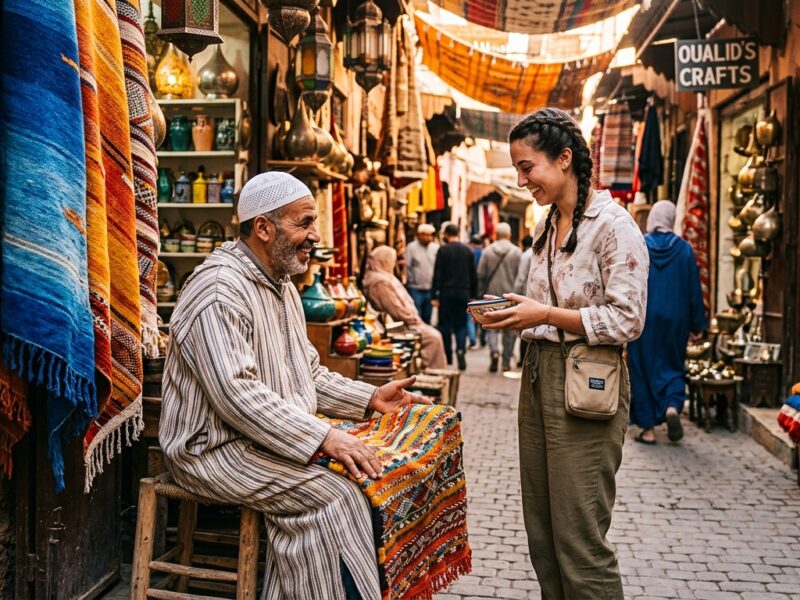
Djellaba: This ankle-length robe with a pointed hood (called a qob) serves as everyday wear for both men and women. Made from wool for cold weather and cotton or linen for heat, the djellaba offers practical coverage and comfort. Men typically choose neutral colors like brown, grey, or cream, while women enjoy a broader palette including jewel tones and pastels.
The Kaftan and Takchita: Formal Moroccan Fashion
Kaftan/Caftan: In Morocco, the Moroccan caftan dress functions as women’s formalwear for weddings and religious celebrations like Eid. With origins in ancient Persia, this long, robe-like garment without a hood became elevated in Moroccan urban elite culture. Today’s Moroccan kaftan dresses range from simple cotton versions to elaborate silk creations with gold embroidery.
Takchita: This formal two-piece evolution of the caftan represents the pinnacle of Moroccan dresses. It consists of an inner dress (mansouria) and an ornate over-dress, cinched with a richly decorated belt called mdamma. Brides and wedding guests often choose takchitas for their dramatic silhouettes and intricate detailing.
💡 Caftan vs. Takchita: The caftan is a single-piece garment, while the takchita is a two-piece set with a simpler inner dress and an elaborately decorated outer layer. Both are reserved for special occasions, but the takchita is considered more formal.
Other Traditional Garments
Gandora: Men wear this lightweight, short-sleeved tunic in hot weather or at home. Sometimes embellished with embroidery around the neckline, gandoras offer a cooler alternative to the djellaba while maintaining modesty.
Haik: This voluminous white wrap historically protected women’s modesty in some regions. Now more ceremonial than everyday wear, you might spot it during cultural festivals or special occasions.
Abaya and Modern Influences: Urban adoption of the abaya as a modest, flowing outer layer exemplifies the modern-traditional blend in Moroccan fashion. Young Moroccans often style abayas with designer accessories, creating looks that respect tradition while expressing individual style.
Babouches: These leather slippers, also called balgha, come in pointed or round-toe styles and are worn by all genders. Practical for quick indoor-outdoor transitions, babouches range from simple everyday versions to ornately decorated special-occasion pairs. They make excellent souvenirs from Morocco.
Craftsmanship and Quality Markers
The craft and detailing of Moroccan clothes showcase centuries of artisanal skill. Embroidery traditions (called tarz) are practiced and transmitted by women, with regional styles from Fes, Rabat, and Tetouan signaling local identity. Quality pieces feature sfifa (silk braid trim) and aakad (silk loop closures), hallmarks of expert tailoring. When shopping, look for even stitching and lined seams as indicators of well-made garments.
For everyday wear, Moroccans might choose a simple djellaba or gandora, often paired with western clothing in urban settings. Special occasions call for more elaborate attire: women don caftans or takchitas while men opt for tailored djellabas or western suits, depending on the formality and setting.
Gender-Specific Clothing Guidelines for Visitors
Women’s Morocco Dress Guidelines
When considering Moroccan dress standards for female tourists, coverage remains the key principle. Aim to cover shoulders, cleavage, and knees with loose, opaque fabrics. You don’t need to wear a hijab unless entering a space where covering hair is specifically requested, which is rare for tourists.
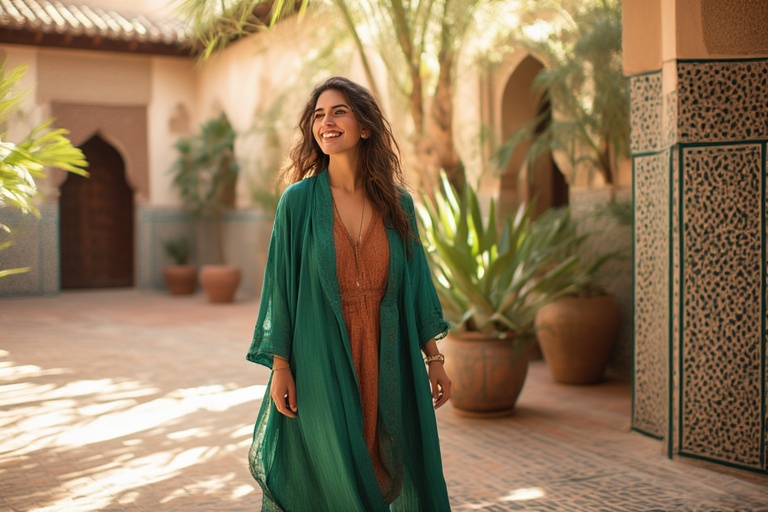
For heat-smart modesty, choose light-colored, breathable fabrics that keep you cool while respecting local customs. Midi and maxi skirts and dresses work wonderfully, as do wide-leg pants and three-quarter sleeve tops. Long shirtdresses paired with a light scarf or cardigan for layering offer versatility throughout the day.
Skip strapless or strappy tops without a cover layer, bodycon silhouettes that hug curves, short shorts, and sheer pieces without proper underslips. These choices can attract unwanted attention and mark you as culturally unaware.
When you want to blend in more authentically, consider purchasing a simple djellaba or caftan-inspired dress from a local souk. These practical and respectful choices work especially well in conservative neighborhoods or during religious holidays. For nightlife in big cities like Casablanca or Marrakech, smart-casual attire is perfectly acceptable—just keep hemlines modest and bring a layer for taxis and street walking. Our women’s safety guide for Morocco covers more specific advice on dressing for confidence and comfort.
Men’s Morocco Clothing Guidelines
Men face fewer restrictions but should still dress thoughtfully. In cities, chinos or linen trousers paired with breathable shirts or polos work well. While shorts are acceptable in tourist zones, trousers prove safer for medinas and areas near religious sites where dress code standards lean conservative.
In rural or conservative areas, avoid tank tops entirely. Opt instead for short or long-sleeve shirts paired with full-length trousers. This simple adjustment shows cultural awareness and prevents unwanted attention.
For formal occasions or business meetings, choose between a western suit or a tailored djellaba, depending on the context. Clean, closed-toe shoes complete either look appropriately.
Ramadan Considerations
During Ramadan, clothing norms feel noticeably more conservative throughout Morocco. Both men and women should opt for looser layers, longer hemlines, and subdued styling. Carry a scarf or shawl for unexpected situations, as public modesty heightens during this holy month. Even in tourist areas, dressing more conservatively during Ramadan demonstrates respect for those fasting and praying—a key part of religious festivals in Morocco.
📌 Ramadan packing note: Ramadan dates shift each year. In 2026, Ramadan is expected to begin in mid-February. If your trip overlaps, pack an extra scarf and ensure all outfits cover elbows and knees at minimum.
Moroccan Dress Code by Location and Setting
Cities: Casablanca, Marrakech, Rabat, Fes
Morocco’s major cities embrace western styles, but modesty remains appreciated. Women should cover shoulders and knees, while men stick to trousers when exploring medinas. Upscale venues and international hotels allow trend-forward looks, but err on the conservative side when in doubt. A guided tour of the Fes medina can offer local insights on appropriate dress while navigating one of the world’s largest car-free urban zones.
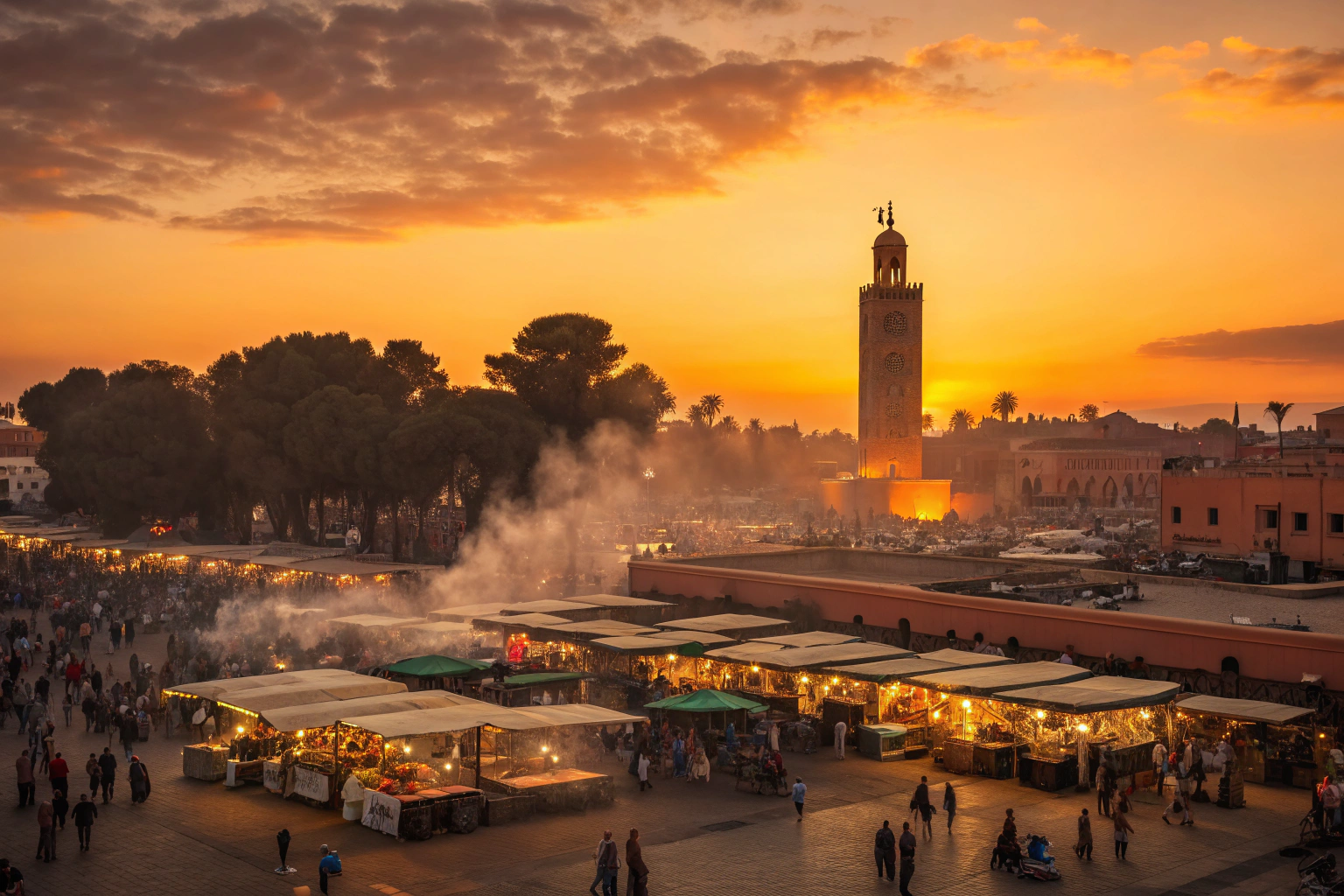
In Marrakech, you’ll notice a wider range of tourist attire around the main attractions, but stepping into residential neighborhoods or smaller streets calls for more conservative choices. Casablanca, as Morocco’s business capital, skews slightly more cosmopolitan and western in daily dress.
Rural Towns and Amazigh (Berber) Villages
Rural areas maintain more conservative norms requiring long, loose layers for both genders. Neutral colors help you blend in, and following host guidance shows respect for local customs. The contrast between urban and rural clothing expectations is stark, with villages expecting more coverage and traditional silhouettes. When exploring rural Morocco, your clothing choices directly impact how warmly you’re received by local communities.
If you’re visiting unique Moroccan villages, bring a large scarf that can double as a head covering, shawl, or makeshift skirt extension. It’s the single most versatile item for navigating shifting dress expectations.
Religious Sites
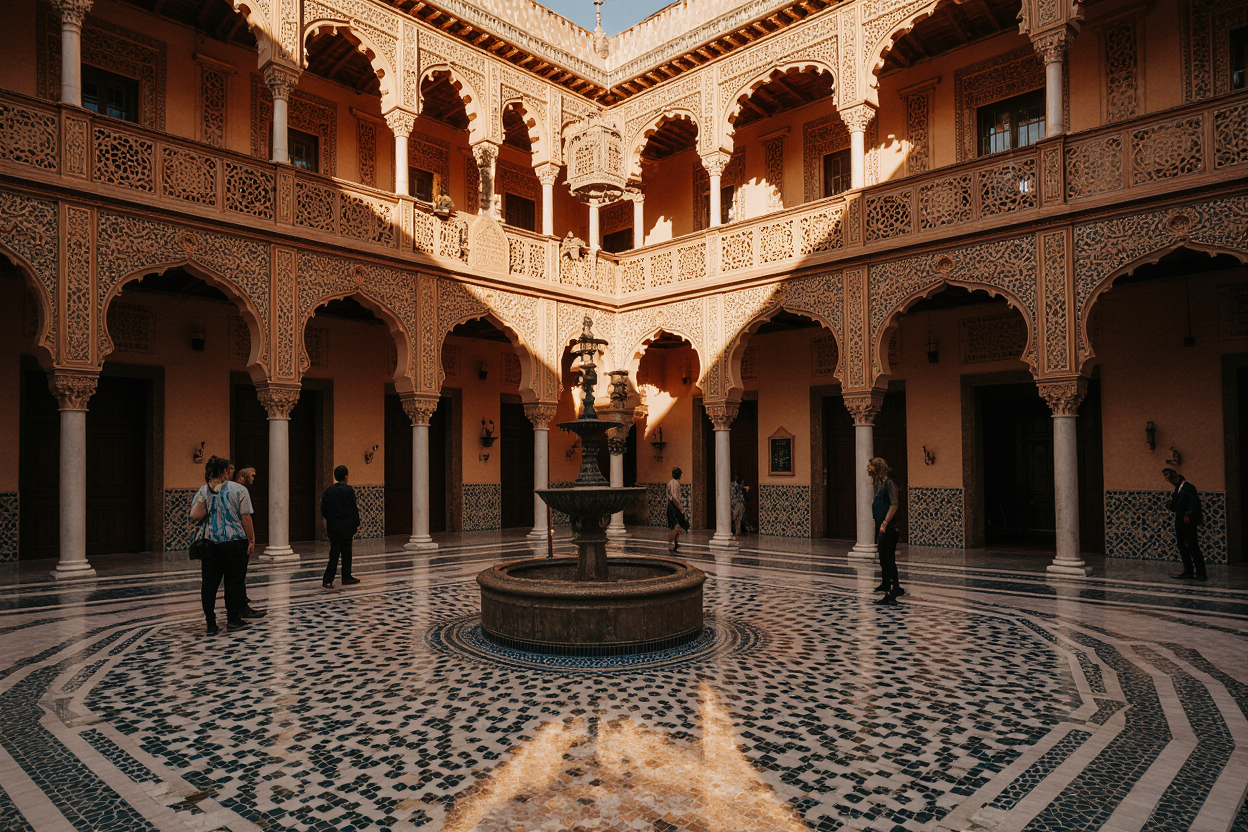
Many mosques in Morocco remain closed to non-Muslims, but where visitation is allowed (such as exteriors, complex courtyards, or mausoleums), strict dress codes apply. Cover arms and legs completely, and women should carry a scarf for head covering if requested. Remove shoes where required, following the lead of local worshippers.
Souks and Medinas
Navigate narrow lanes and crowds more comfortably with closed-toe shoes and secure crossbody bags. Loose layers reduce unwanted attention while keeping you cool. Avoid flashy or revealing outfits that might attract aggressive vendors or pickpockets in these bustling Moroccan markets.
Beaches and Resorts
Resort pools and private beach clubs welcome standard swimwear, but always bring cover-ups for walking through public areas. On public beaches or in small coastal towns, consider wearing a one-piece or modest two-piece with a sarong or kaftan cover. Cover up completely when walking through town to or from beach areas. The best beaches in Morocco often have specific dress expectations depending on their location and local community standards.
Desert Camps and High Atlas Mountains
Desert and mountain regions demand specific clothing choices. During the day, wear UPF-rated hats, sunglasses, and airy long sleeves with full-length trousers for sun protection. Evening temperatures plummet, requiring fleece or warm layers. Sturdy footwear handles dunes and mountain trails better than sandals. When booking Sahara Desert tours, operators often provide specific packing lists tailored to seasonal conditions.
Business and Formal Events
Business meetings call for professional attire matching international standards. Men wear suits or smart blazers, while women choose tailored midi dresses or trousers with sleeves. Conservative colors like navy, grey, and black are favored in professional settings where appropriate attire matters for making good impressions.
Practical Morocco Clothing Guide
Climate-Smart Packing Principles
Year-round Morocco travel requires breathable layers, sun protection, comfortable walking shoes, and culturally modest silhouettes. The country’s diverse geography creates multiple climate zones, making versatile clothing essential.
Season-by-Season Packing Guide
Variable temperatures demand flexibility
Pack a light jacket or cardigan, versatile scarves, and closed-toe walking shoes for exploring. Mornings and evenings can be surprisingly cool, especially in mountain regions. Lightweight layers that you can add or remove throughout the day are your best strategy.
Intense inland heat requires strategic dressing
Choose airy long sleeves, linen trousers, and flowing maxi dresses. Essential accessories include wide-brim hats, high-SPF sunscreen, and quality sunglasses. Pack sandals for hotels plus sturdy shoes for medina walking on uneven surfaces. Natural fabrics like cotton and linen breathe far better than synthetics in 40°C+ heat.
Transition season with dramatic temperature swings
Early fall remains hot inland, requiring layerable pieces that transition from day to evening. Light sweaters prove invaluable for cool nights, especially in desert regions where temperature swings are dramatic. This is one of the best times to visit Morocco, and your packing list should reflect the shoulder-season versatility needed.
Mountain and desert areas turn genuinely cold
Pack warm layers including fleece or wool sweaters, light down jackets, and warm socks. Northern and coastal regions need rain protection, making packable rain jackets smart additions. If you’re planning Atlas Mountains trekking, thermal base layers and waterproof gear are non-negotiable even on sunny days.
Regional Packing Considerations
Coastal Areas (Casablanca, Rabat, Essaouira, Tangier): Ocean breezes create humidity and wind. Pack light windbreakers and scarves for comfort while exploring seaside medinas.
Inland Cities (Marrakech, Fes, Meknes): Expect hotter days and cooler nights requiring breathable fabrics for daytime and shawls or cardigans for evening. These temperature swings make layering essential.
Mountain Regions (Middle and High Atlas): Thermal layers, beanies, and waterproof gear become necessary in winter. Even summer nights require warm layers at altitude.
Sahara and Desert Fringes (Merzouga, Zagora): Sun protection takes priority with long sleeves, neck scarves, and electrolyte supplements. Warm layers for nighttime are absolutely essential—desert nights can be shockingly cold.
Activity-Specific Clothing
Hiking: Moisture-wicking long sleeves, sun hoodies, and proper trail shoes make mountain and desert treks more comfortable. Don’t forget sun protection even on cloudy days.
Hammam Visits: Pack a dark, modest swimsuit for mixed or tourist hammams, flip-flops for wet floors, and quick-dry towels. Traditional hammams may provide wraps, but bringing your own ensures comfort. The hammam experience in Morocco varies by location, so ask about specific dress requirements when booking.
Fine Dining and Weddings: Smart-casual attire works for upscale restaurants. For authentic experiences at Moroccan weddings or celebrations, consider renting or buying a simple caftan dress or tailored djellaba—it’s always appreciated and never considered inappropriate for visitors.
Capsule Packing Lists
Women’s Morocco Clothing Essentials:
- 2–3 maxi or midi dresses in breathable fabrics
- 2 pairs of wide-leg trousers (linen or cotton blend)
- 3 breathable tops with three-quarter sleeves
- 1 light sweater or cardigan
- 1 versatile scarf for multiple uses
- 1 packable jacket (weather-dependent)
- 1 modest swimsuit with matching cover-up
- 1 pair of closed-toe walking shoes
- 1 pair of comfortable sandals
- Appropriate underlayers and slips for sheer fabrics
Men’s Morocco Clothing Essentials:
- 2 pairs of linen or cotton trousers
- 2–3 breathable button-up or polo shirts
- 1 lightweight sweater or fleece
- 1 packable jacket (weather-dependent)
- 1 modest swim trunk
- 1 pair of closed-toe walking shoes
- 1 pair of sandals for hotels and beaches
- Belt and basic accessories
Universal Accessories:
- Sun hat with good coverage
- Quality sunglasses with UV protection
- Sturdy belt for active days
- Small crossbody or anti-theft bag
- Reusable water bottle for hydration
Don’t overpack—you can buy lightweight, modest clothing in Morocco’s souks for a fraction of what you’d pay at home. A simple cotton djellaba costs just a few dollars and doubles as sleepwear and a beach cover-up. Check our money-saving tips for Morocco for more budget strategies.
Cultural Sensitivity and Clothing Etiquette
Understanding the Moroccan dress code goes beyond following rules—it’s about showing respect for local culture. Core etiquette principles include choosing modest cuts and fabrics, avoiding overtly sheer or tight pieces, and carrying a light scarf for unexpected needs. Always ask permission before photographing people, especially in markets and rural areas where traditional Moroccan clothes are common.
Fridays and Ramadan require extra consideration as many families attend prayers and gatherings. Dressing more conservatively during these times shows cultural awareness. Clothing signals cultural and gender identity in Morocco, and aligning with local norms earns goodwill and enriches your travel experience.
⚠️ Common tourist mistakes to avoid: Wearing tank tops or short shorts away from beaches, choosing transparent fabrics without proper slips, ignoring local cues in villages, and wearing club attire on medina streets. These missteps can lead to uncomfortable situations or unwanted attention.
For deeper context on Islam’s role in Moroccan daily life and how it shapes dress expectations, understanding the religious foundation helps you appreciate why modesty carries such weight in social interactions.
Shopping for Traditional Moroccan Clothing
Where to Shop
Medinas and souks in Marrakech and Fes offer the widest selection of handmade djellabas, ornate belts, and traditional babouches. These bustling markets provide authentic shopping experiences where you can watch craftspeople at work. For a guided introduction, consider a Marrakech city tour covering the souks and hidden gems.
For custom pieces, seek out tailors (called maalems) who can create caftans or takchitas to your measurements. Simple pieces typically require 1–3 days turnaround, while elaborate Moroccan caftan designs may take a week or more.
Contemporary boutiques and designer ateliers offer modern interpretations of traditional Moroccan kaftan dresses, perfect for those seeking unique pieces that blend heritage with current fashion. Vintage shops and flea markets hide treasures for patient shoppers willing to search through piles of Moroccan clothes.
Judging Quality and Authenticity
When shopping for Moroccan dresses and traditional garments, examine several quality indicators:
Materials: Silk, brocade, and velvet indicate formalwear quality, while cotton and linen blends suit daily wear. Feel the weight and drape of fabrics before purchasing.
Craftsmanship: Hand embroidery (tarz) shows as slightly irregular stitches with thread knots visible on the reverse. Machine embroidery appears perfectly uniform. Check sfifa edges for evenness, examine lined seams for durability, and ensure appliqué work shows symmetry. Quality Moroccan traditional clothes feature careful inner finishing and substantial weight.
Authenticity markers: Ask vendors about origin, materials, and production time. Shops that can explain specific techniques (like tarz Fassi from Fes or tarz Rbati from Rabat) and offer minor alterations typically sell authentic pieces rather than mass-produced imports.
Pricing and Bargaining
Expect wide price ranges when shopping for Moroccan clothing. Simple cotton djellabas start at budget-friendly prices, while elaborate designer takchitas command premium rates reflecting hours of handwork.
Haggling remains expected in traditional markets. Start negotiations at 30–50% below the opening price, maintaining a friendly demeanor throughout. Accept offered tea as a gesture of goodwill, and consider bundling multiple items for better deals. Be prepared to walk away politely if prices don’t meet your budget—this often prompts sellers to offer their best price.
Visit multiple shops before buying to understand the going rate for the quality you want. Take photos (with permission) to compare later. And remember—aggressive bargaining over small amounts can seem disrespectful. Agree when the price feels fair to both parties. Explore our full guide on what to buy in Morocco for more inspiration.
Sizing and Custom Orders
Many traditional Moroccan clothes require tailoring for proper fit. Bring your measurements written down, or allow tailors to measure you in-shop. Custom pieces need time for fittings, so plan accordingly if you want something special made. Clarify delivery timelines and shipping options if you’re purchasing near the end of your trip. Most reputable shops can arrange international shipping for larger purchases.
Stay connected throughout your shopping adventures with an Airalo eSIM, which provides affordable data without roaming charges. This helps you research prices, translate conversations, and navigate between shops in the medinas.
Final Morocco Clothing Recommendations
One-Minute Packing Checklist
For Everyone: Breathable layers, closed-toe walking shoes, sun hat, versatile scarf, modest swimsuit with cover-up.
Women’s Essentials: Midi/maxi length options, loose trousers, three-quarter sleeve tops, cardigan or light jacket for layering.
Men’s Essentials: Full-length trousers, breathable shirts, light sweater or jacket for cool evenings.
Situational Must-Haves: Scarf for religious spaces, warm layers for mountains and desert nights, rain protection for winter coastal visits.
If You Only Remember 5 Rules
- Dress modestly by covering shoulders and knees in public spaces.
- Choose loose, breathable fabrics that keep you cool while respecting local customs.
- Adapt your Moroccan dress choices to location—city versus rural versus resort.
- Pack for dramatic temperature swings between day and night.
- Show extra respect during Ramadan and at religious sites with conservative clothing.
Remember that following the Moroccan dress code isn’t about restricting your style—it’s about showing cultural awareness while staying comfortable during your travels. The right clothing choices help you pack efficiently while ensuring respectful, appropriate outfits for every situation. For more comprehensive planning resources, explore our full Moroccan etiquette guide and Morocco safety guide for 2026.
🧳 Luggage tip: If you’re arriving early or departing late and need somewhere to stash your bags while shopping, Radical Storage offers secure luggage storage locations in major Moroccan cities so you can explore hands-free.
Reserve Your Spot
Explore Morocco’s Best Experiences
From guided medina tours that reveal hidden tailoring workshops to desert adventures where your packing list really matters — book your perfect Moroccan experience with instant confirmation and free cancellation.
Frequently Asked Questions
Everything you need to know about dressing for Morocco
✦ Your Morocco Journey Starts Here
Pack Right, Travel Confidently
With the right clothing, every door in Morocco opens a little wider—from warm welcomes in mountain villages to confident bargaining in the souks. Now that you know exactly what to pack, the only thing left is to book the experience that makes it all worthwhile.