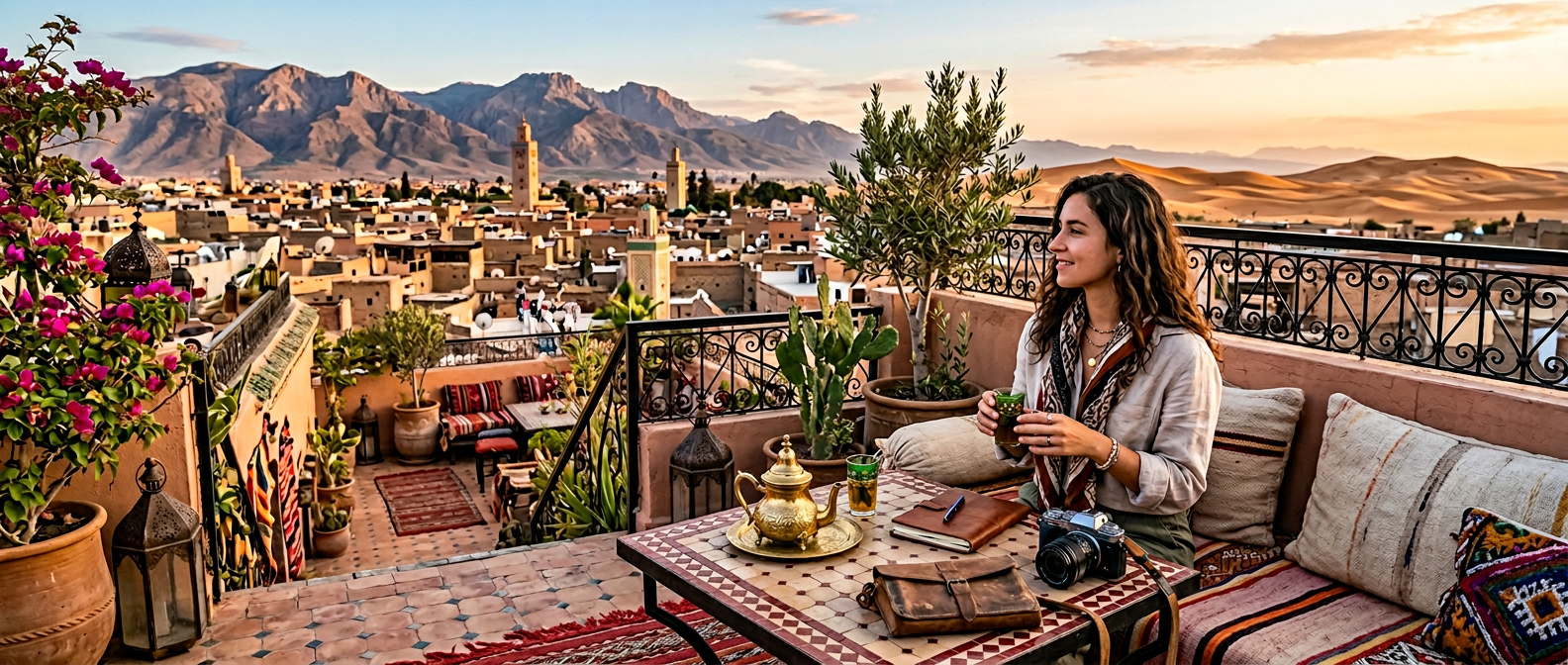
Morocco Travel Cost: The Ultimate 2026 Budget Breakdown
Planning a trip? Discover the true Morocco travel cost for 2026. Our guide breaks down all Morocco expenses for budget, mid-range, and luxury travel.
Can you really explore the labyrinthine souks of Marrakech, sleep under Sahara stars, and feast on sizzling tagine — all for less than a weekend in Paris? The answer is a resounding yes, but only if you understand exactly where your money goes. Morocco remains one of the world’s best-value destinations, yet Morocco travel cost varies wildly depending on your style, your season, and your ability to haggle over a hand-woven rug. This guide gives you the real numbers — not vague ranges — so you can plan an incredible Moroccan adventure without a single financial surprise.
✦ Key Takeaways
Morocco accommodates all budgets, with daily costs ranging from $30 (budget) to over $200 (luxury).
Key expenses include flights, accommodation, food, transport, and activities — all with scalable options.
Traveling in the off-season and eating at local spots can significantly lower your Morocco trip cost.
Bargaining in souks is an essential skill for managing your shopping budget and a key cultural experience.
Always budget an extra 10–15% for miscellaneous costs like tips, fees, and essential travel insurance.
Overview: How Much Does Morocco Cost?
Morocco beckons with vibrant souks, stunning desert landscapes, and a rich culture that rewards every type of traveler. Whether you’re a backpacker threading through medina alleyways, a family discovering kid-friendly activities, or a luxury traveler unwinding in a palatial riad, understanding Morocco travel cost is the first step toward planning your adventure.
Budget travelers can explore Morocco for $30–$50 per day, enjoying hostels, street food, and public transport. Mid-range travelers should budget $80–$150 daily for comfortable riads, a mix of local and tourist restaurants, and organized tours. Luxury travelers can expect $200+ per day for five-star hotels, private tours, and fine dining.
💡 Morocco is 40–60% cheaper than Western Europe for comparable experiences. — A three-course meal that costs €40 in Paris runs about $8–$15 in a good Moroccan restaurant, and a charming riad room costs a fraction of a European boutique hotel.
Several factors influence your Morocco trip cost:
- Season — Peak season (March–May, September–November) means higher prices across accommodation and tours.
- Trip duration — Longer stays unlock better daily rates on riads and car rentals.
- Destinations — Marrakech and Casablanca cost more than smaller cities like Chefchaouen or Essaouira.
- Activity choices — Desert tours and private guides add significantly to costs.
- Travel style flexibility — Mixing budget and mid-range options stretches your dirham further.
Morocco remains a budget-friendly destination compared to Europe or North America, making it ideal for value-seeking travelers. Understanding how much does Morocco cost in advance will help you plan an incredible journey without financial stress.
Breakdown of Morocco Expenses
Let’s break down the major categories that will make up your Morocco travel budget. Each section covers budget, mid-range, and luxury price points so you can mix and match to create your ideal trip.
Flights to Morocco
International flights are often the largest single Morocco travel cost. Here’s what to expect for round-trip fares in 2026:
- From Europe: $150–$400 (budget carriers like Ryanair often offer deals under $100 one-way)
- From the US: $600–$900
- From Asia: $700–$1,000+
Book 2–3 months in advance, fly midweek (Tuesday/Wednesday), and use fare alerts on Google Flights or Skyscanner. Flying into Casablanca’s Mohammed V Airport often yields better rates than Marrakech. If your flight is delayed or canceled, services like AirHelp can assist with up to €600 in compensation.
Accommodation Costs
Accommodation is a major part of your Morocco expenses, but options exist for every budget. The beauty of Morocco is that even budget stays can feel special — a $25/night guesthouse in a centuries-old medina delivers character that no chain hotel can match.
- Hostels: $10–$20/night (dorm beds; private rooms $20–$30)
- Budget hotels/guesthouses: $20–$40/night
- Mid-range riads/hotels: $50–$150/night
- Luxury hotels/resorts: $200+/night
Regional price differences are significant — Marrakech and Casablanca are pricier than smaller cities. Airbnb and vacation rentals can offer savings, especially for groups or longer stays. For budget-conscious travelers, our guide to cheap accommodation options in Morocco is essential reading.
Transportation Within Morocco
Getting around Morocco is affordable and varied. The country’s transport network has improved significantly, and the mix of modern trains and traditional shared taxis gives you flexibility at every price point.
- Trains (ONCF): $10–$30 between major cities — the most comfortable intercity option
- Buses (CTM, Supratours): $5–$20 per journey — great value for longer routes
- Petit taxis (within cities): $1–$5
- Grand taxis (between cities): $5–$20+ per person (shared)
- Car rentals: $30–$60/day with services like Localrent
- Domestic flights: $50–$150 one-way
The Al Boraq high-speed train between Casablanca and Tangier cuts travel time to just over two hours for around $20. For comprehensive transport planning, see our full Morocco transportation guide.
Food and Drink Expenses
Moroccan cuisine is both delicious and remarkably budget-friendly. This is a country where eating well doesn’t require spending a lot — some of the most memorable meals happen at a street-side stall for under $3.
- Street food/snacks: $1–$3 (msemen, harira soup, grilled corn)
- Casual restaurants: $3–$10 (tagine with bread and salad)
- Mid-range restaurants: $10–$20
- Fine dining: $20–$30+
Mint tea and coffee are cheap ($0.50–$1.50) and widely available — you’ll be offered tea everywhere as part of Morocco’s legendary hospitality. Alcohol is expensive and limited to licensed restaurants and tourist areas.
💡 Best food value hack: Look for restaurants filled with locals, not tourists. A tagine in the Marrakech medina tourist zone costs $8–$12; the same dish two streets away in a local spot costs $3–$5 and often tastes better.
Sightseeing and Activities
Activity costs vary widely, but there’s something genuinely exciting for every budget. Many of Morocco’s best experiences — wandering through ancient medinas, hiking mountain trails, watching sunset over the Atlantic — cost nothing at all.
- Museums/palaces (Bahia Palace, Saadian Tombs): $2–$7
- Gardens (Jardin Majorelle): $3–$10
- Guided city tours: $20–$50
- Sahara Desert tours: $80–$200+ for a 3-day desert safari
- Atlas Mountains trekking: $50–$150
- Cooking classes: $10–$50
- Traditional hammam experiences: $10–$30
A shared 3-day Marrakech-to-Merzouga desert tour ($80–$120 per person) includes transport, accommodation, meals, and a camel trek — making it one of the best-value multi-day experiences anywhere in the world. Book directly with operators or through trusted platforms for the best rates.
Shopping and Souvenirs
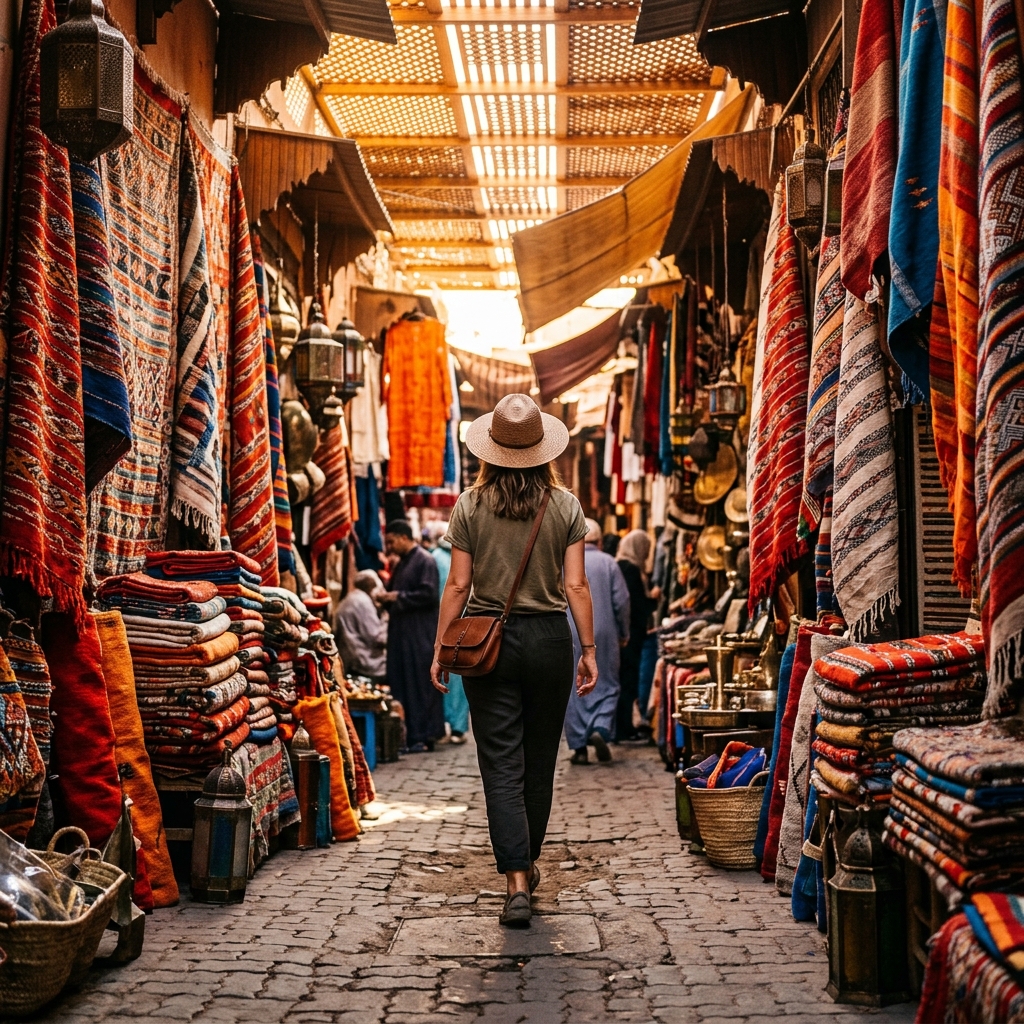
Morocco’s souks are a highlight of any visit, but costs can add up quickly if you don’t set limits. The key is to decide your souvenir budget before you enter the medina — and stick to it.
- Textiles/scarves: $5–$20
- Ceramics: $5–$30
- Leather goods: $20–$100+
- Berber rugs: $50–$500+ (quality and size vary enormously)
- Spices and argan oil: $2–$10
Bargaining is essential and expected. A good rule of thumb: start at 40–50% of the first asking price and work toward a mutually agreeable number. It’s a cultural exchange as much as a transaction — enjoy the process.
Miscellaneous Costs
Don’t forget the smaller expenses that collectively make a noticeable dent in your Morocco travel budget:
- SIM cards/eSIM: $5–$15 — an eSIM provider like Airalo lets you get connected before you even land
- Tipping: 5–10% of bills; small tips ($0.50–$1) for bag carriers and guides
- Travel insurance: $30–$60 for two weeks — essential and non-negotiable
- ATM/credit card fees: $2–$5 per withdrawal (use a no-foreign-transaction-fee card if possible)
- Laundry, toiletries, bottled water: $2–$5 per item
📌 Planning note: Budget an extra 10–15% on top of your calculated total for unexpected costs. Morocco is full of spontaneous opportunities — a surprise desert excursion, a rug you can’t resist, or an impromptu cooking class with a family you meet.
Sample Morocco Travel Budgets
Here’s what a realistic Morocco travel budget looks like for different travel styles — per person, for two weeks, excluding international flights. These figures are based on 2026 average prices across major destinations.
Total for two weeks: $420–$700
Accommodation: Hostel dorm beds or basic guesthouses ($10–$20/night). Food: Street food, market stalls, and budget restaurants ($5–$10/day). Transport: Public buses, shared grand taxis, and walking ($3–$8/day). Activities: Free medina exploration, hiking, public beaches, and occasional museum entries ($0–$5/day).
This is the backpacker’s Morocco — rich in authentic experiences, light on the wallet. You’ll eat where locals eat, travel how locals travel, and see a side of the country that luxury travelers often miss. Check out our Morocco on a Budget guide for 21 essential tips.
Total for two weeks: $1,120–$2,100
Accommodation: Charming riads with breakfast ($50–$100/night). Food: Mix of local restaurants and tourist-friendly spots ($15–$25/day). Transport: Trains, private taxis, and occasional car rental ($10–$20/day). Activities: Guided tours, cooking classes, desert excursions, and hammam visits ($20–$50/day).
This sweet spot gives you comfort without extravagance. You’ll sleep in beautiful traditional accommodations, enjoy guided experiences, and have enough flexibility to say “yes” to spontaneous adventures.
Total for two weeks: $2,800+
Accommodation: Five-star hotels and premium riads ($200–$500+/night). Food: Fine dining and private chef experiences ($30–$60/day). Transport: Private drivers, domestic flights, and luxury transfers ($40–$80/day). Activities: Private tours, exclusive desert camps, spa treatments, and VIP experiences ($50–$150+/day).
Morocco does luxury exceptionally well. Think private rooftop dinners in Marrakech, glamping in the Sahara with en-suite tents, and having a personal guide navigate every medina for you. For the finest stays, browse our luxury resorts guide.
Money-Saving Tips for Morocco
You can significantly reduce your Morocco travel cost without missing out on the experiences that make this country unforgettable. Here are the strategies that seasoned Morocco travelers swear by:
- Travel off-peak (November–March): Accommodation drops 20–40%, crowds thin out, and you’ll have popular sites to yourself. The weather is still pleasant for most activities.
- Use public transport and shared taxis: A shared grand taxi between cities costs 75% less than a private transfer.
- Eat street food and at local restaurants: Follow the locals — the best-value meals are never in tourist zones.
- Stay in hostels or guesthouses: Browse our curated list of cheap accommodation options for character-rich stays under $30.
- Book activities directly, not through hotels: Hotels typically add a 30–50% markup on tours and excursions.
- Bargain in souks and markets: Never accept the first price — and don’t feel guilty about it. It’s expected.
- Set daily budgets and track spending: A simple notes app or spreadsheet keeps you honest and prevents the slow creep of overspending.
- Carry cash and withdraw in bulk: ATM fees add up. Withdraw larger amounts less frequently to minimize per-transaction charges.
The savviest Morocco travelers don’t stick to one budget tier. They splurge on a stunning riad for two nights, then switch to a basic guesthouse for three. They eat street food for lunch and treat themselves to a mid-range restaurant for dinner. This approach delivers an average daily cost of $60–$80 while feeling like a much richer experience.
For a deep dive into savings strategies, read our comprehensive guide on 10 essential ways to save money in Morocco.
Reserve Your Spot
Book Your Morocco Experience
Choose from the best tours and activities across Morocco — from Marrakech medina walks to Sahara desert adventures. Instant confirmation, free cancellation on most tours.
Frequently Asked Questions
Everything you need to know about Morocco travel costs before you go
✦ Your Morocco Journey Starts Here
Turn This Budget Into Your Best Adventure
You now have every number, every tip, and every strategy to plan a Morocco trip that fits your wallet perfectly. Whether you’re haggling over spices in Marrakech or watching stars ignite over the Sahara, Morocco delivers experiences that far exceed their price tag. The only cost you can’t calculate? The moment you realize you don’t want to leave.