The Ultimate Guide to Travel to Morocco and Spain: Routes, Itineraries, and Insider Tips
Dreaming of breakfast in Seville and lunch in Chefchaouen? This guide covers the best routes, a 14-day itinerary, ferry logistics, and practical tips for combining two unforgettable cultures in one trip.
Have you ever dreamed of wandering through the blue streets of Chefchaouen in the morning and exploring the Alhambra in Granada by sunset? Combining the medinas of Morocco with the architecture of Spain sounds magical, but the logistics often feel daunting. If you’re planning to travel to Morocco and Spain in one trip, you’re not alone – but many stumble on the crossing details. Here’s everything you need.
✦ Key Takeaways
The ferry from Algeciras to Tangier Med is the most budget-friendly and scenic way to cross between continents.
A 14-day itinerary lets you experience Seville, Granada, Tangier, Chefchaouen, Fez, and Marrakech without rushing.
Morocco uses the dirham (cash-focused), while Spain uses the euro – plan currency exchanges strategically.
Most US, UK, EU, Canadian, and Australian passport holders enter both countries visa-free for up to 90 days.
Adding Portugal creates a grand triangle route – easily done via the high-speed train from Lisbon to Seville.
Why Combine a Trip to Morocco and Spain?
The Strait of Gibraltar is only 14 kilometers wide at its narrowest point. That means you can have breakfast in Spain and lunch in Morocco. The cultural contrasts are what make this combo unforgettable. One day you’re admiring the intricate tilework of the Alhambra, and the next you’re watching the sunset over the Sahara desert. Flamenco guitars give way to Gnawa music. Tapas bars turn into mint tea stalls.
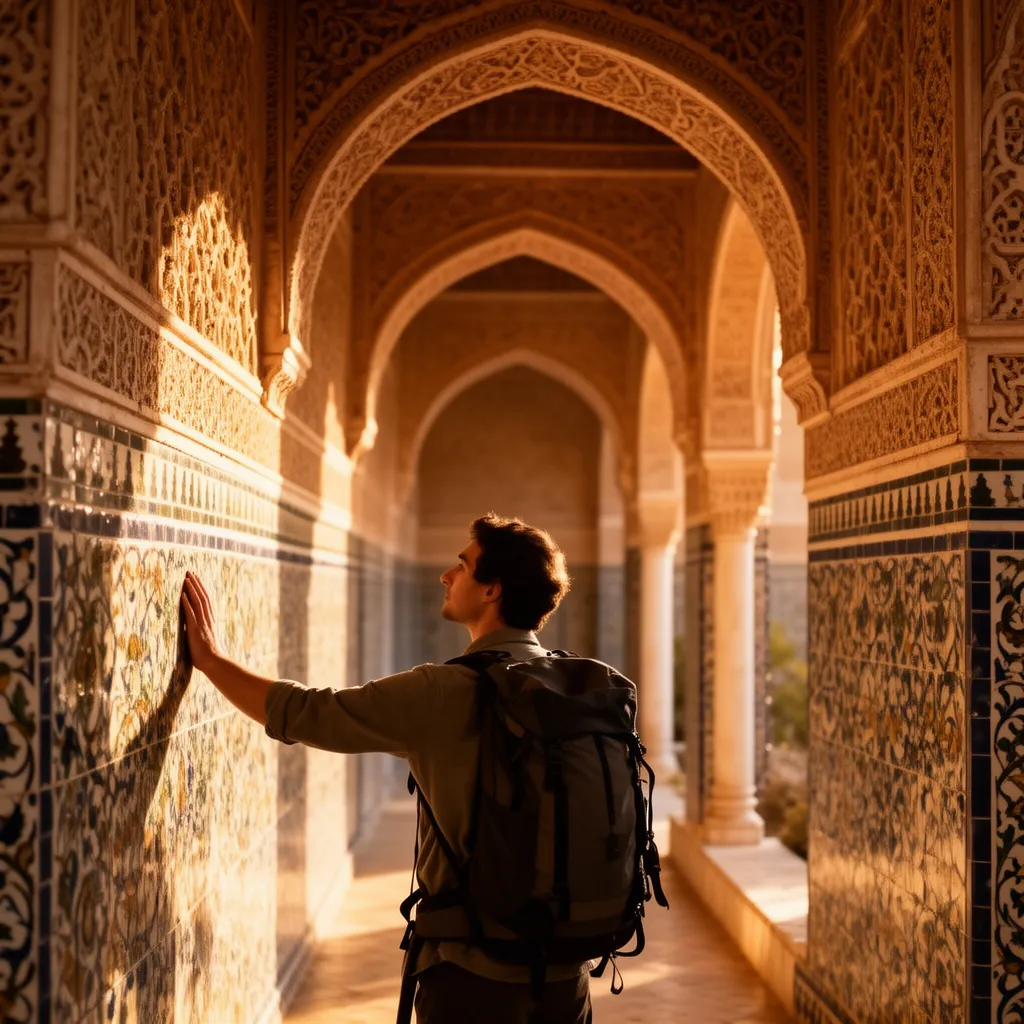
Many travelers build up a fantasy of seamless travel, but the reality of crossing borders and differing currencies is part of the adventure. Knowing this upfront helps avoid disappointment. The cultural proximity advantage is remarkable – from Seville to Tangier in under an hour by ferry. You save time and money by using a single entry and exit point for both countries. Plus, you get two completely different worlds in one trip.
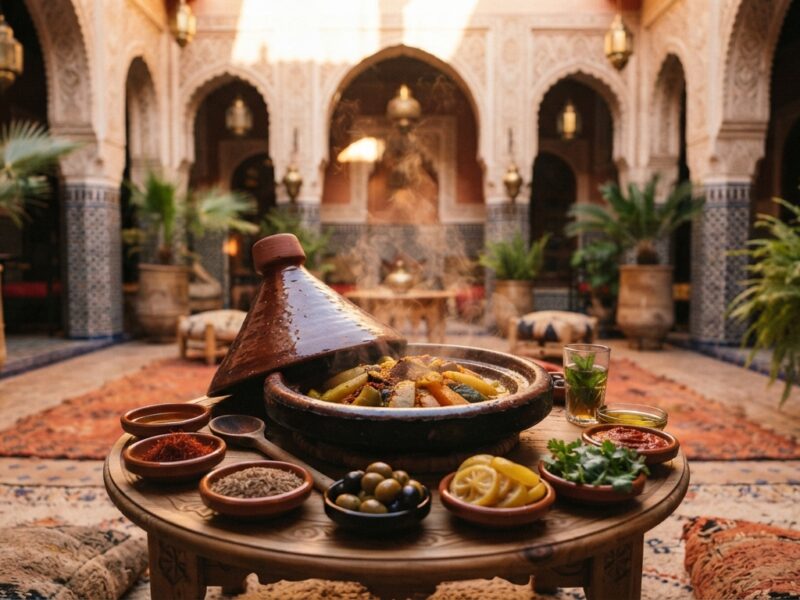
💡 Expert insight: The Moorish influence isn’t just architectural – it’s in the food, the music, the language. When you taste a tagine in Fez after eating gazpacho in Seville, you’re tasting the same historical thread.
The Cultural Proximity Advantage
Southern Spain and northern Morocco share centuries of history. The Moorish influence is visible everywhere, from the architecture to the food. When you visit the Alhambra in Granada, you see designs that echo the mosques of Fez. When you walk through the medina of Tangier, you feel the same energy as the old quarters of Seville. This connection makes traveling between them feel natural, not jarring. For deeper context on Morocco’s imperial cities, see our Morocco Imperial City Tours guide covering Marrakech, Fez, Meknes, and Rabat.
The Classic 14-Day Itinerary for Travel to Morocco and Spain
A well-planned itinerary helps you maximize your time without feeling rushed. Here is a flexible 14-day plan that covers the highlights. Remember, the best trips are the ones you make your own.
Explore Sahara Desert tours from Marrakech:
Powered by GetYourGuide
Alcázar, Cathedral, Alhambra & Albayzín
Start in Seville, the heart of Andalusian culture. Spend two days exploring the Alcázar, the cathedral, and the Santa Cruz neighborhood. Eat tapas at every meal – try jamón ibérico, tortilla española, and gazpacho. Then take a train to Granada. The Alhambra is a must-see, but book tickets weeks in advance. Wander the Albayzín district for stunning views of the palace.
Pro tip: The high-speed AVE train from Seville to Granada takes just 2.5 hours. Book Renfe tickets early for the best fares.
Kasbah, Caves of Hercules & the Blue City
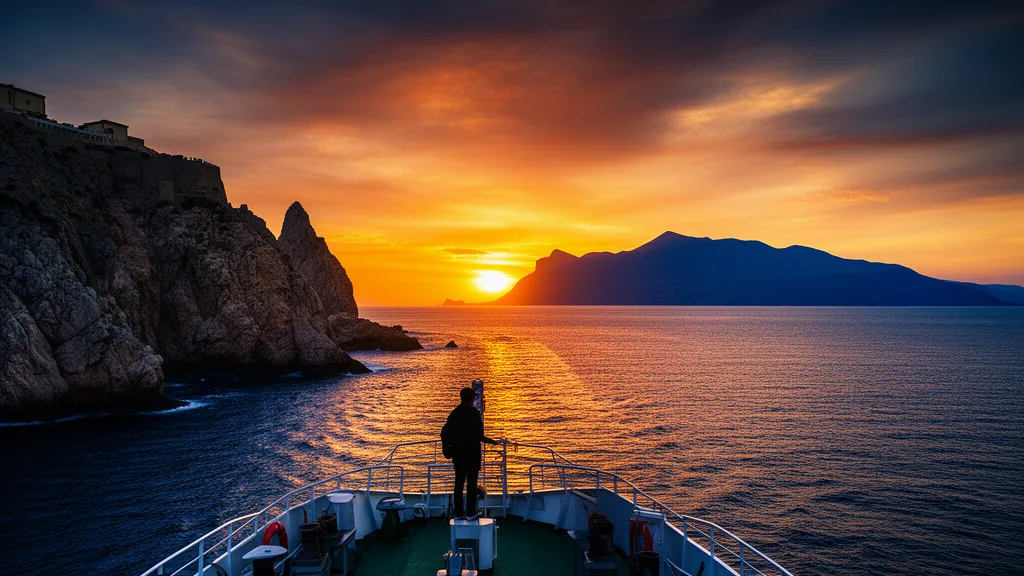
When you travel to Morocco from Spain, the ferry is the most scenic option. From Tarifa or Algeciras, you’ll cross the strait in about an hour. Spend day 5 in Tangier – visit the Kasbah, the Caves of Hercules, and the bustling Grand Socco. On day 6, take a bus to Chefchaouen, the famous blue city. Hike up to the Spanish Mosque for panoramic views. Day 7 is for exploring the blue-washed streets and buying handicrafts.
Explore Chefchaouen guided walking tours:
Powered by GetYourGuide
Medina, Tanneries, Volubilis & Bou Inania Madrasa
Take a bus or private driver to Fez. This imperial city feels like stepping back in time. Get lost in the medina (and you will get lost – that’s part of the fun). Visit the tanneries, the Bou Inania Madrasa, and the University of Al Quaraouiyine. Day 9, take a short trip to Meknes and the Roman ruins of Volubilis. These sites are less crowded and equally impressive.
Explore Fes Medina guided tours:
Powered by GetYourGuide
Jemaa el-Fnaa, Bahia Palace, Berber Riad & Hiking
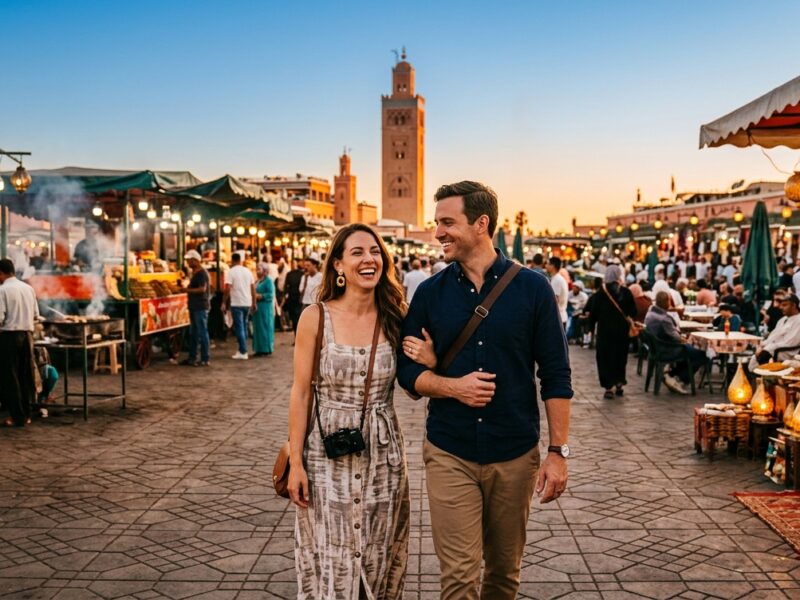
Travel south to Marrakech. Brace yourself – the medina here is chaotic, colorful, and exhausting in the best way. Visit Jemaa el-Fnaa square at night, explore the Bahia Palace, and haggle in the souks.
Explore Marrakech medina food tours:
Powered by GetYourGuide
Berber Riad, Valley Hiking & Starlit Nights
On day 12 or 13, escape to the Atlas Mountains. Spend a night in a traditional Berber riad, hike through valleys, and enjoy the quiet. Our Atlas Mountains day trips guide covers Ourika Valley and Ouzoud Falls options if you prefer a day trip instead of an overnight stay.
Explore Atlas Mountains day trips from Marrakech:
Powered by GetYourGuide
Fly out of Marrakech or return to Spain
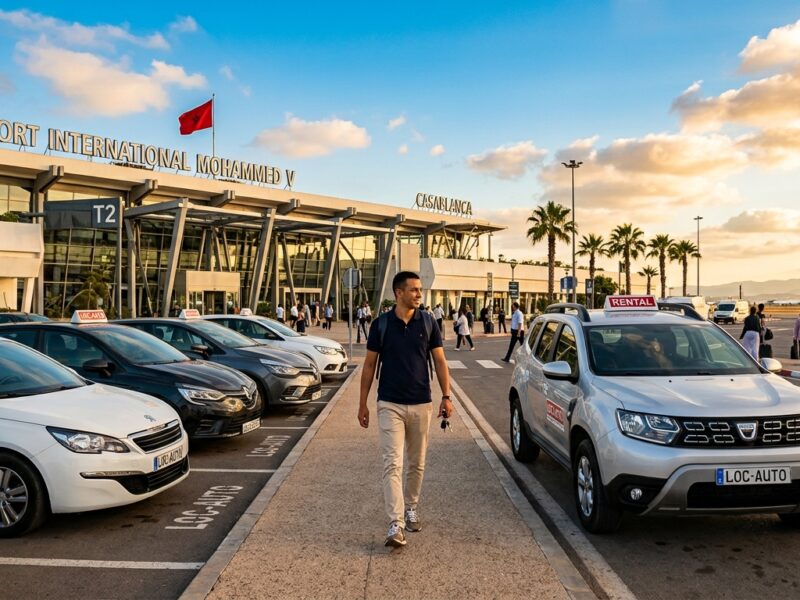
On day 14, fly out of Marrakech Menara Airport (RAK) or return to Spain via ferry from Tangier. For airport transfer options, see our Marrakech Airport transfer guide comparing taxis, apps, private cars, and buses.
📌 Real talk: Not every day will be perfect. Traffic in Marrakech can be overwhelming. The heat in Fez can make sightseeing tough. Accept these moments as part of the experience. Keep it real, and you’ll enjoy the journey more.
Travel to Morocco from Spain – The Best Way to Cross
Determining the best way to travel to Morocco from Spain depends on your budget and desire for adventure. Two main options exist: flying or taking the ferry. Each has pros and cons.
The Fastest Option: Flights vs. the Ferry Morocco Spain Route
Flying is the quickest method. A direct flight from Málaga or Madrid to Tangier or Casablanca takes about one hour. Airlines like Ryanair, Iberia, and Air Arabia offer regular flights. The downside? You miss the dramatic views of the Strait of Gibraltar. Flights also cost more, especially during peak season. Plus, you lose time getting to and from airports.
The ferry Morocco Spain route offers a different experience. It is cheaper, allows you to bring a vehicle, and provides stunning sea views. Crossing the strait where Europe meets Africa is a moment you won’t forget. The best way to travel to Morocco from Spain for budget travelers is almost always the ferry. You save money and get a memorable experience.
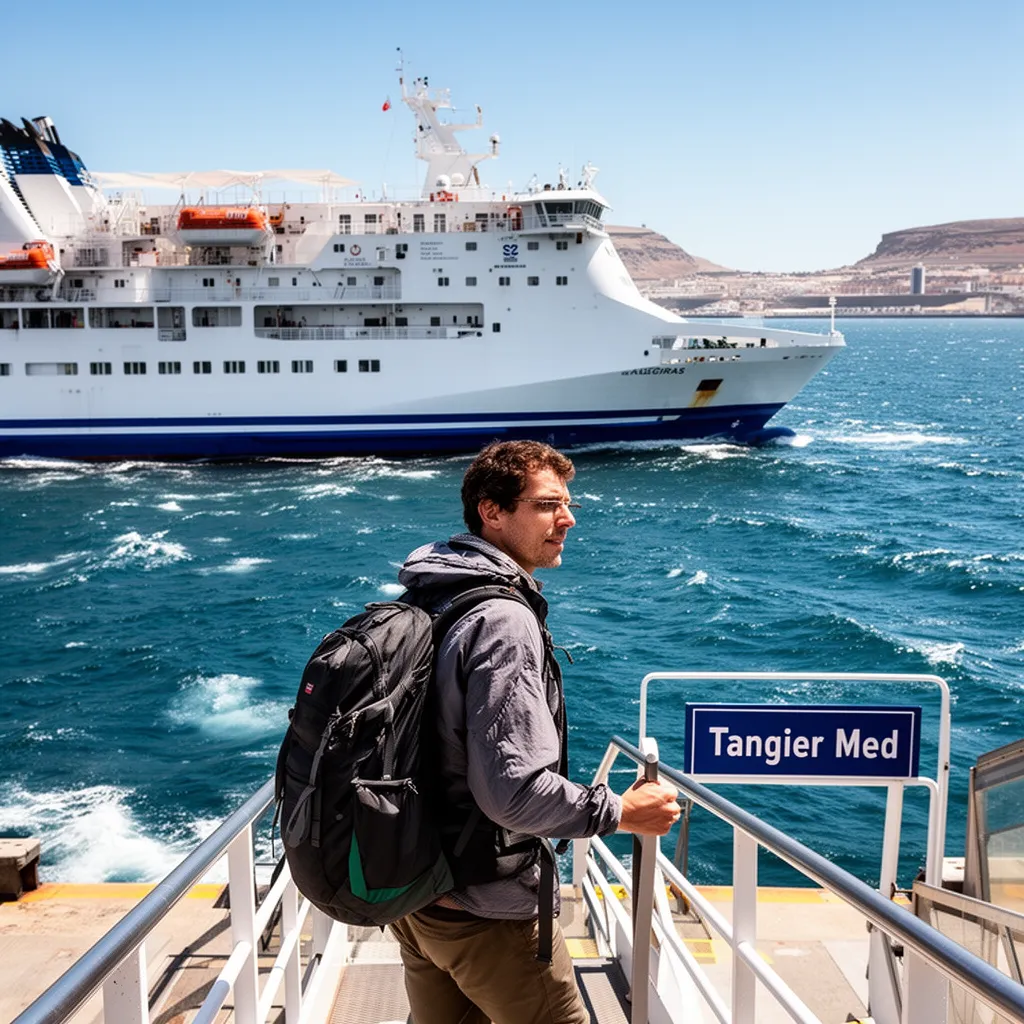
Step-by-Step: Taking the Ferry from Algeciras to Tangier Med
Here is how the ferry process works:
- Choose your port: Most ferries depart from Algeciras (Spain) to Tangier Med (Morocco). The journey takes about 1.5 hours.
- Book your ticket online: Operators like FRS and Balearia offer daily crossings. Book ahead in summer when demand is high. Compare schedules on Direct Ferries or Ferryhopper.
- Arrive early: Get to the port at least one hour before departure. Have your passport ready for check-in.
- Board the ferry: The boats are comfortable with seating areas, cafés, and sometimes Wi-Fi. Enjoy the views as you cross the strait.
- Arrive at Tangier Med: This modern port is about 45 minutes from central Tangier. Taxis and buses are available.
The ferry Morocco Spain route operates year-round with multiple daily departures. Prices range from €30 to €60 per person, depending on the season. For travelers continuing to Chefchaouen, the Tangier Morocco beach guide has transport tips from the port to the blue city.
What to Expect at Customs and Arrival
Customs in Tangier Med is generally straightforward for tourists. Most nationalities (including US, UK, EU, Canada, and Australia) do not need a visa for stays under 90 days. Your passport will be stamped upon entry. Have your hotel address written down – customs officers may ask.
Currency is a common surprise. The Moroccan dirham cannot be exchanged outside Morocco. Exchange some euros at the port or withdraw from an ATM. Avoid exchanging large amounts at the border – rates are better in town.
Use a no-foreign-transaction-fee card (like Wise, Revolut, or Chase Sapphire) for ATM withdrawals in Morocco. Notify your bank before travel. Carry €100–200 in cash for initial expenses and places that don’t accept cards.
Today’s traveler checks reviews and wants flexibility. Book refundable ferry tickets if possible. Weather can delay crossings, especially in winter. Having flexibility gives you peace of mind.
How to Travel from Morocco to Spain (Reverse Route)
If you end your trip in Morocco, returning to Spain follows the same basic logic. How to travel from Morocco to Spain depends on where you are and your timeline.
Option 1: Tangier to Tarifa (Fastest Sea Route)
This is the quickest ferry route. High-speed catamarans cross from Tangier to Tarifa in just 35 minutes. Tarifa is a small port town known for windsurfing and beaches. From Tarifa, buses connect to Algeciras, Seville, and other Spanish cities. This route is ideal if you are heading back to southern Spain.
Explore Tangier city tours (Kasbah & Caves of Hercules):
Powered by GetYourGuide
Option 2: Travel Morocco to Spain by Sea via Nador to Almeria
For those near the eastern coast of Morocco, there is a longer ferry option. The crossing from Nador to Almeria takes about six hours. Overnight sailings are available. This route is convenient if you plan to visit Melilla or the Rif Mountains region. Travel Morocco to Spain by sea this way is slower but offers a different perspective.
Option 3: Flying Directly from Marrakech or Casablanca
If you are short on time, flying is the easiest way to return. Marrakech Airport has direct flights to Madrid, Barcelona, and other Spanish cities. Ryanair and Iberia operate frequent routes. Typical prices range from €40 to €100 for one-way tickets. Check comparison websites like Skyscanner for deals.
⚠️ Buffer time: Sea crossings can be delayed due to weather. Plan at least one buffer day in your schedule before any onward international flights. A day of unexpected delay in Tangier might lead to your best meal of the trip.
Can You Add Portugal? A Guide to Travel to Spain, Morocco, and Portugal
For travelers with more time, adding Portugal creates a grand triangle. Travel to Spain, Morocco, and Portugal in three weeks is entirely possible. The key is efficient routing.
The Grand Triangle Route: A 3-Week Itinerary Overview
Start in Lisbon, Portugal’s vibrant capital. Spend three days exploring Belém Tower, the Alfama district, and eating pastéis de nata. Take a train to Seville (about 3 hours by high-speed rail). From Seville, cross the ferry to Tangier. Travel south through Morocco to Marrakech. Then fly back to Spain (or directly home from Marrakech).
Crossing from Morocco into Portugal
If you plan to travel to Morocco and Portugal together, the easiest connection is through southern Spain. Take the ferry from Tangier to Algeciras, then drive or take a train to Lisbon. Alternatively, there is a direct flight from Tangier or Tétouan to Faro, Portugal’s southern gateway. Ryanair operates this route seasonally.
Travel to Morocco and Portugal efficiently requires careful planning. Aim for at least 3 weeks to avoid rushing. The combination of Portuguese custard tarts, Spanish flamenco, and Moroccan mint tea is unbeatable.
Key Cities for a Successful Combo
- Lisbon: Sunny hills, historic trams, and world-class seafood.
- Seville: Flamenco shows, orange trees, and the largest Gothic cathedral in the world.
- Tangier: Gateway to Africa, with a fascinating mix of European and Moroccan culture.
- Marrakech: Vibrant markets, palaces, and desert excursions.
Travelers are drawn to authentic storytelling. Instead of sticking to only popular spots, explore lesser-known areas. Swap Tangier for the quieter town of Asilah. Replace Marrakech with Essaouira for a coastal vibe – our Essaouira Morocco beach guide covers surf, wind, and where to stay. Make the trip your own.
Practical Tips for a Seamless Multi-Country Trip
Following these tips will make your travel to Morocco and Spain much smoother. Preparation is key to enjoying the adventure.
Visa Requirements for US/UK/EU Travelers
Spain and Portugal are part of the Schengen Area. Most travelers from the US, UK, Canada, Australia, and New Zealand can enter visa-free for up to 90 days. Morocco also offers visa-free entry for the same nationalities for up to 90 days. Important note: If you hold a valid Schengen visa, you can enter Morocco without a separate visa. Always check current rules on the US State Department or Spanish government websites before traveling.
Currency, Packing, and Dress Codes
Spain and Portugal use the euro. Morocco uses the Moroccan dirham (MAD). Exchange only small amounts at borders – ATMs offer better rates in cities. For packing, bring modest clothing for Morocco. Outside tourist areas, covering shoulders and knees is respectful. A scarf comes handy for mosque visits. In Spain, dress codes are relaxed, but pack comfortable walking shoes for cobblestone streets.
Language Barriers and Connectivity
Spanish is spoken in Spain, Portuguese in Portugal, and Arabic and French in Morocco. English is widely understood in tourist hubs but less so in rural areas. Download offline maps before crossing borders. For SIM cards, Vodafone works well in Europe. In Morocco, Maroc Telecom or Orange offer affordable prepaid plans with data.
Budget Breakdown – Spain vs. Morocco Costs
Morocco is significantly cheaper than Spain. Budget travelers can get by on €30–50 per day in Morocco, including accommodation, meals, and local transport. In Spain, expect €80–120 per day for similar comfort. The ferry crossing costs about €40–60 per person. Plan your budget accordingly.
💰 Travel insurance: Don’t skip it. EKTA Travel Insurance covers medical emergencies, trip cancellations, and lost luggage across multiple countries – essential for multi-country trips. Policies arrive by email in 2–3 minutes with 24/7 multilingual support.
Ask yourself “why am I taking this trip?” to align your choices with personal goals. Do you want luxury riads in Morocco or budget hostels? Sunset camel rides or city museum tours? Your answers shape your itinerary. Also, read rating sites before booking accommodations. Honest reviews save you from bad surprises. For accommodation booking across both countries, Booking.com offers free cancellation on most properties.
Reserve Your Spot
Book Your Morocco & Spain Experience
Choose from the best tours across both countries – from Seville tapas tours to Sahara desert camps. Instant confirmation, free cancellation on most experiences.
Frequently Asked Questions
Everything you need to know before you go
✦ Your Morocco & Spain Journey Starts Here
Two Continents, One Unforgettable Adventure
From the Alhambra’s ceramic poetry to the Sahara’s golden silence, from Seville’s flamenco fire to Chefchaouen’s blue calm – this is the trip that changes how you see the world. The crossing is easier than you think. The memories last forever.