Hidden Gems Morocco: 6 Secret Destinations for Unforgettable Off-the-Beaten-Path Adventures
Ready to discover unexplored Morocco? This ultimate guide reveals the best hidden gems—from secret waterfalls and pink-granite valleys to timeless oases—for an unforgettable adventure travel experience.
Are you searching for the best hidden gems Morocco keeps tucked away from the tourist crowds? Picture this: you’re standing at the edge of a jade-blue natural pool, the only sounds a rushing waterfall and birdsong echoing off canyon walls. No tour buses. No selfie sticks. Just you and a landscape that feels impossibly untouched. If you’re yearning for a journey beyond the bustling medinas and famous landmarks, you’ve come to the right place. This is your guide to unexplored Morocco—jade-blue waterfalls, pink-granite valleys, hushed Atlantic beaches, limestone caves, and palm-fringed oases—plus exactly how to get there, when to go, and ethical ways to explore.
✦ Key Takeaways
Explore six incredible off-the-beaten-path destinations, including Akchour Waterfalls, the Aït Bouguemez Valley, and Tighmert Oasis.
Get detailed, actionable tips for accessing these remote locations by car, public transport, or with a local guide.
Understand the importance of sustainable tourism and how your travel directly supports local economies and cultural heritage.
Discover immersive Morocco adventure travel opportunities, from Atlas Mountains trekking to surfing on secluded beaches.
Learn how to engage respectfully with local culture through homestays, market visits, and understanding key social etiquettes.
Why Bother with Unexplored Morocco?
Venturing into off the beaten path Morocco means trading crowds for connection. It’s about discovering regions and villages that rarely make the guidebooks—places where daily life unfolds at an unhurried pace and landscapes remain blissfully untouched. For a broader look at under-the-radar places, see our in-depth guide to hidden gems across the country.
- Authentic cultural immersion: Go beyond a simple tour. Join everyday routines, share a home-cooked tagine, taste regional dishes you won’t find in Marrakesh, and learn ancient crafts passed down through generations.
- Fewer crowds: Imagine having a dramatic viewpoint all to yourself or being the only foreigner in a weekly village market. This is where conversations outweigh selfies and the soundtrack is nature, not tour buses.
- Unique landscapes: Beyond the Sahara dunes and Atlas peaks lies a world of hidden waterfalls, surreal pink granite boulders, dramatic sea arches, and lush, life-giving oases. Morocco’s true diversity shines brightest off the tourist trail.
- Sustainable tourism: By visiting these areas, your tourist dirhams directly support family-run guesthouses, local mountain guides, and women’s artisan cooperatives, empowering communities and helping preserve a way of life.
Pace yourself. Slowing down—staying two or three nights in one village instead of one—is the key that unlocks serendipitous invitations and the richest cultural encounters. The best stories in Morocco happen when you stop rushing.
Top Hidden Gems in Morocco
Morocco is filled with under-the-radar places that reward the curious traveler. Start with these six incredible secret spots Morocco destinations, then branch out with our comprehensive guide to secret spots worth discovering.
1. Akchour Waterfalls (Rif Mountains)
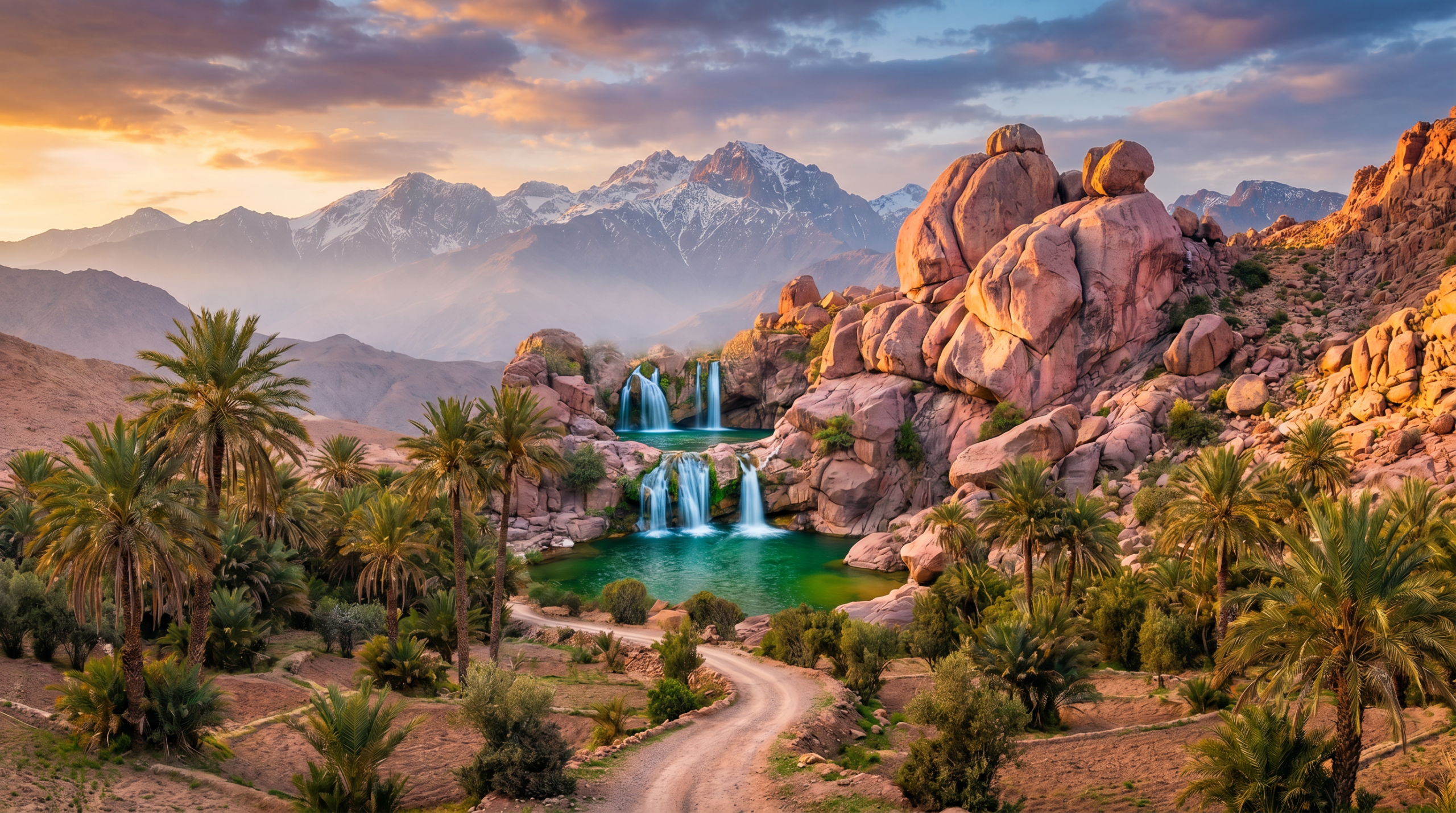
A verdant canyon oasis with lush trails, turquoise swimming pools, and the majestic natural rock arch known as the “Bridge of God.”
Tucked into the rugged Rif Mountains near the famous blue city of Chefchaouen, Akchour Waterfalls offer a refreshing escape from the summer heat. Unlike major national parks, this spot boasts far fewer crowds and some of Morocco’s most photogenic natural pools and canyon scenery. It’s one of the most striking Morocco natural wonders you’ll encounter.
💡 Choose your trail: The lower trail (approx. 2 hours) leads to the stunning Grand Cascade, while the upper trail reaches the awe-inspiring Bridge of God rock arch. In summer, cool off with a swim and enjoy a tagine at one of the simple riverside cafes.
Practical info: Base yourself in Chefchaouen (45-minute drive). Take a shared grand taxi from the main station. The best seasons are spring for full waterfalls and early summer for pleasant swimming weather. Wear sturdy shoes as paths can be slippery.
2. Tafraoute (Anti-Atlas)
A surreal landscape of pink granite boulders, palm-dotted valleys, and deep-rooted Amazigh (Berber) culture.
Famous for the “Painted Rocks” by Belgian artist Jean Verame, the true beauty of Tafraoute lies in the natural red-gold sunsets that set the sculpted boulders ablaze with colour. It’s a haven for hikers, climbers, and culture seekers looking for something genuinely different. Rent a bike to explore the quiet roads of the Ameln Valley, hike to ancient rock engravings, or browse for traditional leather babouches at the women’s cooperatives. See more small-town inspiration in our guide to unique villages.
February to April is magical, when the almond blossoms transform the valley into a sea of pink and white. Access is most convenient by rental car from Agadir (3 hours) or Tiznit. Bring ample sun protection and sturdy hiking shoes.
3. Sidi Ifni (Atlantic Coast)
A coastal town with a unique blend of Spanish Art Deco heritage, sweeping wild beaches, and a mellow, up-and-coming surf scene south of Agadir.
Its blue-and-white seaside aesthetic and crumbling colonial architecture create a sleepy, atmospheric vibe that feels worlds away from the resort strips. Nearby, Legzira Beach is famous for its colossal red rock sea arches—a must for photography. For more shoreline ideas, browse our best beaches in Morocco guide.
- Surf or take a lesson on the uncrowded breaks. If you’re basing around Agadir or Taghazout, you can book a surf lesson with lunch and transfers to hone your skills before heading south.
- Best time: September to November for gentle swells and warm water.
- Getting there: Arrive by bus or car from Agadir or Tiznit. Seafood lovers, come hungry for the fresh catch of the day at the port-side restaurants.
4. Ouzoud Caves (Middle Atlas)
A network of karst formations and caves tucked away from the main path at Morocco’s most famous waterfalls.
While thousands visit Ouzoud Falls, very few explore the nearby caves. This offers a chance to combine a popular sight with a genuine off-the-beaten-path experience, seeing the falls from a completely different perspective. Use our detailed Ouzoud Waterfalls guide to plan your visit.
💡 Expert recommendation: Pair cave exploration with a vetted day trip like the Ouzoud Waterfalls guided hike and boat ride. A local guide is essential for safely navigating the caves and understanding their geology. Best visited in spring or autumn. Bring a headlamp and wear grippy, closed-toe footwear.
5. Tighmert Oasis (Guelmim Region)
A preserved example of time-honoured Saharan oasis life amid dense palm groves and ancient mudbrick ksour (fortified villages).
This is slow travel at its purest. Life here revolves around the date harvest and the ancient khettara irrigation canals. It offers a glimpse into a fragile ecosystem and a resilient way of life, built on community and warm Moroccan hospitality.
- Do: Stay in a traditional eco-lodge, learn about oasis farming from a local family, and share sweet mint tea. For context on village life, read our guide on Rural Morocco: Authentic Experiences.
- Practical: October to April is the most comfortable period. Best reached by 4×4 or a grand taxi from Guelmim. Dress modestly out of respect for the conservative culture, and always ask before taking photographs of people.
6. Aït Bouguemez Valley (High Atlas)
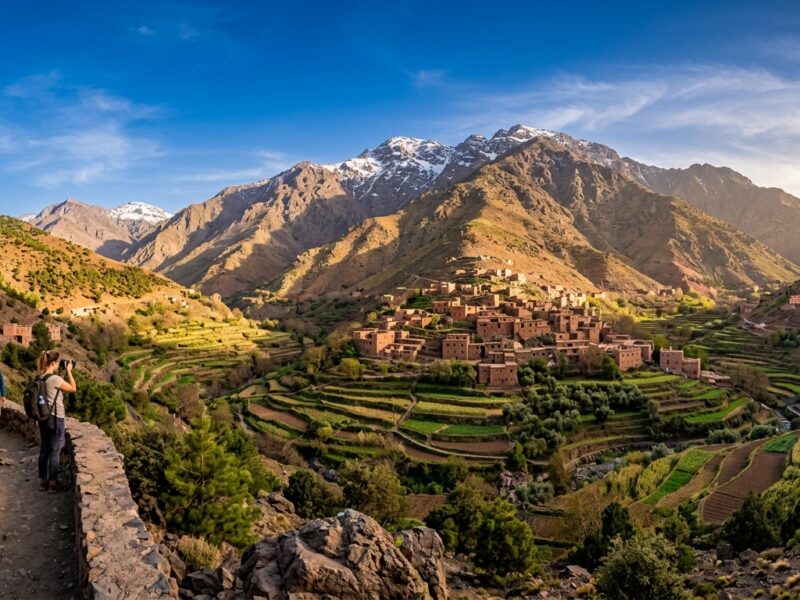
Known as Morocco’s “Happy Valley,” this remote and fertile valley offers emerald-green terraced fields set against the stark, towering peaks of the High Atlas.
Isolated for much of the year, Aït Bouguemez has preserved a traditional Berber way of life. It’s one of the best destinations for multi-day treks that focus on cultural immersion rather than just summiting peaks—a cornerstone of authentic Morocco adventure travel.
- Do: Embark on a multi-day trek, staying in village gîtes (homestays). Visit the Sidi Moussa marabout perched high on a conical hill for panoramic views. Seek out the prehistoric dinosaur footprints near the village of Tabant.
- Practical: Accessible via a long, winding road from Azilal. A 4×4 is recommended, especially outside of summer. The best trekking seasons are May–June and September–October. Hiring a local guide is highly advised for navigation and translation.
For more trekking ideas across the range, consult our Atlas Mountains Trekking Morocco Guide. You can also book a 2-day trek through High Atlas virgin villages for a guided, logistics-free experience.
Adventure Travel Opportunities in Secret Morocco
Adventure here is more than sightseeing—it’s about movement, nature, and human connection. This is what Morocco adventure travel in secret Morocco is all about. For inspiration across regions, explore our roundup of offbeat adventures in Morocco.
- Hiking & Trekking: From the gentle switchbacks above Akchour’s pools to multi-day mule-supported treks in the Aït Bouguemez Valley and routes up Mount Toubkal. For a guided mountain escape, try a 2-day trek in High Atlas virgin villages.
- Surfing: Sidi Ifni’s mellow vibe provides a perfect alternative to the crowded spots further north. Practice around Taghazout with a coached surf session before heading to these quieter breaks.
- Caving & Waterfalls: Ouzoud’s limestone formations and cascades offer a unique combination of adventures. Booking an Ouzoud guided hike ensures you find the best and safest routes.
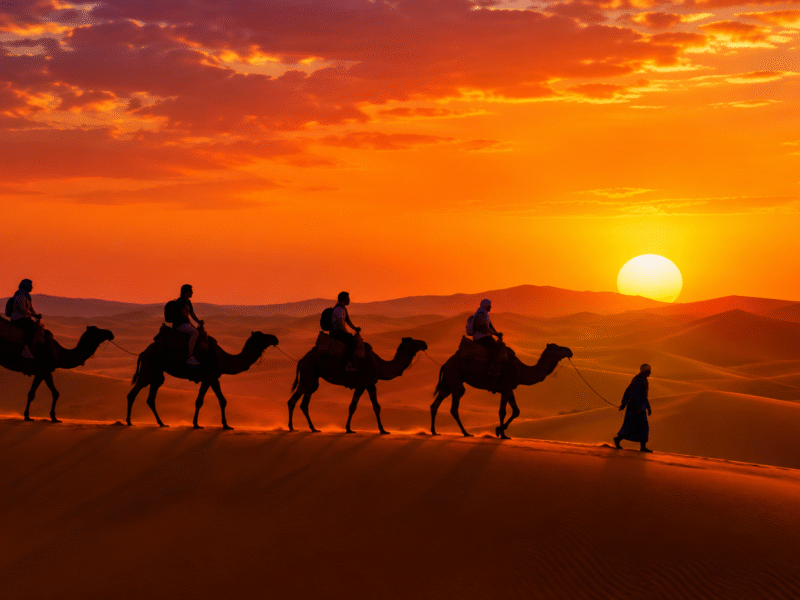
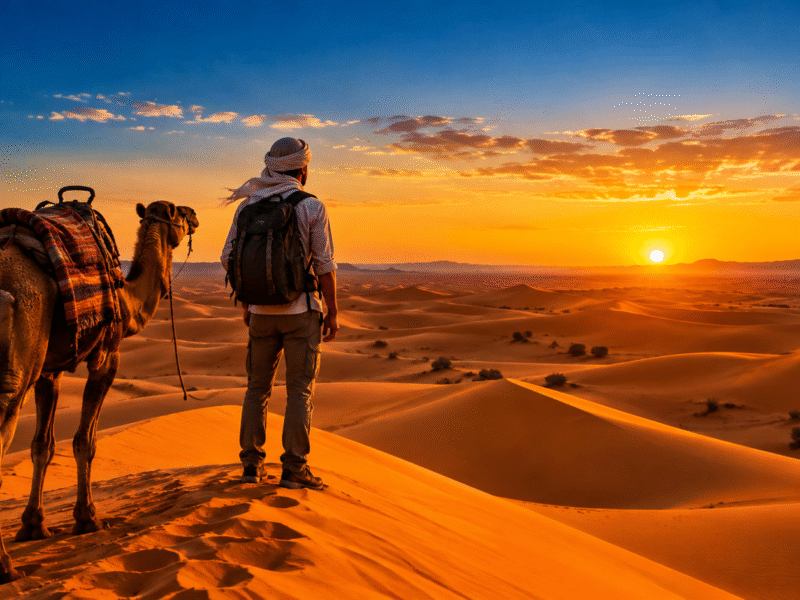
- Camel Experiences: If desert time is on your itinerary, review our Sahara tours guide or consider an overnight camel trek on Erg Chebbi for an iconic Moroccan adventure.
📌 Safety & Prep: Always check weather and trail conditions, carry layers and sun protection, pack 2–3L of water for day hikes, and respect local customs. Consult our Morocco Safety Guide for general advice.
How to Access Off-the-Beaten-Path Morocco
Getting to these amazing destinations in off the beaten path Morocco is a key part of the adventure. Here’s a breakdown of your options.
By Car
Renting a car offers the most flexibility. For most of these spots, a standard compact car is sufficient, but a 4×4 is better for mountain tracks like Aït Bouguemez. Read our car rental guide and compare rates via Localrent (local fleets) or QEEQ (global options).
By Public Transport
Use intercity trains and CTM/Supratours buses for long legs (see our 2026 transportation guide and trains guide). For the final stretch, you’ll rely on shared grand taxis, which are affordable but require patience as they wait to fill up. In towns, review our taxi tips.
With Local Guides & Tours
For areas like the Ouzoud Caves or Aït Bouguemez Valley, hiring a local guide or joining a tour is highly recommended. They handle logistics, ensure safety, and provide invaluable cultural context. Vetted tours like the High Atlas treks or the Ouzoud Waterfalls day trip streamline the experience.
Connectivity & Safety
For reliable data in remote areas, install an Airalo eSIM for Morocco before you land. Always carry cash for remote areas, inform your accommodation of your plans, and pack a small first-aid kit.
Compare hotel deals with Hotellook, or browse our curated Morocco hotels page. For trip ideas by region, see destinations: cities & villages.
Immersing Yourself in Local Culture
The true magic of exploring hidden gems in Morocco lies in connecting with its people and traditions. Start with our primer on authentic rural experiences, then add a hands-on activity like a Berber village cooking class with hike and lunch.
Culinary Immersion
Try the local specialities: almond amlou in Tafraoute, fresh Atlantic seafood in Sidi Ifni, and savoury Berber tagines everywhere. Visiting a weekly village market is a feast for the senses and a great way to see local life. For deeper dives into Moroccan cuisine, browse our best Moroccan dishes guide and our street food Morocco roundup.
Artisan Crafts
Seek out local cooperatives where you can buy directly from the artisans. Look for argan oil products in the Anti-Atlas and hand-woven rugs in the Rif and High Atlas mountains. For shopping guidance, check our Moroccan markets shopping guide.
Cultural Etiquette
Accept invitations for mint tea with both hands—it is a sign of hospitality. Dress modestly, covering shoulders and knees, especially in rural villages. Always ask permission before taking photos of people. A few words of Darija (Moroccan Arabic) like “Salam” (hello) and “Shukran” (thank you) go a long way. For a full breakdown, read our Moroccan etiquette guide.
Your Journey Into Unexplored Morocco
Stepping off the main circuit reveals Morocco at its most generous and authentic—fewer crowds, deeper conversations, and landscapes that feel entirely your own. These hidden gems are more than just places on a map; they are invitations to experience the heart and soul of the country. Use our collection of secret spots and offbeat adventures to spark your imagination, then build your perfect route with our destinations by region guide.
Whether you’re swimming at Akchour, trekking in the Happy Valley, surfing near Sidi Ifni, peering into Ouzoud’s caves, or strolling Tighmert’s palm groves, these places reward the curious traveler—every single time.
📌 Planning note: The shoulder seasons of spring (April–May) and autumn (September–October) are ideal for most of these destinations. Book guided treks 2–4 weeks in advance during peak season, and always download offline maps before heading into remote areas.
Reserve Your Spot
Book Your Morocco Adventure
From Atlas Mountain treks to waterfall day trips and surf lessons—choose from the best experiences across Morocco. Instant confirmation, free cancellation on most tours.
Frequently Asked Questions
Everything you need to know before you go
✦ Your Morocco Journey Starts Here
Discover the Morocco Nobody Tells You About
These hidden gems are waiting—waterfalls without selfie sticks, valleys where time moves slowly, and oases that welcome you like family. The hardest part is choosing which one to explore first. Let us help you start.