Moroccan Etiquette: The Complete Guide to Customs, Manners & Cultural Respect
Master Moroccan etiquette with our comprehensive guide covering essential customs, dining rules, dress codes, and cultural practices for a respectful and enriching visit to Morocco.
You’ve just been invited into a Moroccan home. Your host pours mint tea from an impossible height, filling three glasses in a graceful arc. Do you accept with your left hand? Do you refuse the first cup? Do you keep your shoes on? In Morocco, every one of these small choices carries cultural weight — and getting them right transforms a polite interaction into a genuinely warm connection. Understanding Moroccan etiquette isn’t about memorising rigid rules; it’s about showing the kind of respect that opens doors, sparks conversations, and turns a good trip into an unforgettable one.
✦ Key Takeaways
Dress modestly — cover shoulders and knees, especially in rural areas, mosques, and religious sites.
Always use your right hand for greetings, eating, and passing items — the left hand is considered unclean.
Show respect for Islamic customs during prayer times and religious periods like Ramadan.
Remove your shoes when entering Moroccan homes and some traditional establishments.
Ask permission before photographing locals, especially women and children.
Overview of Morocco Customs and Travel Etiquette
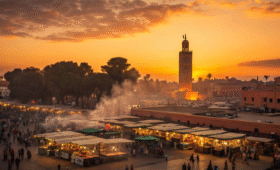
Moroccan etiquette encompasses the social customs, manners, and cultural norms that govern respectful behaviour across this richly diverse North African country. Whether you’re navigating the buzzing souks of Marrakech’s medina or sharing bread in a remote Berber village, understanding these Morocco etiquette rules helps you connect with locals on a deeper level and avoid the kind of misunderstandings that can sour an otherwise magical trip.
When you invest a little time learning about Morocco etiquette practices, the rewards are immediate. Shopkeepers relax their prices. Hosts invite you for second helpings. Strangers become storytellers. Proper etiquette knowledge doesn’t just make you a more respectful visitor — it unlocks the authentic cultural exchanges that no guided tour can replicate.
Morocco’s customs have been shaped over centuries by a confluence of powerful forces: Islamic religious practices, ancient Berber traditions, Arab heritage, and the country’s legendary culture of hospitality. Several core values underpin virtually every Moroccan etiquette rule you’ll encounter:
- Hospitality (diyafa): Treating guests with exceptional kindness and generosity is a sacred duty, not merely a social nicety
- Religious respect: Islam shapes daily rhythms, from prayer times to dietary customs, and visitors are expected to acknowledge this gracefully
- Modesty: In dress, speech, and behaviour — modesty signals good Morocco manners and earns genuine respect
- Family bonds: Family relationships are the bedrock of Moroccan society, and inquiring about someone’s family is a sign of care
- Community connection: Neighbours look out for one another, and this communal spirit extends to visitors who show willing
💡 Cultural context matters: Morocco etiquette rules are observed more strictly in rural communities and smaller towns than in cosmopolitan cities like Casablanca or Rabat. When exploring Morocco’s hidden gems and offbeat adventures, expect traditions to be more firmly maintained — and your effort to respect them will be noticed and deeply appreciated.
Morocco Tourist Etiquette
Morocco tourist etiquette covers the specific guidelines that help visitors fit respectfully into Moroccan society. These aren’t arbitrary rules — they’re practical expressions of the values above, and following them ensures you don’t accidentally offend anyone while enjoying everything from imperial cities to coastal surf towns.
Dress Code Guidelines
Dress code is one of the most fundamental aspects of Morocco etiquette, and it’s also one of the easiest to get right. The core principle is simple: wear modest clothing that covers your shoulders and knees. This Moroccan etiquette rule applies everywhere but is especially important in rural areas and near mosques and religious buildings. Avoid tight or revealing clothes like short shorts, tank tops, or low-cut shirts.
Women should consider carrying a lightweight scarf that can double as a head covering when visiting religious sites. Men should opt for long trousers rather than shorts in most situations. In beach towns like Essaouira or Taghazout, swimwear is fine on the sand, but cover up as soon as you step away from the beach.
When visiting Morocco’s rural areas for authentic experiences, dress even more conservatively than you would in cities. Loose-fitting linen trousers, long-sleeved cotton shirts, and a scarf are the traveller’s golden combination — comfortable in the heat and culturally appropriate everywhere.
Photography Etiquette
Photography requires special care according to Moroccan etiquette standards. The golden rule: always ask permission before taking pictures of people, especially women and children. A simple gesture toward your camera followed by a questioning look is usually understood, even without shared language. Many people prefer not to be photographed, and this is perfectly normal — respect their wishes without insisting.
Never take pictures inside mosques or other religious buildings unless you have explicit permission. In general, non-Muslims cannot enter most mosques in Morocco (the Hassan II Mosque in Casablanca is a notable exception), so exterior shots are your best option. Market vendors may expect a small tip if you photograph their stalls, which is a reasonable exchange.
Powered by GetYourGuide
Morocco Manners and Social Etiquette
Morocco manners are the everyday social behaviours that Moroccan people expect from each other and from visitors. Getting these right isn’t about performing — it’s about showing that you value the culture enough to meet it on its own terms.
Common Greetings
Greetings in Morocco follow specific patterns that reflect deep cultural values. The most common verbal greeting is “As-salaam alaikum” (peace be upon you), to which the response is “Wa alaikum as-salaam.” In French-speaking contexts, a simple “Bonjour” works perfectly. Moroccans appreciate when visitors make even a small effort with Arabic or Amazigh (Berber) phrases.
Men shake hands with other men using only the right hand — the left hand is considered unclean in Morocco etiquette, so never use it for greetings or passing items. Close friends and family members often kiss each other on both cheeks, but as a tourist, stick to handshakes unless your Moroccan counterpart initiates something warmer. The greeting ritual often includes asking about health, family, and well-being — don’t rush through this. It’s not small talk; it’s genuine care.
Gender Interaction Norms
Gender interaction norms in Moroccan etiquette are more conservative than in many Western countries, though they vary significantly between urban and rural settings. The safest approach: let the other person set the tone. If a Moroccan woman extends her hand, shake it. If she doesn’t, simply place your right hand over your heart as a warm, respectful alternative greeting.
When exploring Morocco’s unique villages, these social norms become particularly important. Village communities tend to maintain traditional customs more strictly than urban areas, and your sensitivity will be remembered long after you’ve moved on. For women travellers, our women’s safety guide for Morocco offers detailed advice on navigating these dynamics confidently.
💡 Right-hand rule reminder: The right-hand rule extends well beyond greetings. Use your right hand for passing objects, accepting gifts, handing over money, and pointing. If you’re naturally left-handed, make a conscious effort — Moroccans will notice and appreciate it.
Morocco Business Etiquette
Morocco business etiquette blends formal protocols with a warmth that can catch Western professionals off guard. The central principle is that relationships come before transactions — always. If you’re meeting Moroccan partners, suppliers, or colleagues, understanding these customs will accelerate trust and lead to better outcomes.
Meeting Protocols
While punctuality is appreciated and demonstrates professionalism, don’t be surprised if meetings start 15–30 minutes late. This isn’t disrespect — it reflects a cultural approach to time that prioritises human connection over clockwork efficiency. Initial meetings focus more on getting to know each other personally than diving into business details. Expect questions about your journey, your family, and your impressions of Morocco before any spreadsheets appear.
Dress formally for business meetings. A well-tailored suit for men and modest professional attire for women signal seriousness and respect. Exchange business cards with your right hand, and take a moment to read the card you receive rather than pocketing it immediately.
Building Relationships
Moroccan business culture values long-term relationships over quick deals. This means shared meals, mint tea ceremonies, and conversations about life beyond the boardroom are not distractions from business — they are the business. Take time to build genuine connections with your partners. Ask about their families and interests. Accept invitations to lunch or dinner whenever possible.
Understanding Morocco’s transportation system helps business travellers plan meetings effectively and arrive on time despite potential delays — demonstrating your commitment to professionalism within a culture that values flexibility.
During Ramadan, business hours shift significantly. Meetings tend to be shorter, tempers can be shorter too (fasting is hard work), and many offices close early. Schedule important negotiations outside of Ramadan if possible, or adjust your expectations and pace accordingly.
Powered by GetYourGuide
Moroccan Dining Etiquette
Moroccan dining etiquette is where cultural customs become most tangible — and most delicious. Whether you’re sharing a tagine in a family home or eating from a communal platter in a Berber village, these rules help you enjoy food while honouring the deep traditions that surround every Moroccan meal.
The Right Hand Rule
This is the single most important rule of Moroccan dining etiquette: use only your right hand for eating, drinking, and passing food. The left hand is considered unclean and should never touch food or dishes. Keep your left hand in your lap or resting on the table, but don’t use it for eating — even if you’re naturally left-handed. This Morocco etiquette rule has no exceptions and applies in every setting, from street food stalls to five-star restaurants.
Communal Eating Customs
Traditional Moroccan meals are communal affairs. Large dishes — tagines, couscous platters, salads — are placed in the centre of the table, and everyone eats from the same plate. The key rules are:
- Eat from your section: Eat only from the portion of the communal dish directly in front of you. Don’t reach across to the other side.
- Bread is your utensil: Tear off a small piece of bread with your right hand and use it to scoop up food. You’ll rarely see knives and forks at traditional meals.
- Accept generously: Your host may place choice pieces of meat or vegetables in your section — this is a sign of honour. Accept graciously.
- Refuse once, then accept: When offered food or drink, it’s polite to decline once before accepting. This ritual dance of hospitality shows both modesty and appreciation.
- Never waste food: Leaving excessive food on a shared plate can offend your hosts. Take modest portions and return for more rather than loading up.
To truly understand Moroccan cuisine and dining customs firsthand, consider taking a cooking class in a Berber village where you can learn traditional preparation methods and dining etiquette from the people who’ve practised them for generations.
📌 Planning note: If you have dietary restrictions, communicate them clearly and early. Moroccans are incredibly accommodating hosts, but they need to know in advance. Vegetarian options exist at every meal if you ask — our ultimate Moroccan food guide covers dietary considerations in detail.
Powered by GetYourGuide
Understanding Moroccan Dress Culture
Moroccan clothing reflects centuries of cultural heritage and plays a significant role in everyday etiquette. Understanding traditional dress helps visitors appreciate the depth of Moroccan culture and make appropriate clothing choices during their stay — choices that signal respect without requiring you to abandon your personal style entirely.
Traditional garments like the djellaba — a long, hooded robe — serve both practical and cultural purposes. The djellaba provides modest coverage while protecting against sun, wind, and sand. The caftan, an elegant flowing garment often richly embroidered, is reserved for special occasions like weddings, religious celebrations, and formal gatherings. For travellers interested in exploring both traditional and modern Moroccan fashion, our comprehensive Moroccan dress guide covers everything from cultural significance to practical shopping advice.
Modern Moroccan fashion blends traditional elements with contemporary styles while still respecting etiquette boundaries. Many young Moroccans in cities like Casablanca and Rabat wear Western clothing, but modest dress standards remain the cultural baseline. As a visitor, observing local dress patterns in each area helps you calibrate your wardrobe appropriately — what flies in a Marrakech rooftop bar won’t work in a mountain village mosque.
Shopping for traditional clothing? The souks of Marrakech and Fez offer the widest selection, but prices are negotiable. Our bargaining guide for Morocco souks will help you navigate the art of haggling respectfully — itself a form of Moroccan etiquette.
Moroccan Wedding Traditions and Etiquette
Moroccan weddings are among the most elaborate cultural celebrations you’ll ever witness — multi-day extravaganzas that showcase the importance of family, community, and tradition in Moroccan society. If you’re fortunate enough to receive an invitation, consider it a tremendous honour.
Wedding etiquette varies between urban and rural areas, but certain principles remain consistent. Guests are expected to dress formally and modestly: women often wear traditional caftans, and men don their finest djellabas or suits. Gift-giving follows specific customs — money presented in decorative envelopes is the standard, with the amount varying by your relationship to the couple.
The multi-day celebration includes rituals like the henna ceremony, where intricate designs are applied to the bride’s hands and feet, and the amariya, a throne-like platform on which the bride is carried and presented in up to seven different outfits. Music, dancing, and feasting continue late into the night. For detailed insights into these beautiful celebrations, explore our complete guide to Moroccan wedding traditions.
If invited as a tourist, participate respectfully: dance when encouraged, eat generously, and express your admiration openly. Moroccans love sharing their joy, and your genuine enthusiasm will be warmly received.
Experiencing Moroccan Hospitality
Moroccan hospitality — diyafa — is not a performance for tourists. It’s a deeply held cultural and religious value that defines how Moroccans relate to guests, neighbours, and strangers alike. This tradition stems from both Islamic teachings about honouring guests and ancient Amazigh (Berber) customs of providing shelter and sustenance to travellers crossing harsh landscapes.
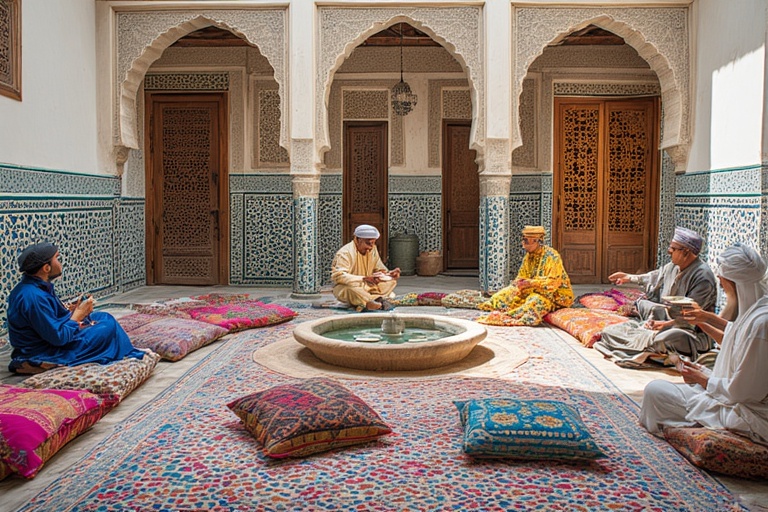
The rituals of hospitality follow a beautiful pattern. Upon entering a Moroccan home, you’ll likely be offered mint tea — Morocco’s iconic welcome drink, poured from height to create a light froth. Accept it graciously (with your right hand). Food will follow, often in quantities that seem impossible for the number of guests. This abundance is intentional — it expresses the host’s generosity and ensures no guest leaves hungry.
Reciprocating hospitality appropriately is its own form of etiquette. Show genuine appreciation. Compliment the food specifically (mention a dish you loved). Bring a small gift — pastries, fruit, or sweets are always welcome. Never bring alcohol unless you’re certain your hosts drink. And when your host says “Eat more!” for the third time, understand that this insistence is love in action. Our comprehensive guide to Moroccan hospitality explores these traditions in full detail.
Powered by GetYourGuide
Morocco Hammam Etiquette
The hammam — Morocco’s traditional public bathhouse — has been a cornerstone of Moroccan social and spiritual life for centuries. Far more than a place to wash, the hammam serves as a community gathering space, a pre-wedding ritual venue, and a site for both physical and spiritual cleansing. Understanding hammam etiquette ensures you can enjoy this extraordinary experience respectfully.
Dress Code and Gender Segregation
Gender segregation is strictly enforced in traditional public hammams — men and women bathe in separate facilities or at designated times. Tourist-oriented hammams and spa hammams may have different arrangements, but traditional neighbourhood hammams always separate genders.
For the dress code: bring modest swimwear or underwear. Complete nudity is generally not acceptable for tourists, even though some local women follow this practice among themselves. Most hammams provide a fouta (a thin cotton wrap) and disposable underwear. Bring flip-flops or waterproof sandals for the wet floors.
The Bathing Process
The hammam bathing process follows a specific sequence rooted in centuries of tradition:
- Warm room first: Start in the warm room to let your body adjust gradually to the heat and steam
- Hot room: Move to the hot room, where steam opens your pores. Sit or lie on the warm stone floor
- Black soap (savon beldi): Apply the olive-oil-based soap and let it sit for several minutes
- Scrubbing (kessa): Using the coarse kessa glove, scrub your entire body — or let an attendant do it for you. Don’t be alarmed by the amount of dead skin that comes off
- Rinse: Pour warm water over yourself using the buckets and cups provided
- Cool down: Return to the cooler room to relax before dressing
For a complete, guided introduction to this tradition, consider booking a traditional hammam experience in Marrakech with professional guidance. A guided first visit removes the uncertainty and lets you focus on the remarkable experience itself.
💡 Hammam etiquette essentials: Maintain a quiet, respectful atmosphere throughout your visit. Hammams are places for relaxation and reflection, not loud conversation. Don’t stare at other bathers. Tip your attendant (30–50 MAD is appropriate). And remember — many Moroccans view the hammam as a place for spiritual as well as physical cleansing, so treat the space with reverence.
Powered by GetYourGuide
Reserve Your Spot
Experience Moroccan Culture Firsthand
Put these etiquette insights into practice with authentic Moroccan cultural experiences — from Berber village cooking classes to guided medina tours. Instant confirmation, free cancellation on most activities.
Frequently Asked Questions
Everything you need to know about Moroccan etiquette before you go
✦ Your Morocco Journey Starts Here
Travel Morocco with Confidence and Respect
Now that you understand the customs that shape daily life in Morocco, you’re ready to experience this extraordinary country the way it deserves — with genuine respect, cultural curiosity, and the kind of openness that turns strangers into friends. Book an authentic cultural experience and let Morocco welcome you the way it has welcomed travellers for centuries.