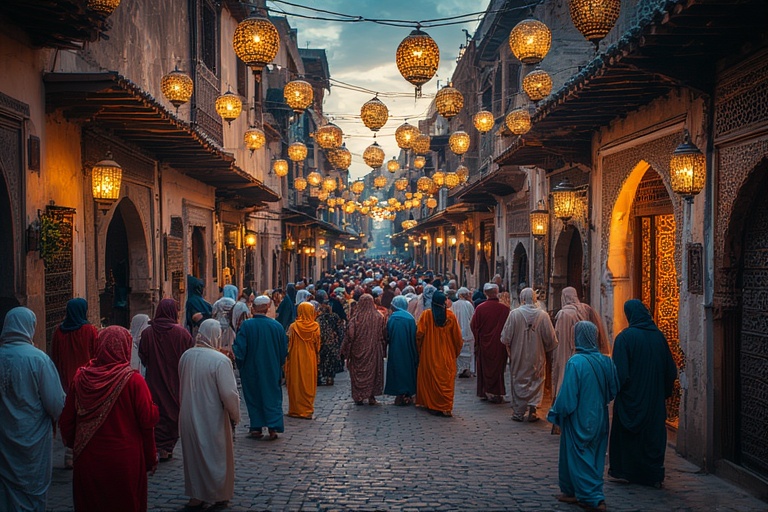
Religious Festivals Morocco: Ultimate Guide to Sacred Celebrations & Traditions
Explore Morocco’s vibrant religious festivals, from Eid al-Fitr to local moussems. Our guide covers Islamic holidays, unique traditions, and essential tips for visitors seeking authentic cultural immersion.
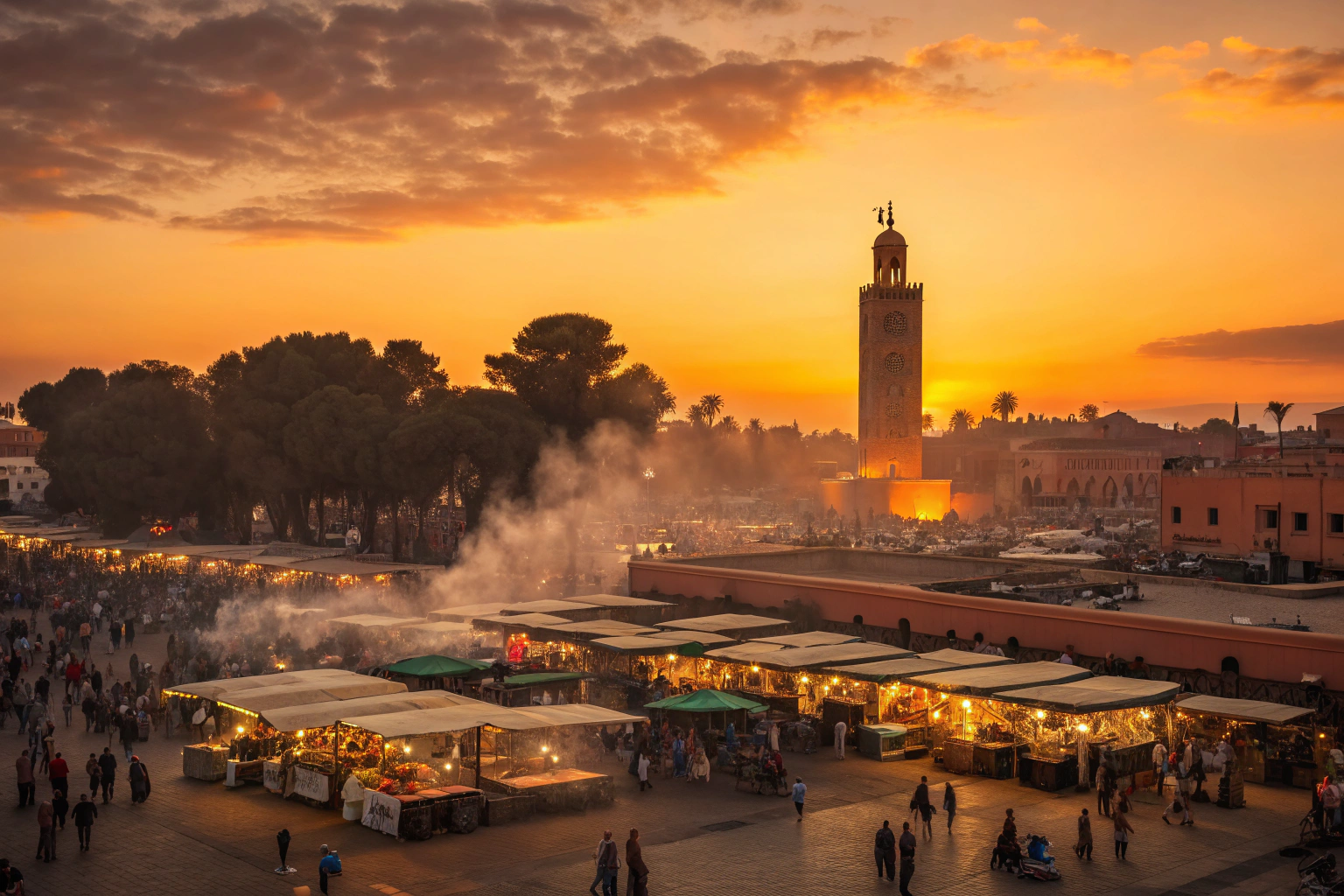
Have you ever watched an entire city fall silent at sunset during Ramadan, only to erupt minutes later in a symphony of prayer calls, clinking glasses, and joyful conversation? Religious festivals Morocco celebrates are not spectacles performed for outsiders — they are the living pulse of a nation where faith, family, and community have been inseparable for over a thousand years. These sacred occasions transform bustling medinas and quiet mountain villages alike into spaces of worship, feasting, and deep human connection that visitors rarely forget.
Morocco religious holidays serve as powerful expressions of devotion that go far beyond simple observance. They create moments where entire communities pause their daily routines to honor their faith through shared meals, acts of charity, and time-honored traditions passed down through centuries. From the aromatic kitchens of Marrakech to the candlelit shrines of Fes, these celebrations unite Moroccans in a tapestry of spiritual heritage that is uniquely their own — and remarkably welcoming to respectful travelers.
✦ Key Takeaways
Morocco’s religious festivals reflect deep Islamic heritage while embracing Jewish and Christian traditions, creating a unique cultural mosaic.
Major celebrations like Eid al-Fitr and Eid al-Adha feature distinctive Moroccan customs including special foods, family gatherings, and community charity.
Local moussems and regional saint festivals add incredible diversity, blending spiritual devotion with ancient Berber cultural traditions.
Religious festivals provide authentic cultural immersion for visitors, though respectful participation requires understanding local customs and etiquette.
These celebrations strengthen community bonds and showcase core Moroccan values of hospitality, generosity, and religious tolerance.
Overview of Religious Festivals in Morocco
Religious festivals Morocco encompasses a wide range of sacred celebrations that define the rhythm of Moroccan life throughout the year. These festivals primarily stem from Islamic traditions, as Islam serves as the dominant faith for over 99% of the population. However, Morocco’s religious landscape also includes vibrant Jewish and Christian communities that contribute their own sacred celebrations to the national calendar — a coexistence that has deep roots stretching back centuries.
The Islamic lunar calendar governs most Morocco religious holidays, creating a dynamic spiritual rhythm that shifts approximately 11 days earlier each year on the Gregorian calendar. This lunar-based system means that major festivals like Ramadan and the two Eids move through different seasons over time, bringing variety to the annual cycle of celebrations. The ever-changing dates add an element of anticipation and spiritual preparation as communities await the official announcements — often made by the Ministry of Habous and Islamic Affairs — that confirm the sighting of the new moon and the beginning of each festival.
💡 Lunar Calendar Note — Because Islamic festivals follow the lunar calendar, their dates shift each year. Always check the current Islamic calendar when planning your visit so you can align your trip with (or avoid) major religious holidays depending on your travel goals.
Local and regional religious customs add another layer of richness to religious festivals in Morocco. Throughout the country, communities honor local saints through special pilgrimages called moussems. These gatherings blend religious devotion with cultural traditions, featuring everything from horseback displays to traditional music performances. Cities like Fes celebrate their patron saint Moulay Idriss II with elaborate processions, while rural areas host harvest festivals that combine agricultural thanksgiving with spiritual gratitude.
The peaceful coexistence of different faiths stands as a hallmark of Morocco religious holidays. In cities like Casablanca and Marrakech, Muslim, Jewish, and Christian neighbors often share in each other’s celebrations, exchanging holiday greetings and traditional foods. This spirit of religious tolerance and mutual respect has deep roots in Moroccan history, where different faith communities have lived side by side for centuries, enriching the nation’s cultural fabric through their diverse traditions.
Major Morocco Islamic Festivals
Morocco Islamic festivals form the cornerstone of the nation’s religious calendar, bringing millions of Moroccans together in shared worship and celebration. These sacred occasions combine deep spiritual meaning with joyful community gatherings that strengthen social bonds across generations. Understanding each festival’s significance helps visitors appreciate not just the spectacle, but the profound faith that animates every tradition.
Eid al-Fitr — The Festival of Breaking the Fast
Eid al-Fitr marks the triumphant end of Ramadan’s month-long fast, erupting in celebrations that fill every corner of Morocco with joy. As the new moon appears signaling Ramadan’s conclusion, families gather for special dawn prayers in mosques and open prayer spaces throughout the country. The spiritual significance centers on gratitude for completing the fast and renewed commitment to faith.
After prayers, the feasting begins with special breakfast treats like chebakia (honey-soaked sesame pastries) and sellou (a rich nutty confection made with toasted flour, almonds, and sesame seeds). Children receive new clothes and small gifts of money, while adults visit relatives and neighbors to share meals and strengthen community ties. The celebration typically lasts two to three days, with each day bringing new rounds of visits and hospitality.
If you’re in Morocco during Eid al-Fitr, don’t be surprised if a complete stranger invites you to share their family breakfast. Moroccans consider it a blessing to share their celebration with travelers — accept graciously and bring a small gift like pastries from a local bakery.
Eid al-Adha — The Festival of Sacrifice
Eid al-Adha, known locally as “l-Aid l-Kbir” (the Big Eid), stands as the most important of all religious festivals Morocco celebrates. This multi-day celebration commemorates Prophet Abraham’s willingness to sacrifice his son as an act of obedience to God. Moroccan families who can afford it purchase a sheep or goat weeks in advance, caring for the animal until the day of sacrifice — a period that creates unique sights in Moroccan cities, where sheep can be spotted on rooftops, in garages, and even in apartment stairwells.
The ritual slaughter follows specific Islamic guidelines, with families distributing one-third of the meat to the poor, one-third to relatives and neighbors, and keeping one-third for their own feast. The spiritual lessons of sacrifice, charity, and community support permeate every aspect of this profound celebration. Markets buzz for weeks beforehand with families selecting their animal, and the days following are filled with elaborate cooking, visiting, and generous charity that embodies the festival’s core message.
Mawlid al-Nabi — The Prophet’s Birthday
Mawlid al-Nabi celebrates Prophet Muhammad’s birthday with decorations, religious poetry, and special family meals that honor the Prophet’s life and teachings. Moroccan homes fill with the scent of traditional dishes like mrouzia (a sweet and savory lamb tagine with raisins, almonds, and ras el hanout) and various honey-based sweets. Communities organize religious gatherings where scholars share stories from the Prophet’s life, while children learn religious songs and poems.
The festival emphasizes following the Prophet’s example of kindness, generosity, and devotion to God, making it an important educational moment for young Moroccans. In cities like Salé (across the river from Rabat), the celebration includes elaborate candlelit processions through the medina — a tradition unique to this city that dates back centuries and draws visitors from across the country.
For an immersive experience of these celebrations, visitors can join guided cultural tours in cities like Marrakech, where local guides explain the traditions and help visitors understand the significance of these important religious events.
Morocco Eid Festivals: Unique Traditions and Celebrations
Morocco Eid festivals showcase distinctive customs that set Moroccan celebrations apart from those in other Islamic nations. These unique traditions blend ancient Berber customs with Islamic practices, creating festivities that visitors find both fascinating and deeply meaningful. What makes Moroccan Eid celebrations truly special is the way pre-Islamic Amazigh (Berber) heritage has woven itself into the fabric of Islamic observance, creating something found nowhere else in the world.
The Bujlood Carnival — Morocco’s Post-Eid Street Theater
The Bujlood carnival represents one of Morocco’s most distinctive post-Eid traditions. Following Eid al-Adha, young men in certain regions don the skins of sacrificed animals, complete with horns and hooves, transforming into the character of Bujlood or “Father of Skins.” These costumed figures dance through the streets, playfully chasing children and collecting small donations for charity. This ancient tradition, with roots in pre-Islamic harvest festivals, adds a uniquely Moroccan flavor to the religious celebrations, combining reverence with joyful street theater.
Culinary Traditions During Morocco Eid Festivals
Traditional Moroccan foods during Morocco Eid festivals create unforgettable culinary experiences. Families prepare elaborate lamb dishes like mechoui (whole roasted lamb slow-cooked until it falls apart) and tangia (a Marrakech specialty of lamb slow-cooked in clay pots buried in the ashes of a hammam furnace). Regional specialties emerge during these times: Fes offers its famous pastilla with lamb, Marrakech serves its distinctive tangia, and coastal cities prepare special seafood dishes alongside traditional lamb preparations.
Sweet treats like kaab el ghazal (gazelle horns — crescent-shaped almond pastries) and ghriba (almond cookies) fill decorative plates in every home, ready to offer guests who arrive throughout the celebration days. The art of Moroccan festival cooking is passed down through generations, and many families guard their special recipes with pride. For food enthusiasts, experiencing a Moroccan Eid celebration is one of the most authentic Moroccan cultural experiences available.
If you want to learn the art of Moroccan festival cooking firsthand, consider booking a Moroccan cooking class during your visit. Many riad hosts offer special festival recipe sessions during holiday periods.
Family Reunions and Community Celebrations
Family reunions during Morocco Islamic festivals bring together relatives from across the country and even from abroad. Multi-generational gatherings fill homes with laughter, storytelling, and the sharing of family traditions. Gift exchanges — particularly for children — include new clothes, toys, and money in decorative envelopes. Public festivities spill into the streets with traditional music performances, including gnawa musicians, chaabi bands, and local folk groups creating a festive atmosphere in public squares.
The spirit of hospitality reaches its peak during religious festivals Morocco celebrates. Homes remain open to visitors throughout the festival days, with tables constantly replenished with food and freshly poured mint tea. The tradition of sharing extends beyond family, as neighbors exchange plates of special dishes and sweets. This generosity reflects the deeper spiritual meaning of the festivals — strengthening community bonds and ensuring everyone, including strangers, participates in the joy of celebration.
Travelers can experience these unique traditions firsthand by staying in traditional riads or family-run guesthouses during festival periods, where hosts often invite guests to join their family celebrations.
Other Morocco Religious Holidays
Beyond the major celebrations, Morocco religious holidays include several other significant observances that enrich the spiritual calendar. These festivals may receive less international attention but hold deep meaning for Moroccan communities and offer visitors some of the most authentic, crowd-free cultural experiences available.
Islamic New Year (Hijri New Year)
Islamic New Year arrives with quiet reflection rather than boisterous celebration. Moroccans mark this day with special prayers in mosques and family gatherings focused on spiritual renewal. Communities organize religious lectures discussing the significance of the Hijra — the Prophet’s migration from Mecca to Medina — which marks the beginning of the Islamic calendar. Families prepare traditional dishes like harira soup and gather to share stories about Islamic history, making it an important educational moment for children.
Laylat al-Qadr (The Night of Power)
Laylat al-Qadr occurs during Ramadan’s final ten nights and is believed to be the night when the first verses of the Quran were revealed to Prophet Muhammad. Moroccan mosques stay open all night as worshippers engage in special prayers, Quran recitation, and spiritual contemplation. Many Moroccans spend the entire night in worship, believing that prayers on this night carry the weight of a thousand months of devotion. The exact date remains uncertain — it falls on one of the odd-numbered nights of Ramadan’s last ten days — adding spiritual anticipation as believers seek this blessed night through increased devotion.
💡 Visitor’s Note — During the last ten nights of Ramadan, Morocco’s mosques are at their most vibrant. While non-Muslims cannot enter most mosques, you can experience the atmosphere from nearby cafés and streets, where the sound of collective prayer and recitation fills the night air.
Ashura — A Festival of Unique Moroccan Customs
Ashura brings unique Moroccan customs that blend religious observance with local traditions unlike those seen elsewhere in the Islamic world. Children play drums called taarija in the streets, creating rhythmic celebrations that echo through neighborhoods for days before and after the actual holiday. Some regions light bonfires called “shaalat”, while others organize water-splashing festivities reminiscent of ancient purification rituals.
Moroccan families prepare special dishes like sweet couscous with dried fruits and nuts, sharing them with neighbors and the less fortunate. The tradition of zakat (charitable giving) is particularly emphasized during Ashura, when families distribute food and money to those in need. These regional variations make Ashura one of the most diverse religious festivals Morocco celebrates.
Moussems and Regional Saint Festivals
Regional and local religious festivals add incredible variety to Morocco religious holidays. The moussem of Moulay Idriss II in Fes attracts thousands of pilgrims who come to honor the founder of Morocco’s first Islamic dynasty. The Imilchil Marriage Festival in the Atlas Mountains combines Berber traditions with Islamic customs, creating a unique celebration where young people meet potential spouses under the watchful eyes of their families.
Rose harvest festivals in the Dades Valley blend agricultural thanksgiving with religious gratitude, while coastal communities hold special celebrations honoring local saints who protected fishermen. Many of these lesser-known celebrations can be found in hidden gems throughout Morocco, offering travelers authentic cultural experiences away from mainstream tourist routes.
To reach these often remote festivals, visitors might consider renting a car to access rural villages where some of the most traditional celebrations take place. Alternatively, check our complete guide to Moroccan festivals in 2026 for specific dates and locations throughout the year.
Cultural Impact and Tourism
Religious festivals Morocco create profound impacts on both cultural preservation and tourism development. These sacred celebrations attract visitors from around the world who seek authentic spiritual and cultural experiences beyond typical tourist attractions. Understanding how to participate respectfully — and how these festivals shape Moroccan society — transforms a surface-level visit into a meaningful cultural exchange.
Festival Tourism and Cultural Immersion
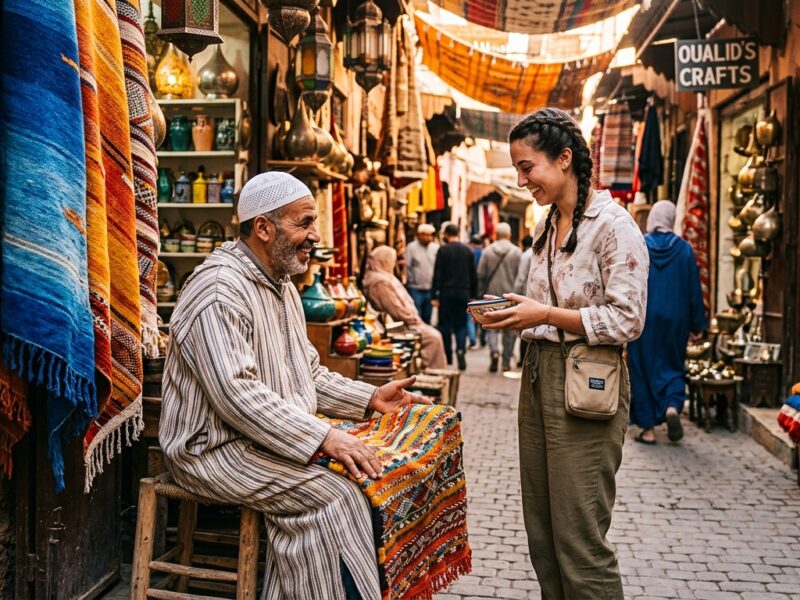
Festival tourism during Morocco religious holidays offers unique opportunities for cultural immersion that no museum or guided tour can replicate. Visitors witness centuries-old traditions firsthand, from the solemnity of Ramadan prayers to the joyful chaos of Eid celebrations. Hotels and traditional riads organize special programs helping guests understand and respectfully participate in festivities. Tour operators create specialized itineraries that coincide with major festivals, allowing travelers to experience Morocco at its most vibrant and authentic.
Dress modestly (covering shoulders and knees), especially near mosques or religious gatherings. Always ask permission before photographing people or ceremonies. During Ramadan, avoid eating, drinking, or smoking in public during daylight hours. Accept invitations graciously and bring small gifts when visiting homes.
Respectful participation requires understanding local customs and etiquette during Morocco Eid festivals. Photography requires particular sensitivity — many Moroccans are happy to be photographed during celebrations, but always ask first, especially during prayer or religious ceremonies. During Ramadan, eating or drinking in public during daylight hours is considered disrespectful, though many restaurants in tourist areas remain open for visitors in designated spaces.
Preservation and Community Impact
Government and community initiatives work tirelessly to preserve the authentic character of religious festivals Morocco celebrates. Restoration projects maintain historic mosques and religious sites where festivals occur. Educational programs in schools ensure young Moroccans understand the spiritual and cultural significance of their religious heritage. The government supports interfaith dialogue initiatives, organizing events where different religious communities share their traditions and promote mutual understanding.
The economic benefits of festival tourism extend throughout Moroccan society. Local artisans see increased demand for traditional clothing, decorative items, and religious artifacts during Morocco religious holidays. Street food vendors and restaurants prepare special festival menus that introduce visitors to authentic Moroccan cuisine at its finest. Sustainable tourism practices during festivals ensure that economic benefits reach local communities while preserving the spiritual integrity of celebrations.
📌 Planning Note: If you’re planning to visit Morocco during a major religious festival, book accommodation at least 4–6 weeks in advance. Riads and hotels fill up quickly, especially in popular cities like Marrakech and Fes. Also note that many businesses close or operate on reduced hours during Eid celebrations — plan your shopping and activities accordingly.
For travelers interested in experiencing these celebrations firsthand, cultural tours with local guides provide invaluable insights into the meaning and traditions behind each festival, transforming what could be a confusing experience into one of genuine understanding and connection.
Reserve Your Spot
Experience Morocco’s Living Traditions
Discover the cultural heart of Morocco with expert-led tours through ancient medinas, vibrant festivals, and sacred traditions. Instant confirmation, free cancellation on most experiences.
Frequently Asked Questions
Everything you need to know before you go
✦ Your Morocco Journey Starts Here
Experience Morocco’s Sacred Celebrations Firsthand
Morocco’s religious festivals are invitations — to share a meal with strangers, to witness traditions older than memory, and to feel the warmth of a culture that believes generosity is a form of prayer. Plan your journey to coincide with these sacred celebrations and discover the soul of Morocco.