
Essential Vaccinations for Morocco: Complete 2026 Travel Health Guide
Discover essential vaccinations for Morocco, travel health tips, and expert advice to stay safe and healthy on your 2026 Moroccan adventure — from official requirements to recommended immunizations and practical wellness strategies.
You’ve booked the flights, bookmarked the riads, and started dreaming about sipping mint tea on a sun-drenched rooftop in Marrakech. But between choosing which medina to explore first and deciding whether to ride a camel into the Sahara, there’s one question that trips up nearly every traveler: do you need vaccinations to go to Morocco? The answer is more nuanced than a simple yes or no — and getting it wrong could mean anything from a denied boarding to a week of your holiday spent in a hotel bathroom. This comprehensive guide on vaccinations for Morocco cuts through the confusion, giving you clear, medically-informed guidance so you can focus on what really matters: planning an unforgettable trip.
✦ Key Takeaways
Morocco only requires vaccination proof from travelers arriving from yellow fever endemic areas and polio-affected regions — most visitors enter without mandatory vaccines.
Recommended vaccines include Hepatitis A, Typhoid, and up-to-date routine immunizations — these protect against real health risks you’ll encounter while traveling.
Start your vaccination planning 4–6 weeks before departure to allow time for multi-dose series and full immunity development.
Adventure travelers and long-term visitors need additional vaccines — including rabies pre-exposure prophylaxis for animal encounter risks in rural areas.
Health protection extends far beyond vaccines — food safety, water precautions, sun protection, and comprehensive travel insurance are equally essential.
Do You Need Vaccinations to Go to Morocco?
The straightforward answer to “do you need vaccinations to go to Morocco” is that the country does not require mandatory vaccinations for the vast majority of international travelers. Morocco’s entry requirements are notably relaxed compared to many other African nations, reflecting its status as a major tourist destination and its confidence in its robust public health infrastructure. Whether you’re arriving from the United States, the United Kingdom, Canada, or most European countries, you won’t be asked for vaccination documentation at the border.
However, two critical exceptions exist. First, travelers arriving from countries where yellow fever is endemic must present a valid International Certificate of Vaccination proving yellow fever immunization. This requirement applies to anyone over one year old who has been in a yellow fever risk area within the six days before entering Morocco. Second, visitors from countries experiencing polio outbreaks must show proof of polio vaccination administered between four weeks and 12 months before arrival.
💡 “Required” vs. “Recommended” — know the difference. — Required vaccines are legal entry requirements enforced at borders. Recommended vaccines aren’t checked at immigration but protect against real diseases that could ruin your trip. Health professionals universally advise getting both categories.
While asking “do you need vaccines to go to Morocco” might yield a technical “no” for most travelers, this shouldn’t be interpreted as meaning vaccines are unnecessary. The distinction between legally required and medically recommended vaccines is crucial for making informed decisions about your health. Morocco’s enchanting blend of ancient traditions, bustling souks, and diverse landscapes — from the maze-like medinas of Marrakech to the golden dunes of the Sahara — means you’ll encounter a wide range of environments, each with its own health considerations.
Understanding whether you need vaccinations for Morocco also depends on your specific travel plans. A business traveler staying in five-star hotels in Casablanca faces vastly different health risks than a backpacker exploring hidden gems in Morocco’s off-the-beaten-path locations. Your vaccination needs vary based on factors including trip duration, planned activities, accommodation types, and personal health history. The warmth of Moroccan hospitality remains legendary — but the best way to fully enjoy it is to arrive properly protected.
Powered by GetYourGuide
Morocco Vaccination Requirements (Official Guidelines)
Morocco’s official vaccination requirements reflect a balanced approach to public health protection while maintaining accessibility for international visitors. The Moroccan Ministry of Health, in coordination with the World Health Organization (WHO), has established clear guidelines that protect both visitors and local populations from serious communicable diseases. Understanding these official Morocco vaccination requirements ensures you arrive without complications at border control.
Yellow Fever Vaccination Certificate
The yellow fever requirement represents Morocco’s primary vaccination mandate. Travelers must present their International Certificate of Vaccination if arriving from any country on the WHO’s official list of yellow fever endemic areas. This includes most of sub-Saharan Africa and specific regions in South America — including parts of Brazil, Peru, Colombia, and Venezuela.
The vaccine must be administered at least 10 days before arrival to be considered valid, as this is the window needed for immunity to develop. Critically, the yellow fever vaccine now provides lifetime protection with a single dose — Morocco recognizes this updated WHO guideline, meaning travelers no longer need boosters every 10 years as was previously mandated. If you received your yellow fever vaccine at any point in your life, your certificate remains valid.
Polio Vaccination Documentation
Morocco requires proof of polio vaccination from travelers arriving from countries with active polio transmission. This requirement changes based on global polio outbreak patterns, so checking the CDC’s current polio situation updates before travel is essential. The vaccine must be administered between four weeks and 12 months before travel, and travelers must carry official documentation. Both oral polio vaccine (OPV) and inactivated polio vaccine (IPV) are accepted, though IPV is more commonly used in developed countries.
If you’re transiting through a yellow fever endemic country (even just changing planes), you may need a yellow fever certificate to enter Morocco. Always check whether your layover country triggers this requirement — it’s one of the most common reasons travelers face unexpected border issues.
Measles Vaccination Campaigns and Updates
While not officially required for entry, Morocco has intensified its measles vaccination campaigns following regional outbreaks. The Ministry of Health strongly encourages all visitors to ensure their MMR (measles, mumps, rubella) vaccinations are current. This recommendation carries particular weight given that measles outbreaks have occurred in various Moroccan cities, and the disease spreads easily in crowded tourist areas like medinas and markets. If you’re planning to navigate the vibrant Moroccan souks and markets, up-to-date MMR protection is especially important.
Recommended Vaccines for Morocco Travelers
Understanding which vaccinations are needed for Morocco requires considering the various health risks present across different regions and travel scenarios. While not mandated by Moroccan authorities, these recommended vaccines for Morocco provide crucial protection against diseases that could seriously derail your travel experience. Think of them as your invisible travel armor — you’ll never notice them working, but you’d certainly notice their absence.
Essential Routine Vaccines
Before considering travel-specific immunizations, ensure all routine vaccines remain current. These form the foundation of your health protection:
MMR (Measles, Mumps, Rubella): Recent measles outbreaks in Morocco make this particularly important. Adults born before 1957 are generally considered immune, but younger travelers should verify they’ve received two doses. The vaccine is 97% effective against measles after two doses — well worth the protection when you’re navigating crowded medinas and busy transport hubs.
DTP (Diphtheria, Tetanus, Pertussis): Tetanus poses risks through contaminated wounds, particularly relevant for adventure travelers planning Atlas Mountains trekking or exploring the rugged terrain of Morocco’s natural wonders. Adults need boosters every 10 years, though some travel medicine doctors recommend boosters every five years for frequent travelers to developing countries.
Polio: While Morocco itself is polio-free, ensuring complete polio vaccination protects you during travel and may be required for onward travel to other countries in the region.
Powered by GetYourGuide
Protection Against Food and Waterborne Diseases
Morocco’s delicious cuisine is one of the country’s greatest draws — from fragrant tagines to sizzling street food. But the local bacterial environment differs from what most travelers’ digestive systems are accustomed to, making food and waterborne disease protection essential.
Hepatitis A: This is arguably the most important vaccine for Morocco travelers. The hepatitis A virus spreads through contaminated food and water, and even luxury hotels cannot guarantee complete protection. A single contaminated meal can result in weeks of debilitating illness — fever, fatigue, nausea, and jaundice that could persist long after your return home. The vaccine requires two doses six months apart for long-term protection, though a single dose provides adequate coverage for trips under six months. The good news? Even a single dose administered just days before departure offers meaningful protection.
Typhoid: Particularly important for adventurous eaters and those visiting smaller towns or rural areas where sanitation standards may vary. Two vaccine types exist: an injection providing two years of protection, and oral capsules lasting five years. The injectable version requires administration two weeks before travel, while oral doses need completion one week prior. If you’re planning to immerse yourself in Morocco’s legendary street food scene, typhoid vaccination is strongly advised.
💡 Hepatitis A is the traveler’s vaccine you can’t afford to skip. — Unlike many travel illnesses that resolve quickly, hepatitis A can cause illness lasting weeks to months. It’s spread through food and water — meaning even careful eaters in upscale restaurants face some risk. The vaccine is safe, highly effective, and provides near-immediate protection.
Additional Protective Vaccines
Hepatitis B: Spread through blood and body fluids, this vaccine becomes important for travelers planning extended stays, those who might need medical or dental care in Morocco, or anyone considering tattoos or piercings. The standard series requires three doses over six months, though accelerated schedules exist for last-minute travelers. If you’re spending more than a few weeks in Morocco, the peace of mind alone makes this worth considering.
Rabies: Morocco has a significant stray animal population, particularly dogs and cats in urban areas and throughout the countryside. Pre-exposure prophylaxis involves three doses over 28 days (or 21 days with accelerated scheduling). While post-exposure treatment is available in major Moroccan cities like Casablanca, Rabat, and Marrakech, pre-exposure vaccination simplifies treatment dramatically — reducing post-exposure care from five doses plus immunoglobulin to just two booster doses. For travelers heading into rural Morocco where medical facilities are limited, this extra margin of safety is invaluable.
Powered by GetYourGuide
Who Should Be Extra Careful?
Certain traveler categories face elevated health risks in Morocco, requiring additional consideration for Morocco immunizations beyond standard recommendations. Your personal profile matters as much as your destination when building a vaccination plan.
Long-term Travelers and Expatriates
Extended stays exponentially increase your cumulative exposure to health risks. Every additional week means more restaurant meals, more interactions, and more chances for the unexpected. Travelers spending more than one month in Morocco should prioritize:
- Complete hepatitis B series — extended stays increase the chance you may need medical or dental care, where blood-borne transmission is a concern
- Rabies pre-exposure prophylaxis — cumulative animal encounter risks rise significantly over weeks and months, especially in residential neighborhoods
- Typhoid vaccination — longer stays inevitably mean more street food, local restaurants, and exposure to varied food preparation standards
Adventure and Rural Travelers
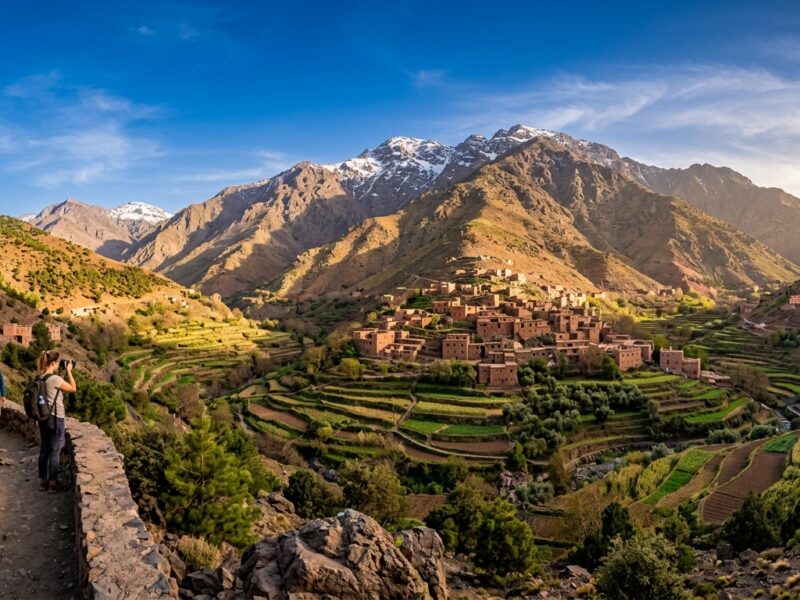
Morocco’s diverse landscapes attract trekkers, climbers, and rural explorers who face unique health challenges that city-based travelers don’t encounter. Those planning 2-day treks through High Atlas virgin villages or 3-day Sahara desert safaris need enhanced protection for several reasons:
- Limited medical facilities — remote mountain villages and desert camps may be hours from the nearest clinic
- Increased animal encounters — camping, hiking through rural areas, and visiting Berber villages all raise the probability of contact with stray or semi-wild animals
- Variable food and water quality — rural water sources may not undergo the same treatment as urban supplies
- Wound infection risk — scrambling over rocks, navigating mountain trails, and outdoor activities increase the chance of cuts and abrasions requiring tetanus protection
If you’re trekking in the Atlas Mountains or camping in the Sahara, pack a basic first-aid kit including antiseptic wipes, adhesive bandages, oral rehydration salts, and a course of traveler’s diarrhea antibiotics prescribed by your doctor. Remote pharmacies in Morocco are well-stocked but rarely open after sunset — and that’s exactly when most medical needs seem to arise.
Vulnerable Populations
Children: Pediatric travelers need modified vaccination schedules, with some vaccines having different age requirements. Children are also more susceptible to dehydration from diarrheal illnesses, making hepatitis A and typhoid vaccination especially important. Consult your pediatrician about accelerated schedules if your departure date is approaching. Morocco is a wonderful destination for families traveling with kids, but preparation is key.
Elderly Travelers: Age-related immune system changes require extra precautions. Vaccines may take longer to generate full immunity in older adults, making the 4–6 week pre-departure timeline even more critical. Additional considerations include pneumococcal and shingles vaccines, influenza vaccination regardless of season, and potentially stronger sunscreen protocols given Morocco’s intense UV exposure.
Immunocompromised Individuals: Those with weakened immune systems — from conditions like HIV, autoimmune disorders, or immunosuppressive medications — face special challenges. Live vaccines (like oral typhoid and MMR) may be contraindicated, while inactivated vaccines may provide reduced protection. A specialized travel medicine consultation is essential, not optional, for this group.
Travel Health Tips Beyond Vaccinations
Staying healthy in Morocco requires comprehensive prevention strategies extending well beyond vaccinations. These practical measures often prove just as important as immunizations in preventing illness — and they’re within your direct control from the moment you step off the plane.
Comprehensive Food and Water Safety
Morocco’s tap water, while treated in major cities, contains different bacterial flora than most travelers’ home countries. This doesn’t mean the water is “bad” — locals drink it daily without issue. But your gut microbiome hasn’t had decades to adapt, which means strict adherence to water safety is essential:
- Drink only bottled water from sealed containers — check that caps haven’t been refilled by squeezing the bottle before opening
- Use bottled water for tooth brushing — a commonly overlooked exposure route
- Hot beverages are generally safe — Morocco’s famous mint tea is prepared with boiling water, making it one of the safest things you can drink
- Avoid ice in drinks unless you’re in an upscale establishment that uses purified water for ice production
Food safety requires equal vigilance. Choose restaurants with high turnover (a sign of fresh ingredients), ensure hot foods arrive steaming, and avoid buffets where food sits at unsafe temperatures for extended periods. Skip raw vegetables unless you’re dining at an upscale establishment that uses purified water for washing produce. For the full guide to eating safely and deliciously, explore our best Moroccan dishes guide, which covers everything from tagine to couscous with safety tips built in.
📌 Planning note: Street food in Morocco can be perfectly safe if you follow two golden rules — eat from stalls with high local turnover (crowds mean freshness), and choose items cooked fresh in front of you and served immediately. The sizzling grills of Djemaa el-Fna have been feeding travelers safely for decades.
Mosquito and Insect Protection
While Morocco has minimal malaria risk (anti-malaria pills are generally not recommended for most travelers), other mosquito-borne illnesses exist in specific regions. Apply DEET-based repellents (30–50% concentration) to exposed skin during dawn and dusk when mosquitoes are most active, treat clothing with permethrin for additional protection, and use mosquito nets in rural accommodations lacking window screens. This is especially important during the warmer months from May through October.
Sun and Heat Protection
Morocco’s intense sun requires serious protection, particularly during summer months when temperatures in cities like Marrakech regularly exceed 40°C (104°F). Whether you’re exploring Morocco’s stunning natural landscapes or enjoying coastal beach activities, sun safety is non-negotiable:
- Use broad-spectrum sunscreen with minimum SPF 30, reapplied every two hours
- Wear wide-brimmed hats and UV-protective clothing — a lightweight long-sleeved shirt is your best friend
- Stay hydrated with regular water intake — aim for 3+ liters daily in hot weather
- Plan outdoor activities for early morning or late afternoon, avoiding the peak 11am–3pm sun
Travel Insurance — Your Essential Safety Net
No vaccination strategy is complete without comprehensive travel insurance that covers medical evacuation, hospitalization, and emergency treatment. Morocco’s major cities have excellent private hospitals, but rural areas may require evacuation to urban centers. A quality travel insurance policy isn’t an optional luxury — it’s the single most important investment you can make in your travel health preparedness. Look for policies that specifically cover:
- Emergency medical evacuation (minimum $100,000 coverage)
- Hospital stays and surgery
- Prescription medication abroad
- Rabies post-exposure treatment (some basic policies exclude this)
- Trip interruption due to illness
Powered by GetYourGuide
Where to Get Morocco Travel Vaccines
Obtaining Morocco travel vaccines requires strategic planning and choosing appropriate healthcare providers for your specific needs. The good news is that every vaccine recommended for Morocco travel is widely available — the key is timing and provider selection.
Optimal Timing for Vaccination
The ideal window for travel health consultation is 4–6 weeks before departure. This timeline allows for:
- Complete multi-dose vaccine series — hepatitis B requires three doses over several weeks
- Full immunity development — most vaccines need 10–14 days to reach peak protection
- Management of side effects — minor reactions (sore arm, mild fatigue) resolve well before your trip
- Flexibility for scheduling issues — vaccine shortages or clinic availability can cause delays
Even last-minute travelers shouldn’t despair. Accelerated vaccine schedules exist for hepatitis A, hepatitis B, and rabies. Hepatitis A in particular provides excellent protection even when administered just days before departure — partial protection always beats no protection.
If you’re already in Morocco and realize you’ve missed a vaccine, Institut Pasteur du Maroc in Casablanca is a WHO-approved facility that offers all travel vaccines at competitive prices. They provide internationally recognized certificates and have staff who speak French and English. However, pre-travel vaccination in your home country remains strongly preferable to seeking vaccines after arrival.
Selecting Qualified Providers
Specialized Travel Clinics: These are your best option for comprehensive pre-travel consultations. Travel medicine specialists are familiar with Morocco-specific risks, have all recommended vaccines in stock, and can create a personalized vaccination plan based on your itinerary and health history. In the US, find a travel clinic through the CDC’s Travelers’ Health portal.
Primary Care Providers: Your regular doctor can often provide routine vaccine updates and basic travel vaccines like hepatitis A and tetanus boosters. They can also prescribe travel medications for diarrhea prevention and altitude sickness. However, they may not stock specialized vaccines like yellow fever or rabies pre-exposure series.
Pharmacy Clinics: Many pharmacies now offer travel vaccines on a walk-in basis. While convenient, these are best for individual vaccines rather than comprehensive travel health consultations. They’re ideal for straightforward needs like a tetanus booster or hepatitis A dose.
Vaccination Costs and Coverage
Travel vaccines are often not covered by standard health insurance, though some plans cover routine vaccinations like MMR and tetanus boosters. Budget approximately:
- Hepatitis A: $50–$100 per dose (2 doses for full series)
- Typhoid (injectable): $50–$80 per dose
- Rabies pre-exposure: $250–$400 per dose (3 doses needed)
- Yellow fever: $150–$300 (single dose, lifetime protection)
- Travel clinic consultation: $50–$100
When weighing these costs, consider this perspective: the average medical evacuation from rural Morocco costs $25,000–$50,000. A complete vaccination series is one of the highest-return investments in your travel budget. Speaking of budgets, our Morocco travel cost guide helps you plan all aspects of your trip finances, from accommodation to activities.
Powered by GetYourGuide
Plan Your Adventure
Book Your Morocco Experience
Once your vaccinations are sorted, it’s time to plan the adventures that make all that preparation worthwhile. Browse top-rated Morocco experiences — from Sahara desert tours to medina food walks. Instant confirmation, free cancellation on most bookings.
Frequently Asked Questions
Everything you need to know about vaccinations for Morocco
✦ Your Morocco Journey Starts Here
Protected, Prepared, and Ready to Explore
With your vaccinations sorted and your health strategy in place, nothing stands between you and the adventure of a lifetime. From mint tea ceremonies in ancient medinas to starlit nights in the Sahara, Morocco rewards the prepared traveler with memories that last forever. Schedule your travel health appointment this week — your Moroccan adventure is waiting.