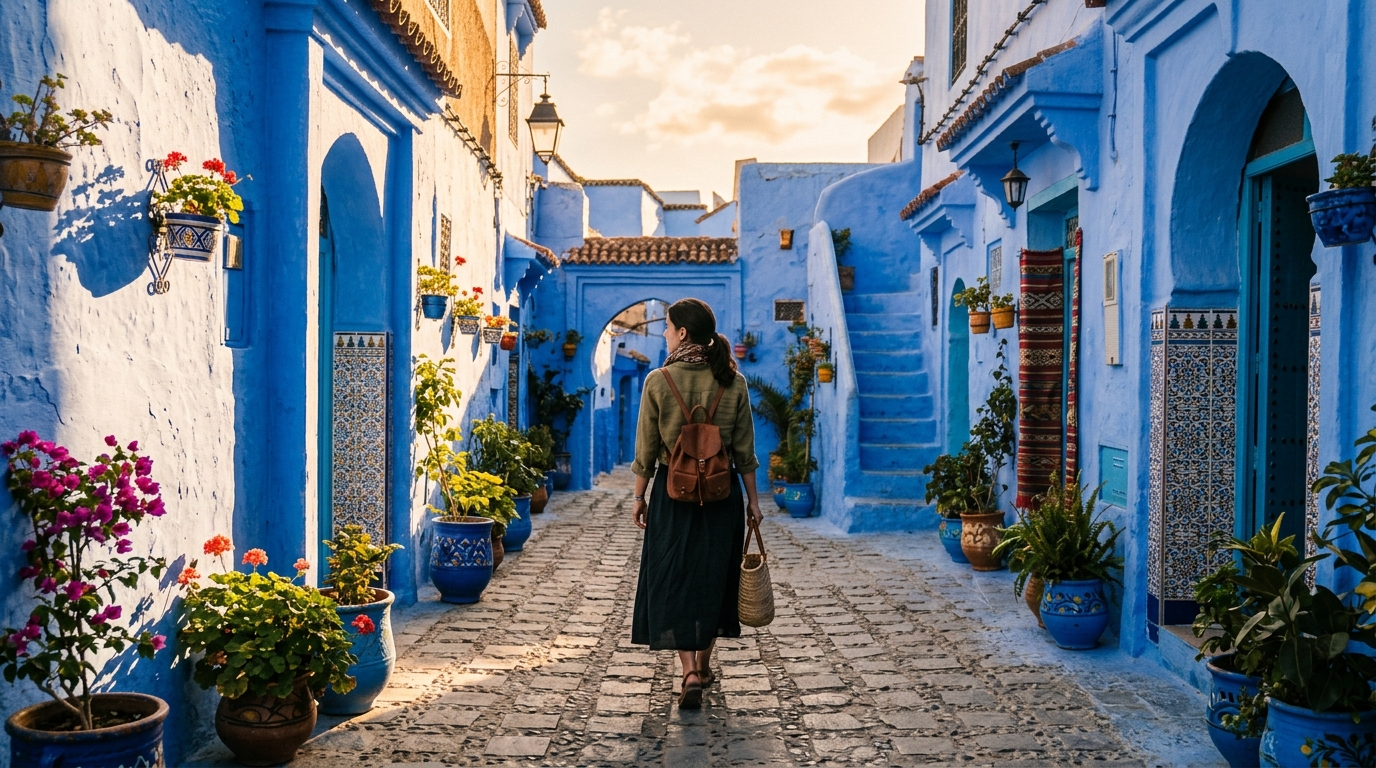
You’ve booked the dream trip to Marrakech, but headlines have you wondering — is it safe to travel to Morocco right now? The short answer: yes, with standard precautions. This honest 2026 guide cuts through the noise with official advisories, local insights, and practical tips so you can travel with confidence, not fear.
You’ve finally booked that dream trip to Marrakech, but a quick news search has you wondering — is it safe to travel to Morocco right now? Headlines about risks can be unsettling, but the reality is often far more reassuring.
This guide provides an honest, up-to-date safety assessment for 2026, drawing on official U.S. State Department advisories, traveler experiences, and practical tips. Our goal is to empower you with facts — not fear. We’ll break down general safety, specific concerns for Americans, current travel warnings, and actionable advice so you can travel with confidence.
Key takeaways
Morocco is generally safe for tourists — violent crime is low in major destinations like Marrakech, Fes, and Casablanca.
The U.S. State Department rates Morocco Level 2 (Exercise Increased Caution), the same as France and Germany — not a “do not travel” warning.
Petty crime (pickpocketing, scams) is the most common risk; guided tours and pre-booked transfers dramatically reduce hassle.
Solo female travelers report feeling safe when dressing modestly, staying in secure riads, and avoiding walking alone at night.
Travel insurance with medical evacuation, an eSIM for connectivity, and STEP enrollment are non-negotiable preparations.
Contents
- So, Is Travel to Morocco Safe? (General Overview)
- Safety in Morocco for 2026 – What Travelers Need to Know
- Is Morocco Safe for Americans? (U.S. State Department Insights)
- Breaking Down Morocco Travel Warnings & Current Risks
- Safety Tips for a Worry-Free Morocco Trip
- What Other Travelers Are Saying – Real Reviews
- Book Your Experience
- Questions
So, Is Travel to Morocco Safe? (General Overview)
Let’s address the big question first: is travel to Morocco safe? The short answer is yes. Morocco is generally a safe destination for tourists. Violent crime rates in major tourist areas like Marrakech, Fes, and Casablanca are low. However, standard precautions still apply — watch your belongings in crowded medinas and avoid poorly lit streets at night.
When we talk about travel to Morocco safety, it’s important to separate real risks from exaggerated fears. The most common issues travelers face are petty crimes like pickpocketing and scams, not violent attacks. Research shows that most traveler complaints involve overcharging by shopkeepers or aggressive touts, not physical danger.
Expert insight: The answer to is travel to Morocco safe really depends on where you go, how you behave, and current conditions. Below we break down each factor in detail so you can make informed decisions.
The Morocco Safety Travel Guide 2026 provides deeper insights into staying secure while exploring, including neighborhood-specific advice for major cities.
Safety in Morocco for 2026 – What Travelers Need to Know
Is it safe to travel to Morocco 2026? Yes, but there are a few specific factors to consider this year. First, the Marrakech region continues to rebuild after the 2023 earthquake. Tourist infrastructure like riads and attractions are mostly operational, but some areas may have ongoing construction. Always confirm your accommodation’s status before booking.
Infrastructure has improved in many regions. Road conditions are better than a few years ago, though mountain roads in the Atlas passes can still be narrow and winding. Public transport is reliable in cities. Seasonal weather risks include summer heat reaching over 45°C in the desert and occasional flash floods in autumn. Winter nights in the desert can drop near freezing, so pack accordingly.
Morocco remains politically stable. The monarchy maintains a strong security presence, and protests are rare and localized. So, is Morocco safe right now? According to recent traveler reports and official data, the country remains a safe destination for tourists.
Major City vs. Rural Safety
Marrakech and Fes are very safe for tourists. The medinas can feel chaotic during the day, but stick to main streets after dark and you’ll be fine. Casablanca is a larger city with higher petty crime rates, so avoid isolated areas at night. Atlas villages and the Sahara are remote but safe, especially if you book guided tours — highly recommended for solo travelers.
Is Morocco Safe for Americans? (U.S. State Department Insights)
Now let’s answer is Morocco safe for Americans specifically. The U.S. Department of State currently rates Morocco as Level 2: Exercise Increased Caution — the same level as many popular European destinations like France and Germany.
According to the State Department travel to Morocco advisory, the main risks for U.S. citizens are terrorism and demonstrations. The likelihood of terrorism is low, but the risk exists due to regional instability. Avoid large crowds and demonstrations. Protests occasionally occur in major cities, so follow local news and steer clear of any gatherings.
Key insight: Level 2 does NOT mean “do not travel.” It means be aware of your surroundings, register with the embassy, and avoid known high-risk zones like border regions near Algeria or Western Sahara. Millions of Americans visit Morocco safely every year.
How to Interpret the Advisory
Level 2 means be aware of your surroundings, register with the embassy, and avoid known high-risk zones like border regions near Algeria or Western Sahara. Millions of Americans visit Morocco safely every year.
Embassy Resources and STEP
Enroll in the Smart Traveler Enrollment Program (STEP) to receive real-time updates and make it easier for the embassy to contact you in an emergency. The U.S. Embassy in Rabat and Consulate General in Casablanca offer 24/7 services.
Several travel forums note that Americans often feel welcome and safe in Morocco, especially when they dress modestly and show respect for local customs. For the latest official advisory, visit the U.S. State Department Morocco Travel Advisory page.
Breaking Down Morocco Travel Warnings & Current Risks
Let’s look at the official Morocco travel warnings and what they really mean for your trip.
Terrorism
The risk is present but low. Tourist areas are heavily patrolled by security forces. Avoid unmonitored gatherings and stay alert in crowded places.
Scams
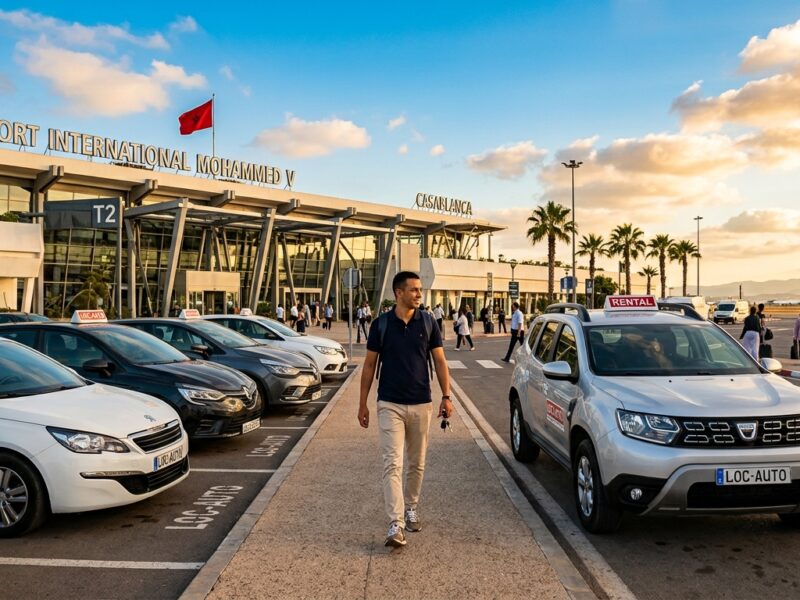
This is the most common safety issue you’ll face. Touts may overcharge for guides, goods, or taxi rides. Always agree on prices beforehand and use official taxis with meters. For airport transfers, consider pre-booking with Welcome Pickups to avoid taxi scams entirely. Our Marrakech destination guide details common scams and fair fares.
Road Safety
Driving in Morocco can be chaotic. Poor lighting, stray animals, and aggressive drivers are common. Consider hiring a private driver or using trains between cities instead of renting a car. If you do rent, compare options at Localrent for reliable vehicles.
Food and Water Hygiene
Stick to bottled water and well-cooked street food. Most travelers have no issues, but stomach upsets can occur. Pack rehydration salts just in case.
Natural Disasters and Health
Earthquakes are low probability in tourist zones, but know evacuation procedures for your riad. Heatwaves are common from June to August — stay hydrated and avoid midday sun. Altitude sickness is rare in Atlas treks, but pace yourself on longer hikes. The CDC Morocco Travel Health page has full recommendations.
Planning note: It’s important to differentiate government warnings from media hype. Headlines often sensationalize isolated incidents. The reality is that millions of tourists visit Morocco safely each year.
Safety Tips for a Worry-Free Morocco Trip
Now that you understand the risks, here are practical tips to ensure your travel to Morocco safety is never compromised.
Packing for Safety
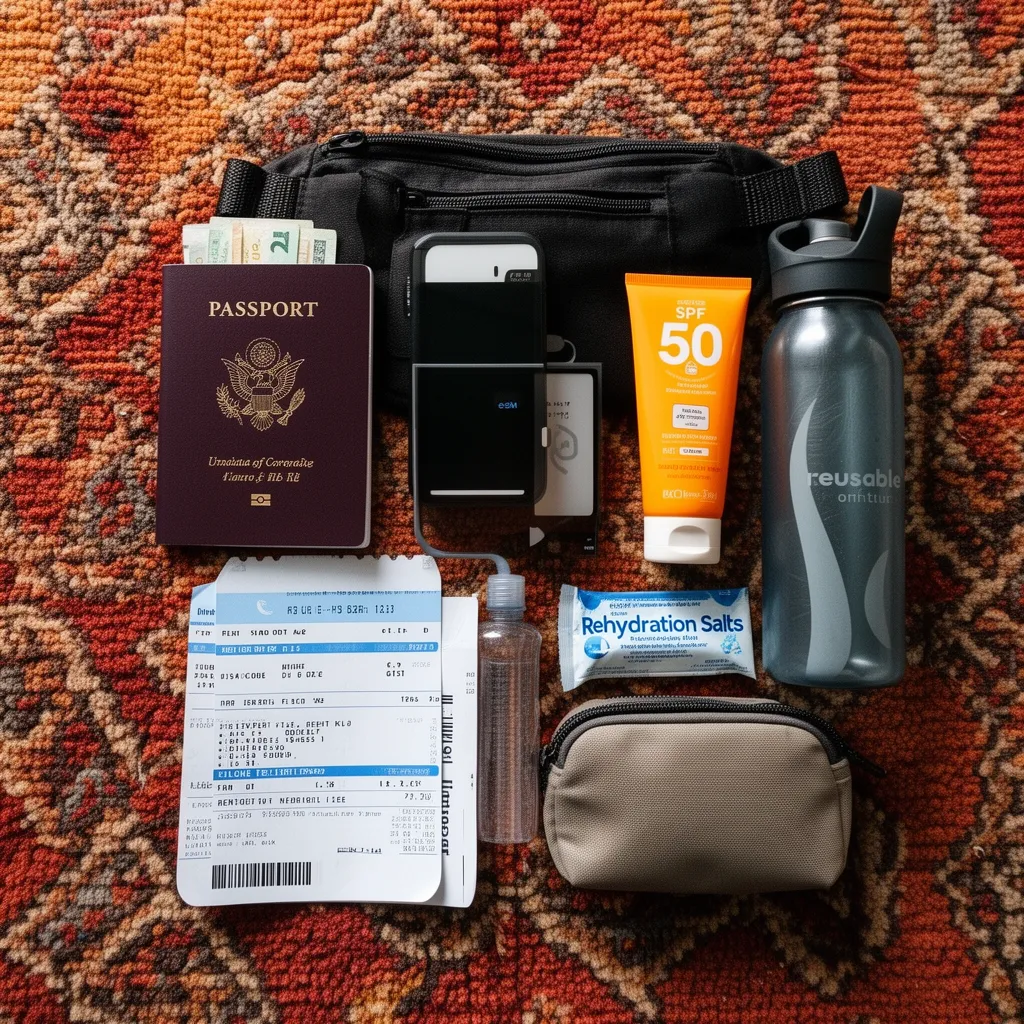
Based on multiple packing guides from 2026, here’s what you need:
Documents
Passport valid for at least 6 months past your return date, photocopies stored separately from originals, printed flight tickets, and travel insurance with 24/7 emergency contact numbers. Consider EKTA travel insurance for comprehensive coverage.
Money
Carry a mix of cash in Moroccan dirhams and a credit/debit card. Use a money belt or a secure day bag of 15–20 liters to deter pickpockets. ATMs are widely available in cities.
Tech Safety
Bring a power bank, travel adapter (Type C/E/F, 220V), and install an eSIM before arrival for connectivity. Get instant connectivity with Airalo eSIM.
Clothing
Pack modest, breathable layers that cover shoulders and knees. This shows respect and reduces unwanted attention, especially for women. A light scarf or shawl is useful for visiting mosques.
Health Items
Hand sanitizer, sunscreen SPF 50+, reusable water bottle, and basic first aid including pain relief and rehydration salts.
Money & Documents Safety
Use hotel safes to store your passport and extra cash. Keep a photocopy of your passport in a separate bag. Travelers recommend packing a small pouch for cash and cards worn under clothing.
Emergency Contacts & Insurance
Memorize emergency numbers: 19 for police, 15 for ambulance. Know the location of recommended hospitals in major cities, such as Clinique Agdal in Rabat. Travel insurance with medical evacuation coverage is non-negotiable.
Accommodation Safety
Choose riads with 24-hour security in well-lit main streets. Riads in the Médina near Jemaa el-Fnaa or in Gueliz are popular for solo female travelers. Look for verified reviews from solo travelers before booking. Browse affordable riads in Marrakech with great safety ratings.
Solo Female Travel
Morocco is safe for solo women who dress modestly, avoid walking alone at night, and use reputable guides. Many women report feeling completely safe during their trips. For detailed guidance, read our solo female travel guides.
What Other Travelers Are Saying – Real Reviews from 2025/2026
Don’t just take our word for it. Here’s what real travelers are saying about their recent experiences.
On Reddit’s TravelHacks, a 2026 traveler shared: “I felt completely safe in Marrakech and Fes as a solo female. The biggest issue was aggressive touts, nothing more.”
Facebook groups like Morocco Travel Tips and Recommendations report that most visitors feel safe, especially when staying in well-reviewed riads with 24-hour guards.
Several packing list guides note that the only safety concern their writers encountered was minor hassle in the medina.
The overwhelming consensus: Morocco is a welcoming, safe destination when you take smart precautions.
Reserve your spot
Book Your Morocco Experience
Explore Marrakech’s medina safely with a local guide, experience the Sahara on a guided desert tour, or join an Atlas Mountains day hike. Instant confirmation, free cancellation on most tours.
Instant confirmation
Free cancellation on most tours
Some links on this page earn ComeMorocco a commission at no extra cost to you. It never changes what we recommend. How this works.
Questions
01Is it safe to travel to Morocco right now in 2026?
Yes, Morocco is generally safe for tourists in 2026. The U.S. State Department rates it Level 2 (Exercise Increased Caution), the same as France and Germany. Most visits are trouble-free with standard precautions against petty crime like pickpocketing and scams in crowded areas.
02Is Morocco safe for solo female travelers?
Yes, Morocco is safe for solo female travelers who take standard precautions: dress modestly, avoid walking alone at night, stay in well-reviewed riads with 24-hour security, and use reputable guides for excursions. Many women report feeling completely safe.
03What are the biggest safety risks in Morocco?
The most common risks are petty crimes: pickpocketing in crowded medinas, scams (overcharging, fake guides), and aggressive touts. Violent crime against tourists is rare. Road safety is a concern if self-driving. Terrorism risk exists but is low in tourist zones.
04Do I need travel insurance for Morocco?
Yes, travel insurance with medical evacuation coverage is essential. Healthcare quality varies, and serious incidents may require evacuation to Europe. EKTA and other providers offer policies tailored for Morocco trips.
05Is the tap water safe to drink in Morocco?
No, stick to bottled or filtered water. Use bottled water for brushing teeth too. Most hotels and riads provide complimentary bottled water. Carry a reusable bottle and refill from large water dispensers to reduce plastic waste.
06What is the U.S. State Department travel advisory level for Morocco?
Morocco is currently at Level 2: Exercise Increased Caution. This is due to terrorism and civil unrest risks, but millions of Americans visit safely each year. The advisory recommends avoiding border regions and enrolling in STEP for updates.
07Are taxis safe in Morocco?
Official taxis with meters are generally safe. Insist on the meter or agree on a price before starting. Avoid unmarked cars. For airport transfers, pre-book with Welcome Pickups or your riad to avoid scams. InDrive is also a reliable ride-hailing option in major cities.
Your Morocco trip
Travel Morocco with Confidence in 2026
You’ve got the facts, the tips, and the inspiration. Now it’s time to experience the magic of Morocco — from the blue alleys of Chefchaouen to the golden dunes of the Sahara.