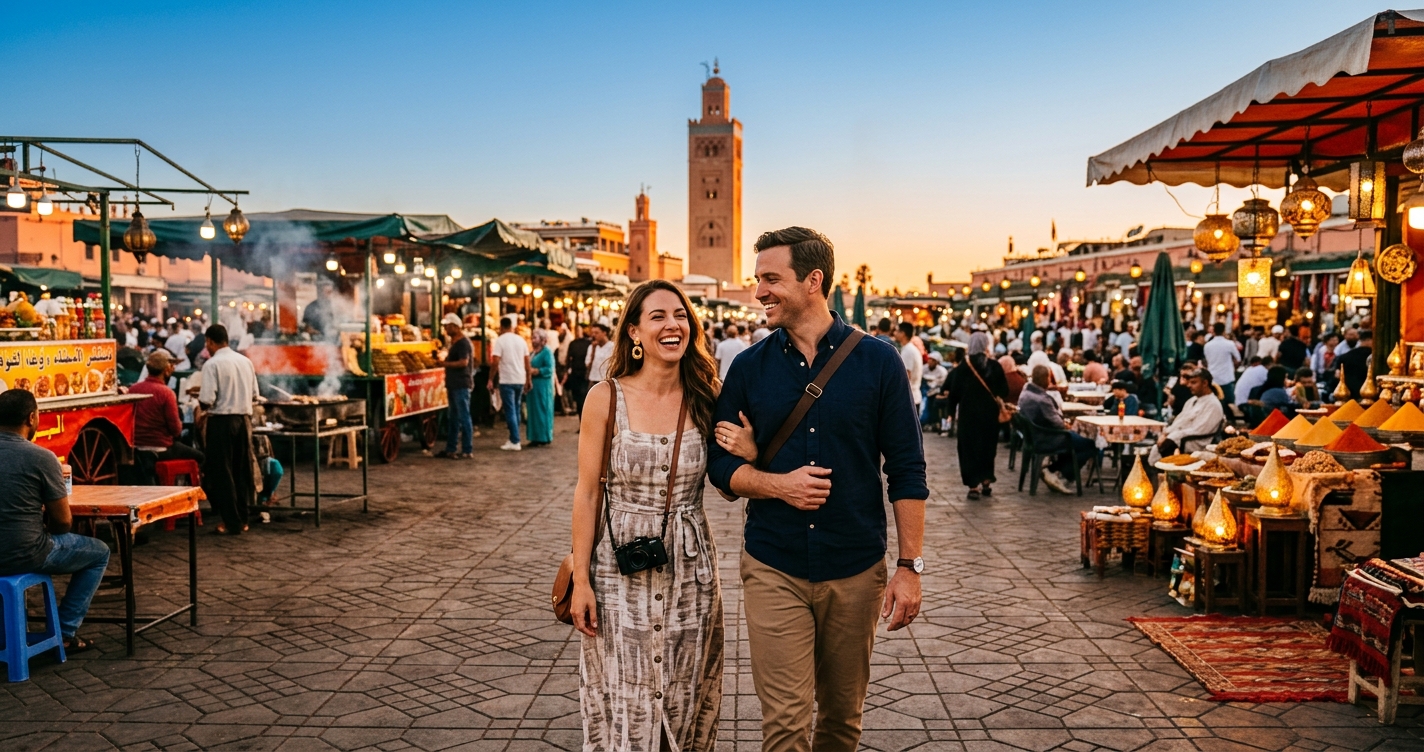
Yes, Morocco is safe for American tourists in 2026 — with the same precautions you’d take in Paris, Madrid, or London. This guide cuts through the noise with current data, honest comparisons, and the unspoken cultural rules that keep you safe and welcomed.
If you have been searching online wondering is Morocco safe for American tourists for your upcoming trip, the simple answer is yes — but with the same standard precautions you would take in any major city abroad. It’s completely normal to feel anxious. Maybe you’ve seen news reports about North Africa, or maybe you’re just not sure what to expect in a country with a different culture and language. Those worries are understandable. But here’s the reality: Morocco is one of the most visited countries in Africa, welcoming millions of tourists every year, including tens of thousands of Americans. And the numbers keep growing.
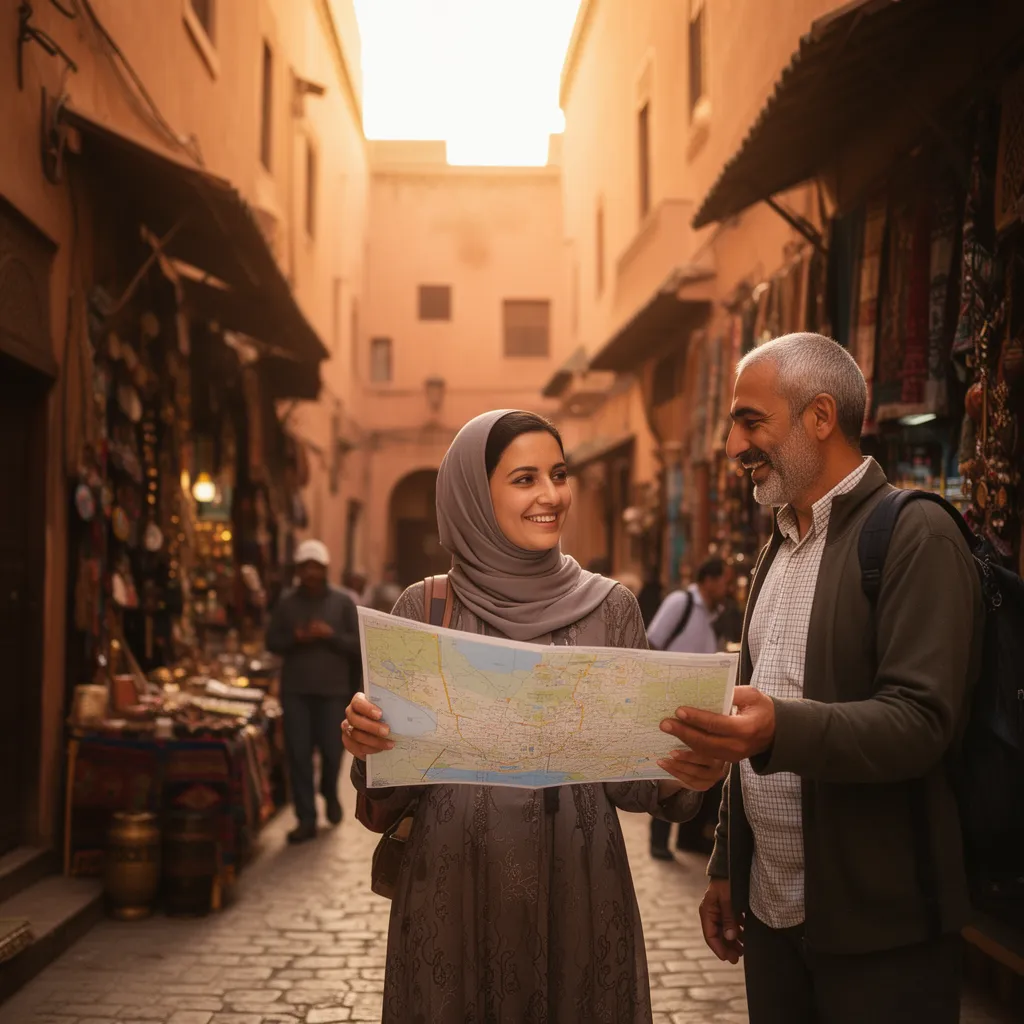
This guide will cut through the noise and give you a clear, honest picture. We’ll look at current safety data, compare Morocco to other popular destinations, identify the safest places to visit, and explain the unspoken rules in Morocco that will help you have a trouble-free trip. By the end, you’ll feel confident and ready to explore this beautiful country.
Let’s start with the official word. As of 2026, the U.S. Department of State rates Morocco at Level 2: Exercise Increased Caution due to terrorism concerns. That sounds serious, but here’s what you need to know: this is the same level as many popular European destinations like France, Spain, and the United Kingdom. It is not a “Do Not Travel” warning. It’s a general caution, not a red flag.
✦ Key takeaways
Morocco holds the same Level 2 advisory as France, Spain, and the UK — exercise normal precautions, not alarm.
Petty crime (pickpocketing, scams) is the real risk, not violent crime. Secure valuables and use licensed guides.
Marrakech, Fes, Chefchaouen, and Essaouira are the safest entry points for first-time American visitors.
Cultural respect — modest dress, photography etiquette, and polite refusal — earns genuine hospitality.
Register with STEP, get travel insurance, use hotel ATMs, and trust your gut — your ultimate safety toolkit.
📋 Table of Contents
Is It Safe to Go to Morocco Right Now? (Current Reality in 2026)
Is it safe to go to Morocco right now is probably the first question on your mind. Let’s look at the facts beyond the headlines.
Political & Social Stability
Morocco is a stable constitutional monarchy with a strong security apparatus. King Mohammed VI has been in power since 1999, and the country maintains a well-trained police force and military. Political protests are rare, and when they occur, they’re typically small and peaceful.
In 2023, a major earthquake struck rural areas near Marrakech. While tragic for affected communities, the main tourist infrastructure recovered quickly. Marrakech, Fes, and Rabat are fully operational. The government has invested heavily in tourism for 2026, with new hotels, upgraded airports, and improved roads. The country is ready for visitors.
Violent Crime vs. Petty Crime
Let’s be clear about what actually poses a risk. According to the UK Foreign Office and OSAC (Overseas Security Advisory Council) reports, violent crime against tourists is rare. You are very unlikely to experience a robbery or assault.
What you will need to watch out for is petty crime. This is the real safety issue in Morocco. Pickpocketing in crowded souks (especially in the medina quarters of Marrakech and Fes) is common. Bag snatching happens too. And as the UK Foreign Office warns, credit card fraud and scams are frequent. People may try to substitute inferior goods for what you bought, or pose as official tourist guides to lead you into expensive shops.
💡 Expert insight: The biggest danger to your wallet is a clever scammer, not a violent criminal. If you keep your valuables secure and stay alert, you’ll be fine.
Think of it this way: the biggest danger to your wallet is a clever scammer, not a violent criminal. If you keep your valuables secure and stay alert, you’ll be fine. For a deeper dive on navigating medinas safely, see our complete guide to the Marrakech Medina which covers souk navigation, palace visits, and hidden gems.
The biggest danger to your wallet is a clever scammer, not a violent criminal. If you keep your valuables secure and stay alert, you’ll be fine.
The Terrorism Advisory
We need to address the elephant in the room. The U.S. State Department’s Level 2 advisory specifically mentions terrorism. Terrorist groups continue plotting possible attacks in Morocco, as they do in many countries around the world.
But here’s the context. Morocco has a very active security presence. Tourist police are common in major cities and at popular attractions. The government works closely with international partners to prevent attacks. According to the OSAC Country Security Report, actual attacks are rare. The warning is a general caution for the region, not a sign that danger is lurking around every corner.
What does this mean for you? Be alert in crowded places like markets, public squares, and religious sites. Follow local news. And if something feels off, trust your gut. That’s good advice anywhere in the world.
Is Morocco Safer Than Egypt? An Honest Comparison for American Travelers
Many Americans consider both Morocco and Egypt for their North African adventure. Is Morocco safer than Egypt? Let’s break it down with real traveler data.
Women’s Safety & Street Harassment
Both countries have issues with street harassment, but the experience can be different. Many traveler reports suggest that harassment in Egypt, especially in Cairo and Luxor, can be more aggressive and persistent. In Morocco, you’ll likely encounter more harassment in places like the Marrakech souks, but there’s a difference: strict policing and a well-developed tourist infrastructure often mean faster intervention if you need help.
If you’re a solo female traveler, Morocco generally feels more manageable. The key is to dress modestly (more on that later) and be prepared for occasional comments. A firm “La, shukran” (No, thank you) usually works. For comprehensive solo female guidance, our Solo Travel to Morocco Guide for Women covers safety tips, itinerary planning, and honest answers.
Scams and Touts
Both countries have their share of scams, but they take different forms. In Morocco, the “fake guide” problem is the most common complaint. Someone approaches you, offers to show you around, and then leads you to shops where they get a commission. In Egypt, the “one dollar” scams are more persistent — vendors offering a price, then changing it, or demanding money for things you didn’t ask for.
The UK Foreign Office specifically warns about people posing as official tourist guides in Morocco. Our advice: only use licensed guides booked through your hotel or a reputable company.
Infrastructure and Medical Care
Morocco generally has better road infrastructure for tourists. The highways connecting major cities are modern and well-maintained. Public transportation, especially the ONCF trains, is reliable and comfortable.
For medical care, Morocco has quality private hospitals in Casablanca and Marrakech. The U.S. Embassy in Morocco can be reached at +212-5226-42000 for emergencies. In Egypt, medical facilities in Cairo are good, but options outside major cities can be limited.
📌 Clear verdict: For a first-time American tourist, particularly a solo female traveler, Morocco is often considered the safer and more manageable entry point. The tourism sector is better organized, the intensity level is lower, and you’ll find English more widely spoken in tourist areas.
The Safest Part of Morocco to Visit for American First-Timers
When planning your trip, choosing the right destination matters. Let’s identify the safest part of Morocco to visit for your first time.
The Top Tier Safe Cities
Marrakech is the most tourist-ready city in Morocco. It has heavy tourist police presence, English-speaking guides, and a well-established tourism infrastructure. The medina can be chaotic, but it’s generally safe during the day. At night, stick to well-lit main streets.
Fes is more challenging but still very safe. The medina is a maze — you will get lost. The UK Foreign Office recommends using a licensed guide to avoid harassment and find your way. The famous tanneries and ancient mosques are worth the effort.
Rabat is the capital and the calmest of the three. It’s less touristy, which means fewer touts and a more relaxed atmosphere. The Hassan Tower and the kasbah are must-sees.
The Safest Small Towns
Chefchaouen (the Blue City) is a dream for photographers and solo travelers. The crime rate is very low, the streets are walkable, and the atmosphere is peaceful. Tour operators like Serenity Morocco Tours and Go Adventures Morocco consistently highlight it as one of the safest places in the country.
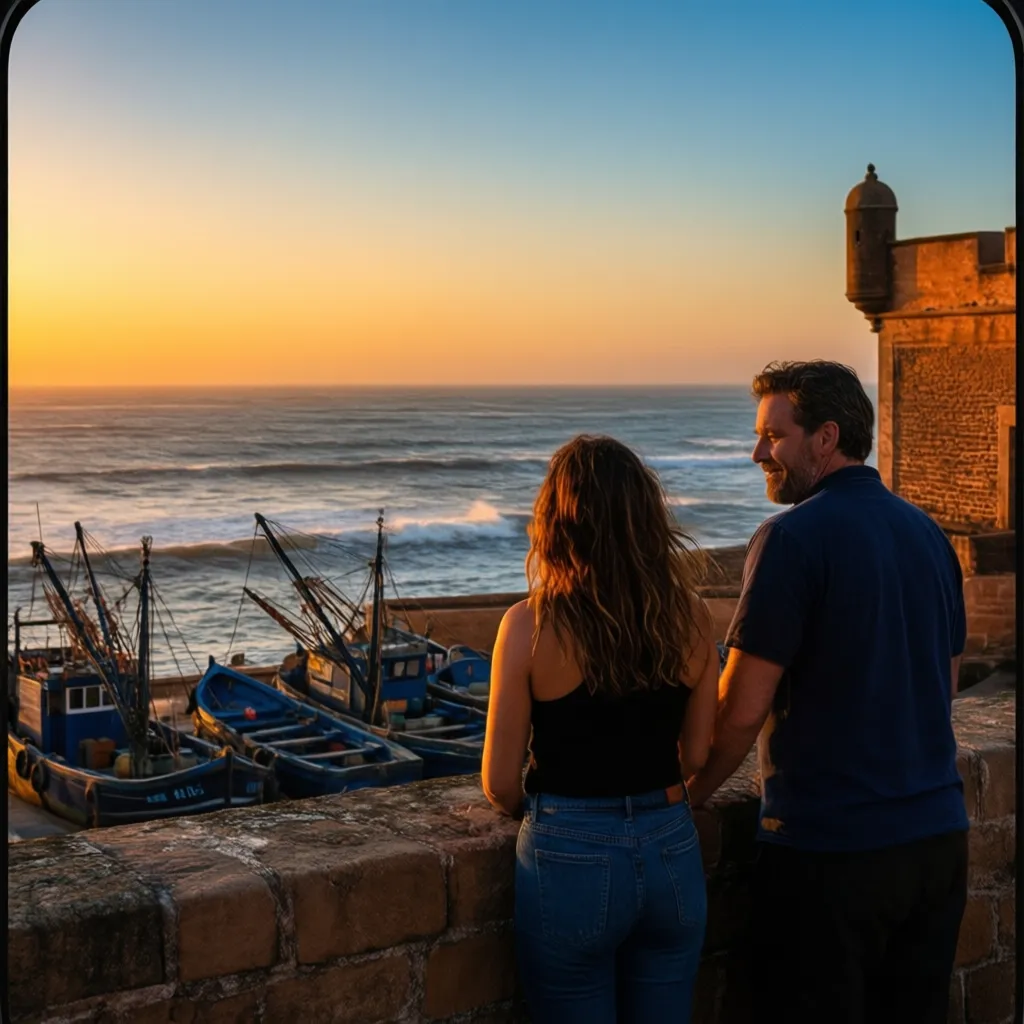
Essaouira (the coastal town) is another excellent choice. It’s a laid-back fishing port with a beautiful beach, great seafood, and a relaxed vibe. The wind can be strong, but the crime rate is negligible. It’s perfect for travelers who want to unwind. For a perfect coastal escape, see our Essaouira day trip from Marrakech guide.
Areas Requiring Caution
While most of Morocco is safe, you should avoid border regions with Algeria and the Western Sahara. These areas can be unstable, and the U.S. State Department advises against travel there.
For Casablanca, the travelwarningcheck.com data notes a Level 2 advisory for the city. The main attractions, like the Hassan II Mosque, are safe. But neighborhoods like Sbata can be less secure. Stick to central areas and use registered taxis.
Check out our 1-Week Morocco Itinerary to plan a trip that includes these safe cities in a logical, stress-free route.
Is Morocco Friendly to American Tourists? Hospitality vs. The “Fake Guide” Problem
You might wonder: Is Morocco friendly to American tourists? The answer is yes, but with a few important caveats.
The Myth of Hostility
Moroccans have a deep-rooted culture of hospitality. In Berber culture, it’s called “Atithad” — the tradition of welcoming strangers. According to responsible travel research, Moroccans are famously welcoming. Americans are generally met with curiosity and positivity. Many Moroccans have family members living in the U.S. and are happy to practice their English.
Pro-American Sentiment
Politically, Morocco is a key non-NATO ally of the United States. Moroccans generally have a favorable view of Americans. This doesn’t mean every person you meet will love you, but it means the overall environment is safe for American visitors.
The “Fake Guide” Problem
Here’s the nuance. When someone is overly friendly in the medina, it’s often the first step of a “fake guide” scam. As the UK Foreign Office warns, these people lead you to shops where they get a commission on your purchases. They appear helpful, but their goal is your money.
This is different from genuine hospitality. How do you tell the difference? Genuine hospitality doesn’t come with pressure. A real local might offer directions and walk away. A fake guide will insist on accompanying you.
The solution is simple: be polite but firm. Say “La, shukran” (No, thank you) clearly. If they persist, walk into a shop or approach a police officer. You don’t need to be mean, just decisive.
The Language Barrier
How far does English get you? In major tourist hubs like Marrakech and Fes, English is very common. Hotel staff, restaurant workers, and shopkeepers speak it well. In smaller towns and the countryside, French and Arabic dominate. Learning a few phrases goes a long way. “Salam alaikum” (peace be upon you) is a greeting that earns instant respect. “Shukran” (thank you) is always appreciated.
Unspoken Rules in Morocco: How to Avoid Offense and Stay Safe
Understanding the unspoken rules in Morocco is key to a smooth trip. These aren’t written down anywhere, but locals expect you to follow them.
Photography Etiquette
This is one of the most important rules. You should never photograph police, military installations, or airport security. Doing so can get you in serious trouble.
For locals, always ask permission. The phrase is “Mumkin tsawwer?” (May I photograph?). For Moroccan women, consent is especially important. Photographing them without permission is considered highly disrespectful. A good rule: if you wouldn’t want a stranger taking your photo without asking, don’t do it to others.
Dress Code
Modesty is highly valued in Moroccan culture. Here’s what to wear:
For women: Cover shoulders and knees at minimum. Loose-fitting clothes are preferred. Maxi dresses, wide-leg trousers, and long skirts in breathable fabrics like cotton or linen work well. When visiting a mosque, you must cover your hair, wear long sleeves, and cover your legs completely. Carry a scarf for this purpose.
For men: Avoid sleeveless muscle tees and short athletic shorts in cities. Long pants and a sleeved shirt are the standard. In tourist areas, Western casual wear is tolerated, but dressing modestly earns respect.
For both: No tight, revealing, or translucent clothing. Think of it this way: if you wouldn’t wear it to a family dinner with your grandparents, don’t wear it in Morocco.
The “No” Rule
Declining offers in Morocco is different from in the U.S. A direct “No” in English can sound rude. The cultural way to decline is to be firm but indirect. “La, shukran” works perfectly. Smile, say it clearly, and move on.
Here’s another important point: if you engage in a price negotiation and then walk away, that is considered rude. Decide if you want to buy before you start haggling. Bargaining is expected, but wasting a shopkeeper’s time is not. Master the art with our 7 Essential Bargaining Tips for Morocco.
Alcohol & Ramadan
During the holy month of Ramadan (dates vary yearly), it is disrespectful to eat, drink, or smoke in public during daylight hours. Restaurants may be closed until sunset. This is a serious cultural offense.
Alcohol is available in licensed hotels and bars, but public drunkenness is a major problem. Drinking in the street is illegal. If you choose to drink, do so privately and in moderation.
10 Practical Safety Tips for American Tourists in Morocco (2026 Edition)
Now let’s get practical. Here are 10 tips to keep you safe and smart.
Tip 1: Money Safety
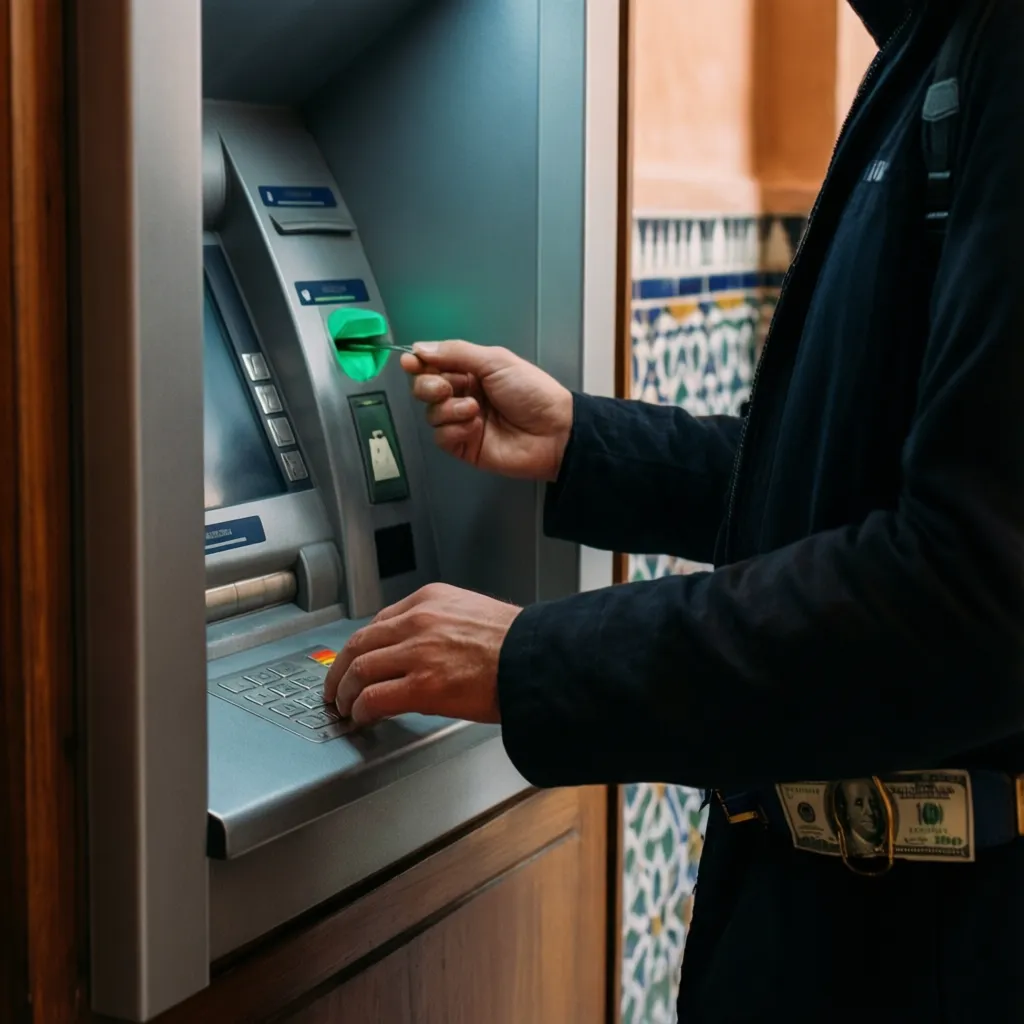
The UK Foreign Office warns about credit card fraud. Withdraw cash from hotel ATMs or bank ATMs inside banks, not street-side machines that can be skimmed. Avoid street money changers who offer “better rates” — they often shortchange you. Use a money belt for your main cash and keep small bills in your pocket for daily expenses.
Tip 2: Transportation Safety
Know the difference between taxis. Petit Taxis are small, local, and in-city. Always use the meter or agree on the price before getting in. Grand Taxis are larger, for inter-city travel, and often shared with strangers.
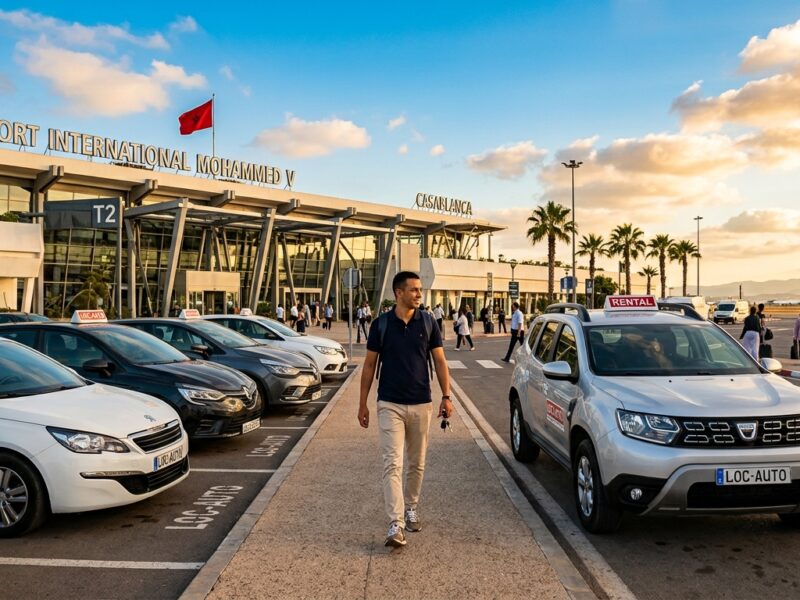
For airport transfers, pre-book through your riad or hotel. It’s safer and eliminates the stress of negotiating. For trains, use the official ONCF service. First-class is recommended for comfort and safety.
Tip 3: Solo Female Safety (Souks at Night)
The souks are generally safe until closing time (around 8-9pm). After that, don’t walk alone in dark, empty alleys. Stick to main thoroughfares where other people are. If you get lost, go into a shop that’s still open or ask a uniformed police officer for help.
Tip 4: Health & Hygiene
Do not drink tap water. Use bottled water even for brushing your teeth. Carry anti-diarrheal medication — travel protection data recommends this. Be cautious with street food. Choose stalls that are busy with locals; that’s a sign of freshness and quality.
Tip 5: Digital Safety
Buy a local SIM card (Maroc Telecom or Orange) at the airport. This gives you reliable GPS and internet access. Avoid using public Wi-Fi for banking or sensitive transactions. Download offline maps (Google Maps or Maps.me) before you arrive so you’re never truly lost. For instant connectivity, consider an Airalo eSIM or Saily eSIM — activate before you land.
Tip 6: Register with STEP
The Smart Traveler Enrollment Program (STEP) is free. Register your trip with the U.S. Embassy in Morocco so you receive safety alerts and can be located in an emergency. It takes two minutes and could be invaluable.
Tip 7: Valuables
Avoid wearing flashy jewelry — watches, necklaces, expensive-looking items — in the medina. Use your hotel safe for your passport and extra cash. Only carry what you need for the day. A simple cross-body bag with a zipper is ideal.
Tip 8: Emergency Numbers
Save these numbers in your phone:
- Police: 19
- Ambulance: 15
- U.S. Embassy emergency number: +212-537-63-72-00
Write them down too, just in case your phone dies.
Tip 9: Insurance
Strongly consider comprehensive travel insurance that covers theft, medical evacuation, and trip cancellation. This is your ultimate safety net. If something goes wrong, insurance turns a disaster into an inconvenience. EKTA Travel Insurance offers policies for ages 3-85 with 24/7 multilingual support — delivered by email in minutes.
Tip 10: Trust Your Gut
If a situation or person feels “off,” it’s okay to walk away. Politeness should never override personal safety. You don’t need to be rude — just firm. A clear “La, shukran” and a confident walk in the other direction solves most problems.
📌 Planning note: Book accommodations and major tours 2-3 months ahead for 2026 peak seasons (spring and fall). Riads in Marrakech and Fes fill fast. Our 25 Essential Morocco Travel Tips covers booking windows, packing, and cultural nuances in detail.
Conclusion
Here’s the bottom line. Morocco is a safe, welcoming, and exciting destination for American tourists in 2026. The risks are manageable — petty crime and scams are the real concerns, not violent danger. The unspoken rules in Morocco are easy to follow and will earn you respect from locals.
By following this guide, you can confidently answer the question “is Morocco safe for American tourists” with a resounding “yes, with preparation and respect.”
Now that you know it’s safe, the fun part begins. Check out our Morocco Travel Tour Packages Compared to find the perfect itinerary — whether you want 7 days, 10 days, or a full two-week adventure.
Reserve Your Spot
Book This Experience
Choose from the best options across Morocco — from Marrakech medinas to Sahara desert camps. Instant confirmation, free cancellation on most tours.
⚡ Instant confirmation
↩ Free cancellation
Some links on this page earn ComeMorocco a commission at no extra cost to you. It never changes what we recommend. How this works.
Frequently Asked Questions
01Is Morocco safe for American tourists in 2026?
Yes. Morocco holds a U.S. State Department Level 2 advisory — the same as France, Spain, and the UK. Violent crime against tourists is rare. The primary risks are petty theft and scams in crowded medinas, which are easily avoided with standard precautions like using hotel safes, licensed guides, and staying alert in souks.
02Is Morocco safe for solo female travelers?
Morocco is generally safe for solo female travelers, especially in tourist hubs like Marrakech, Fes, Chefchaouen, and Essaouira. Street harassment occurs but is typically verbal. Dressing modestly, saying “La, shukran” firmly, and avoiding isolated areas after dark significantly reduce unwanted attention. Many women travel solo here comfortably each year.
03What is the safest city in Morocco for first-time visitors?
Marrakech is the most tourist-ready with heavy police presence and English-speaking infrastructure. Chefchaouen has the lowest crime rate and a peaceful, walkable medina. Essaouira offers a relaxed coastal vibe with negligible crime. Fes is safe but requires a licensed guide for its labyrinthine medina. All four are excellent entry points.
04Do I need a visa to visit Morocco as an American citizen?
No. U.S. citizens can enter Morocco visa-free for up to 90 days for tourism. Your passport must be valid for at least six months beyond your entry date. For stays longer than 90 days, you must apply for an extension at a local police station. See our Visa Requirements for Morocco 2026 guide for full details.
05What should I wear in Morocco to respect local customs?
Both men and women should cover shoulders and knees. Women: loose maxi dresses, long skirts, wide-leg pants, and a scarf for mosque visits. Men: long pants and sleeved shirts in cities. Avoid tight, sheer, or revealing clothing. In tourist areas, Western casual is tolerated, but modest dress earns respect and reduces harassment.
06Can I drink alcohol in Morocco?
Yes, but only in licensed hotels, bars, and restaurants. Public drinking and drunkenness are illegal and socially unacceptable. During Ramadan, many venues stop serving alcohol entirely. Drink discreetly, privately, and in moderation. Non-alcoholic mint tea is the cultural staple and widely available everywhere.
07What emergency numbers should I save for Morocco?
Save these: Police 19, Ambulance 15, U.S. Embassy emergency +212-537-63-72-00. Also register with the free STEP program (step.state.gov) for embassy alerts. Write numbers on paper in case your phone dies. For health issues, private clinics in Casablanca and Marrakech offer English-speaking staff and international standards.
✦ Your Morocco Journey Starts Here
Ready to Explore Morocco Safely?
You’ve done the research. You know the rules. Now it’s time to experience the magic — the scent of cumin in a Marrakech tagine, the blue alleys of Chefchaouen at dawn, the silence of the Sahara under a million stars. Morocco is waiting for you.