Morocco in Winter: Is It Cold? An Honest 2027 Guide
Morocco in winter: is it cold? Yes, but mostly after the sun goes down.
Morocco in winter: is it cold? Yes, mostly at night. Afternoons in Marrakech often reach about 19-21°C, but nights drop to roughly 6-8°C, and the mountains stay properly wintry.
Most people picture endless sunshine and flip-flops. Then they step out of a riad at 9pm in a thin shirt and wish they hadn’t.
This guide gives you the direct answer first. You’ll get city-by-city temperatures for 2027, the reason desert nights drop so hard, and a packing and indoor-comfort plan that works for both day and night.
✦ Key Takeaways
Expect mild afternoons (about 19-21°C in Marrakech) and cold nights (about 6-8°C), so pack for both.
January is the coldest winter month across most of Morocco, and February is slightly warmer with longer days.
Agadir and Dakhla are the mildest winter bases, while Ifrane and the Middle Atlas are the coldest.
Sahara nights in Merzouga can drop to about 0-6°C, so bring a warm layer for any desert camp.
Riads can feel colder indoors than expected, so ask about heating and bedding before you book.
Morocco in winter: is it cold? Yes, mostly at night
Yes, mostly at night. Marrakech typically reaches about 19-21°C in the afternoon and drops to roughly 6-8°C after dark. Ifrane in the Middle Atlas can sit around or below freezing, while the southern coast stays milder.
Winter here means December to February. Colder conditions can stretch into March in the mountains, so don’t assume spring has arrived on 1 March.

Think of it this way: the sun does the heating in the day, and the desert air does the cooling at night. Dry, clear skies let warmth escape fast after sunset, so the temperature can fall quickly once the call to prayer ends and the sun dips behind the rooftops.
The ComeMorocco Day-Night Rule
We use one simple framework when friends ask us this question. It uses only the typical ranges in this guide, so you’ll check your own dates against a live forecast later.
- Check the afternoon high to choose your clothes for the day.
- Check the night low before you pack, because it sets your warm layers.
- Pick your region by your lowest expected night, not your highest day.
- Pack for the night and dress for the day.
- Check a live forecast about a week before you fly and adjust.
💡 Key insight – Winter is not the warm-weather escape most guides suggest. The nights are the real cold. Responsible Travel and Pina Travels both warn about chilly evenings, even though many guides lead with sunny days.
Is Morocco cold in December, January and February?
January is the coldest winter month across most of Morocco. February is slightly warmer with longer days, and December sits between the two. In Marrakech, afternoons stay around 19-21°C all winter, but night lows of 6-8°C catch visitors out.
January: the coldest month
January brings the lowest night temperatures on the inland plains and the deepest cold in the mountains. Fes, the Middle Atlas and Ifrane all feel the chill most in January, with Fes days in the mid-teens Celsius.
Plan for short days too. Winter daylight is shorter than summer, so an early-morning desert transfer or a late mountain day trip can end in the dark.
February: slightly warmer, still wintry in the mountains
February is a little kinder than January, with longer days and slightly warmer afternoons. Night frost is still likely in the Middle Atlas and the high valleys, so mountain plans need warm layers.
If you’re comparing months, our best time to travel to Morocco by month guide puts winter next to spring and autumn.
- December: Mild afternoons, cold nights, short days.
- January: Coldest month for most of the country. Best for coastal and city trips with warm layers.
- February: Slightly warmer and longer days. Mountain roads can still be wintry.
Not sure which month to book?
Tell us your dates and whether you want the desert, the coast or the mountains, and we’ll tell you how cold it’ll be on your route.
Which Moroccan city is warmest in winter?
Agadir is the mildest mainland spot, with daytime highs around 21-22°C and nights around 8-10°C. Dakhla in the far south is milder still by day, around 22-23°C. Inland Fes and the Middle Atlas are the coldest, with Ifrane often around or below freezing at night.
| Destination | Daytime high | Night low | Winter character | Best for |
|---|---|---|---|---|
| Agadir/Taghazout | About 21–22°C | About 8–10°C | Mildest mainland option; relatively dry | Mild winter escape |
| Marrakech | About 19–21°C | About 6–8°C | Sunny inland days; cold evenings | First-time city trips |
| Essaouira/Sidi Kaouki | About 18–20°C | About 11–13°C | Mild but windy Atlantic conditions | Coast, seafood and relaxed stays |
| Fes | About 15–17°C | About 4–6°C | Cooler and wetter than Marrakech | History and indoor culture |
| Sahara/Merzouga | About 18–19°C | About 0–6°C | Dry, sunny days; very cold nights | Desert scenery and camp trips |
| Ifrane/Middle Atlas | About 9–11°C | Around −1–0°C | Coldest listed; snow possible | Snow and mountain scenery |
Coast vs inland in January
Coastal cities stay milder at night because the ocean smooths out the temperature swings. Inland cities lose heat faster after sunset, so their evenings feel sharper even on sunny days.
- Coast pros: Milder nights in Agadir and Essaouira, easy sea-view walks, and relaxed dining.
- Coast cons: Essaouira is windy, and the Atlantic stays cold for swimming.
- Inland pros: Sunny afternoons in Marrakech and deep cultural sights.
- Inland cons: Cold evenings, and riads can feel chilly without a heater.
Marrakech vs Agadir in winter
Marrakech wins for culture, medina walks and an easy first trip, but you’ll pay for it with colder nights. Agadir wins for mild evenings and dry weather, though it has less of the old-town atmosphere. For a fuller side-by-side, read our Marrakech vs Agadir differences breakdown.
Best for first-time city trips: Marrakech. Best for mild winter escapes: Agadir. Not right for: anyone who wants warm evenings in Marrakech, since they won’t get them in January.
How cold does the Sahara get at night in winter?
Sahara days in Merzouga reach about 18-19°C, but nights drop to about 0-6°C because dry, clear air holds little heat. Errachidia at the desert edge swings from about 16-17°C by day to 2-4°C at night. If you sleep in a desert camp, pack for near-freezing nights.

Desert camps at night
Desert camps rarely have the thick walls of a city building, so the cold reaches your bed quickly. Ouarzazate and Errachidia can see frost on winter nights, though not every night or location freezes.
The Responsible Travel winter guide describes the same freezing desert nights and cold Atlas conditions that we see in the data above.
Winter camel treks: what changes
Winter camel treks start later and end sooner because the sun sets early. Expect a chilly ride back at dusk, and wear layers you can remove as the sun warms your shoulders.
🎟️ Book a Merzouga desert safari
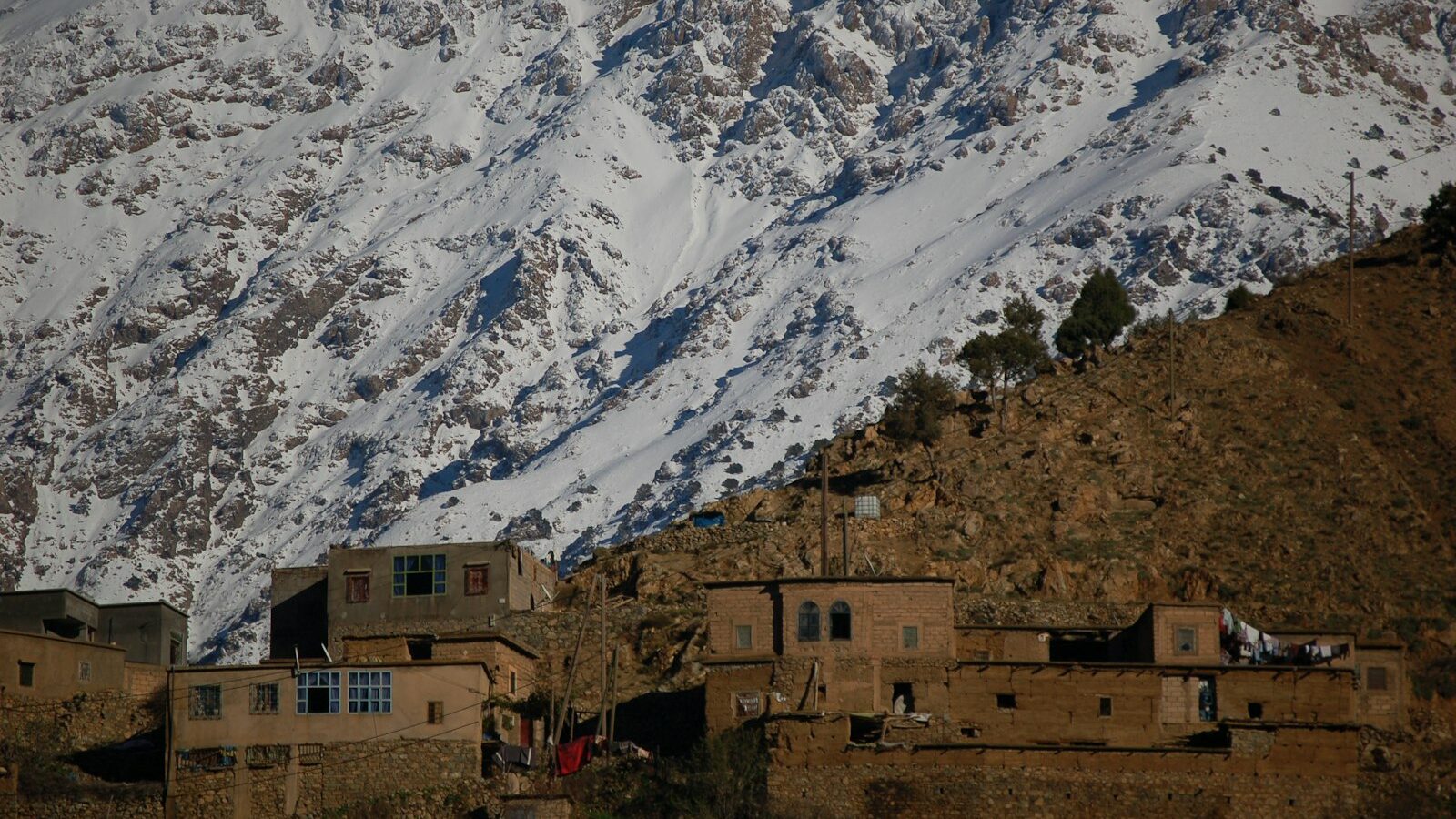
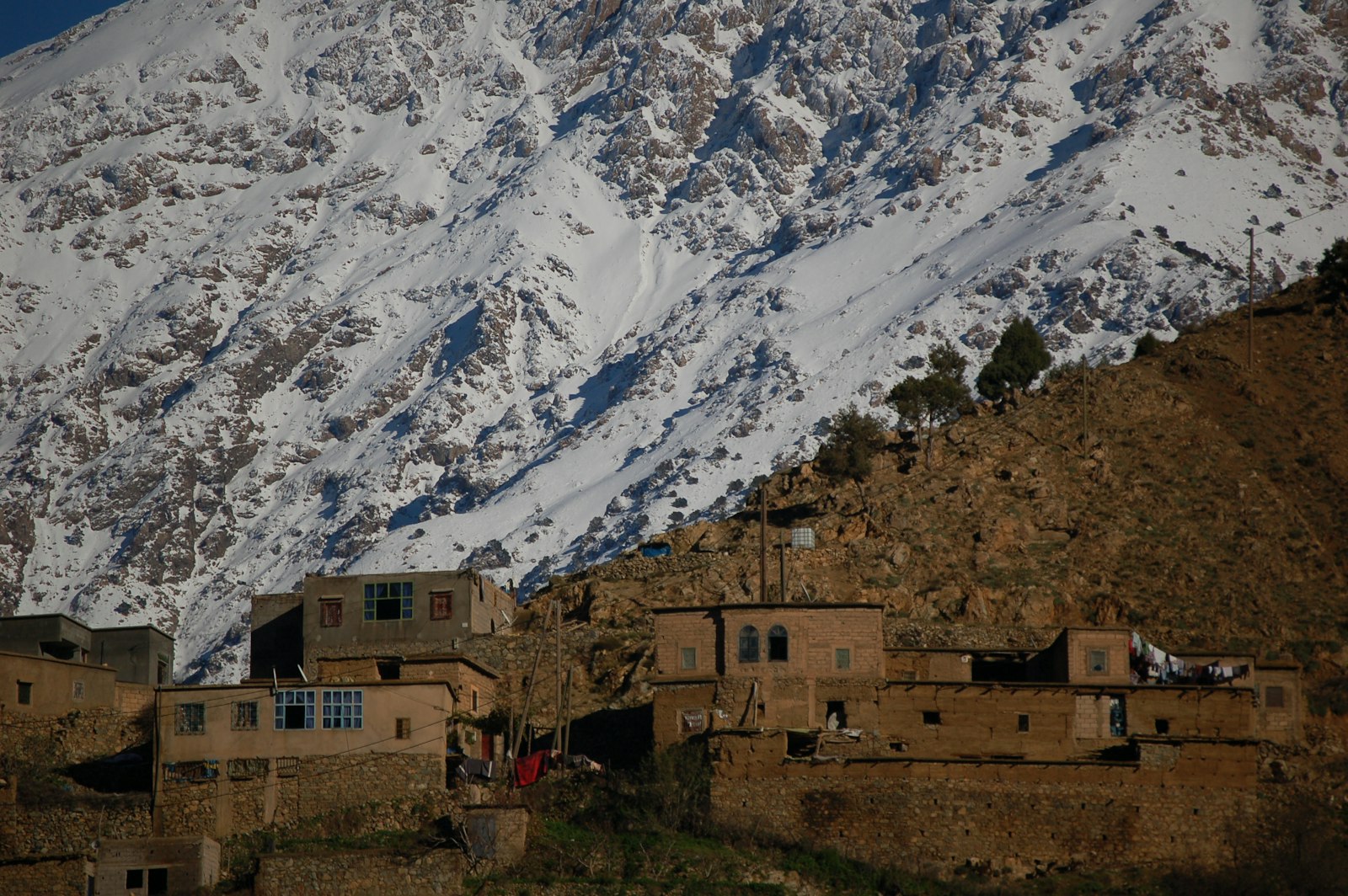
Pack a fleece, a warm hat and gloves for camp nights. High Atlas villages such as Imlil see about 12-15°C by day and around 0-5°C at night, with snow on the higher peaks.
Ask your camp whether they supply extra blankets before you arrive. Bring a sleeping bag liner if they don’t.
Book a Merzouga desert safari
If the Sahara is on your list, a 3-day desert safari from Marrakech puts you on the dunes at sunset, when the cold starts. Pack the warm layers covered above.
Are riads and desert camps heated in winter?
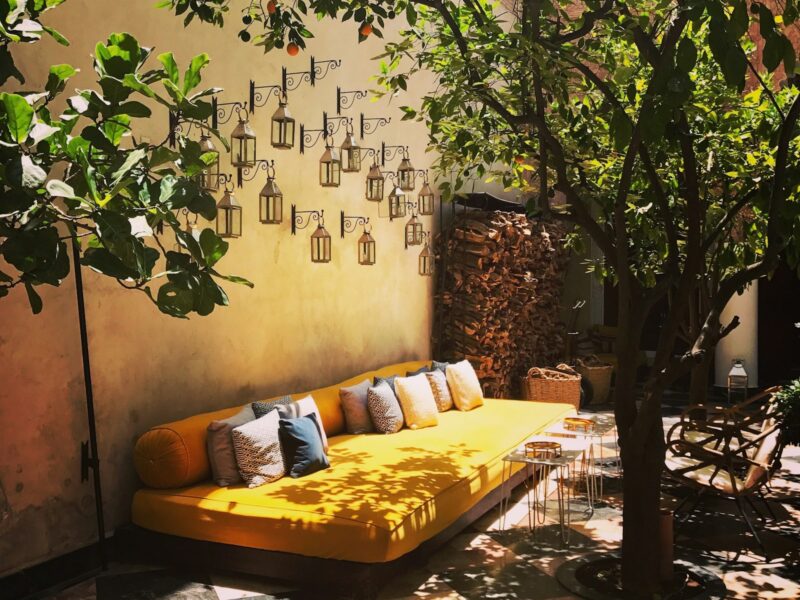
Don’t assume they are. Traditional riads with tiled floors and open courtyards can feel colder indoors than visitors expect, especially at night. Ask your host about heating before you book.

What to pack for Morocco in winter
Pack for cold rooms as much as cold streets. Layers beat one heavy coat, because you’ll move between sunny courtyards and chilly interiors.
- Warm layers: Thermal base layers for evenings and desert nights.
- Fleece or sweater: Your go-to for indoor evenings.
- Light insulated jacket: Useful for mountain and desert nights.
- Closed shoes: Tiled floors and rough desert ground both reward sturdy footwear.
- Sleepwear for cold rooms: Pack warm pyjamas or a hat for sleeping.
Riad comfort checklist
Before you book a riad, compare the room details, not just the photos. Tiled floors and open courtyards make traditional buildings feel colder indoors, a point that Pina Travels on cold accommodation also makes.
To compare riads and hotels with heating details in mind, you can compare riads and hotels in Marrakech and filter by reviews that mention warmth.
- Ask about heating: Is there a heater or radiator in the room, and when does it run?
- Ask about bedding: Are there extra blankets or a duvet for winter nights?
- Check the bathroom: Ask about hot water timing and whether the shower room is enclosed.
- Choose a room away from the courtyard door if you feel the draughts at night.
Can rain or snow disrupt a Morocco winter trip?
Yes. Snow can close or slow mountain passes and roads, and the north and Atlantic coast get more winter rain than the southern desert. Plan one buffer day for mountain roads, use rail or a city base where you can, and keep indoor plans ready for wet days.
For a broader look at when rain falls, see our month-by-month rainfall guide before you lock in dates.
Indoor plans for wet winter days
Hammams, museums, palaces and food tours all work on cold or wet days. Booking one indoor activity per city keeps your schedule flexible if the weather turns.
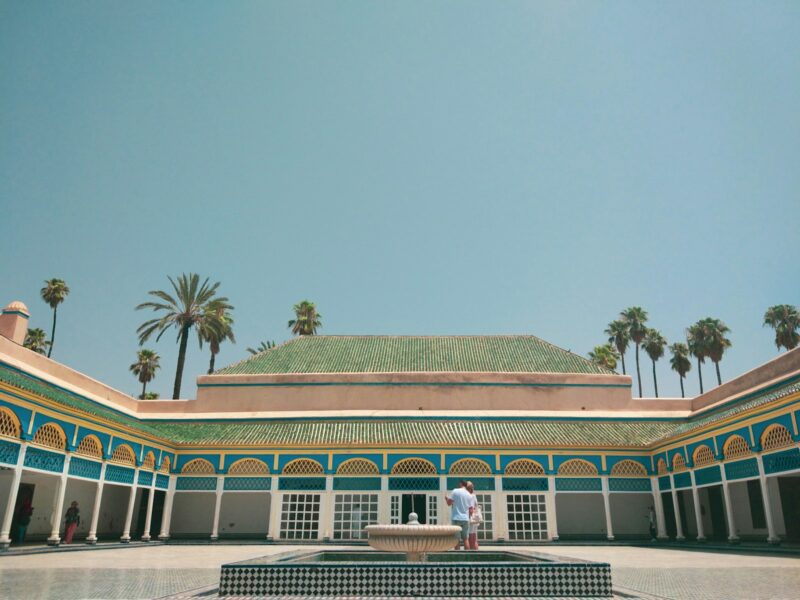
A private Marrakech city tour for wet or cold days covers Majorelle Garden, Bahia Palace and the medina, with plenty of indoor stops if drizzle sets in.
🎟️ Warm up with a Marrakech hammam
A hot hammam session is the best way to warm up after a cold evening walk. Book a slot for late afternoon so you can head back to your riad while it’s still light.
Mountain roads and rail vs road
Use this quick framework when you choose your transport. The rule is simple: the more mountain road and the shorter the daylight, the more buffer you need.
- Check the road first: Look up mountain pass conditions the day before you travel.
- Add a buffer day: Build one spare day into any route that crosses the Middle or High Atlas.
- Choose rail or a city base: Rail between major cities avoids long winter road days where it fits your route.
- Avoid late arrivals: Schedule desert transfers and mountain day trips to finish in daylight.
If you plan to self-drive, check road conditions before you collect a rental car, and carry warm clothes in the car in case you’re stuck.
Are these temperatures averages or a real forecast?
They are long-term averages, not a forecast for your travel week. Use them to choose a region and pack, then check a live forecast about a week before you fly. The Weather Stats winter temperature data is a useful reference for air and sea temperatures.
Averages describe typical conditions across many years. A single week can be warmer or colder than the average, so treat these figures as your starting point.
Sea temperature and winter swimming
The Atlantic stays cold in winter even when the air feels mild. Think of winter swimming as a quick dip, not a full beach day, especially in Agadir and Essaouira.
Prices and transport rules change. Verify with operators before you travel, and confirm details with your riad or camp when you book.
Which winter trip should you book?
For most first-timers, Marrakech plus Essaouira or Agadir is the easiest winter trip, with sunny days around 19-22°C and cold but manageable nights. Add Merzouga only if you accept nights near 0-6°C and pack a proper warm layer. Skip the Middle Atlas snow unless you have flexible dates and a driver.
If you want mild days, choose the coast
Best for families and relaxed couples: Agadir or Essaouira. You get the mildest evenings on the list, though the Atlantic is too cold for long swims in January.
If you want desert cold, add Merzouga
Best for solo travellers who want big scenery: a Merzouga add-on from Marrakech. Not right for anyone who hates cold nights, since Merzouga can drop to about 0-6°C after dark.
If you’re building a longer route, our 1-week Morocco itinerary shows how to fit a coast stop and a desert night into one trip.
Morocco in winter: is it cold? Yes at night, so pack for it. Here’s your next step:
- Pick your region by its lowest night, using the table above.
- Choose your dates, then check a live forecast about a week before you fly.
- Book your riad with heating confirmed, and message us if you want a route built around cold nights.
Reserve Your Spot
Book This Experience
Hand-picked, top-rated options with instant confirmation and free cancellation on most tours.
Frequently Asked Questions
Everything you need to know before you go
📚 Sources we checked (3)
Prices, hours and rules change. We re-check this guide regularly; last check November 24, 2026.
✦ Your Morocco Journey Starts Here
Choose your winter route with us
Send us your dates and must-see cities, and we’ll help you pick the mild coast, the desert or the mountains for January.
Disclosure: some links in this guide are affiliate links. If you book through them, ComeMorocco may earn a small commission at no extra cost to you. We only recommend experiences we would suggest to friends.
Chat with us on WhatsApp →