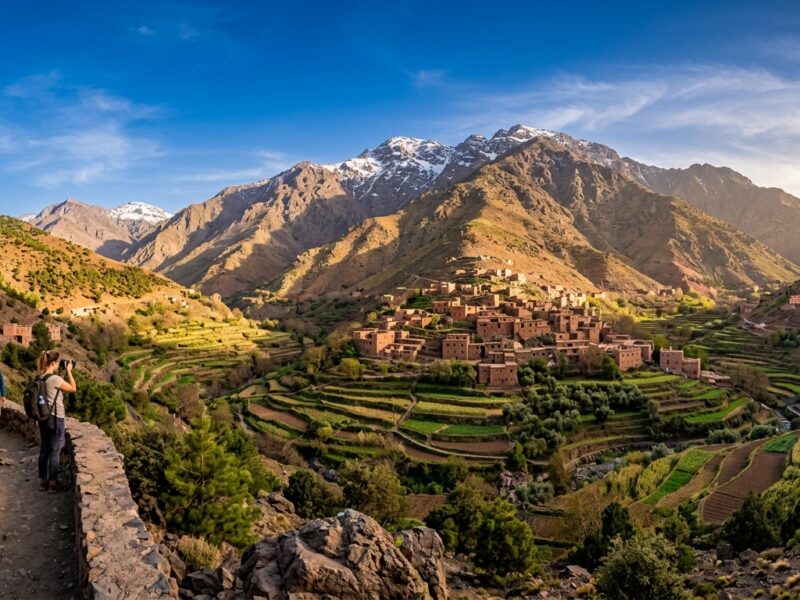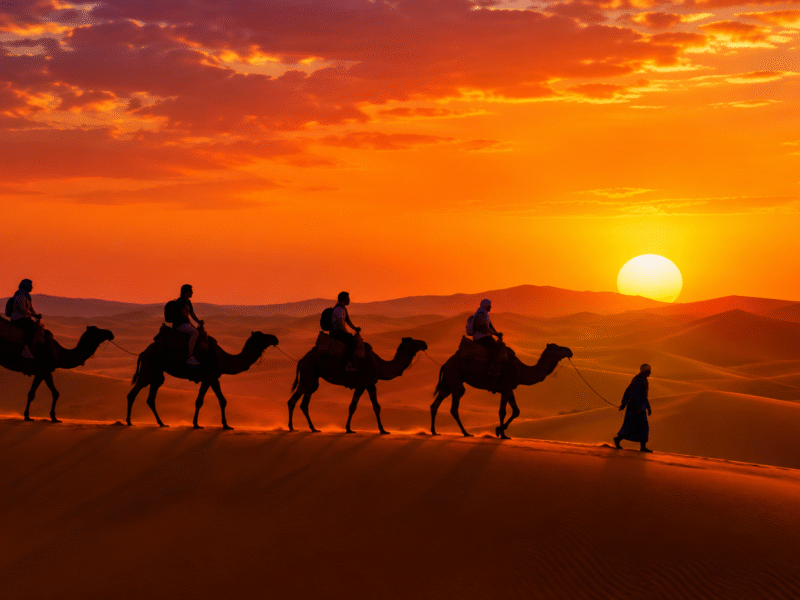
One traveller is skiing above Marrakech while another sunbathes on the Atlantic coast, and a third is threading a mule through wildflowers in the High Atlas — all in the same week. That’s Morocco’s climate in one sentence.
Which is why the best time to travel to Morocco depends less on the calendar than on what you actually want to do. This guide walks through Morocco’s weather month by month, the trade-offs of each season, what Ramadan looks like as a visitor, and the sweet spot for cities, coast, desert and mountains — so you can pick a departure date that matches the trip you’re picturing.
Key takeaways
Spring (March–May) and autumn (September–October) are the safest bets across every region.
May and September are the two most reliable months for a first visit.
Summer is coast-only — Essaouira, Agadir, Tangier. Skip inland cities and the desert.
Winter is cheap and quiet, but pack for cold nights and expect Atlas snow.
Ramadan trades tourist convenience for a rare cultural experience — worth it if you’re flexible.
Contents
The Best Time to Travel to Morocco — The Quick Answer
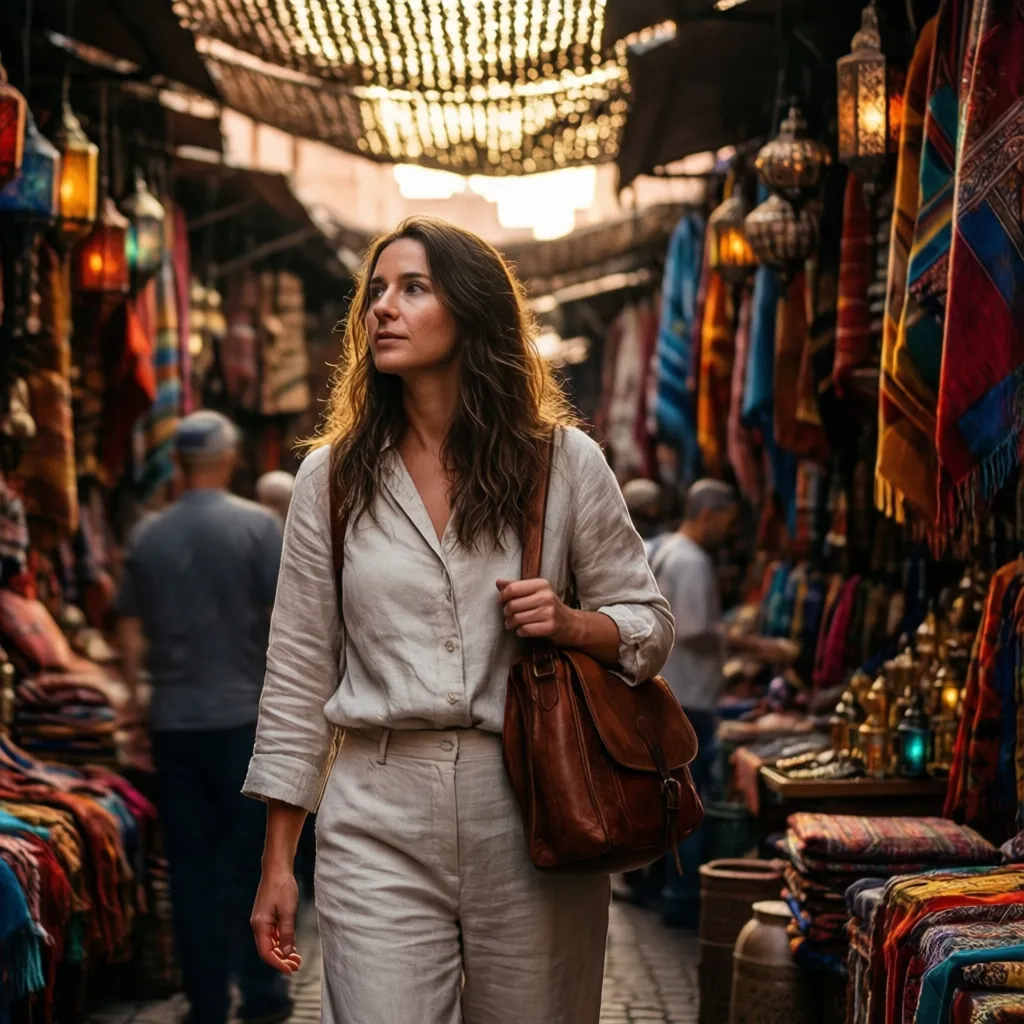
If you want the short version: the best time to travel to Morocco is spring (mid-March to May) or early autumn (September to October). Temperatures across most of the country sit around 20–25°C — warm enough for the desert, cool enough for the medinas, dry enough for the Atlas. Audley Travel, Lonely Planet and Intrepid all land on the same window, and once you’ve been, it’s obvious why.
The shoulder seasons — spring and autumn
Spring (mid-March to May). Wildflowers on the hillsides, almond blossom around Tafraoute in February and March, comfortable hiking temperatures, moderate crowds. May is the peak of it — dry, sunny, mid-twenties.
Autumn (September to October). The desert cools to something humane, harvest festivals start up, skies stay clear. October in particular is a quieter mirror of May.
Summer — coast only
Inland, Marrakech and Fes hit 36–40°C. The Sahara becomes genuinely dangerous at midday. But the Atlantic coast — Essaouira, Agadir, Tangier — sits at a pleasant 25–28°C with a breeze. July and August are peak beach season for a reason.
Going in summer? Base yourself on the coast. Essaouira’s trade winds act as natural air conditioning and the seafood alone justifies the detour.
Winter — cold nights, empty medinas, real bargains
Days sit at 18–20°C in the cities, but nights drop to 5–10°C and riads without proper heating get bracing. The Atlas gets snow — you can actually ski at Oukaimeden. Flights and accommodation are at their cheapest. December sits inside this pattern but adds Christmas and New Year crowds in the second half of the month.
Morocco weather by month
Marrakech is a fair proxy for “inland Morocco”. Here’s the year at a glance, followed by what each month actually feels like on the ground.
| Month | High (Marrakech) | Low | Conditions |
|---|---|---|---|
| Jan | 18°C / 64°F | 6°C / 43°F | Cool, moderate rain, Atlas snow |
| Feb | 20°C / 68°F | 7°C / 45°F | Mild, almond blossom |
| Mar | 23°C / 73°F | 10°C / 50°F | Spring, wildflowers |
| Apr | 24°C / 75°F | 12°C / 53°F | Pleasant, crowds building |
| May | 27°C / 81°F | 14°C / 57°F | Dry, sunny, near-perfect |
| Jun | 31°C / 88°F | 17°C / 63°F | Hot inland, coast fine |
| Jul | 36°C / 97°F | 20°C / 68°F | Scorching inland |
| Aug | 36°C / 97°F | 20°C / 68°F | Hottest month, peak coast |
| Sep | 32°C / 90°F | 18°C / 64°F | Cooling down, comfortable |
| Oct | 27°C / 81°F | 14°C / 57°F | Second sweet spot |
| Nov | 22°C / 72°F | 11°C / 52°F | Cooler, quiet, wettest inland |
| Dec | 19°C / 66°F | 7°C / 45°F | Cold nights, Atlas snow, festive |
January and February — cheapest months
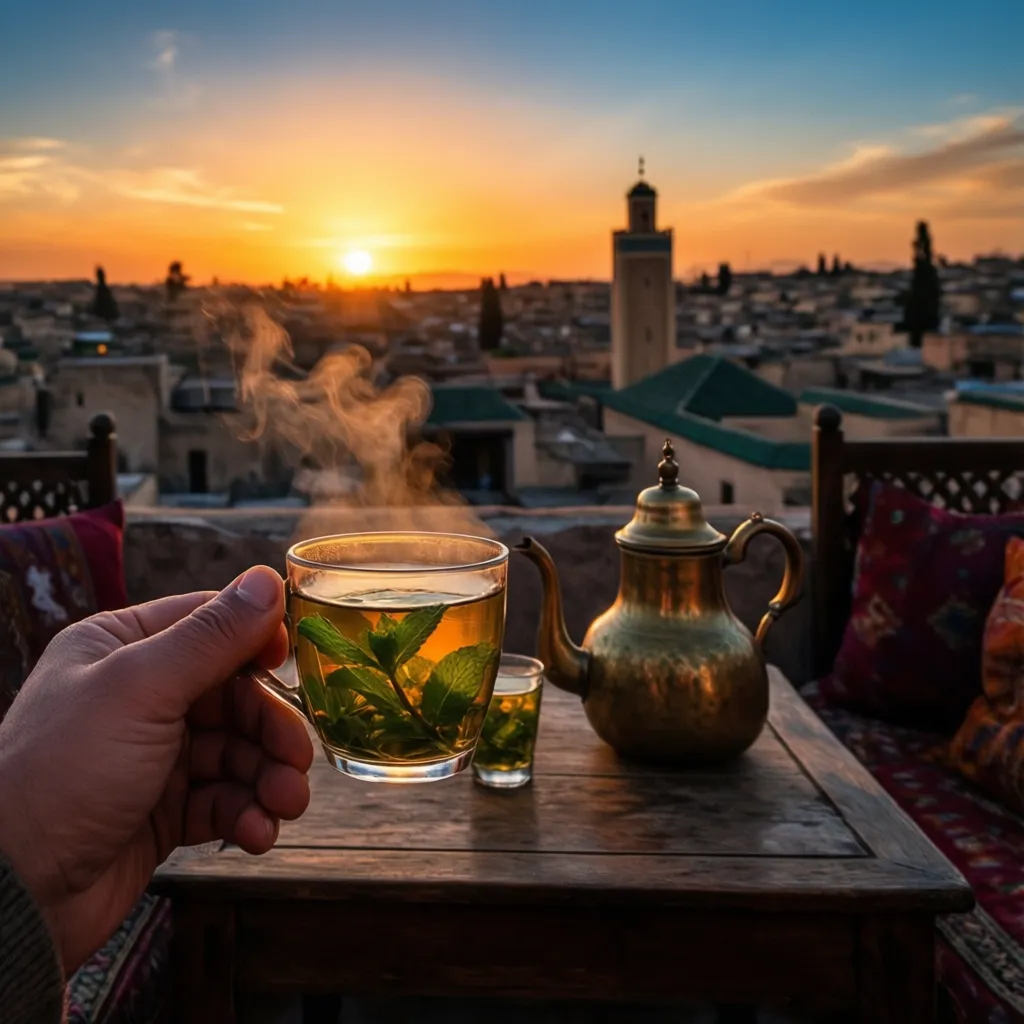
Marrakech averages 18°C by day and 6°C at night in January. Rain is moderate, the Atlas is under snow, and the medinas are almost empty. February is a couple of degrees warmer and gives you the almond blossom around Tafraoute — one of the country’s underrated photo opportunities.
If budget is your priority, January and February are unbeatable. November is the closest runner-up with slightly warmer days. December works too, as long as you avoid the two weeks around Christmas and New Year.
March and April — spring awakens
Marrakech climbs into the low twenties. Wildflowers cover the hillsides, hiking in the Atlas becomes viable, and the crowds start building around Easter. Ramadan sometimes falls in this window — see below.
Spring is when the Atlas really opens up for trekking — our Atlas Mountains hiking guide covers trail choice by season.
May — the honest best month
Highs around 27°C, lows around 14°C, dry, sunny, and workable everywhere — cities, coast, desert, mountains. If someone asks you the single best time to travel to Morocco and you have to pick one month, it’s May.
Go in May and you can build a trip with almost no compromises — Marrakech in the morning, Atlas in the afternoon, Sahara three days later, coast to finish. No other month gives you all four windows at once.
June, July, August — coast or nothing
The coast. Essaouira sits around 25°C, breezy and cool. Agadir warmer. Tangier similar. It’s peak Moroccan holiday season on the Atlantic — everyone from Casablanca is at the beach.
Inland and Sahara. Marrakech hits 36°C, the desert worse. Any desert operator worth booking will have shifted excursions to pre-dawn and post-sunset windows by June.
Do not do the desert at midday in July or August. Heat exhaustion is a real risk. Reputable camps and tours schedule around it — if yours doesn’t, that’s a red flag.
September and October — the return of the good weather
September still runs warm (Marrakech ~32°C) but tips over into pleasant by month-end. October is May’s twin — 27°C highs, clear skies, date-harvest festivals, and noticeably fewer tourists than the spring rush.
November — the quiet one
Marrakech drops to 22°C by day, 11°C at night. It’s also the wettest month in Marrakech, though rain tends to come in short bursts rather than all-day drizzle. The Sahara is beautiful — mild days, cold nights, hardly anyone around. If you value empty medinas and low prices over guaranteed sunshine, November is the smart pick.
December — cold, festive, still worth it
Highs 19°C, lows 7°C. Snow in the Atlas. Christmas markets and cosy riad fireplaces in Marrakech. Genuinely quiet outside the December 20–January 5 holiday window, when prices spike and the best riads book out.
If you want a Christmas or New Year riad, book three to four months ahead. The best properties fill fast even in an otherwise low-tourism month.
Travel to Morocco during Ramadan
Ramadan is the Islamic holy month of fasting from dawn to sunset. The date shifts by about ten days a year on the lunar calendar — in 2026 it falls in February, in 2027 it moves to January. Check the exact dates before you book anything.
What actually changes
Muslims fast from food, drink and smoking during daylight hours. Life shifts: mornings are quiet, afternoons quieter, and everything comes alive after sunset when iftar (the fast-breaking meal) is served. Cities feel completely different — slower by day, electric by night.
The trade-off
| What you gain | What you give up |
|---|---|
| Fewer tourists, lower prices | Many daytime restaurants closed |
| An atmosphere no other month has | Reduced hours at some attractions |
| Iftar dinners — often the best meal of the trip | No eating, drinking or smoking in public by day |
| Evening markets in full swing | Possible fatigue if it falls in summer |
How to travel well during Ramadan
Do your sightseeing early morning or after iftar — the evenings are the best part of the day anyway. Book iftar dinners at your riad or a restaurant; many run special menus and it’s the meal you’ll remember. Don’t eat, drink or smoke in the street by day. Be flexible with opening hours. That’s most of it.
Best Time to Travel to Morocco by Region and Activity
Cities and souks — Marrakech, Fes, Meknes
Best months: March–May and September–November. Avoid July and August (too hot to enjoy a medina). Winter works if you pack layers for the nights.
Our Morocco historical tours guide maps out the UNESCO sites and kasbah routes worth building a week around.
Beaches — Essaouira, Agadir, Tangier
Best months: June–September. July and August are the warmest and busiest. September stretches the season without the crowds. Winter is too cold to swim — Atlantic water sits at ~17°C.
The Essaouira day trip guide covers the logistics, and the Morocco beach weather guide breaks down sea temperatures month by month.
Sahara — Merzouga, Zagora
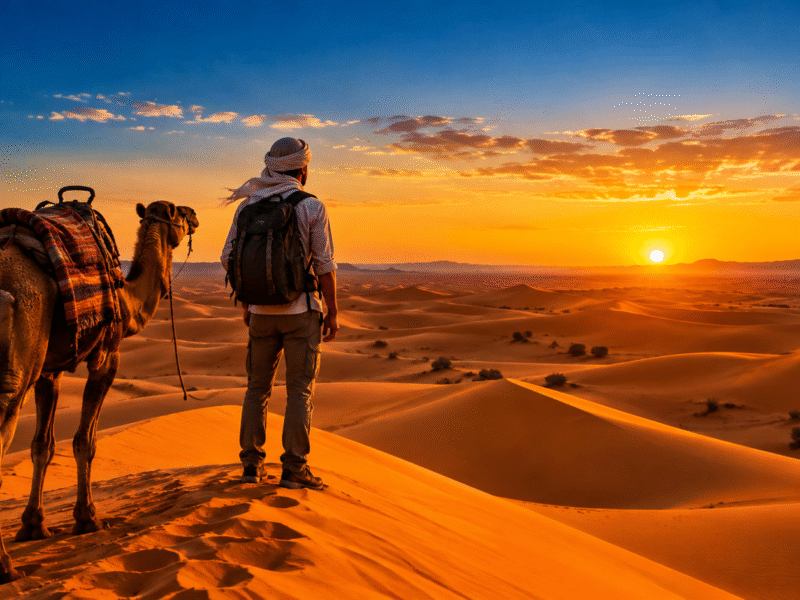
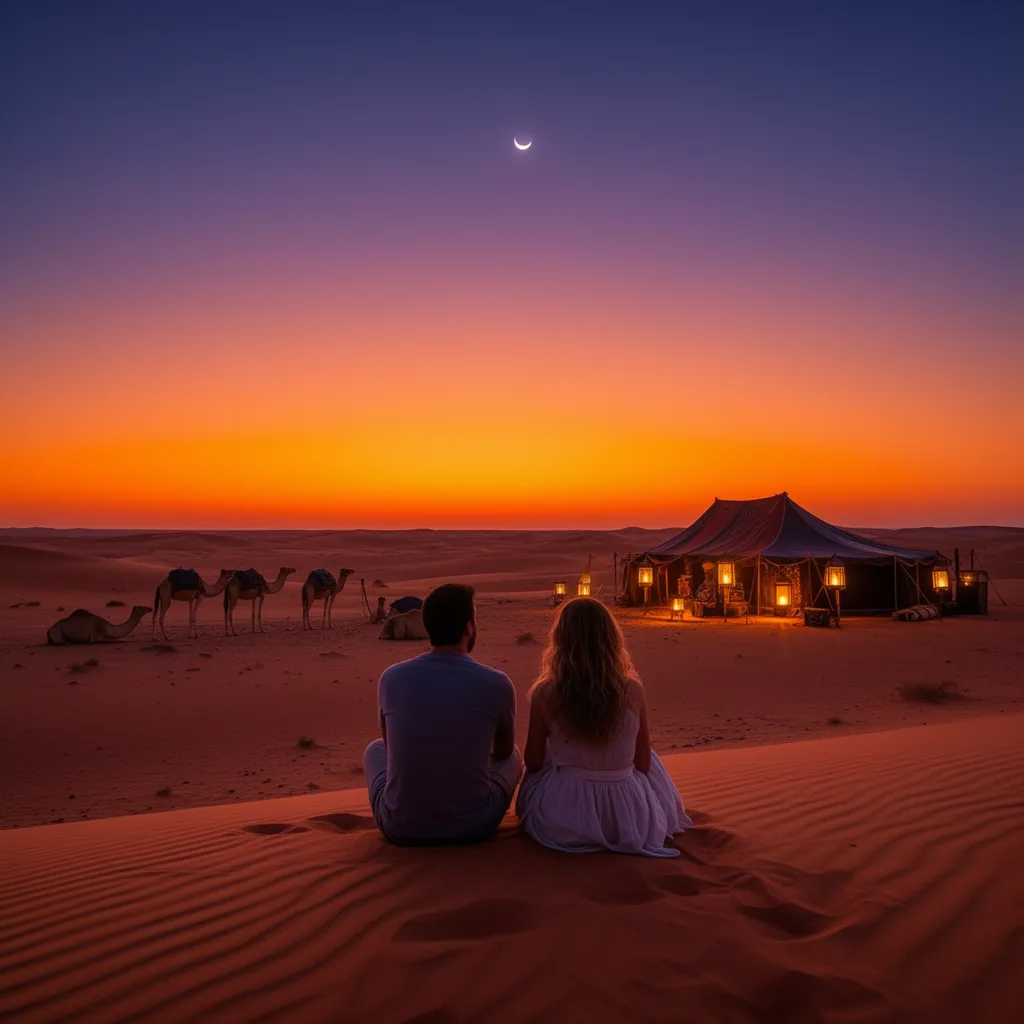
Best months: March–May and October–November. Skip summer (extreme heat) and deep winter (very cold nights). November is arguably the sweet spot — mild days, star-heavy skies, hardly anyone else there.
For camp quality, operator vetting and what a decent 3-day trip actually costs, see our Sahara desert tour from Marrakech guide.
Atlas Mountains — Imlil, Toubkal, Ourika
Best months: April–May and September–October. Too hot for serious hiking in summer, too much snow above 3,000m in winter. December is skiable at Oukaimeden — but not hikeable at altitude.
Our Atlas day trips guide covers Ourika and Ouzoud; the Atlas hiking guide handles multi-day treks including Toubkal.
Budget trips
Best months: January, February, and November (avoiding holiday weeks). Flight prices drop, riads discount 20–30%, and the same cities feel completely different without the peak-season crowds.
Pair a winter departure with our affordable riads in Marrakech guide and you can put together a full week for less than the cost of three nights in May.
Before you go, our 25 essential Morocco travel tips covers visas, cultural etiquette, money, and everything else that isn’t weather.
Reserve your spot
Book your Morocco experience
The best-rated tours across the country — medina walks, Sahara camps, Atlas hikes, coastal day trips. Instant confirmation, free cancellation on most listings.
Instant confirmation
Free cancellation on most tours
Some links on this page earn ComeMorocco a commission at no extra cost to you. It never changes what we recommend. How this works.
Questions
01What’s the single best time to travel to Morocco for perfect weather?
May and September. Both give you warm days, cool nights, minimal rain and workable conditions across cities, coast and desert simultaneously. If you can only pick one month, pick May — every major operator lands on the same answer.
02Is Morocco worth visiting during Ramadan?
Yes, if you want depth over convenience. You get iftar feasts, electric evening markets, fewer tourists and a country visibly reoriented around its own rhythms. Just plan sightseeing for early morning or after sunset, don’t eat or drink in the street by day, and book iftar dinners ahead.
03Can you swim in Morocco in December?
Not comfortably without a wetsuit. Atlantic water drops to around 17°C. December is a better fit for the desert, Atlas skiing, city exploration and Christmas markets. For actual beach weather, aim for June–September.
04What’s the cheapest month to visit Morocco?
January and February, avoiding any holiday periods. November is a close second with slightly warmer days. Book two to three months ahead for the best winter flight deals, and expect riads to discount 20–30% between January and March.
05When should I book a Sahara tour?
Three to six months ahead for spring (March–May) and autumn (September–November) departures — these are peak desert seasons and the good camps fill early. In summer, only book operators who run pre-dawn and post-sunset schedules. In winter, confirm the camp provides heated blankets and proper tent insulation.
06What’s the weather like in Morocco in November?
Marrakech sits around 22°C by day and 11°C at night. It’s the wettest month inland, but rain comes in bursts rather than all-day drizzle. The Sahara has pleasant days and cold nights. The coast stays mild. Fewer tourists, better photography, cheaper riads — one of the underrated months if you don’t mind the odd shower.
07Do I need a visa to visit Morocco in 2026?
Citizens of the US, UK, EU, Canada, Australia and most other Western countries get 90 days visa-free. Your passport needs to be valid for at least six months beyond your arrival date. Always confirm on the official Moroccan government portal before booking — rules do change.
Your Morocco trip
Pick your month, book your trip
Now that you’ve got the honest read on the best time to travel to Morocco, pick your window — spring wildflowers, autumn dates, winter snow above Marrakech — and lock in the tours before someone else does.