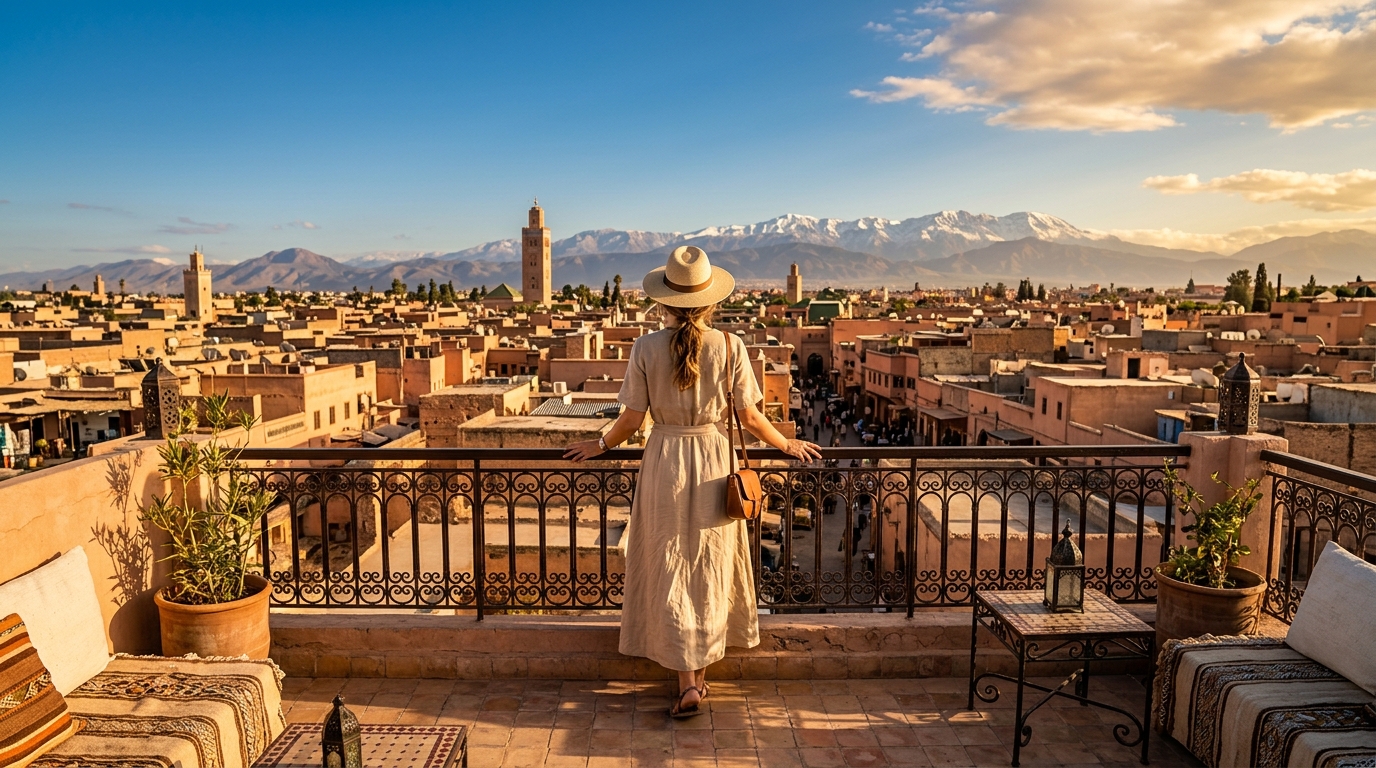
Packing for Morocco doesn’t mean buying a whole new wardrobe — it means building a capsule collection of loose, breathable layers that respect local culture while keeping you cool in the desert heat and warm on chilly nights.
Planning a trip to Morocco is incredibly exciting. But soon after you book your flight, one anxious thought creeps in: “What do I actually pack?” You’ve heard whispers about conservative dress codes, desert heat, and crowded medinas. Don’t worry – knowing the right travel to morocco outfits is the secret to feeling comfortable, blending in with locals, respecting traditions, and still looking fabulous. If you’re wondering what to wear in morocco, this guide breaks it all down simply.
Key takeaways
Cover shoulders, knees, and chest everywhere except hotel pools and beach resorts.
Choose loose, natural fabrics (cotton, linen, viscose) — avoid polyester entirely.
A lightweight scarf is your most versatile item: mosque entry, sun protection, dust shield, evening warmth.
Pack closed-toe walking shoes for medinas and desert trips; save sandals for evenings and beaches.
Layer for seasonal extremes: light colors for summer heat, fleece and thermals for winter desert nights.
Contents
- Decoding the Dress Code – What to Wear in Morocco
- Can Females Wear Shorts in Morocco?
- The Ultimate Packing List for Travel to Morocco
- Travel to Morocco Essentials (Beyond the Outfit)
- The Complete Travel to Morocco Checklist (Pre-Departure)
- Seasonal Variations – What to Pack for Winter vs. Summer
- Book Your Experience
- Questions
Decoding the Dress Code – What to Wear in Morocco
Understanding what to wear in morocco starts with one simple rule: cover your shoulders, knees, and chest. This applies everywhere outside of hotel pools and beach resorts. Multiple travel experts agree on these basics. According to mywanderlustylife, you should keep your shoulders, knees, chest, and midriffs covered. Experienceittours warns against strappy tank tops. And citytoursmorocco explains that loose-fitting clothing actually keeps you cooler than tight clothes. Non-Muslim visitors do not need to cover their hair in public, says moroccanjourneys – but a scarf is handy for entering mosques like the famous Hassan II Mosque in Casablanca.
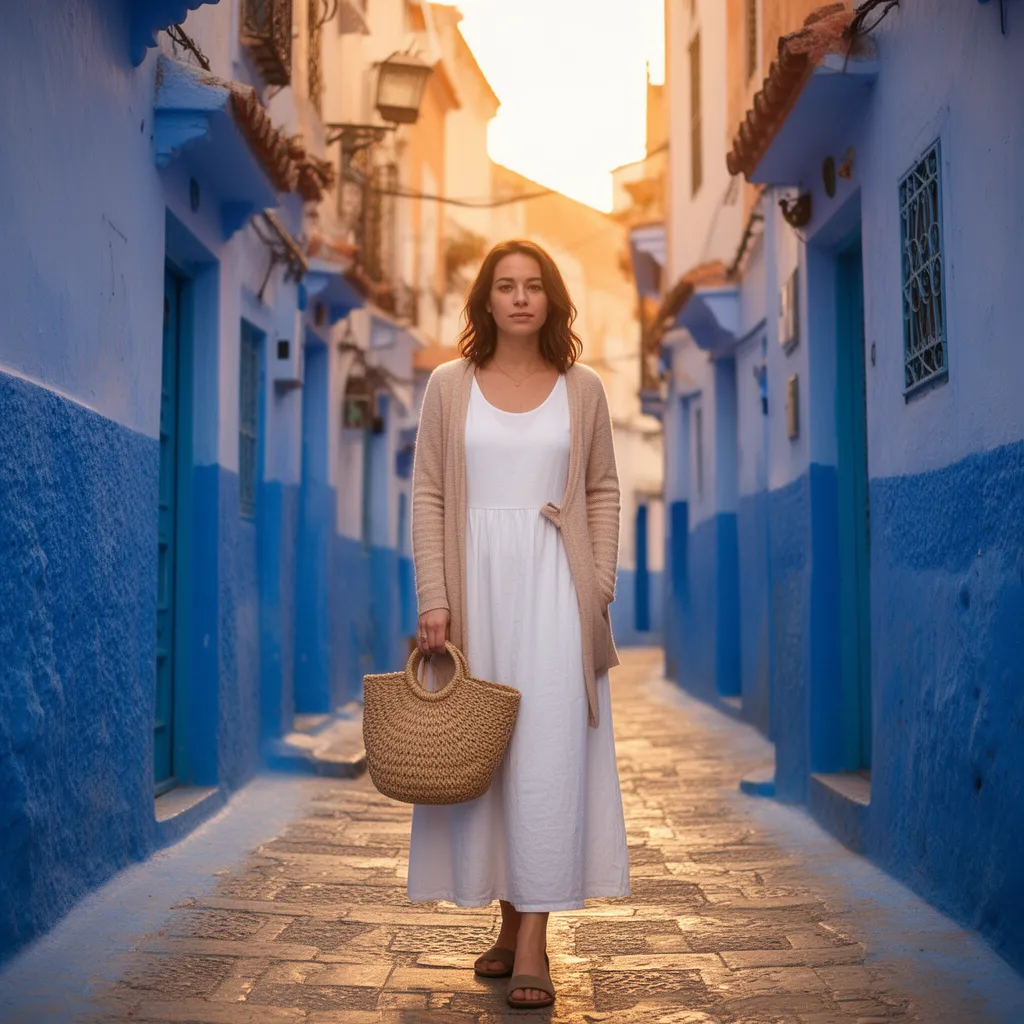
Avoid low-cut tops, sheer fabrics, and anything super tight. Choose pieces that flow away from your body instead of clinging to it. This approach isn’t just about respect — loose linen and cotton create a microclimate that keeps you cooler in 35°C heat than any synthetic tank top ever could. For more inspiration on dressing for Morocco’s diverse environments, explore our Marrakech destination guide which includes tips on navigating the city’s cultural sites.
Pro insight: Moroccan women typically wear sleeves past their elbows, but as a tourist, short sleeves are totally fine. Just avoid strappy tops that show bare shoulders.
For a seamless experience navigating the medina’s labyrinthine alleys, a guided tour can help you dress confidently while discovering hidden gems. Explore the historic Marrakech Medina with local experts who know every courteous shortcut.
For Men – Loose Is Key
Men, this applies to you too. Keep your shoulders and knees covered. Pack linen trousers, long shorts that hit below the knee, and t-shirts with sleeves. Leave the sleeveless tank tops for the hotel gym or pool. A lightweight button-down shirt works perfectly for evenings when you want to look a bit nicer for dinner. Our imperial cities tours offer great options for men looking to explore in style and comfort.
For Women – Maxi Dresses & Cardigans
Women should focus on loose tunics, wide-leg pants, maxi skirts, and midi or maxi dresses. The secret weapon here is layering. Picture this: a sleeveless maxi dress plus a lightweight cardigan or scarf. In seconds, you’re covered enough for a mosque visit or a walk through a conservative neighborhood. Moroccan women typically wear sleeves past their elbows, but as a tourist, short sleeves are totally fine. Just avoid strappy tops that show bare shoulders. Discover more modest fashion inspiration in our Fes destination guide, where traditional dress norms are particularly prominent.
Can Females Wear Shorts in Morocco? (The Shorts Dilemma)
Let’s answer the question everyone asks: can females wear shorts in morocco? The direct answer is yes – but with important conditions.
You can absolutely wear shorts in tourist zones. Places like the Marrakech medina, beach towns such as Taghazout and Essaouira, and around hotel pools are perfectly fine. However, shorts are not recommended in conservative rural areas, near mosques, or in the old medinas where locals are more traditional. Dianamiaus specifically advises avoiding shorts and strappy tank tops. Travelgeekery adds that you should dress more conservatively in rural areas. For beach-specific packing tips, check out our Essaouira guide – a popular coastal destination with more relaxed dress expectations.
Most female travelers choose a midi or maxi skirt instead. It’s more comfortable, more respectful, and completely versatile. A long skirt flows nicely in the heat and looks elegant. So while you can wear shorts, the safer and smarter choice is a longer option.
The Ultimate Packing List for Travel to Morocco (Clothing)
Now let’s get practical. This packing list for travel to morocco gives you everything you need without overpacking. When choosing travel to morocco clothes, focus on natural fibers that breathe. Cotton, linen, and viscose blends are perfect. Outfittrends says never pack polyester – it doesn’t breathe and will leave you sweaty and uncomfortable. Browse our shopping tours if you’re looking to pick up some local fabric purchases in the souks.
Tops & Bottoms
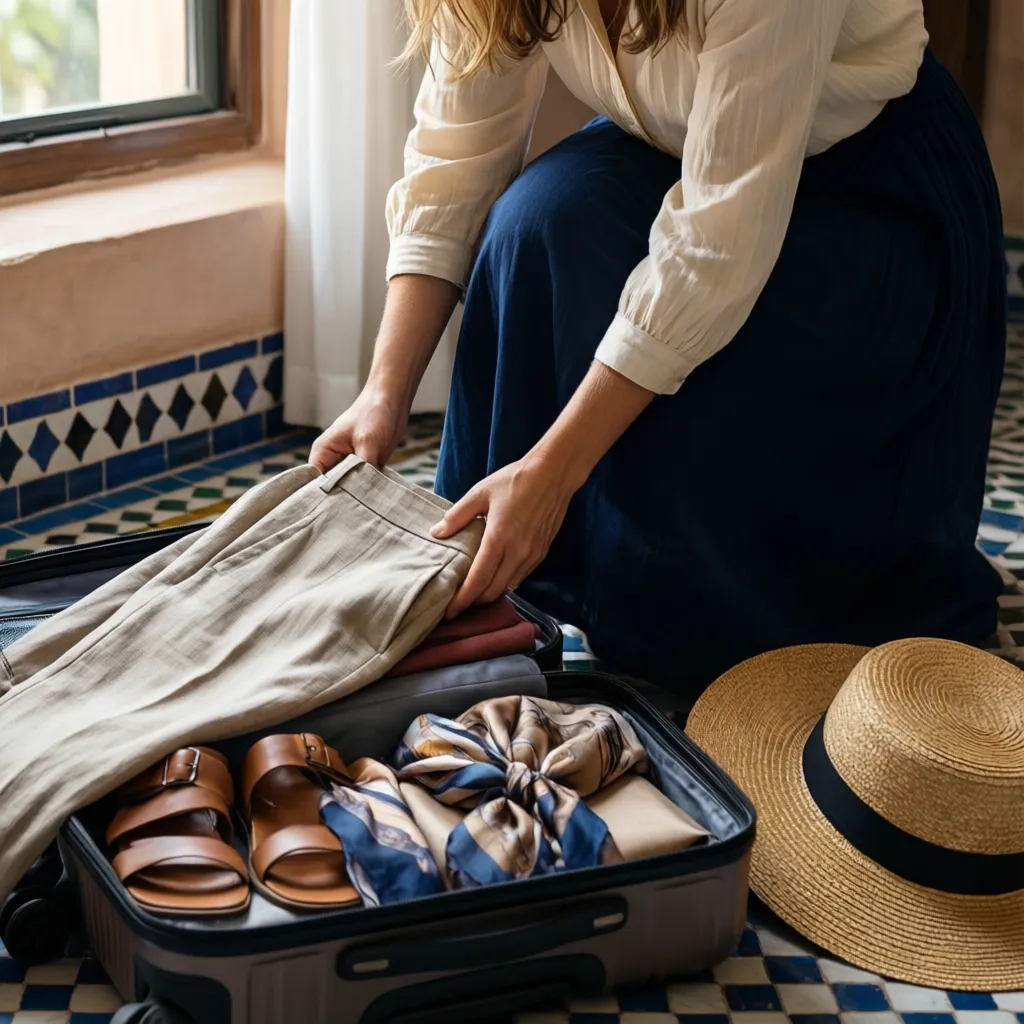
Pack 3-4 lightweight cotton or linen shirts or blouses. Mix short-sleeve and long-sleeve options. Long sleeves protect your skin from the sun and keep you cooler than you’d think. Bring 1-2 long-sleeve tops specifically for sun protection and cool evenings. Avoid polyester entirely.
For bottoms, bring 2-3 pairs of loose linen or cotton trousers or wide-leg pants. Citytoursmorocco specifically recommends these. Add 1-2 midi or maxi skirts for variety. One pair of comfortable jeans is useful for cooler days or evenings out, but don’t rely on denim for hot days – it gets heavy and sticky. If you’re planning to explore Ouarzazate or the desert regions, consider packing an extra layer as temperatures can drop quickly after sunset.
Dresses for Travel to Morocco
Let’s talk about dresses for travel to morocco. This is where you can have fun while staying practical. Pack 2-3 midi or maxi dresses in breathable fabrics. Solid colors work best – think neutrals like beige, white, navy, and olive green. These mix and match easily with cardigans and scarves. Loud prints can feel overwhelming after a few days.
Styledandmiles recommends 2-3 printed dresses plus a midi or maxi skirt. Citytoursmorocco suggests light cotton or linen maxi dresses. Jumpsuits also make a fantastic one-piece option – just throw one on, add a scarf, and you’re ready for anything. A maxi dress with a lightweight cardigan transitions seamlessly from day exploring to dinner, and even into a mosque. Looking for the perfect riad to freshen up in after a day of exploring? Our Morocco hotels guide has recommendations across all budgets.
Footwear – The Unsung Hero
Your feet will thank you for good shoes. Pack comfortable walking sandals that actually stay on your foot. Avoid slip-on flip-flops in the medina – the streets are uneven, dusty, and sometimes unsafe for open-toe shoes that might slide off. Bring a pair of closed-toe walking shoes or sneakers for day trips, hiking in the Atlas Mountains, or desert tours. If you want something nicer for evenings, one pair of dressier sandals works perfectly.
Travel to Morocco Essentials (Beyond the Outfit)
While clothing is crucial, the complete travel to morocco essentials list includes items that make your trip smoother and more enjoyable. Don’t forget to explore our traditional hammam experiences – a must-do activity where you’ll want to have the right supplies.
The Scarf – The Most Important Item
For women, a lightweight pashmina or scarf is truly the most versatile item you’ll pack. It covers your hair in mosques, protects your head and neck from the scorching sun, shields your face from dust, adds warmth during cool evenings, and can even double as a makeshift picnic blanket. For men, a scarf works as a neck gaiter or head covering in the desert. Don’t leave home without one.
Sun Protection & Hydration
The Moroccan sun is intense. Pack high SPF sunscreen – choose reef-safe options if you’re heading to the coast. A wide-brim hat is non-negotiable, according to outfittrends. UV-protection sunglasses are equally essential. Add an SPF lip balm to protect your lips. For hydration, bring a reusable water bottle. Note that tap water in Morocco isn’t safe to drink, but you can refill at hotels and hostels. For the ultimate sunrise experience, consider our hot air ballooning adventure over the Atlas Mountains.
The Day Bag – Anti-Theft Crossbody
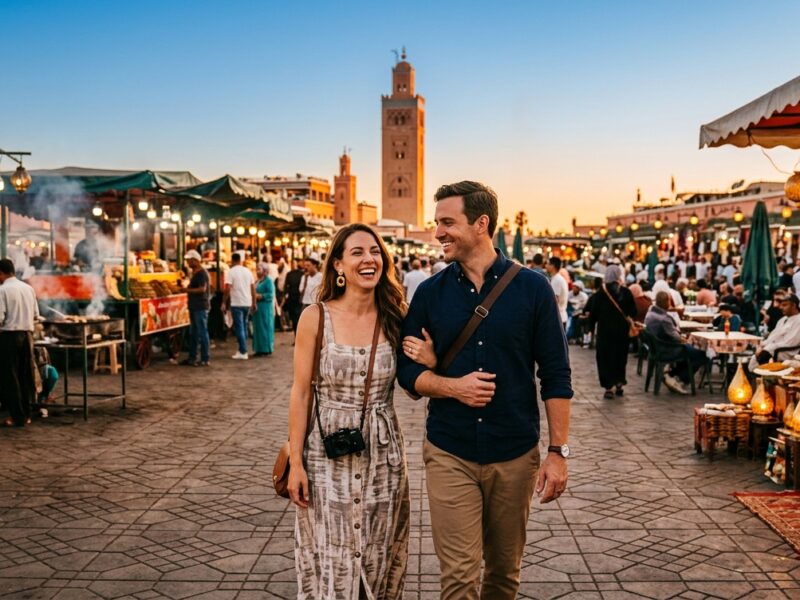
Navigating busy souks and medinas requires a smart bag. Choose a secure crossbody bag with zippers and ideally slash-proof features. Styledandmiles recommends one secure crossbody bag. Keep your valuables – passport, phone, cash – in a hidden pouch or money belt. Pickpocketing can happen in touristy areas, but a smart bag eliminates most worries.
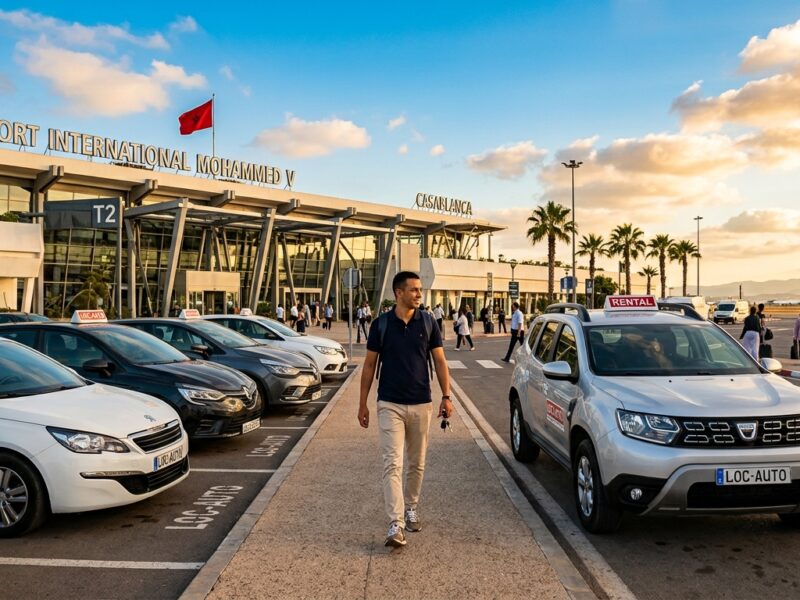
Planning note: For seamless airport arrivals, pre-book a private transfer – your driver waits with a name sign, fixed price, no haggling.
The Complete Travel to Morocco Checklist (Pre-Departure)
Use this travel to morocco checklist to ensure you haven’t missed anything before departure. Make sure to also review our comprehensive hostel guide if you’re traveling on a budget.
Tech & Documents
Bring a power adapter (Type C/E with two round pins, 220V). Pack a portable power bank for long sightseeing days. Print copies of your passport, flight tickets, and hotel bookings – keep these separate from originals. A small travel lock is useful for hostel lockers or hotel room safes. If you’re visiting during peak season, consider booking your Marrakech accommodations well in advance.
Stay connected the moment you land with an eSIM – instant activation, no physical SIM swap needed.
Toiletries & Health
Public restrooms in Morocco often lack soap and toilet paper. Pack biodegradable wet wipes and hand sanitizer. Carry a small pack of tissues. Include any personal medications plus a basic first-aid kit with plasters, antiseptic, pain reliever, and antidiarrheal medicine – stomach adjustments are common when trying new foods.
Money & Safety
Moroccan Dirham (MAD) is a closed currency, meaning you can’t get it outside the country easily. Exchange money at home or upon arrival at the airport. Notify your bank before traveling. Carry a small coin purse for small purchases and tips. Keep it practical – there’s no need to fear, just be prepared. For adventure seekers, our quad biking experiences offer thrilling desert excursions.
Peace of mind: Protect your trip with travel insurance — covers medical emergencies, trip cancellation, and baggage loss.
Seasonal Variations – What to Pack for Winter vs. Summer
Morocco’s climate varies dramatically depending on when you visit. Let’s break it down by season. For more detailed climate information, check our guides to Merzouga (desert climate) and Chefchaouen (mountain climate).
Summer (June–September)
Summer brings scorching heat – 35-40°C (95-104°F) in Marrakech. Journeybeyondtravel recommends lightweight and light-colored cotton or linen shirts. Pack only the lightest fabrics. A wide-brim hat is essential. Avoid dark colors that absorb heat. Stick to whites, creams, beiges, and pastels. Your entire wardrobe should breathe. Consider booking our camel riding experience for early morning when temperatures are milder.
Winter (December–February)
Winter days are mild at 15-20°C (59-68°F), but nights get cold – 5-10°C (41-50°F), even colder in the desert. Many riads lack central heating, as catekittlitz warns. Pack layers you can shed and re-add throughout the day, as outfittrends advises. Bring a light fleece or puffer jacket, a warm scarf, and potentially thermal underwear if you’re camping in the desert.
Transition Seasons (Spring & Fall)
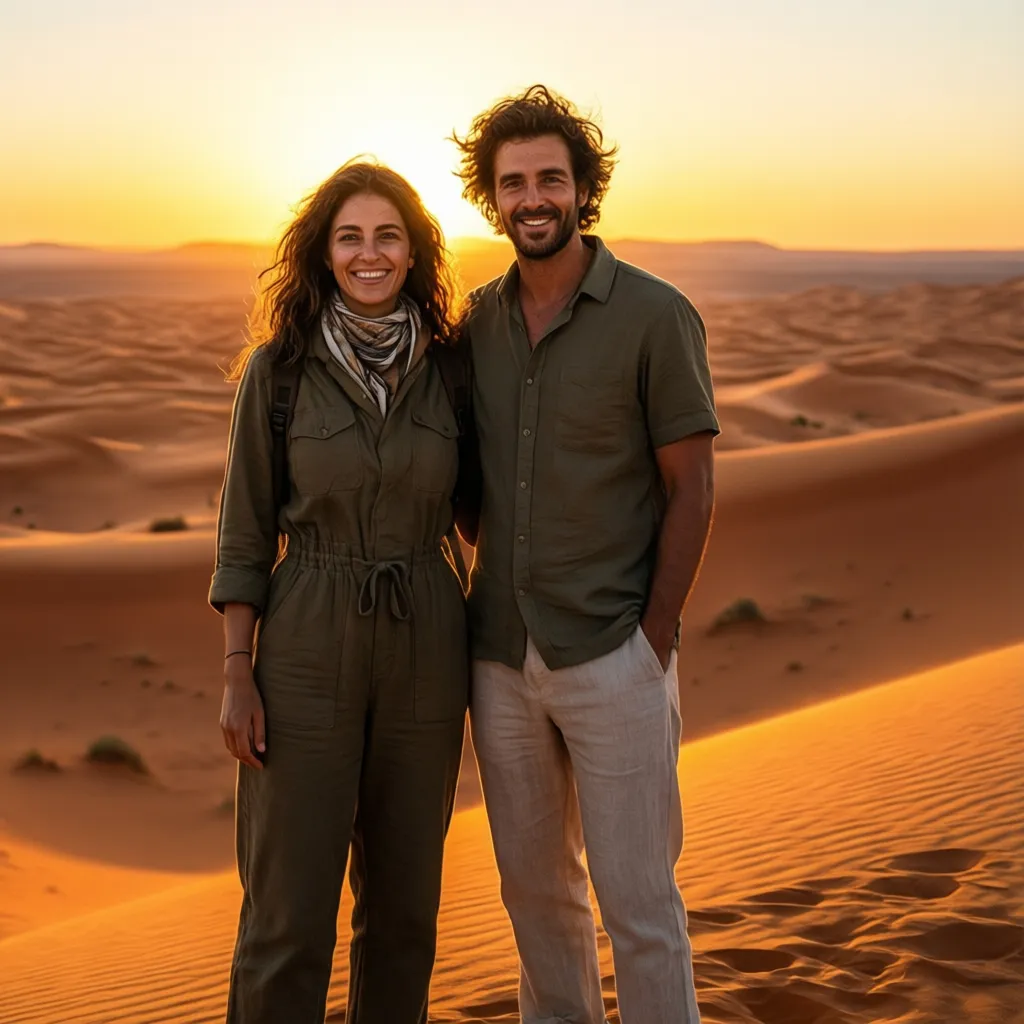
Spring and fall require a mix of everything. Light layers work for daytime, but you’ll need a jacket for evenings. Think of your suitcase as a layering system rather than specific outfits. Catekittlitz suggests packing for Morocco in winter using only a carry-on with strategic layers. These shoulder seasons are perfect for our historical tours of UNESCO kasbahs when the weather is most comfortable.
Reserve your spot
Book Your Morocco Experience
From Marrakech medina tours to Sahara desert camps — choose from hand-picked experiences with instant confirmation and free cancellation.
⚡ Instant confirmation
↩ Free cancellation on most tours
Popular experiences to add to your trip:
🏛️ Discover Fes Medina with a Cultural Guide
Powered by GetYourGuide
🐫 Experience a Sahara Desert Camel Trek
Powered by GetYourGuide
🏔️ Book an Atlas Mountains Day Trip from Marrakech
Powered by GetYourGuide
🕌 Book a Guided Visit to Hassan II Mosque
Powered by GetYourGuide
💙 Day Trip to the Blue City: Chefchaouen
Powered by GetYourGuide
Some links on this page earn ComeMorocco a commission at no extra cost to you. It never changes what we recommend. How this works.
Questions
01Do women have to cover their hair in Morocco?
No, non-Muslim women are not required to cover their hair in public. However, a scarf is essential for entering mosques (like Hassan II Mosque in Casablanca) and useful for sun, dust, and modesty in conservative areas.
02Can I wear shorts in Marrakech?
Yes, shorts are acceptable in tourist zones like the Marrakech medina, beach towns, and hotel pools. For rural areas, mosques, and traditional neighborhoods, opt for midi/maxi skirts or loose trousers to avoid unwanted attention and show respect.
03What shoes should I pack for Morocco?
Pack three pairs: (1) comfortable walking sandals with straps that stay on, (2) closed-toe sneakers or hiking shoes for medinas, Atlas Mountains hikes, and desert tours, (3) optional dressier sandals for evenings. Avoid flip-flops for medina walking.
04Is Morocco safe for solo female travelers?
Yes, Morocco is generally safe for solo female travelers with proper preparation. Dress modestly, use registered taxis or pre-booked transfers, stay in well-reviewed riads, and trust your instincts. For a detailed guide, see our Solo Female Travel Morocco Guide.
05What’s the best time to visit Morocco?
Spring (March-May) and fall (September-November) offer the most pleasant temperatures nationwide. Summer is extremely hot inland (35-40°C) but comfortable on the coast. Winter is mild by day, cold at night, and requires layers for desert trips.
06Do I need a visa for Morocco?
Citizens of the USA, Canada, UK, EU, Australia, and New Zealand do not need a visa for stays up to 90 days. Your passport must be valid for at least six months beyond your entry date. Always verify current requirements with the Moroccan embassy before travel.
07Can I drink tap water in Morocco?
No, tap water is not safe to drink. Stick to bottled water (widely available) or refill a reusable bottle at hotels/hostels that provide filtered water. Avoid ice in drinks unless you’re certain it’s made from purified water.
✦ Your Morocco trip
Pack Smart, Travel Confidently
You’ve got the packing list, the cultural insights, and the seasonal strategy. Now turn that knowledge into an unforgettable adventure — from spice-scented souks to star-strewn desert nights.