Does It Snow in Morocco? Honest 2027 Guide by City
Does it snow in Morocco? Yes, but almost all of it falls in the mountains, not in the cities you’ll visit first.
Does it snow in Morocco? Yes. Snow falls every winter in the High Atlas, the Middle Atlas and the higher Rif Mountains, while Marrakech, Casablanca and Rabat almost never see settled snow.
If you’re planning a winter trip for 2027, this guide gives you the direct answer first. You’ll get a city-by-city snow table, the month-by-month picture and a clear rule for choosing between Oukaïmeden and Ifrane.
We’re the ComeMorocco local team, and we get the same question every winter: can we see snow from Marrakech? Our short answer is that you can, with an early start and a day that depends on the road.
✦ Key Takeaways
Morocco gets snow, but almost all of it falls in the High Atlas, Middle Atlas and higher Rif Mountains, not in the big cities.
Marrakech, Casablanca and Rabat almost never see settled snow, so don’t plan a snow trip around them.
Plan your snow visit for December to February, with January and February the strongest months for the resorts.
Choose Oukaïmeden if you want skiing within reach of Marrakech, and Ifrane if you want a snowy town base.
Check current road and snow reports on the morning of any mountain trip, because conditions can change within hours.
Does it snow in Morocco?
Yes. Morocco gets snow each winter, but nearly all of it falls in the mountains: the High Atlas, the Middle Atlas and the higher Rif. Snow is common from about 2,000 metres, while cities like Marrakech, Rabat and Casablanca almost never see settled snow.
Think of Morocco as two climates stacked on top of each other. The coast and cities sit at low elevation with mild winters, and the mountains above them turn white for months. That height line explains almost everything about Moroccan snow.

Snow is common from about 2,000 metres
The 2,000-metre mark is the rule of thumb that matters most. Below it, snow tends to melt quickly, even after a storm. Above it, the snowpack builds up and can stay on the ground into late spring at the highest points.
So when someone asks us whether it snows in Morocco, we ask how high they plan to go. If your trip stays below about 1,000 metres, plan for cold nights, not snow.
What the NASA satellite data shows
Satellite imagery gives the clearest evidence we have. NASA’s NASA satellite snow imagery shows snow across Moroccan mountains from 19 December 2024 to 2 January 2025, with about 35–40 cm of snow reported in some areas.
Snow cover in the Atlas changes week to week. Use satellite and forecast sources for the days around your trip, not last winter’s photos.
Where does it snow in Morocco?
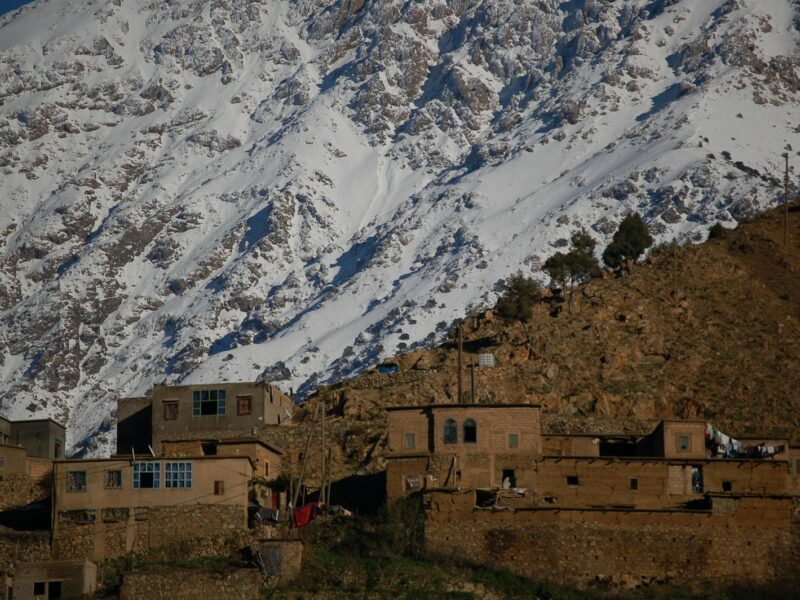
Snow falls mainly in the High Atlas, the Middle Atlas and the higher Rif Mountains. The best-known snow spots are Oukaïmeden near Marrakech, Ifrane and Michlifen in the Middle Atlas, and the Toubkal area near Imlil. Mount Toubkal reaches 4,167 metres.
High Atlas: Oukaïmeden and Toubkal
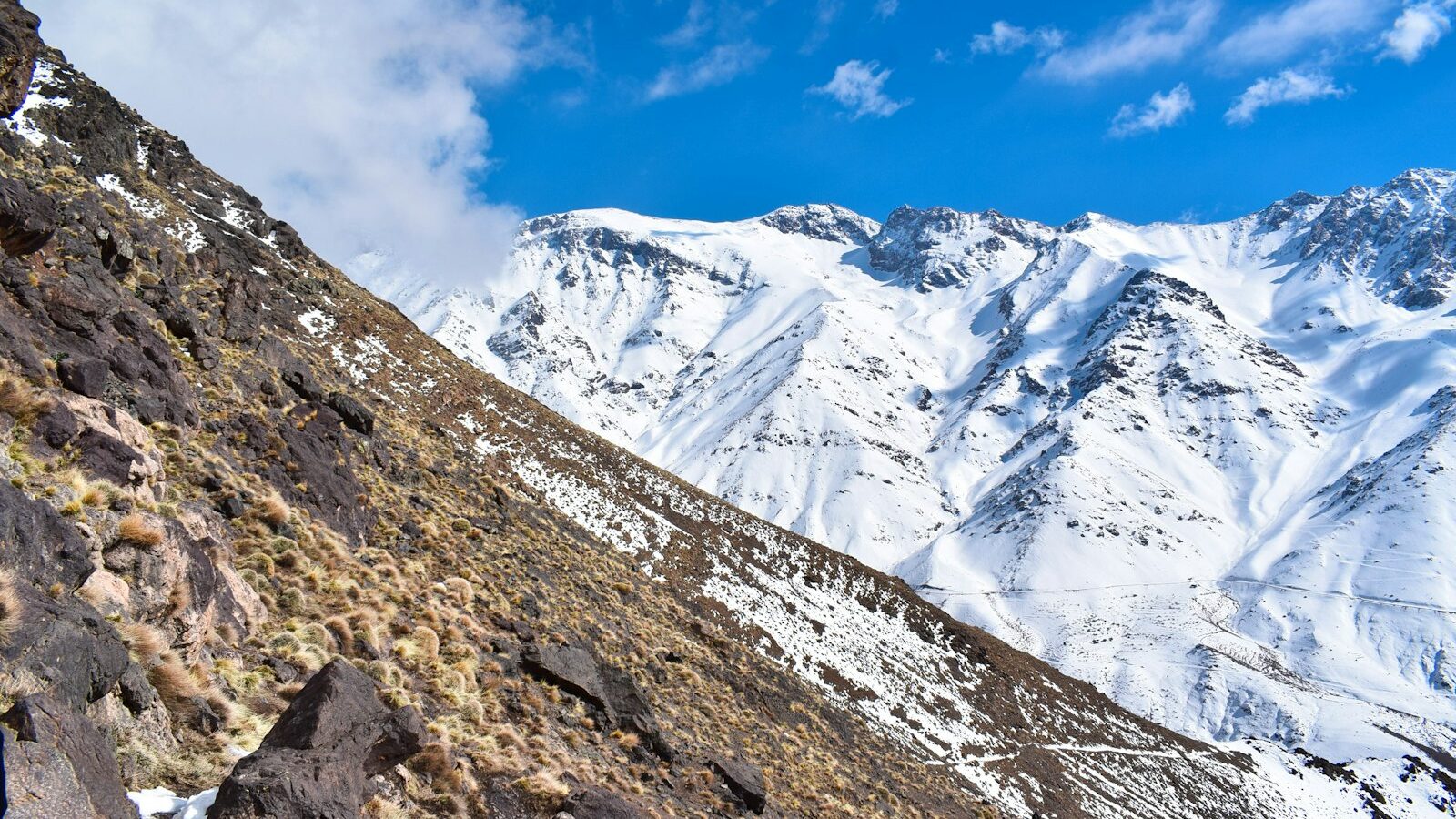
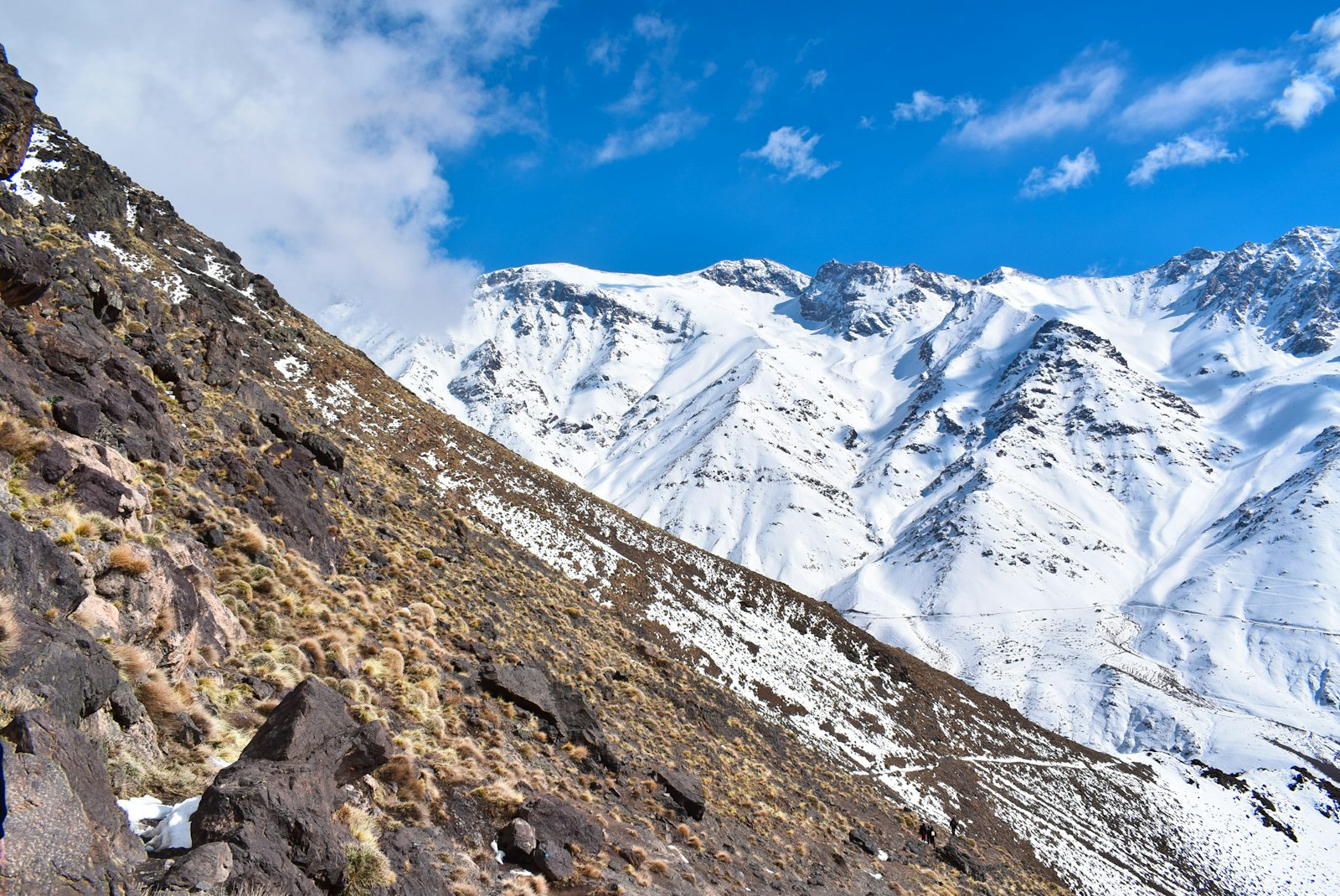
The High Atlas holds Morocco’s deepest and most dependable snow. The Oukaïmeden ski area sits at roughly 2,600 to 3,250 metres, depending on the point measured. Mount Toubkal, at 4,167 metres, stays snow-covered for much of the year.
For a day in the snow near Imlil, the Toubkal area is the place to aim for. Be honest with yourself about fitness, because the walking is real even on a short visit.
🎟️ Two-day High Atlas trek near Toubkal
Middle Atlas: Ifrane, Michlifen and Azrou
Ifrane sits at about 1,665 metres, which is low enough to be easy to reach and high enough for regular winter snow. Michlifen, near Ifrane, is another winter snow area, and the exact season depends on the year. Azrou, close to Ifrane and its cedar forests, can also see winter snow.
Ifrane is the easiest place to base yourself. You get a town, restaurants and a real bed, with the snow a short drive away.
Rif Mountains: the quieter option
The higher parts of the Rif Mountains receive seasonal snow. Fewer travellers go there, so you’ll find fewer facilities and less up-to-date information online. Treat the Rif as a quieter alternative, and check local conditions before you set out.
The ComeMorocco 3-Zone Snow Rule
Use this rule to match your destination to your snow expectations:
- Zone 1, the cities: Marrakech, Casablanca and Rabat almost never get settled snow, so plan for mild or cold-night weather.
- Zone 2, the Middle Atlas: Ifrane, Michlifen and Azrou get regular winter snow at about 1,665 metres.
- Zone 3, the High Atlas: Oukaïmeden and Toubkal have the deepest snow, from about 2,000 metres upward.
- Before you commit: check current road and snow reports before any mountain day.
Planning a snow trip from Marrakech?
Tell us your dates and we’ll tell you honestly whether the Atlas is worth the drive that week.
Does it snow in Casablanca, Rabat or Marrakech?
No, not in any normal winter. Casablanca and Rabat are Atlantic coastal cities with mild, wet winters, and Marrakech is usually cold at night but almost never gets settled snow. Fes and Meknes rarely see snow compared with the mountains.
Marrakech feels cold in January because of its night-time temperatures. Its snow, though, sits in the Atlas, an hour or two up the road, not on the city streets. For monthly temperature detail, check our guide to winter temperatures by city.
| Place | Snow reliability | Snow in winter | Elevation or area | Best for |
|---|---|---|---|---|
| Oukaïmeden | High | Generally December to March, with January and February strongest | Ski area about 2,600–3,250 m, High Atlas | Snow and skiing near Marrakech |
| Ifrane | High | Regular winter snow, especially December to March | About 1,665 m, Middle Atlas | A town-based snow trip |
| Michlifen | Medium | Winter snow, with exact dates varying by year | Near Ifrane, Middle Atlas | Skiing near Ifrane |
| Mount Toubkal area | High above 2,000 m | Snow persists well beyond the core season at high elevation | Summit 4,167 m, High Atlas | High-altitude trekking |
| Azrou | Medium | Winter snow possible | Middle Atlas, near Ifrane and cedar forests | A scenic winter stop |
| Marrakech | Very low | Almost never settled snow | Inland lowland city | A base for Atlas day trips |
| Fes and Meknes | Low | Rarely snowy, though nights can be cold | Inland cities at lower elevation | City stays with cold evenings |
| Casablanca and Rabat | Very low | Not a normal winter occurrence | Atlantic coast | Mild, wet coastal winter |
Marrakech: cold nights, almost no snow
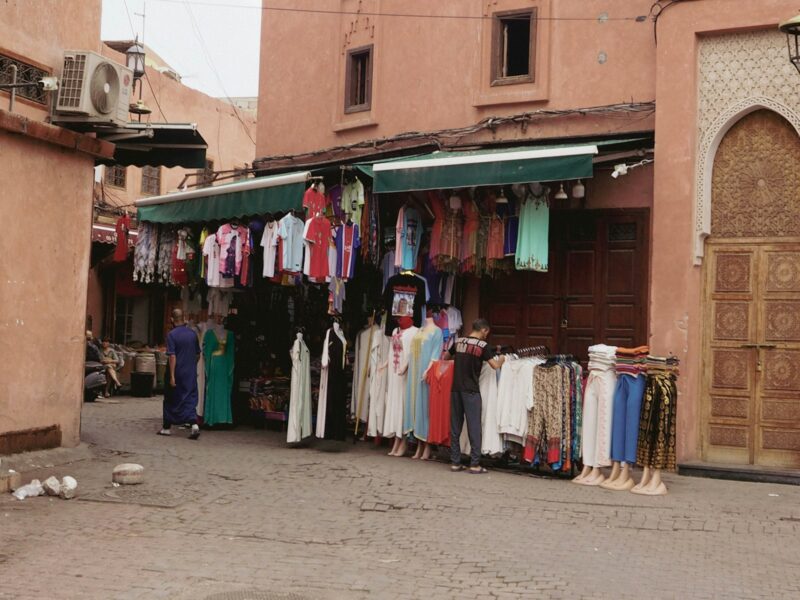
Marrakech is the city most travellers ask about, and the answer is almost never. Winter nights can drop low enough to feel properly cold, so pack a warm layer for the riad even if the daytime sun is strong.
Here’s the thing: the snow you see in photos from Marrakech was taken in the mountains. If you want it, you’ll need a trip up into the Atlas.
Casablanca and Rabat: mild and wet
Casablanca and Rabat sit on the Atlantic coast. Their winters are mild and wet, and the sea keeps temperatures steady, so snow is not a normal occurrence. For a broader climate view, see Britannica’s Morocco climate overview, which explains how elevation drives snowfall.
Fes and Meknes: cold, rarely snowy
Fes and Meknes can get chilly in winter, and their evenings feel cold. Snow there is rare, though, and when it comes it rarely settles for long. Go to the Middle Atlas for real snow instead.
What month does it snow in Morocco?
The heaviest snow falls from December through February, and January and February are the strongest months at the resorts. Snow can start in November and linger into March or April at high elevations. Timing shifts from year to year, so treat the months as a pattern, not a promise.
December: snow starts in the high areas
December is when snow usually first settles in the High Atlas and Middle Atlas. Does it snow in Morocco in December? Yes, at altitude, but the early snow is often thinner and less reliable than in January.
Plan December for shorter stays and check conditions the week you travel. Early-season snow can melt quickly after a warm spell.
January and February: peak snow
Does it snow in Morocco in January and February? Yes, and these are the best months for the resorts. Oukaïmeden and Ifrane both see their most regular snowfall in these months, according to NASA Earth Observatory’s report on the two Atlas ski areas.
Morocco’s rainy season generally runs from October to April in much of the country north of Western Sahara. For the wet-weather picture by month, read our guide to rainfall by month in Morocco. Rain in Marrakech and the coast often means snow in the mountains.
Late season: March and April at height
Snow can persist into March and April at high elevations. Toubkal’s upper slopes hold snow longer than the resorts at lower altitude. Expect thinner coverage and slushy conditions as spring arrives.
Is there snow in Morocco today?
Snow and road status checked 25 November 2026. On that date, the J2Ski Morocco snow forecast listed about 3 cm of snow forecast for Oukaïmeden over the following seven days, with no current snow-depth reports available. Forecast snow is not the same as settled snow on the ground.
💡 Key insight – A forecast of a few centimetres means a dusting, not a ski day. Look for reported depth and recent storm news before you plan around snow.
Need a route up to the snow?
Tell us where you’re staying and whether you’ll drive or hire a private driver, and we’ll map a realistic day for Oukaïmeden.
Which snow spot should you choose, Oukaïmeden or Ifrane?
Oukaïmeden is the pick if you’re based in Marrakech and want skiing, because its ski area sits at about 2,600 to 3,250 metres. Ifrane is the better choice if you want a town base with snow nearby, since it sits at about 1,665 metres in the Middle Atlas.

Oukaïmeden: skiing within reach of Marrakech
Oukaïmeden is one of Morocco’s main ski destinations, and it’s the closest serious snow to Marrakech. The ski area runs high enough for dependable snow in January and February, and the NASA Earth Observatory describes regular snowfall there.
- Pros: closest real snow to Marrakech, the best-known ski area in the country, and a clear day-trip option when roads are open.
- Cons: you spend a lot of the day driving, conditions change quickly at height, and facilities can feel basic.
Best for: skiers and snow lovers already staying in Marrakech. Skip it if you only want to play in the snow for an hour before lunch.
Ifrane and Michlifen: snow with a town base
Ifrane gives you snow with a proper town around it. Michlifen, close by, is the place to go for winter activities near Ifrane, and the snow is associated with regular winter seasons. You can sleep in town and drive to the slopes without packing up each day. For stays in town, compare where to stay near Ifrane before you book.
- Pros: easier base for families, a calmer pace, and snow that is nearer to a comfortable bed.
- Cons: it is farther from Marrakech, so you need a longer drive, and the ski options are smaller than Oukaïmeden’s.
Best for: families, first-timers and couples who want snow with a relaxed base. Skip it if you want the biggest ski area in the country.
How do you get from Marrakech to Oukaïmeden in winter?
Hire a private driver or drive yourself, and leave early in the day so you have time for snow and a safe drive back. The route climbs steadily into the High Atlas, and winter conditions can slow it, so check road status before you set off.

By private driver
A private driver is the easiest option for most first-time visitors. The driver knows the route, can handle the climb and can adjust if a stretch of road is slippery. Ask for a clear departure time and a plan for turning back if the road is closed.
Driving yourself saves money but puts the whole mountain road on your shoulders. Only drive yourself if you’ve handled mountain roads in cold weather before.
By rental car
A rental car gives you the freedom to stop for photos and leave when you’re ready. Make sure the car suits mountain roads, with good tyres and enough clearance. Carry warm layers, water and a charged phone in case you need to wait.
Timing your day trip
A day trip depends on snow, road status and an early start. If the road or snow report looks poor on the morning, switch plans. Our day trips from Marrakech guide lists snow-free alternatives for the same day.
Need a snow-free day? Try a guided trip to the Ourika Valley, which shows you the High Atlas without the stress of the mountain road.
🎟️ Ourika Valley day trip from Marrakech
Are mountain roads open in winter?
Sometimes not. Winter snow can close or slow high mountain passes, including Tizi n’Tichka, so check current road information before you travel. Conditions can change within hours, so confirm on the morning of your trip.
Tizi n’Tichka and other passes
Tizi n’Tichka is the main high pass on the road between Marrakech and the south, and winter weather can affect it. Other passes on the Atlas roads can close after heavy snow too. Your driver or rental company should know the latest status.
For official travel guidance, read the UK travel advice for Morocco, which lists current warnings and conditions.
Set a turnaround time before you leave Marrakech. If you aren’t at the snow by a set hour, head back while the road is still clear.
Insurance and safety
Check that your policy covers winter mountain driving and medical care at altitude. Read the exclusions carefully, especially for skiing or hiking above the treeline. Our suggestion is to compare travel insurance for mountain trips before you fly.
What to pack for the mountains
Dress for cold at height, not just for Marrakech. Pack a waterproof outer layer, thermal layers, gloves, a hat and proper walking shoes. Temperatures at the snow line can be far colder than the city you left.
Which snow trip should you book?
Pick Oukaïmeden if you want real snow and skiing from Marrakech, Ifrane if you want a snowy town base, and the coast or Marrakech if you only want mild weather. Check road status and snow reports before you book anything that depends on snow. Does it snow in Morocco in 2027? Yes in the mountains, and the same rule applies: plan around the heights.
For a full view of conditions across the year, see our winter weather by month guide.
Snow-first: a day trip from Marrakech
Choose Oukaïmeden for a snow-first day. Book a driver, leave early and keep a flexible plan. Best for skiers and travellers based in Marrakech who can accept a long day.
Town base: Ifrane and the Middle Atlas
Choose Ifrane for a relaxed trip with snow nearby. It suits families, first-timers and couples who want comfort. Skip it if you want the biggest ski area or a short trip from Marrakech.
Not snow-dependent: coast or Marrakech
Choose the coast or Marrakech if you want mild weather and no mountain driving. Rabat, Casablanca and Marrakech suit city breaks, with snow saved for another trip. This is the best option if winter snow is not the point of your visit.
Your next step, in three moves:
- Pick your zone: city, Middle Atlas or High Atlas.
- Check the morning road and snow report before you commit to a mountain day.
- Book a driver or a guided day, and keep a snow-free backup plan.
Reserve Your Spot
Book This Experience
Hand-picked, top-rated options with instant confirmation and free cancellation on most tours.
Frequently Asked Questions
Everything you need to know before you go
📚 Sources we checked (4)
Prices, hours and rules change. We re-check this guide regularly; last check November 25, 2026.
✦ Your Morocco Journey Starts Here
Ready for a day in the Atlas?
Our Ourika Valley day trip shows you the High Atlas without the guesswork of the road.
Disclosure: some links in this guide are affiliate links. If you book through them, ComeMorocco may earn a small commission at no extra cost to you. We only recommend experiences we would suggest to friends.
Chat with us on WhatsApp →