Food Tours Marrakech: The Ultimate Guide to Culinary Adventures in 2026
Discover the best food tours Marrakech offers in 2026. This ultimate guide covers authentic markets, traditional dishes, and expert tips for an unforgettable culinary journey through Morocco’s most vibrant food city.
What does it smell like when centuries of culinary tradition converge in a single, narrow alleyway? Cumin warming on an open flame, lamb fat dripping onto charcoal, bread pulling apart fresh from a communal oven that has been burning since before your grandparents were born. That’s the sensory overload of Marrakech — and the reason food tours Marrakech has become one of the most searched culinary experiences in North Africa. Whether you’re chasing the perfect tagine or want to know where locals actually eat their morning msemen, this guide walks you through every option, every price point, and every hidden corner worth tasting.
✦ Key Takeaways
Food tours provide authentic access to Marrakech’s culinary traditions with expert local guides who know every hidden stall.
Tour options range from market walks and cooking classes to evening food adventures and street food deep dives.
Must-try dishes include tagine, couscous, pastilla, harira, and unique Moroccan street food like msemen and sfenj.
Typical tour costs range between 40–150 EUR depending on group size, inclusions, and private vs. shared format.
Book 1–2 weeks in advance during high season (October–April) and schedule your food tour early in your trip.
Introduction to Food Tours Marrakech
Food tours Marrakech offer an incredible journey through Morocco’s vibrant culinary world. Picture yourself walking through narrow alleyways filled with amazing smells — spices warming in the sun, meat sizzling over open flames, and fresh bread baking in centuries-old ovens. Everywhere you turn, food vendors call out to passersby, inviting them to taste their delicious offerings. This is Moroccan cuisine at its most alive, and there’s no better way to experience it than with a knowledgeable guide at your side.
Marrakech stands as one of Morocco’s food capitals, where cooking methods have stayed the same for hundreds of years. When you join a food tour in this magical city, you get the most authentic taste of Morocco’s rich food history that dates back many centuries. These Marrakech culinary tours are essential for any foodie looking to go beyond the surface of this ancient city.
This guide will walk you through everything about food tours Marrakech — what to expect, the different types available, and how to book the perfect culinary adventure. The best part? Food tours take you to hidden food spots and secret places in Morocco that most tourists never find when exploring on their own.
💡 First-timer tip: Schedule your food tour on your first or second day in Marrakech. The local knowledge you gain — favourite stalls, navigation tricks, safe street food spots — will enhance every meal for the rest of your trip.
Why Take a Food Tour in Marrakech
Trying to explore Marrakech’s maze-like medina — one of the most fascinating ancient cities of Morocco — on your own can be overwhelming. The winding streets seem endless, and it’s easy to get lost among the countless food stalls. Marrakech food tours solve this problem by providing expert guides who know every twist and turn of this ancient marketplace, transforming confusion into pure discovery.
Local guides share special knowledge about food traditions that you simply can’t learn on your own. They explain how dishes are made, where ingredients come from, and the stories behind Marrakech’s most beloved foods. These guides take you to family-run eateries where locals actually eat, far from the tourist traps, providing truly authentic Marrakech food experiences.
The best food tours avoid Djemaa el-Fna’s front-row stalls (which cater to tourists with inflated prices) and instead take you to the stalls locals queue at — often just two rows back. Your guide knows exactly which ones.
Marrakech’s food traditions reflect the country’s diverse cultural mix. Dishes show influences from Berber, Arabic, Andalusian, and French cooking styles. Tour guides bring these stories to life, explaining how Morocco’s history shaped the food you’re tasting — from the Andalusian refugees who brought pastilla to the Berber nomads who perfected slow-cooked tagines.
Language barriers disappear when you have a guide who can speak with vendors and explain everything to you. This creates deeper connections with local people and their food culture, which is a cornerstone of the famous Moroccan hospitality you’ll experience throughout your trip.
Perhaps most importantly, professional guides ensure food safety while encouraging you to try new things. They know which street food stalls maintain high standards, allowing you to sample amazing dishes you might otherwise avoid during your Marrakech culinary tours.
Types of Marrakech Culinary Tours
Market and Medina Walking Tours
The most common type of food tour Marrakech offers is the market and medina walking tour. These adventures typically last 3–4 hours and take you through the heart of the old city. Your guide leads you through winding alleys in the Marrakech Medina souks to sample authentic street foods from trusted vendors on these immersive Marrakech culinary tours.
Tours usually include stops at olive vendors, spice merchants, communal bakeries, and small restaurants serving specialties like tangia (meat slow-cooked in clay pots). A highlight is visiting Jemaa el-Fnaa square when food stalls appear in the evening. Having a guide helps you identify the best and safest options among dozens of similar-looking stalls — something that even experienced travellers struggle with alone.
Cooking Class Combinations
Marrakech food experiences often include immersive cooking classes that last half or full days. These combine shopping at local markets with hands-on cooking lessons. First, you’ll shop for fresh ingredients at vibrant souks. Then, you’ll learn traditional cooking techniques in a beautiful riad — a traditional Moroccan house with a tranquil interior courtyard.
Participants learn to prepare famous dishes like tagine, couscous, and Moroccan salads using traditional methods and equipment. Most classes provide recipe cards so you can recreate these delicious foods when you return home. For an authentic experience beyond the city, consider a cooking class in a Berber village that includes hiking and a home-cooked lunch in the Atlas Mountains.
💡 Cooking class value: A combined market tour + cooking class (typically 100–150 EUR) gives you both the tasting experience and actual skills you take home. Many travellers say it’s the single best activity they do in Morocco.
Evening Food Adventures
Specialised Marrakech food tours showcase how the city transforms at sunset. Night tours often begin at dusk and include watching Jemaa el-Fnaa square change into a massive open-air restaurant — one of the most extraordinary dining scenes anywhere on earth.
During evening tours, you might sample harira soup, grilled meats, seafood, and sweet treats like chebakia (honey-sesame cookies). The magical atmosphere of dining under the stars in courtyards or on rooftop restaurants makes these food tours Marrakech offers extra special. For a more refined evening, try the cocktail tasting and Moroccan tapas experience — a unique twist on the traditional food tour format.
Street Food Specialisations
Some Marrakech culinary tours focus specifically on the city’s amazing street food culture. These tours feature foods like msemen (Moroccan pancakes), bissara (fava bean soup), brochettes (meat skewers), and sfenj (Moroccan doughnuts) — the kind of Moroccan street food that locals eat every single day.
You’ll visit small hole-in-the-wall eateries serving regional specialties and community bakeries where locals bring their prepared dough to be baked in large communal ovens. These are some of the best food tours Marrakech provides for an authentic, unfiltered taste of everyday Moroccan life.
Don’t skip the snail soup (babbouche) — it’s served from steaming cauldrons throughout the medina for just 5–10 MAD a bowl. The broth is herbal and warming, nothing like what you’d expect. Your guide will take you to the best vendor.
Private vs. Group Options
When booking a Marrakech food tour, you can choose between private and group experiences. Private tours offer customisation and personal attention but cost more (80–150 EUR). Group tours provide social interaction with other food lovers and cost less (40–80 EUR).
Group sizes usually stay small (8–12 people maximum) to ensure everyone can hear the guide and sample the foods comfortably. Private tours can be tailored to specific interests like pastries, breads, or meat dishes, and can accommodate special dietary needs more easily — ideal if you’re travelling as a couple looking for romantic activities in Morocco.
What to Expect on Food Tours Marrakech
Typical Foods Sampled
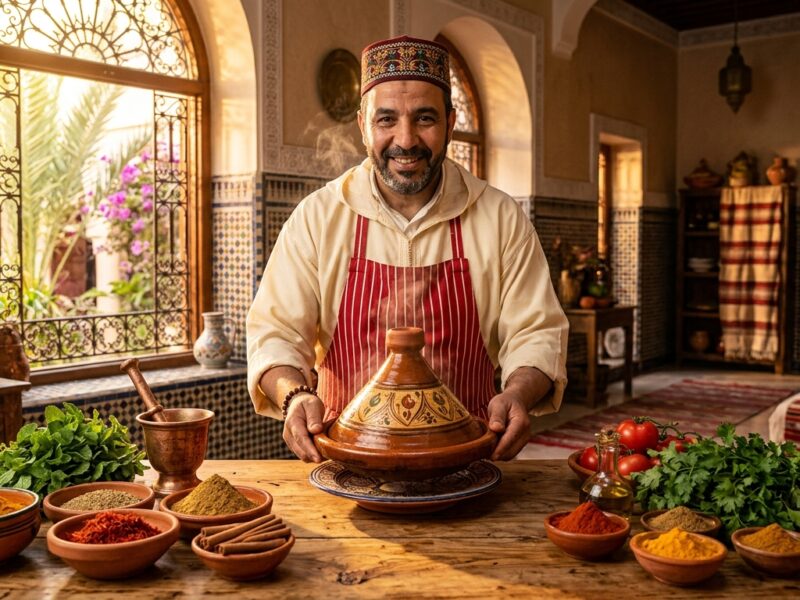
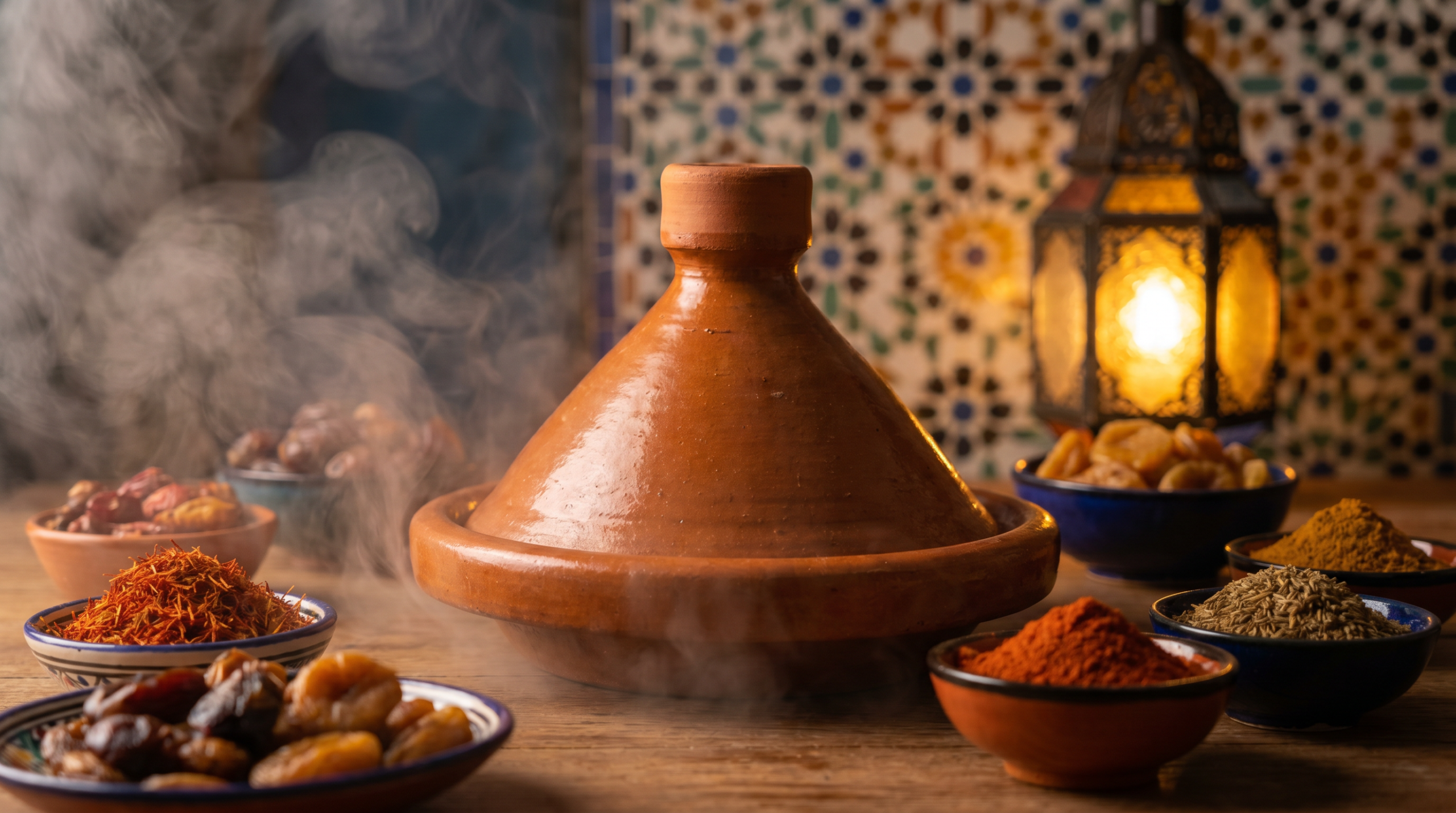
Food tours Marrakech introduce you to essential Moroccan dishes. You’ll likely try tagines (slow-cooked meat and vegetable stews in special cone-shaped pots), couscous (steamed semolina topped with vegetables and meat), pastilla (sweet-savoury pastry filled with chicken or pigeon), and harira (tomato-based soup with beans and lentils).
Street food favourites include kebabs, msemen (flatbread), chebakia (honey-sesame pastries shaped like roses), and the famous Moroccan mint tea served in a special ceremony that’s as much ritual as refreshment. Bread plays a huge role in Moroccan food, and you’ll learn how community bakeries called “ferran” serve as important gathering places in every neighbourhood.
Depending on when you visit, you might taste seasonal specialties like fresh fruits in summer, hearty soups in winter, or special pastries during Ramadan — each season brings its own unique flavours to your Marrakech food experience.
Tour Structure and Format
Most food tours Marrakech last 3–4 hours and cover about 2–3 kilometres of walking at a slow, relaxed pace. Tours typically include 6–8 food tastings that together equal a full meal, so come hungry!
Groups stay small (usually 6–12 people) so everyone can interact with the guide and food vendors. Between tastings, guides share historical and cultural stories, creating rich Marrakech food experiences that are about more than just eating — they’re about understanding the soul of the city.
Cultural Insights Provided
Guides share important information about Moroccan dining customs, like eating with your right hand and hand-washing rituals before meals. They explain the cultural importance of ingredients and their history, such as spice trade routes and traditional Berber cooking techniques. For a deeper understanding of local customs before your tour, check our guide to Moroccan etiquette for travellers.
You’ll get to watch food being prepared, like bread baking in community ovens or tagines cooking slowly over charcoal. Many tours include chances to talk with local vendors who share personal stories about their family food traditions — these moments are often the highlight of the entire tour.
Price Ranges and Value
Marrakech food experiences typically cost between 40–80 EUR per person for group tours and 80–150 EUR for private tours. Prices usually include all food samples, guide services, and sometimes non-alcoholic beverages. Extra costs might include alcoholic drinks or personal purchases at the Moroccan markets you’ll visit along the way.
Food tours offer great value compared to restaurant dining because you get to try many different foods while learning about culture and history. Prices may change during high tourist seasons, so it’s good to check current rates when planning your trip with a detailed Morocco travel cost guide or a guide to experiencing Morocco on a budget.
📌 Value comparison: A 60 EUR food tour typically includes 6–8 tastings (equivalent to a full meal worth 20–30 EUR), plus 3–4 hours of expert guiding, cultural context, and navigation through the medina. That’s significantly more value than a restaurant dinner at the same price point.
Best Food Tours Marrakech: Top Recommendations
Moroccan Food Adventures
Moroccan Food Adventures stands out as a pioneer in Marrakech food tours. Established by locals with generations of culinary knowledge, they offer authentic experiences you won’t find elsewhere in the city.
Their signature “Medina Feast Tour” features more than 8 tastings at family-run establishments that have existed for generations. Groups never exceed 8 participants, ensuring personal attention and plenty of chances to ask questions about Moroccan cuisine and local traditions.
What makes this food tour Marrakech special is their focus on historical context, explaining how different cultures influenced Moroccan cuisine over centuries. They’re also experts at accommodating dietary restrictions without compromising the authentic experience.
A Chef’s Tour
A Chef’s Tour is led by professional chefs and culinary experts, including guide Rachid who provides insider knowledge most tourists never access. Their “Taste of Marrakech” tour covers both famous Marrakech attractions and hidden gems only locals know about, making it one of the best food tours Marrakech has to offer.
For adventurous eaters, they include unusual delicacies like snail soup (babbouche), sheep’s head, or camel meat. What sets them apart is their behind-the-scenes access to kitchens and preparation areas not typically open to visitors — you’ll see how the magic happens, not just taste it.
Ask your chef-guide about the difference between “ras el hanout” spice blends — every spice merchant has a secret family recipe with anywhere from 12 to 30+ spices. The best guides will take you to their personal favourite vendor.
Marrakech Food Tour Company
This company specialises in evening Marrakech food experiences that combine culinary tastings with cultural entertainment. Their tours include stops at the famous 100-year-old Mechoui lamb pit where whole lambs are slow-roasted underground — one of the most spectacular sights in Marrakech’s food scene.
Thanks to their strong relationships with vendors, tour participants often get to try food preparation techniques themselves. Their multilingual guides offer tours in English, French, Spanish and Arabic — making them accessible to virtually any traveller.
Plan-it Morocco’s Culinary Journeys
Plan-it Morocco specialises in combined experiences that include both food and cultural landmarks. Their unique “Taste of Morocco” tour features influences from royal palace cuisine not found on other Marrakech food tours.
Their cooking class option takes place in a traditional riad with Moroccan recipes passed down through generations. They also offer family-friendly tours with activities and tastings designed to appeal to children — perfect for families travelling Morocco.
Their seasonal special tours focus on harvest festivals or holiday cuisine during religious celebrations like those featured in our Moroccan Festivals guide.
Beyond Food: Complementary Experiences
Cultural Connections
Many Marrakech tours combine Marrakech food experiences with visits to architectural and historical landmarks. You might sample traditional foods while also visiting beautiful UNESCO World Heritage Sites like Bahia Palace, Ben Youssef Madrasa, or the Saadian Tombs on a comprehensive Marrakech city tour.
Some food tours include stops at artisan workshops where you can see craftspeople making pottery, brass teapots, or other items related to Moroccan food culture. Specialised tours might connect food traditions to other cultural practices like hammam visits or traditional tea ceremonies — creating a full sensory day in the medina.
Desert and Food Combinations
Marrakech Sahara desert tours often include special food experiences that go beyond typical tourist meals. In the desert, you might try traditional Berber cuisine like mechoui (pit-roasted lamb), bread baked in sand, and sweet mint tea ceremonies under the stars.
Overnight desert camps typically include traditional dinners with music and storytelling around the campfire. Some operators offer Marrakech desert tour packages with special culinary focuses, including desert picnics or cooking demonstrations over open fires — a completely different culinary world from the city’s medina.
💡 Combo idea: Book a food tour for your first day and a desert tour for your second or third. The medina food tour teaches you what Moroccan cuisine is; the desert experience shows you where it came from — Berber campfire cooking under infinite stars.
Multi-Day Culinary Experiences
For serious food lovers, extended culinary itineraries combine city tastings with countryside food traditions. These might include visits to olive groves, vineyards, or saffron fields where you learn about ingredient production firsthand.
Intensive multi-day cooking workshops cover comprehensive Moroccan cuisine techniques from bread to pastries to main dishes. Some specialised tours focus on specific aspects like Moroccan pastry-making, bread varieties, or regional cooking styles found in rural Morocco and unique Moroccan villages.
Seasonal Food Festivals
Planning your trip around important seasonal food events in Marrakech can make your Marrakech food experiences even more special. Ramadan transforms the food scene with special ftour (breaking fast) experiences and nighttime food markets only available during this month.
Throughout the year, different harvest festivals celebrate olives, roses, saffron or dates. Some community-based tourism initiatives even offer opportunities to join special holiday meals with local families — the ultimate expression of Moroccan hospitality.
Practical Tips for Food Tour Participants
What to Wear and Bring
For Marrakech food experiences, wear comfortable walking shoes for navigating uneven medina streets — sandals and heels are a recipe for twisted ankles on centuries-old cobblestones. Dress modestly to respect local customs by covering your shoulders and knees. You can learn more in our guide on Moroccan etiquette.
Bring a water bottle (though many tours provide water), sun protection (hat, sunscreen), and a small crossbody bag for essentials. Markets can be crowded, so it’s best to carry minimal belongings and keep valuables secure.
Most importantly, bring your appetite! Skip breakfast before morning tours or lunch before evening tours to fully enjoy all the tastings on your food tour in Marrakech.
Make sure you have mobile data to share photos in real time and navigate back to your riad after the tour. An eSIM for Morocco is the easiest way to stay connected — set it up before you land.
Dietary Restrictions and Accommodations
Most tour operators can accommodate common dietary needs including vegetarian, vegan, gluten-free, and halal options with advance notice (at least 48 hours). Common allergens in Moroccan cuisine include nuts in pastries, wheat in couscous and bread, and dairy in many dishes.
When booking your Marrakech food tour, be specific about your dietary needs. Moroccan Food Adventures and A Chef’s Tour are particularly known for their flexibility with dietary requirements, often replacing problematic items with equally delicious alternatives.
Best Times for Marrakech Food Experiences
Spring (April–May) and autumn (September–October) offer the most pleasant weather for food tours, with fresh and varied ingredients available. Summer tours often start earlier (8–9 AM) to avoid the midday heat, while winter brings fewer crowds and hearty seasonal dishes.
Religious observances like Ramadan transform the food scene — daytime tours may be limited, but evening food experiences become extraordinary with special ftour meals at sunset. Morning tours showcase market bustle and breakfast foods, while evening Marrakech culinary tours feature dinner specialties and a lively atmosphere that simply can’t be replicated during the day.
Payment and Tipping Customs
Most tour operators accept credit cards for advance booking, though some smaller companies may require cash for last-minute reservations. Tipping guides 10–15% of the tour cost is customary for excellent service, and these tips might be shared with featured vendors.
Keep small denominations of dirhams handy for personal purchases or extra beverages. For currency exchange, avoid airport exchanges and use authorised exchange offices in the medina for better rates. Learning how to save money during your Morocco travel can stretch your food budget further.
Getting to Your Tour Meeting Point
Most food tours meet at easily identifiable landmarks near the medina entrance, such as Café de France on Jemaa el-Fnaa or the Koutoubia Mosque gardens. If you’re arriving from the airport, pre-book your transfer to avoid stress — an airport transfer in Marrakech costs around 10–15 EUR and eliminates the hassle of negotiating taxi fares on arrival. For general transportation options in Morocco, see our dedicated guide.
Booking Your Marrakech Food Tour
Advance Reservation Recommendations
Book your food tour Marrakech at least 1–2 weeks in advance during high season (October–April) and 3–5 days during less busy times. Premium or specialised tours, especially cooking classes, often sell out weeks or months ahead during peak periods.
If you’re travelling spontaneously, last-minute booking options are typically limited to larger group tours with less customisation. Consider scheduling your food tour early in your Marrakech itinerary — the local insights you gain will enhance the rest of your stay. For accommodation planning, our where to stay in Marrakech guide pairs perfectly with food tour logistics.
Booking Platforms Comparison
Booking directly with tour operators is often 10–15% cheaper and may offer more flexible payment terms. Using platforms like GetYourGuide provides buyer protection and easier cancellation but usually costs more. Always compare to find the best food tours Marrakech at the right price.
Before booking, read verified reviews across multiple platforms like TripAdvisor, Google, and Facebook. Look for seasonal promotions or discounts, especially during low season. Keep in mind that some small, authentic operators may only accept direct bookings through their websites or via email/phone.
Essential Questions to Ask Before Booking
Before confirming your Marrakech food tour, ask about maximum group size, specific food inclusions, and exact meeting point details with GPS coordinates. Inquire about guide qualifications, including local knowledge, language proficiency, and food safety training.
Confirm dietary accommodation capabilities with specific examples of your requirements. Ask about physical demands such as total walking distance, pace, stairs, and accessibility for those with mobility issues.
Cancellation and Modification Policies
Typical cancellation windows allow full refunds with 24–48 hours notice, 50% refunds for cancellations less than 24 hours prior, and no refunds for same-day cancellations. Most companies offer free rescheduling with 48+ hours notice, along with options to change group size or upgrade to private tours.
Most tours operate rain or shine with indoor alternatives for extreme weather. Consider travel insurance that covers tour cancellations due to illness or travel disruptions — services like EKTA travel insurance can cover unexpected changes to your plans.
Reserve Your Spot
Book Your Marrakech Food Experience
From medina food walks to riad cooking classes — choose your perfect culinary adventure. Instant confirmation, free cancellation on most tours.
Frequently Asked Questions
Everything you need to know before you go
✦ Your Morocco Journey Starts Here
Taste the Real Marrakech 🌮
Don’t just see Marrakech — taste it. A food tour isn’t just a meal; it’s a passport into centuries of tradition, family recipes, and hidden corners of the medina you’d never find alone. The sensory memories you make will outlast every photograph. Book your culinary adventure today and unlock the flavours that make Morocco unforgettable.