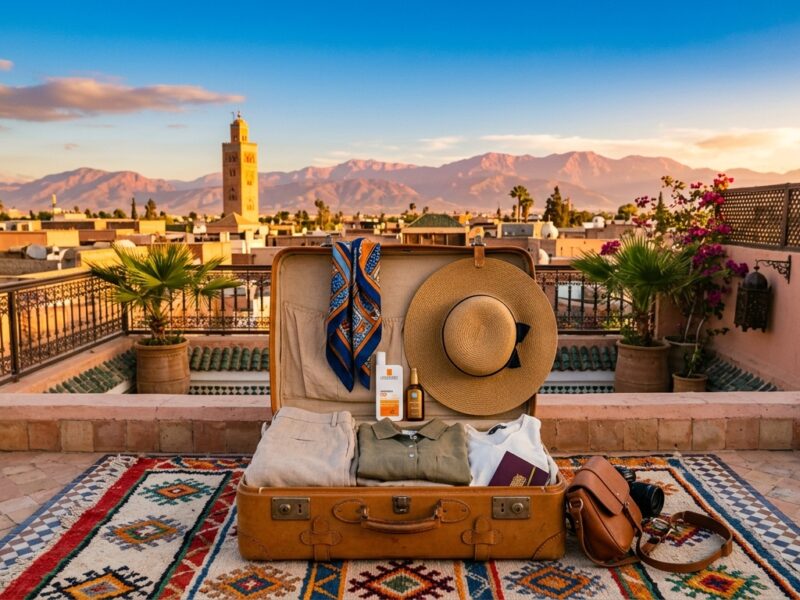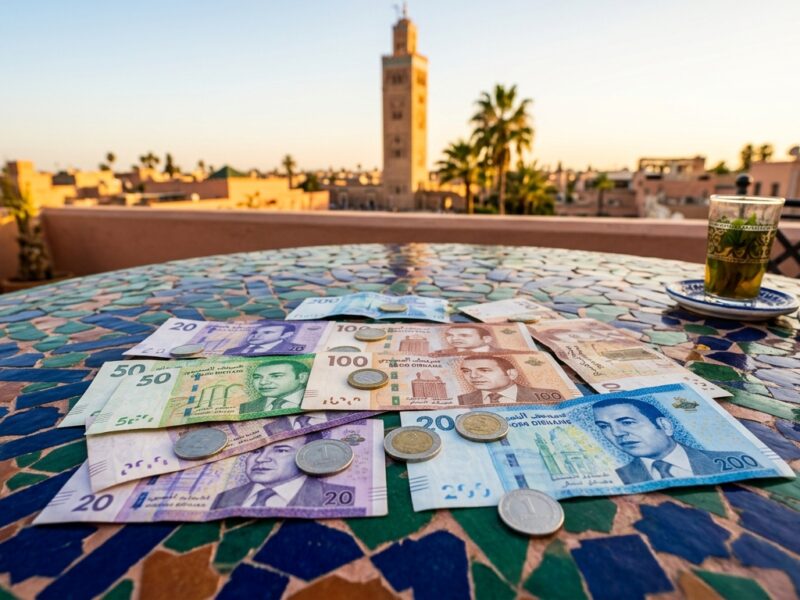
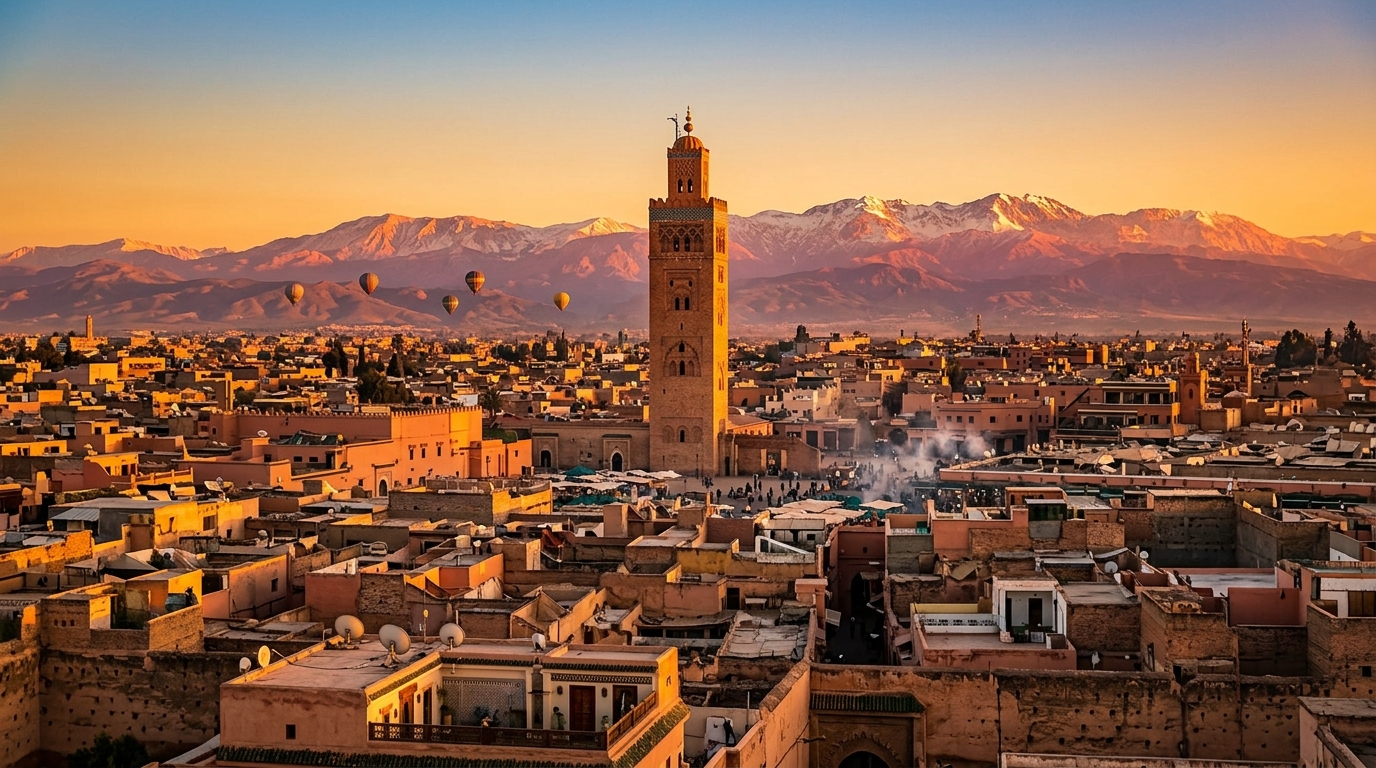
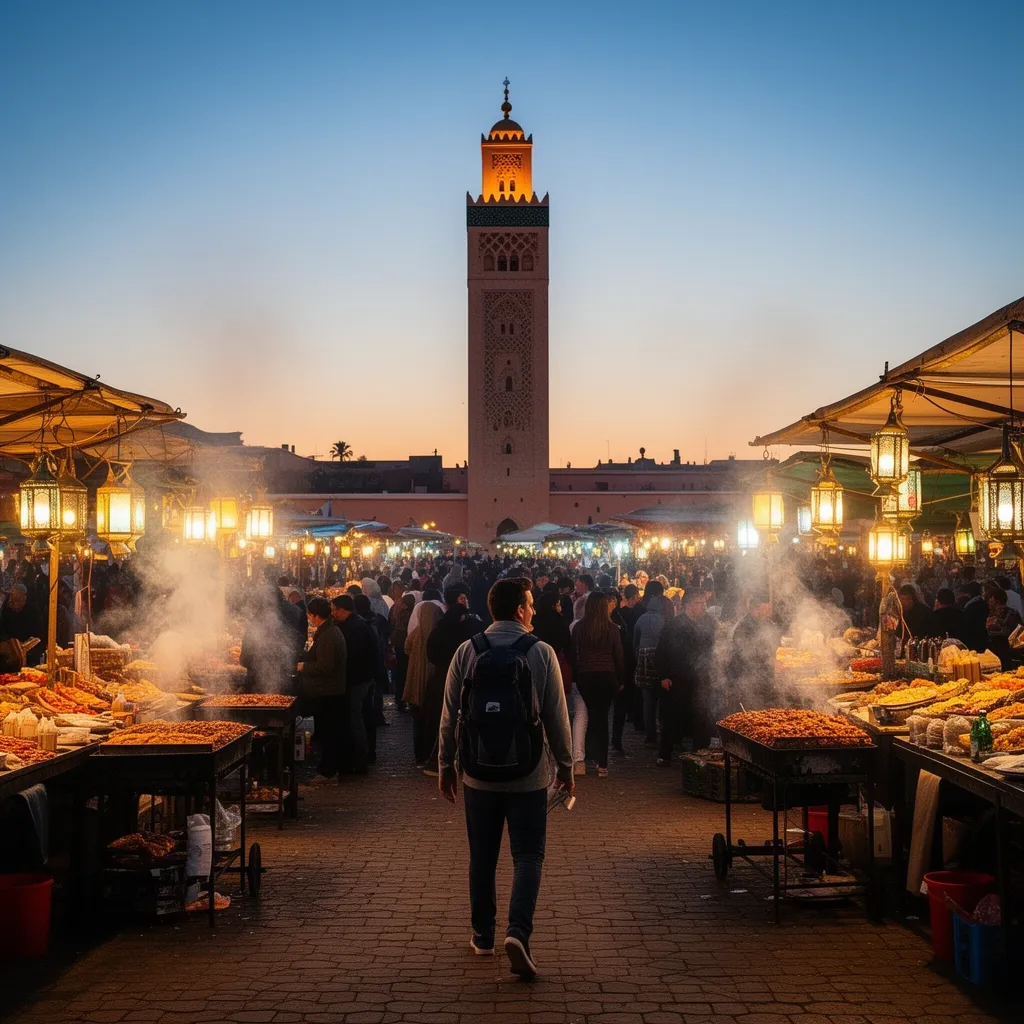
By sunset, Jemaa el-Fnaa has already swallowed the square whole — snake charmers give way to smoke and storytellers, and you understand in about four minutes why 19.8 million people came here in 2026.
Morocco has a magnetic pull that draws millions of travelers each year. In fact, a record 19.8 million tourists visited this North African gem in 2026. But if you’re wondering which part of Morocco is best to visit for your first trip, the choices can feel overwhelming. That’s where this guide comes in. We’ll reveal the best part of Morocco to go to for first-timers, culture lovers, and photographers alike. Spoiler alert: one city is undeniably the #1 tourist attraction in Morocco and the most visited place in Morocco — we’ll explain why.
Key takeaways
Marrakech leads as the most visited place in Morocco with 4.2 million annual visitors and 38% of national tourist nights.
Fes offers the world’s largest car-free medina (9,400 alleys) and the oldest university, ideal for history buffs seeking authenticity.
Chefchaouen’s blue-washed alleys in the Rif Mountains make it the most photographed and relaxing destination.
A 10-day route connecting all three cities by CTM bus or train covers the essential Morocco travel itinerary comfortably.
Spring (March–May) and autumn (September–November) offer the best weather across all three destinations.
Contents
Why These Three Places Dominate Every List
Criteria for selection – cultural significance, tourist infrastructure, unique experiences
These three cities earned their spot for solid reasons. First, they hold deep cultural significance. Fes’ ancient medina is a UNESCO World Heritage site, while Marrakech’s famous Jemaa el-Fnaa square is recognized as UNESCO Intangible Cultural Heritage. Each city represents centuries of Moroccan history — from imperial power in Marrakech and Fes to artistic refuge in Chefchaouen.
Second, they have excellent tourist infrastructure. Marrakech alone welcomed over 2.7 million visitors by July 2026, a 13% increase from the previous year. The Marrakech-Safi region accounted for 38% of all tourist nights in Morocco during 2026. These cities offer plenty of riads, guides, transport links, and English-speaking services.
Third, each destination provides unique experiences you cannot find elsewhere. Marrakech offers chaotic, energy-charged souks and world-class gardens. Fes boasts the world’s oldest university (University of Al Quaraouiyine, founded in 859 AD) and ancient tanneries. Chefchaouen delivers unmatched visual beauty with its blue-washed alleys set against the Rif Mountains. These are truly top Morocco attractions that deserve their fame. And Marrakech, as the #1 tourist attraction in Morocco, leads the pack.
How they answer “which part of Morocco is best to visit?” for first-timers
Let’s address the biggest question directly. These three cities form a perfect triangle covering the north, center, and east of Morocco. You can experience all three comfortably in 10–14 days without feeling rushed.
Here’s how to match your travel style:
- First-timer wanting vibrant culture → Choose Marrakech
- History buff seeking authenticity → Choose Fes
- Photographer or relaxation seeker → Choose Chefchaouen
Even if you only pick one city, each is self-sufficient for a 3–4 day trip. But combining all three gives you the most complete answer to which part of Morocco is best to visit. For many travelers, understanding the best part of Morocco to go to depends on what they want most from their journey.
Marrakech is the easiest entry point with the most flight connections, making it the logical start for a Morocco travel itinerary covering all three cities.
Marrakech – The #1 Tourist Attraction in Morocco
Why Marrakech is the most visited place in Morocco
Marrakech stands uncontested as the most visited place in Morocco. According to Serenity Morocco Tours data, the city receives 4.2 million annual visitors, holding 28.4% market share of all tourist arrivals. The Marrakech-Safi region recorded 16.5 million overnight stays in 2026 — that’s 38% of the national total.
The “Ochre City” delivers sensory overload in the best possible way. At its heart lies Jemaa el-Fnaa, a UNESCO Intangible Cultural Heritage site. Picture snake charmers, orange juice stalls, henna artists, and storytellers filling the square by day. At night, the chaos transforms into a massive open-air restaurant with hundreds of food stalls.
What makes Marrakech special is the contrast between old and new. Within walking distance, you have the 12th-century Koutoubia Mosque — the largest mosque in Marrakech, with its 76-meter minaret visible from across the city — and the chic Majorelle Garden owned by Yves Saint Laurent. Viator describes it as having a “bold blue color scheme, towering palms, gigantic cacti” — it’s one of the city’s most visited attractions. No wonder Marrakech earns its title as the #1 tourist attraction in Morocco.
Must-see sights: Bahia Palace, Majorelle Garden, Koutoubia Mosque
These three sights represent the best of Marrakech:
Bahia Palace: Open daily from 8:00 to 17:00, this 19th-century masterpiece showcases Islamic architecture at its finest. You’ll find intricate zellige tilework, carved cedar ceilings, and lush courtyards throughout. It demonstrates the grandeur of Moroccan craftsmanship.
Majorelle Garden: Created by French painter Jacques Majorelle and later restored by Yves Saint Laurent, this garden features bold cobalt blue buildings contrasted against towering palms and giant cacti. It also houses the YSL Museum for fashion enthusiasts.
Koutoubia Mosque: Built around 1158, its famous minaret inspired the Giralda in Seville. Non-Muslims cannot enter, but the exterior and surrounding gardens are worth visiting. It remains Marrakech’s most famous landmark.
Other highlights include Ben Youssef Madrasa, the Saadian Tombs, and the bustling souks. Atmarrakech recommends a full day for the medina loop: souks to Bahia Palace to Ben Youssef. These are some of the finest top Morocco attractions you’ll find anywhere, earning Marrakech its spot among the top 3 places to visit in Morocco.
Visit Jemaa el-Fnaa at sunset to see the transition from day to night markets. Arrive at Majorelle Garden right when it opens (8:00 AM) to avoid long queues — tickets sell out fast in peak season.
For a deeper dive into every landmark, see our complete guide to Marrakech attractions including Jemaa el-Fna, palaces, gardens, and souks.
Explore Marrakech medina with a local guide:
Powered by GetYourGuide
Pro tips for beating the crowds and enjoying the medina
Want to make the most of your visit? Follow these tips:
- Timing matters: Visit Jemaa el-Fnaa at sunset to see the transition from day to night markets. Arrive at Majorelle Garden right when it opens (8:00 AM) to avoid long queues.
- Navigation help: The medina is a maze. Hire an official guide for a half-day tour of the souks. Bahia Palace and Ben Youssef get crowded by 10:30 AM.
- Local hammam tip: For a “beginner hammam” experience, try Les Bains de l’Alhambra instead of luxury spa riads.
For many travelers, this is the best part of Morocco to go to for a first taste of the country. If you’re arriving by air, our Marrakech airport transfer guide covers all options from taxis to private cars to avoid scams.
Fes – The Best Part of Morocco to Go to for Authentic History
Fes as the spiritual and cultural heart – the ancient medina and tanneries
Fes is Morocco’s oldest imperial city. It’s home to the world’s oldest continuously operating university (University of Al Quaraouiyine, founded in 859 AD). The Fes el-Bali medina is a UNESCO World Heritage site and the world’s largest car-free urban area, with a staggering 9,400 alleys.
Walking through Fes feels like stepping back 1,000 years. Donkey-drawn carts navigate impossibly narrow streets. The air fills with the smell of spices, leather, and cedar wood. Unlike Marrakech, Fes feels less commercialized and more authentic.
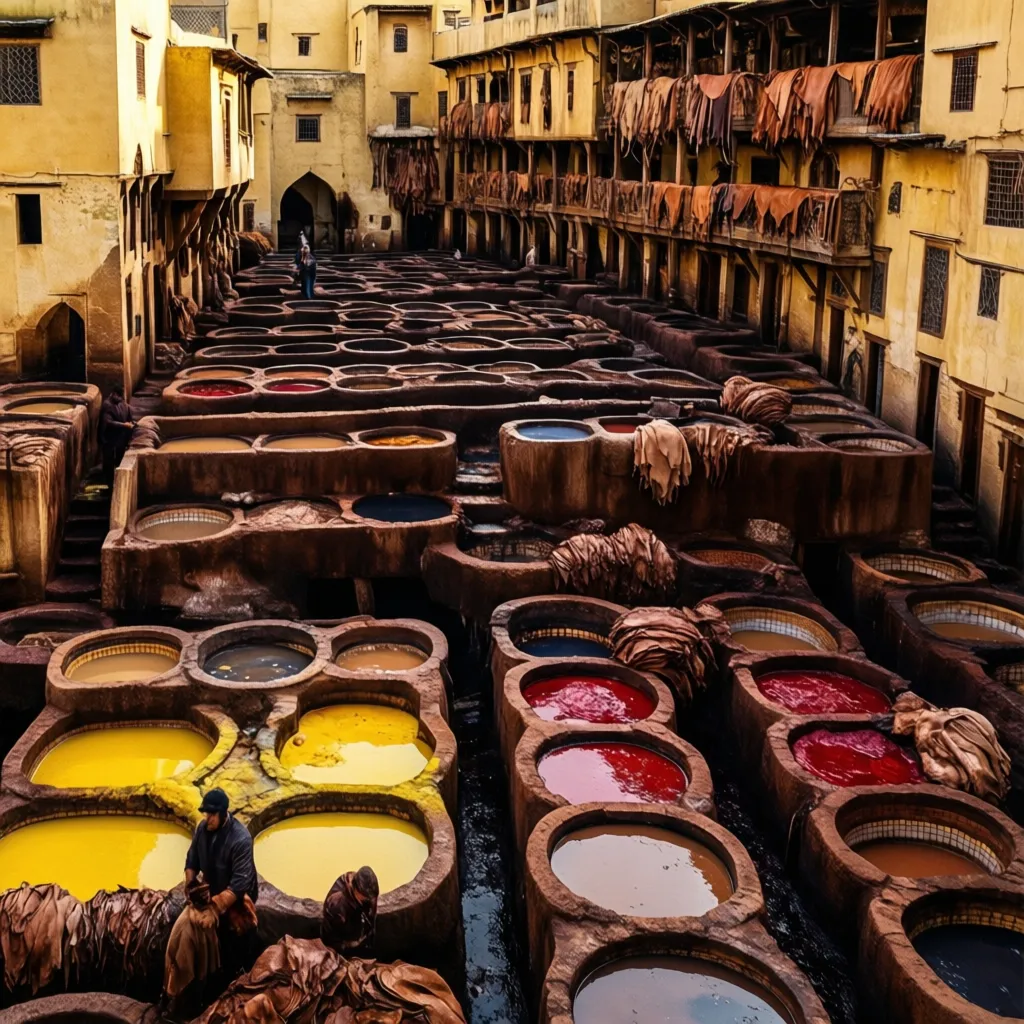
The highlight is Chouara Tannery, dating back to the 11th century. From surrounding terraces, you see hundreds of stone vats filled with vibrant dyes — yellow from saffron, red from poppy, blue from indigo. Workers stand in the vats processing leather using ancient methods. Pro tip: accept a mint sprig to hold under your nose — the curing leather smell is intense.
For those seeking authentic history, Fes is the best part of Morocco to go to. It ranks among the essential top Morocco attractions for anyone wanting depth.
Book a guided tour of Fes medina & tanneries:
Powered by GetYourGuide
Key attractions: Al-Attarine Madrasa, Bou Inania Madrasa, Chouara Tannery
Al-Attarine Madrasa: Built in 1325, this masterpiece of Marinid architecture features intricate stucco work, cedar wood carvings, and zellige tile mosaics. Its small courtyard is considered one of the most beautiful in Morocco.
Bou Inania Madrasa: Built between 1350–1355, this is the only place of worship in Fes that non-Muslims can enter. It features a stunning carved cedar minbar (pulpit) and a large courtyard with onyx columns. Look closely at the intricate bronze work on the doors.
Chouara Tannery: This is the most visited tannery in Fes for its incredible views. From surrounding leather shop terraces, you watch the entire process — from soaking hides in lime to dyeing them in natural colors. The leather goods for sale are high quality, but bargaining is expected.
While Marrakech is the most visited place in Morocco, Fes offers a deeper, less crowded historical experience. Fes won’t compete for the #1 tourist attraction in Morocco, but for cultural immersion, it’s unmatched.
Why history buffs consider Fes the top Morocco attraction for depth
Fes offers incredible educational value. The Qarawiyyin Library is one of the oldest in the world, containing manuscripts from the 9th century. The entire medina is a living museum — every corner reveals a mosque, madrasa, or fondouk (merchant inn) from centuries past.
Here’s the key difference: while Marrakech is about spectacle and energy, Fes is about depth and authenticity. History buffs spend 4–5 days here exploring the medina, while Marrakech often sees shorter 2–3 day visits. That’s why Fes earns its place among the top 3 places to visit in Morocco for any serious traveler.
Chefchaouen – The Blue Pearl, a Top Morocco Attraction for Visual Splendor
What makes Chefchaouen the most photographed city and a top 3 contender
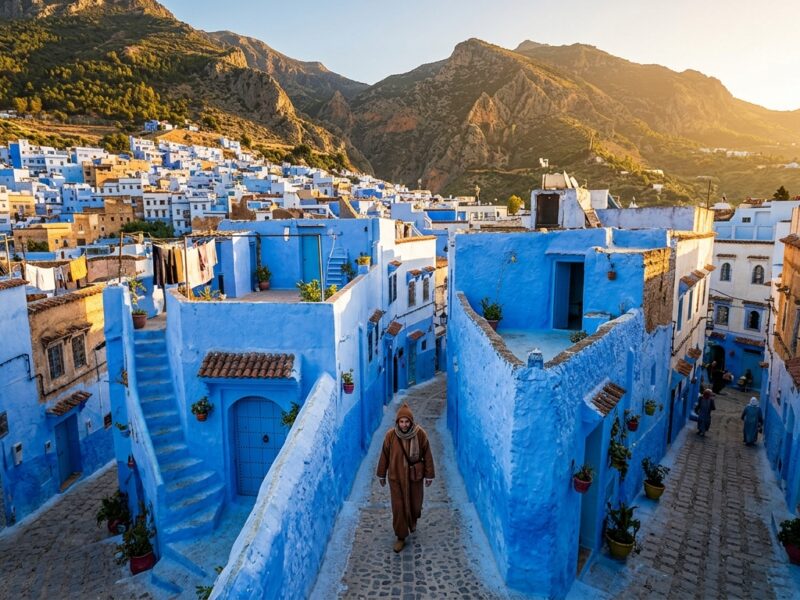
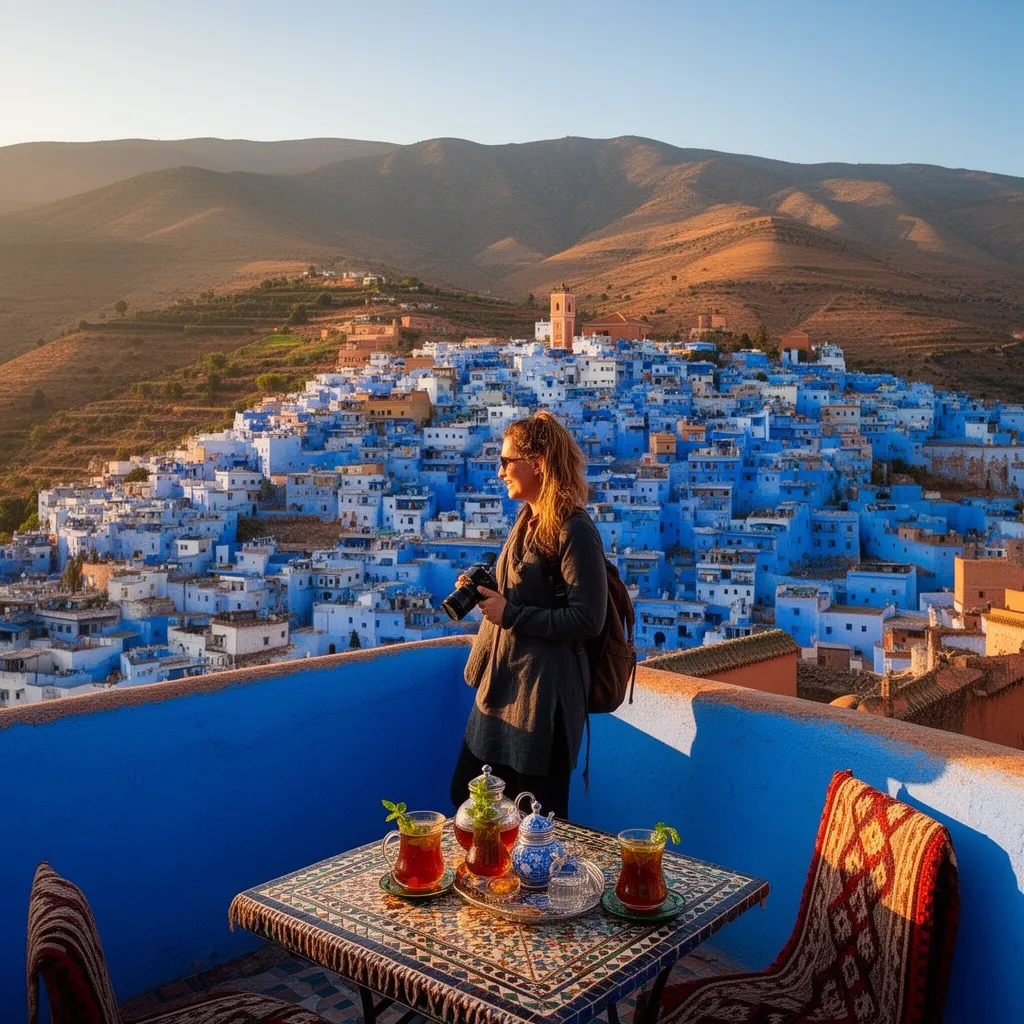
Nestled in the Rif Mountains, Chefchaouen is famous for its blue-washed buildings. Walls, doors, stairs, even flower pots are painted in shades of blue and white. The effect is surreal and photogenic, making it one of the most Instagrammed destinations in Morocco.
The blue tradition dates back to the 15th century when Jewish refugees settled here and painted the walls blue — a tradition continued after they left in the 1950s. The color represents the sky and heaven, and it also keeps mosquitoes away.
Unlike the chaos of Marrakech, Chefchaouen is laidback and serene. The medina is small enough to explore in half a day, with no cars or motorbikes. Locals are known for their friendliness. It’s a perfect detox from the intensity of larger Moroccan cities.
This visual splendor makes it a top Morocco attraction for photographers. For a relaxing escape, this is the best part of Morocco to go to.
Day trip from Fes to Chefchaouen:
Powered by GetYourGuide
Best activities: hiking in the Rif Mountains, exploring blue-washed alleys
Hiking opportunities: The Rif Mountains offer excellent day hikes. The most popular is the walk to the Spanish Mosque — a 30-minute uphill climb from the medina for panoramic views of the blue city at sunset. For more adventurous hikers, Akchour Waterfalls (a 2-hour drive) offers natural pools and dramatic canyon views.
Exploring the medina: The main square (Outa el Hammam) has the Kasbah Museum and restaurants with rooftop terraces overlooking the blue city. The best blue photo spots are along Rue El Khazzemine and Rue Ibn Askar.
Shopping for local crafts: Chefchaouen is known for woven blankets, wool garments, and goat cheese. Unlike Marrakech, the souk is relaxed and bargaining is less intense.
While not the most visited place in Morocco, Chefchaouen has the highest return visitor rate. It may not be the #1 tourist attraction in Morocco, but it’s the number one most photographed destination.
How it compares as the “best part of Morocco to go to” for relaxation and photography
Chefchaouen requires no itinerary — just wander, photograph, and relax. It serves as the perfect “palate cleanser” between busy cities. Most travelers spend 1–2 nights here.
Come in late afternoon for golden hour light on the blue walls. Avoid midday when harsh sunlight washes out the blue. Spring (March–May) offers blooming flowers and perfect hiking weather.
If relaxation and photography are priorities, you’ll wonder which part of Morocco is best to visit — and Chefchaouen is the answer. This completes the top 3 places to visit in Morocco — each offering a different but essential experience.
Which Part of Morocco Is Best to Visit? A Quick Comparison
For first-timers: Marrakech vs. Fes vs. Chefchaouen – pros and cons
Here’s a quick breakdown to help you decide which part of Morocco is best to visit for your travel style:
| Destination | Pros | Cons |
|---|---|---|
| Marrakech | Easiest flight connections, best hotels, most vibrant nightlife, iconic sights | Very crowded, intense street harassment in souks, can feel overwhelming |
| Fes | Deepest historical immersion, most authentic medina experience, fewer tourists, world-class leather goods | Harder to navigate, fewer luxury accommodations, less nightlife |
| Chefchaouen | Most relaxing, stunning photography, friendly locals, cheap accommodations, cool mountain climate | One-day city, no major historical monuments, fewer dining options |
Marrakech is the most visited place in Morocco for good reason — it’s the easiest entry point. But the best part of Morocco to go to depends entirely on your preferences.
How to combine all three in a single itinerary (suggested 10-day route)
Here’s a practical route that hits all top 3 places to visit in Morocco:
Explore Jemaa el-Fnaa, Koutoubia Mosque, Majorelle Garden
Spend your first afternoon in Jemaa el-Fnaa watching the square come alive. Day 2: visit Majorelle Garden at 8:00 AM sharp, then Bahia Palace and Ben Youssef Madrasa. Evening rooftop dinner overlooking the medina.
Nature escape from Marrakech
Choose your adventure: the Atlas Mountains for Berber villages and waterfalls (Ourika Valley, Ouzoud Falls), or Agafay Desert for a rocky lunar landscape with camel rides and sunset dinner. Both are 45–60 minutes from Marrakech.
Book your Atlas Mountains day trip:
Powered by GetYourGuide
Or choose the Agafay Desert sunset experience:
Powered by GetYourGuide
CTM bus (6–7 hrs) or train via Casablanca (8 hrs)
Book a CTM bus for direct comfort (book 2–3 days ahead). Arrive late afternoon, settle into your riad, and take an evening orientation walk near Bab Boujeloud (Blue Gate).
Tanneries at 9 AM, madrasas, medina alleys, Qarawiyyin Library
Day 5 morning: Chouara Tannery at 9:00 AM for best light and fewer crowds. Then Al-Attarine and Bou Inania Madrasas. Afternoon: get lost in the medina’s 9,400 alleys with a guide. Day 6: Qarawiyyin Library (pre-book), Nejjarine Museum, and pottery quarter. Evening: rooftop dinner with medina views.
CTM bus (4 hrs) through Rif Mountains
Morning bus from Fes. Check into your blue-washed riad. Afternoon: wander Rue El Khazzemine and Rue Ibn Askar for the best blue alley photos. Sunset at Outa el Hammam square with mint tea.
Spanish Mosque hike, Akchour Waterfalls (optional), relaxed pace
Morning: 30-minute hike to the Spanish Mosque for panoramic blue city views. Optional: day trip to Akchour Waterfalls (book locally). Afternoon: slow lunch, souvenir shopping (wool blankets, goat cheese), early night.
Bus to Casablanca (5 hrs) + train to Marrakech (3 hrs)
Long travel day. Break it up: CTM bus Chefchaouen → Casablanca (5 hrs), then the Al Boraq high-speed train Casablanca → Marrakech (2h 40m). Book train tickets 2–3 weeks ahead on the ONCF website. Late arrival in Marrakech.
Last-minute souvenirs, airport transfer
Morning: quick souk visit for final souvenirs (see our bargaining tips). Pre-book airport transfer via our taxi guide or Welcome Pickups for stress-free departure.
Each city showcases the top Morocco attractions in different ways, giving you a complete picture of the country. For more detailed day-by-day planning, see our ultimate 10-day Morocco itinerary with Sahara desert options.
Seasonal considerations for each destination
Depending on the season, the answer to which part of Morocco is best to visit changes:
| Destination | Best months | Weather notes |
|---|---|---|
| Marrakech | March–May, September–November | 20–30°C in shoulder seasons; summer tops 40°C+; winter nights can drop to 5°C |
| Fes | April–May, September–October | Cooler than Marrakech in summer (35°C max), colder in winter (5–10°C); Middle Atlas snow can complicate January–February travel |
| Chefchaouen | March–May, September–October | Coolest of the three; pleasant 25–30°C summers; winter can be rainy and cold (5–10°C) with occasional snow on peaks |
Marrakech remains the #1 tourist attraction in Morocco year-round, but summer can be brutal.
Skip the line at Majorelle Garden:
Powered by GetYourGuide
Reserve your spot
Book Your Morocco Experience
Choose from the best tours across Marrakech, Fes, and Chefchaouen — from medina walking tours to desert adventures. Instant confirmation, free cancellation on most experiences.
Instant confirmation
Free cancellation on most tours
Some links on this page earn ComeMorocco a commission at no extra cost to you. It never changes what we recommend. How this works.
Questions
01Which part of Morocco is best to visit for first-timers?
Marrakech is the best entry point for first-timers — it has the most flight connections, easiest navigation, widest range of accommodations, and iconic sights like Jemaa el-Fnaa and Majorelle Garden. Start here, then add Fes and Chefchaouen if you have 10+ days.
02What is the #1 tourist attraction in Morocco?
Jemaa el-Fnaa square in Marrakech is widely considered the #1 tourist attraction in Morocco. It’s a UNESCO Intangible Cultural Heritage site drawing millions annually with its snake charmers, food stalls, storytellers, and nightly transformation into a massive open-air restaurant.
03How many days do I need for the top 3 places in Morocco?
A minimum of 10 days lets you cover Marrakech (3 days), Fes (3 days), and Chefchaouen (2 days) with travel days between. Two weeks is ideal for a relaxed pace including day trips to the Atlas Mountains or Agafay Desert from Marrakech.
04Is Chefchaouen worth visiting or just a photo stop?
Chefchaouen is absolutely worth 1–2 nights, not just a photo stop. Beyond the blue alleys, it offers genuine relaxation, friendly locals, excellent hiking to the Spanish Mosque and Akchour Waterfalls, and a peaceful medina without the harassment common in larger cities. It’s the perfect reset between Marrakech and Fes.
05What is the best time to visit Morocco in 2026?
Spring (March–May) and autumn (September–November) are the sweet spots — pleasant 20–30°C temperatures across all three cities, wildflowers in Chefchaouen, and manageable crowds. Avoid July–August in Marrakech/Fes (40°C+) and December–February in Chefchaouen (rain, cold, possible snow).
06How do I travel between Marrakech, Fes, and Chefchaouen?
CTM buses are the most reliable: Marrakech→Fes (6–7 hrs), Fes→Chefchaouen (4 hrs). Return via Casablanca: Chefchaouen→Casablanca bus (5 hrs) + Al Boraq high-speed train Casablanca→Marrakech (2h 40m). Book CTM 2–3 days ahead; train tickets 2–3 weeks ahead on ONCF. Avoid grand taxis for long distances — less safe and no luggage space.
07Do I need a visa for Morocco in 2026?
Citizens of the US, UK, EU, Canada, Australia, and many other countries can enter Morocco visa-free for up to 90 days. Check our complete Morocco visa requirements guide for your specific nationality. Always verify with the Moroccan embassy before travel as rules can change.
Your Morocco trip
Experience the magic of Morocco’s top 3
From the electric energy of Marrakech’s Jemaa el-Fnaa to the ancient silence of Fes’ 9,400 alleys and the blue-hued dreams of Chefchaouen — these three cities hold the soul of Morocco. Whether you have 4 days or 14, the journey of a lifetime starts with a single booking.