Rural Morocco: 10 Unforgettable Countryside Destinations for Authentic Experiences
Discover authentic Morocco experiences in the countryside. Our guide covers 10 unforgettable rural destinations, cultural insights, and essential travel tips for the journey of a lifetime.
What if the most extraordinary moment of your Morocco trip isn’t inside a medina at all — but under an almond tree in Tafraoute, sharing bread baked in an earthen oven by a family you met an hour ago? Rural Morocco is where travel slows down, connections deepen, and centuries-old traditions still shape every morning. From palm-filled oases in the south to cedar forests in the Middle Atlas and blue-washed villages in the Rif, the countryside offers authentic Morocco experiences that no city tour can replicate.
✦ Key Takeaways
Rural Morocco offers people-first travel far from city crowds, providing unique cultural encounters you won’t find in guidebooks.
Top countryside destinations include Skoura, Tafraoute, Imlil, Chefchaouen, and Asilah — each with distinct character.
Immerse yourself by staying in family-run riads, learning traditional crafts, and sharing home-cooked meals with locals.
Pack modest clothing, plan transportation in advance, and respect local customs for a smoother rural journey.
Sustainable choices directly support local livelihoods and help protect Morocco’s stunning natural landscapes.
Why Choose Rural Morocco? The Unique Charm of the Countryside
Rural Morocco covers a vast mosaic of landscapes beyond the major cities — farmlands threaded with irrigation channels, mountain valleys where mist clings to walnut groves, desert-edge settlements glowing amber at sunset, and coastal enclaves where Atlantic winds carry the scent of salt and thyme. For travelers seeking authentic Morocco experiences, the countryside delivers what urban centers cannot: unhurried encounters with people whose daily rhythms haven’t changed for generations.
This is where you’ll find the real heartbeat of Morocco — not in a curated riad hashtag, but in the sound of a grandmother singing while she kneads dough, or a shepherd pointing out a shortcut through the gorge. Conversations with farmers, artisans, and village guides often become the trip’s defining moments.
💡 Fewer crowds, deeper connections. In rural Morocco, your spending goes directly to small businesses and cooperatives — supporting the very communities that make these experiences possible.
The variety is staggering. You can wake up in a cedar forest near Ifrane, lunch beside a palm-filled oasis in Skoura, and watch the sun set over Sahara dunes — all within a few days. For hands-on cultural immersion, the countryside offers chances to bake bread, weave carpets, press olive oil, and share family-style meals. Explore our full range of Moroccan cultural experiences to plan activities that go far beyond sightseeing.
Many travelers now prioritize sustainable tourism, which aligns perfectly with rural travel — your presence supports local economies while protecting the landscapes and traditions you came to see. Use our Morocco destinations guide to map out villages and regions that match your interests.
Top Destinations for Rural Travel in Morocco
Ready to explore? These destinations deliver nature, craft heritage, and genuine hospitality. Each one earns its place through a distinctive combination of landscape and living culture — not just postcard-pretty views, but places where you’ll be invited inside.
1. Skoura: Palm Groves & Kasbahs
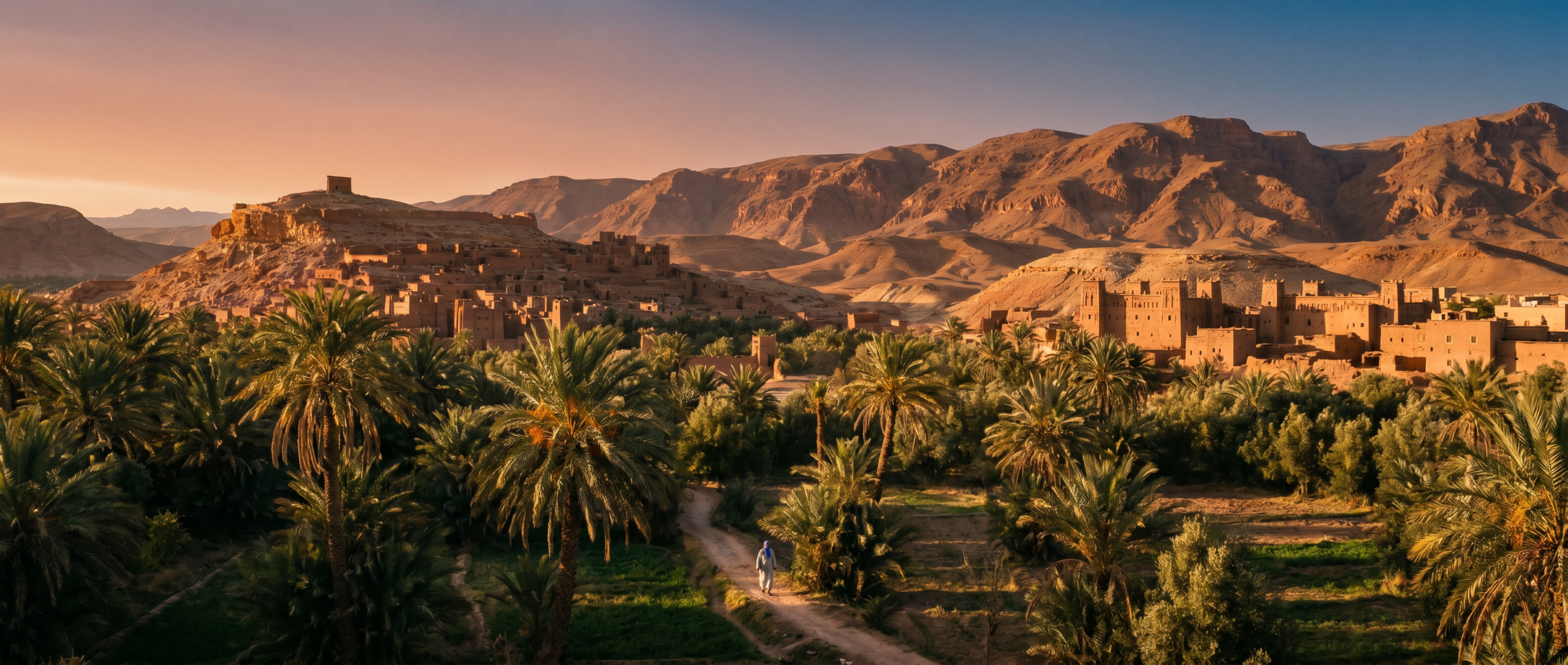
Why go: A living oasis of over 700,000 date palms and crumbling earthen kasbahs — perfect for slow mornings, golden-hour walks along ancient irrigation channels, and understanding how desert agriculture has sustained communities for centuries. Skoura is the kind of place where you can lose an entire afternoon watching light shift across mudbrick walls.
Pair your stay with a cinematic detour on an Ait Benhaddou & Ouarzazate day trip to see iconic ksars and film studios that have doubled as Jerusalem, ancient Egypt, and Westeros.
2. Tafraoute: Anti-Atlas Granite & Amazigh Culture
Why go: Pink-hued boulders the size of houses, almond groves that burst into white blossoms each February, and craft-rich villages where families still produce leather babouches and silver jewelry by hand. Tafraoute balances scenery with culture like few places can.
If you’re basing yourself in Agadir, join an Anti-Atlas villages tour to cross mountain passes and meet local artisans working in copper, stone, and wool.
3. Amezrou (Zagora Region): Desert-Edge Crafts
Why go: Known for centuries of silversmithing and the quiet rhythms of palm oasis life, Amezrou rewards travelers who want to learn the stories behind jewelry motifs and understand how desert communities have thrived at the edge of the Sahara.
Considering a deeper desert leg? Read our Sahara Desert Tours guide for route options, and if time allows, try an overnight camel trek over Erg Chebbi dunes or a 3-day Merzouga desert safari.
Ask your guesthouse in Zagora about visiting a silversmith’s workshop in the mellah (old quarter) of Amezrou. These aren’t tourist setups — they’re family ateliers where four or five generations have worked the same forge. Bring small gifts of tea or sugar as a gesture of appreciation.
4. Ifrane: Cedar Forests & Alpine Air
Why go: Cool forests, spring-fed lakes, and some of the cleanest streets in Africa — Ifrane feels like a different country entirely. It’s ideal for families and anyone who wants easy hikes through stands of ancient Atlas cedar where Barbary macaques swing overhead.
Combine with Azrou’s monkey-filled cedar woods and picnics by mountain streams on an Ifrane & Cedar Forest tour.
5. Imlil: Gateway to Toubkal & High Atlas Trails
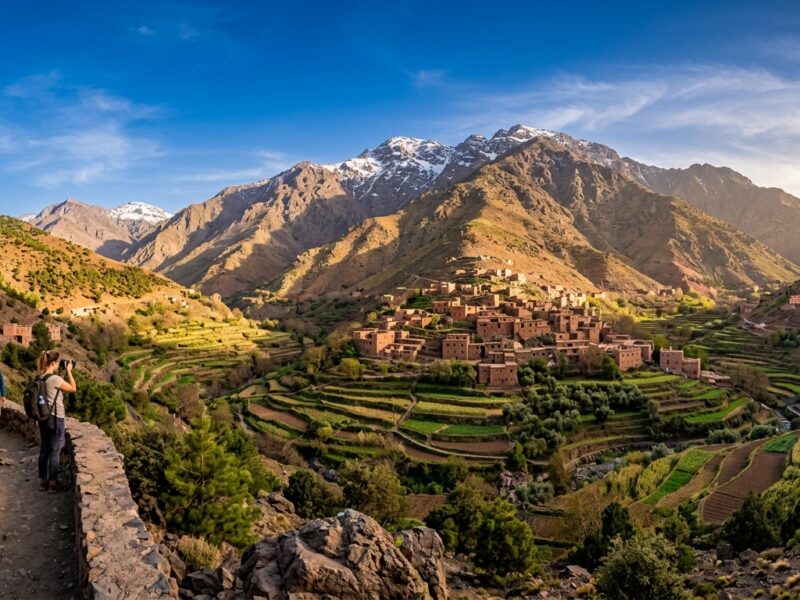
Why go: Berber hospitality meets big-mountain views. Imlil is the staging village for Mount Toubkal treks, but even if you never summit, the walnut-shaded terraces, stone guesthouses, and mule-path walks between hamlets make it a destination in its own right.
Book a 2-day trek through High Atlas villages to sleep in remote gîtes and share dinners of communal tagine with your host family.
6. Chefchaouen: The Blue Mountain Village
Why go: Blue-washed alleys, Rif mountain backdrops, and a mellow pace that makes you forget clocks exist. Photographers adore Chefchaouen, but venture beyond the medina to find surrounding villages where weekly markets and farm visits reward curiosity.
A Chefchaouen Blue City tour covers the essentials, but the magic is in the quiet corners — ask your guide about the abandoned Spanish mosque trail above town for sunset views few visitors see.
7. Asilah: Coastal Calm & Artsy Walls
Why go: Whitewashed lanes, vibrant murals repainted each summer during the arts festival, and Atlantic breezes — Asilah is Morocco’s calmest coastal escape. For more seaside ideas, browse our Best Beaches in Morocco guide.
8. Ourika Valley: Berber Villages & Waterfalls
Why go: Just 45 minutes from Marrakech yet a world apart — terraced villages cling to valley walls beside a rushing river, and the Setti Fatma waterfalls at the valley’s head are a refreshing reward for a moderate hike.
An Ourika Valley, Berber villages & waterfall tour combines trekking, village visits, and cooperative stops into a single day.
9. Ouzoud: Morocco’s Most Spectacular Waterfalls
Why go: Three cascading tiers plunge 110 meters into a canyon filled with olive groves and mist — it’s one of Morocco’s greatest natural wonders. Our dedicated Ouzoud Waterfalls guide has everything you need to plan your visit.
10. Dades & Todra Gorges: Canyon Country
Why go: Sheer rock walls, ribbon-thin roads, and kasbahs perched on cliffs — the gorges of the central High Atlas are pure drama. Todra’s 300-meter-high canyon is a magnet for rock climbers, while Dades rewards road-trippers with the famous “Road of a Thousand Kasbahs.”
Love offbeat places? Don’t miss our guide to unique villages and secret spots across Morocco for even more inspiration.
Authentic Morocco Experiences in the Countryside
Visiting rural Morocco is one thing. Participating in it is another. These hands-on activities turn a good trip into a story you’ll tell for years.
Stay in Family-Run Riads & Guesthouses
Skip the chain hotels. In the countryside, your best options are family-run guesthouses (gîtes), restored kasbahs, and intimate Morocco riads where your host cooks dinner and shares stories by the fire. Browse options on our Morocco hotels page or compare prices across platforms via Hotellook.
Cook with Locals
Nothing connects you to a place like cooking with the people who live there. Join a Berber village cooking class with a hike and home-cooked lunch to learn tagine technique from scratch, or try an Agadir cooking class day trip that includes market shopping and traditional bread-baking. For a deeper dive, explore our Moroccan cooking classes guide.
Trek & Waterfall-Hop
The Atlas Mountains and their foothills are laced with trails connecting villages, waterfalls, and high-altitude pastures. An Ourika Valley & Berber villages day tour is perfect for a taste, while the classic Ouzoud Waterfalls guided hike includes a boat trip at the base of the falls.
Desert Nights Under Saharan Stars
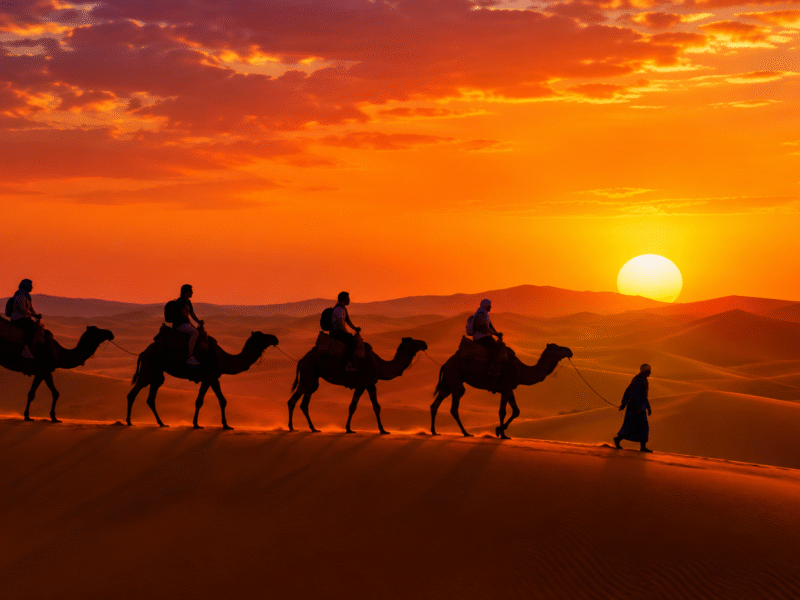
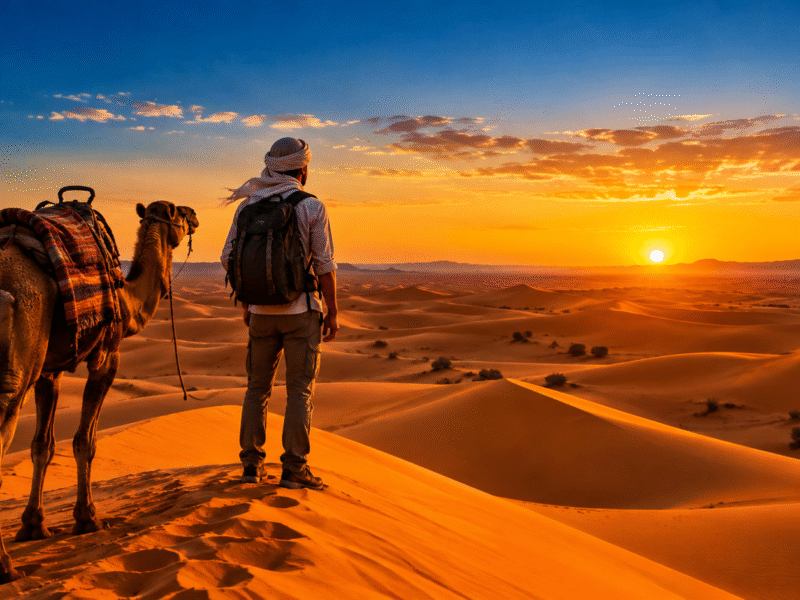
Sleep under a canopy of stars on an overnight camel trek from Merzouga, or join a shared 3-day Marrakech–Merzouga desert tour that covers the full Sahara experience, from dune sunsets to Gnaoua drum circles around the campfire.
Craft & Cooperative Visits
Watch master weavers at their looms, potters shaping clay on kick-wheels, and women cracking argan nuts in cooperatives — and learn how rural economies thrive through these centuries-old crafts. Buying directly from artisans ensures your money stays in the community.
If you’re eyeing big treks, save our Atlas Mountains trekking guide and browse Morocco’s top landscapes for route inspiration.
Practical Tips for Rural Travel in Morocco
A little preparation makes the difference between a frustrating journey and a transcendent one. Rural Morocco doesn’t have the infrastructure of Marrakech or Casablanca — and that’s precisely the point. Here’s how to navigate it smoothly.
Transportation
Start with our countrywide Morocco Transportation 2026 guide to compare every option. For rural areas, shared taxis (grands taxis) are the backbone — our Taxi Services guide covers fares, etiquette, and how to spot the right vehicle.
For maximum flexibility in remote regions, self-driving is hard to beat. See our Renting a Car in Morocco guide, then compare rates on Localrent or QEEQ. Trains are excellent for major city hops before heading rural — check our Trains Travel guide.
Grand taxis leave when full (usually 6 passengers), not on a schedule. Arrive early at the taxi stand, ask for your destination clearly, and carry small bills — drivers rarely have change for 200 MAD notes.
Accommodation
Choose riads, homestays, or eco-lodges to keep your spending local. Start with our Morocco hotels page or compare across platforms on Hotellook. Book early for festival seasons and popular trekking windows (spring and autumn fill fast in the Atlas).
Infrastructure & Connectivity
Expect basic facilities in some villages — limited Wi-Fi, patchy ATMs, and electricity that may run on a generator schedule. Stay connected with an eSIM from Airalo so you’re not reliant on guesthouse Wi-Fi for maps and translation apps.
Packing Essentials
Modest layers (shoulders and knees covered), a versatile scarf, and serious sun protection are non-negotiable. Check our Moroccan Dress guide for detailed tips. Add hiking shoes, a reusable water bottle, a small first-aid kit, and plenty of cash in small denominations for markets and tips.
📌 Planning note: Rural ATMs can be unreliable or non-existent. Withdraw enough cash in the last major town before heading into the countryside — 500–1,000 MAD per day is a safe estimate for budget travelers.
Respectful Travel
Learn basic greetings (“Salam Alaikum”), always ask before photographing people, and follow village etiquette — your hosts will notice and appreciate the effort. Carry a small gift of tea or sweets when invited to homes.
Safety & Health
Know the nearest clinic or pharmacy and keep essential medications handy. Our Health Tips for Morocco Travel guide covers food and water safety, while the Morocco Safety Travel Guide 2026 has comprehensive information on insurance and emergency contacts. Filtered or bottled water is always the safest choice.
Budgeting
Rural Morocco is remarkably affordable, but planning helps. Use our Morocco Travel Cost guide, Morocco on a Budget guide, and money-saving tips to stretch your dirham further without sacrificing experience.
Cultural Insights: Hospitality & Everyday Life
Hospitality sits at the absolute center of rural Moroccan life. Expect invitations for mint tea, shared dishes, and curious conversations that start with “Where are you from?” and end hours later with an invitation to tomorrow’s family lunch.
Daily Life & Customs
Communal meals are shared around a single dish, eaten by hand with bread — tearing pieces from the section directly in front of you, never reaching across. Explore the flavors in our Best Moroccan Dishes guide. Weekly market days (souks) double as social gatherings where neighbors catch up, livestock changes hands, and seasonal produce arrives by mule.
Friday prayers and seasonal festivals structure the rhythm of the week and year. During Ramadan, rural villages take on a particularly contemplative quality — and the iftar meals after sunset are some of the most generous you’ll ever share.
Never refuse the first glass of mint tea — it’s a sign of welcome and friendship. Three glasses is traditional: the first is “gentle as life,” the second “strong as love,” the third “bitter as death.” Accepting at least one is the polite minimum.
Language Tips
Darija (Moroccan Arabic) basics will open doors everywhere. In the Atlas and Rif, Amazigh (Berber) languages are widely spoken. French remains common, especially among older generations. Even a stumbling “Labas?” (How are you?) earns genuine warmth.
A little cultural curiosity goes a long way — it’s your passport to deeper, more rewarding encounters throughout rural Morocco.
Sustainable & Responsible Travel in Rural Morocco
Choosing activities and stays that benefit locals while protecting the land isn’t just ethical — it’s what makes rural travel meaningful. Here’s what responsible travel looks like in practice.
Direct Community Impact
- Spend at cooperatives and markets — buy argan oil, woven textiles, and ceramics directly from the people who made them.
- Hire village guides — local knowledge is irreplaceable, and your fee supports families.
- Choose low-impact outings — hiking, farm visits, and waterfall hikes leave a lighter footprint than motorized tours. Try an Ourika Valley & Berber villages day out for a model example.
- Stay in eco-minded lodgings — browse options on our hotels page.
Simple Habits That Matter
- Pack out all trash, carry a reusable bottle, and tread lightly on trails.
- Use water and electricity sparingly — many villages rely on wells or solar panels.
- Observe wildlife (Barbary macaques, eagles, chameleons) from a distance.
- Respect sacred spaces — ask before entering rural mosques, shrines, or cemeteries.
🌿 Eco-friendly travel in Morocco isn’t complicated. Every dirham you spend locally, every refillable bottle you carry, and every guide you hire from the village you’re visiting makes a tangible difference.
Reserve Your Spot
Book Your Rural Morocco Experience
From Atlas Mountain treks to desert overnights and village cooking classes — choose the experience that speaks to you. Instant confirmation and free cancellation on most activities.
Frequently Asked Questions
Everything you need to know before heading into Morocco’s countryside
✦ Your Morocco Journey Starts Here
The Countryside Is Calling — Answer It
Rural Morocco invites you to slow down, share tea, and learn by doing. Whether it’s a trek from Imlil, a craft lesson in Amezrou, or an oasis sunrise in Skoura, the countryside rewards curious, considerate travelers with truly unforgettable experiences. Start planning with our Hidden Gems guide, the Atlas Mountains Trekking guide, and the Sahara Desert Tours guide.