From Sahara sunrise camel treks to Atlantic surf sessions in Essaouira, Morocco’s magic shifts with the seasons—here’s exactly when to go for your perfect trip.
Imagine wandering through the winding streets of a Fes medina, watching the sunset paint the Sahara dunes in shades of gold, or feeling the cool Atlantic breeze in Essaouira. Morocco is a land of incredible variety—from snow-capped mountains to sandy beaches, from busy cities to quiet deserts. With so many different landscapes, determining the best time to visit Morocco depends heavily on what you want to experience. Many travelers wonder, “When should I go?” The answer isn’t simple because Morocco has multiple climate zones. This guide breaks down Morocco weather by month, seasonal crowds, pricing, and key events. Whether you care about the best month to travel to Morocco, the cheapest month to visit Morocco, or how to find Morocco travel packages deals, this post has you covered. Let’s find your perfect travel window.
Key takeaways
March–May and September–November offer the ideal balance of comfortable weather, moderate crowds, and good value across all regions.
January is the cheapest month to visit Morocco, with package deals from $849 land-only, though nights are cool and some mountain passes may close.
October is widely considered the single best month—26°C in Marrakech, perfect desert camping temperatures, and clear skies nationwide.
Book peak season (June–August, holidays) 4–6 months ahead; shoulder season 3–4 months; low season just 1–2 months or last-minute.
Ramadan 2026 falls February–March—expect shorter daytime hours but festive evening iftar experiences; Eid al-Adha likely in May.
Contents
Understanding Morocco’s Diverse Climate & Travel Seasons
Morocco’s Five Distinct Climate Zones
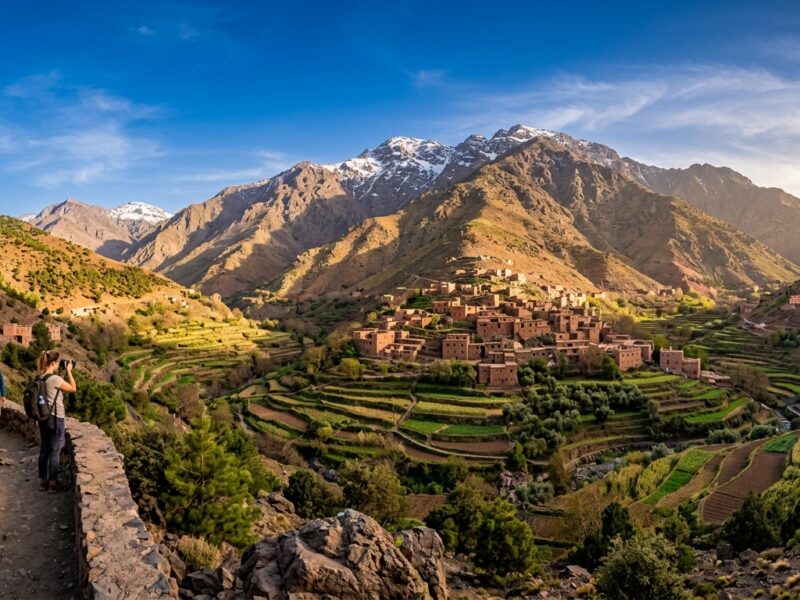
Morocco doesn’t have one climate—it has five. The Atlantic coast (Essaouira, Casablanca) enjoys mild, humid conditions year-round. The inland imperial cities (Marrakech, Fes) are semi-arid with scorching summers and mild winters. The High Atlas Mountains experience cold winters with snow and pleasant summers. The Sahara Desert has extreme temperature swings—blazing days and freezing nights. The Mediterranean north (Tangier, Chefchaouen) enjoys a Mediterranean climate with rain in winter. This variety explains why the best time to visit Morocco changes based on your plans. What’s perfect for a beach holiday may be unbearable for desert trekking. Understanding Morocco weather by month helps you choose wisely.
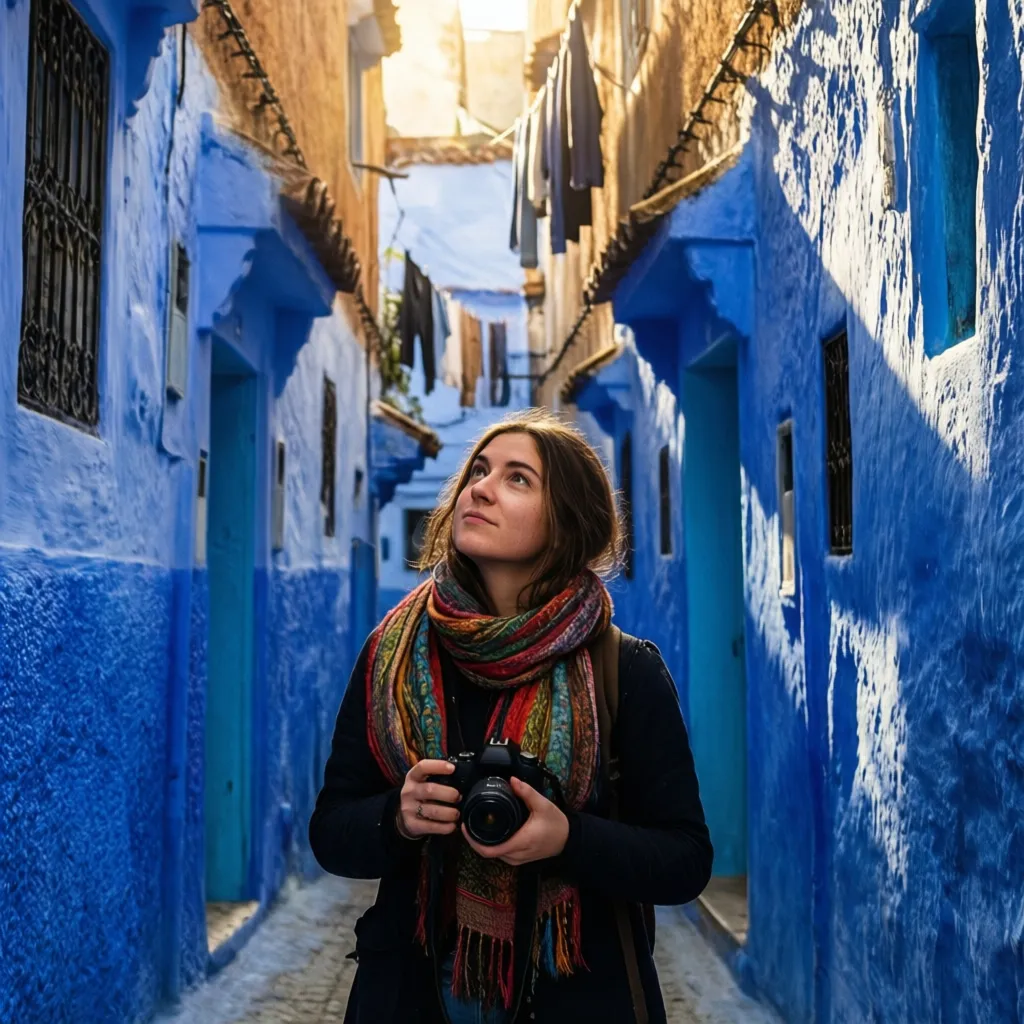
The Atlantic coast stays pleasant even in summer thanks to ocean breezes, while inland cities like Marrakech and Fes can hit 37–38°C (99–100°F) in July and August. The Sahara regularly exceeds 50°C. Meanwhile, the High Atlas sees snow from December through March, with ski operations at Oukaimeden. This microclimate diversity means you can chase eternal spring somewhere in Morocco any month of the year—if you know where to go.
Pro tip: If your itinerary spans multiple regions, shoulder season (April–May, September–October) is the only time you’ll find comfortable temperatures everywhere simultaneously—coast, cities, mountains, and desert.
The Three Main Travel Seasons
Morocco peak season runs from June to August (summer heat plus European holidays) plus Christmas/New Year and Easter. You’ll find the highest prices, largest crowds, and a vibrant atmosphere—but extreme heat inland. The shoulder season spans March to May and September to November (sometimes including early December). This is the sweet spot for most travelers. Multiple sources from Lonely Planet to Intrepid Travel agree these months offer the best balance of comfortable weather, moderate crowds, and good value. During Morocco peak season, prices soar and attractions get packed. The low/off-peak season runs from December to February (excluding holiday spikes). You’ll find the lowest prices and fewest tourists, but cooler temperatures and some mountain passes may close.
Best Month to Travel to Morocco – By Travel Style
For Cultural Sightseeing & Moderate Temperatures (Spring & Autumn)
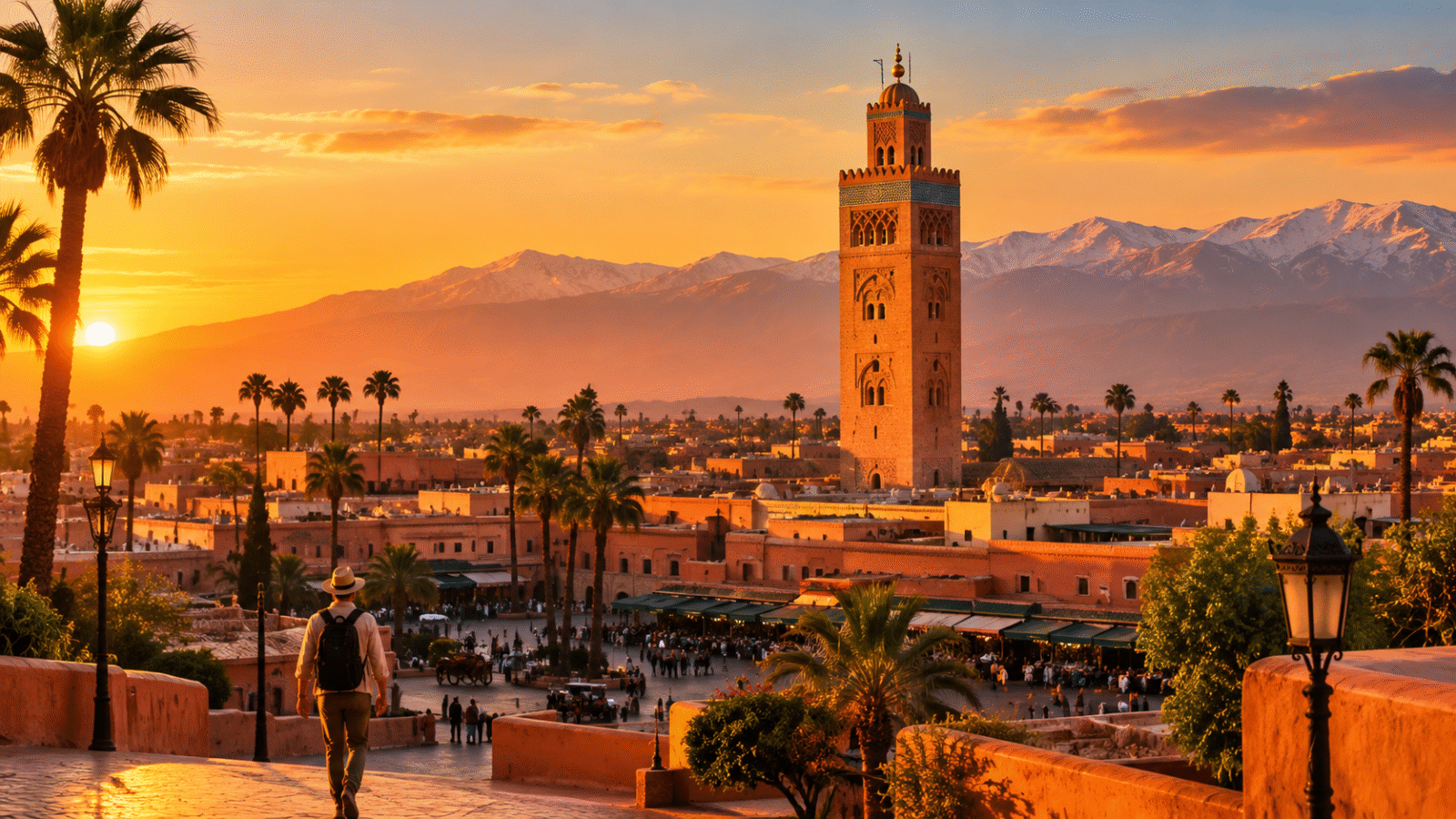
The consensus from all major travel resources—Fora Travel, Royal Caribbean, Gateway2Morocco, and Enchanting Travels—is that April, May, October, and early November are the best month to travel to Morocco for city exploration. Daytime temperatures in Marrakech and Fes range from 18–25°C (64–77°F) in these months. That’s comfortable for walking medinas and visiting historical sites. Nights stay cool. The landscape turns green in spring, and autumn offers golden light for photos. Festivals add extra magic. April has the Rose Festival in El Kelaa M’Gouna. May features the Fes Festival of World Sacred Music. October hosts the Date Festival in Erfoud. For most travelers, the best month to travel to Morocco is May when spring blooms peak and crowds haven’t fully arrived.
Want to dive deeper into the imperial cities? Our Morocco Imperial City Tours guide covers Marrakech, Fes, Meknes, and Rabat with recommended itineraries for cultural exploration.
For Beach Lovers & Coastal Relaxation
June, July, August, and September are ideal for the Atlantic coast (Essaouira, Agadir, Taghazout). Coastal temperatures stay pleasant in the mid-20s°C (mid-70s°F) thanks to ocean breezes. However, summer inland is extremely hot—37–38°C in Marrakech and up to 50°C in the desert. Research from Exploramorocco notes that Essaouira can feel comfortable on the same day Merzouga feels life-threatening. Remember that summer is Morocco peak season, so prices for coastal resorts are higher. If you love beaches and don’t mind sharing them with crowds, this is your time.
For surfing, Taghazout delivers consistent Atlantic swells year-round, but September–April brings the best conditions. Summer mornings are glassy; winter afternoons can be epic. Check our Essaouira destination guide for spot details and camp recommendations.
For Desert Adventures & Festival Enthusiasts
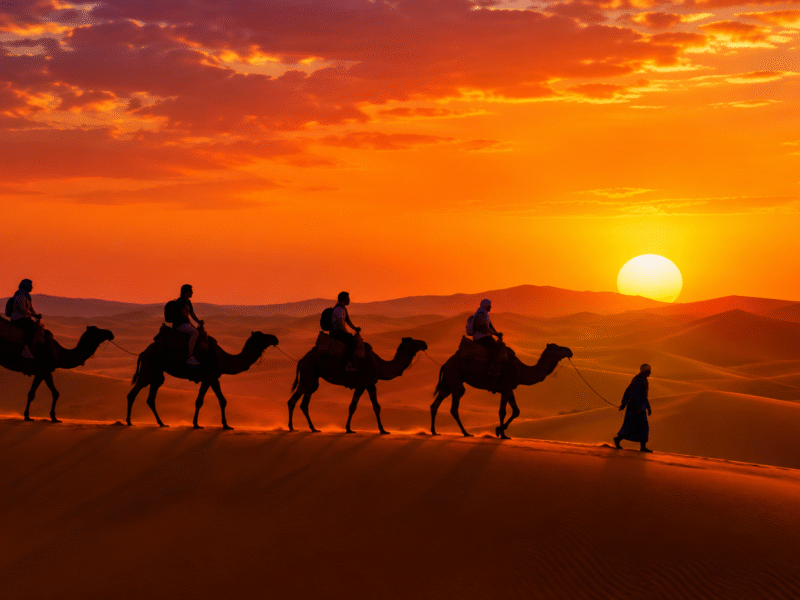
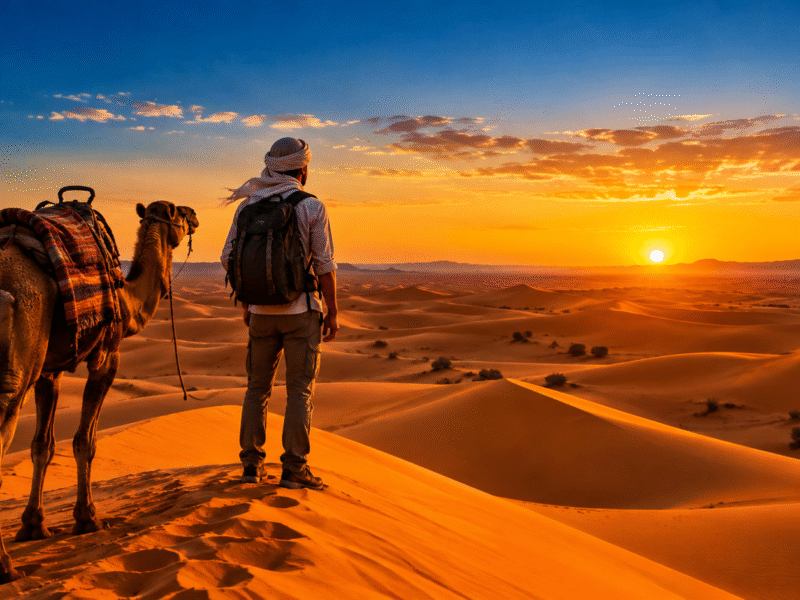
The best months for Sahara trips are March, April, October, and November. Days are warm (20–25°C) and nights are cool but not freezing. Avoid July and August for desert camping due to extreme heat. For hiking the High Atlas, aim for May, June, September, and early October. Snow melts by late spring, making passes accessible. If camel trekking and desert camping are priorities, the best month to travel to Morocco is October when temperatures are ideal and starry nights are clear.
For the ultimate desert experience, see our Desert Camping guide comparing camp quality, operator integrity, and route differences that most websites don’t tell you.
Cheapest Month to Visit Morocco – Budget Travel Tips
Low Season Months: January, February, November, December (Excluding Holidays)
The cheapest month to visit Morocco is January, closely followed by February. These months consistently offer the lowest flight and accommodation rates. November (after autumn shoulder season) and December (excluding Christmas/New Year week) are also budget-friendly. Multiple sources—Kayak, Travelocity, Expedia—show package deals starting as low as $1,204 for this period. Gate1Travel offers 8-day “Essential Morocco” packages from $849 land-only in these months. The reason is simple: fewer tourists mean lower demand, so airlines and hotels slash prices. If you want the cheapest month to visit Morocco, aim for January.
Trade-offs of Traveling in the Cheapest Months
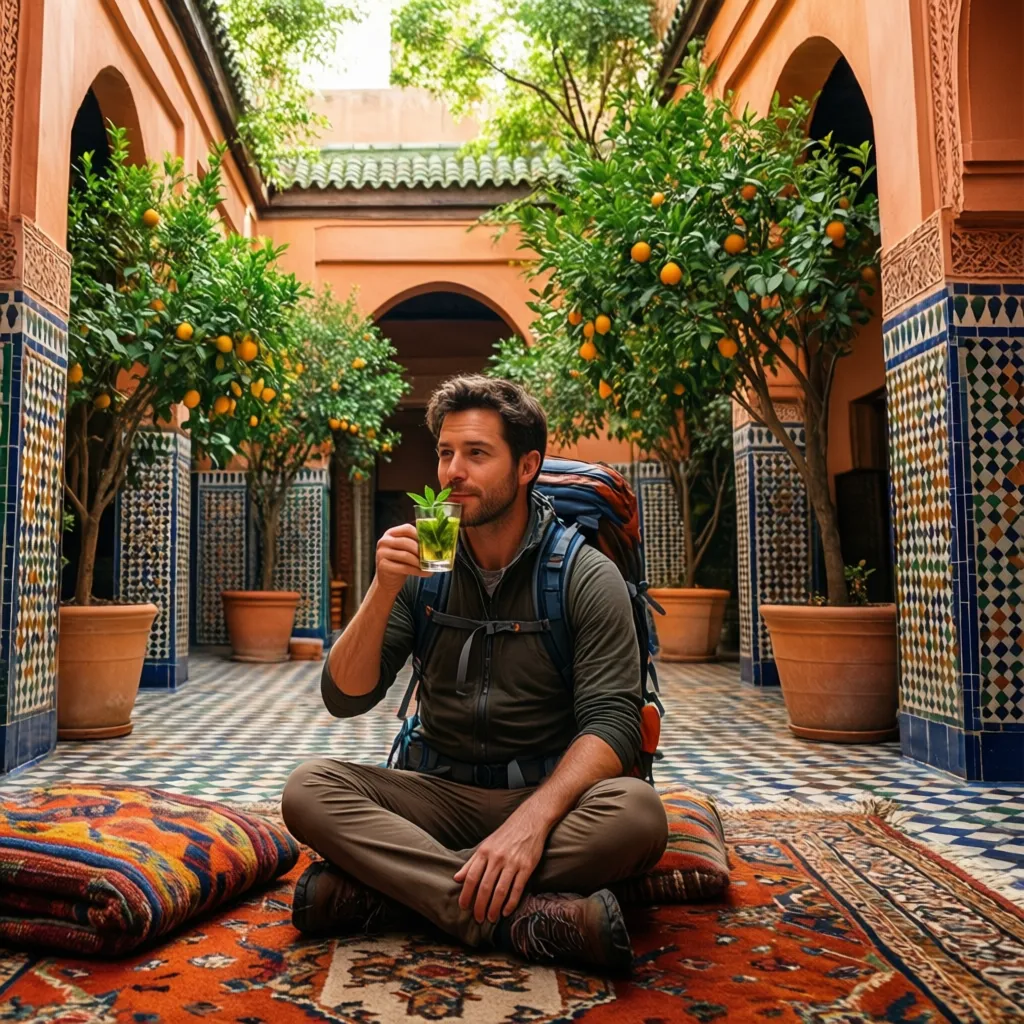
Traveling in the cheapest months comes with trade-offs. January highs in Marrakech are around 18°C (64°F), and nights drop to 7°C (45°F). Coastal cities like Essaouira can be windy. Snow may close some High Atlas passes. However, you’ll find fewer crowds at attractions—perfect for photographers and those who prefer quiet medinas. Some mountain trekking routes may be inaccessible, and some seaside restaurants close in winter. But cultural sites like mosques, museums, and palaces are open year-round. Winter sun is still warm enough for outdoor dining in Marrakech. The cheapest month to visit Morocco gives you authentic experiences without the crowds.
How to Maximize Value in Low Season
Combine low-season travel with Morocco travel packages deals. Tour operators offer discounts to fill spots. Look for “last-minute” or “early bird” deals. Book 2–3 months ahead for the best rates in low season—that’s a shorter window than peak season, which requires 3–6 months. Check our Marrakech destination guide for 7-day, 10-day, and 14-day itinerary breakdowns to match your budget and timeframe.
Money-saving insight: Low season (Jan–Feb) + shoulder season pricing strategy (book 2 months out) = maximum savings. You’ll pay 40–60% less than July–August rates for comparable quality.
Morocco Weather by Month – A Complete Breakdown
January & February – Cool Winters, Fewer Crowds
Morocco weather by month starts with cool, rainy conditions in the north (Tangier, Chefchaouen). Marrakech sees mild days at 18°C (64°F) high and 7°C (45°F) low. Snow is possible in the High Atlas—great for skiing in Oukaimeden. The Sahara desert has warm days around 20°C but very cold nights near 0°C. Best for city culture, budget travel, and winter sports. Some trekking routes may be closed.
March & April – Spring Blooms, Shoulder Season
Morocco weather by month warms up quickly in spring. Marrakech reaches 22–25°C (72–77°F). Lush green landscapes, almond blossoms, and wildflowers in the Atlas create stunning scenery. Occasional rain showers occur. Best for hiking, photography, and cultural touring. Easter week can spike prices. April is widely considered one of the best months, according to ExperienceItTours research.
May – Warmth & Sunshine, Peak Spring
Morocco weather by month shows little rain nationally in May. Marrakech hits 28°C (82°F). Perfect for the coast and mountain trekking. The desert offers comfortable 30°C days with cool nights. Best for everything—hiking, cities, deserts. Morocco peak season begins to build toward June. The Fes Festival typically occurs in late May or early June.
June – Start of Peak Season
Morocco weather by month brings Marrakech to 35°C (95°F). The coast stays pleasant at 25°C. The desert reaches 40°C days. Long daylight hours make sightseeing possible early and late. Best for beach holidays and high-altitude hiking. City sightseeing becomes uncomfortable midday. Morocco peak season prices kick in.
July & August – The Hottest Months
Morocco weather by month peaks in heat. Marrakech hits 37–38°C (99–100°F). The desert exceeds 50°C. The coast remains 26–28°C. This is the core of Morocco peak season due to European holidays. Best for coastal resorts like Agadir and Essaouira. Avoid inland cities unless you love extreme heat. Research from Responsible Travel and Reddit advises families to avoid these months due to heat. Ramadan may fall during these months in some years.
If you must travel inland in July–August, plan all outdoor activities before 10 AM or after 6 PM. Stay in riads with pools or AC. Hydrate constantly—carry 2L+ water daily. Many locals shift to nocturnal schedules; follow their lead for a more authentic (and bearable) experience.
September – Golden Shoulder Season
Morocco weather by month shows summer heat lingering but becoming bearable. Marrakech reaches 32°C (90°F) early September, then drops. Sea temperatures are at their warmest. Best for beach trips, desert adventures, and cultural tours as crowds thin after August. This transition month sees prices start dropping from peak highs.
October – Ideal Month
Morocco weather by month in October is just right. Marrakech sits at 26°C (79°F). Perfect temperatures everywhere with clear skies. The desert offers 28°C days and 12°C nights—ideal for camping. Best for any activity. Multiple sources—Lonely Planet, Skyscanner, Jacada Travel—call this one of the absolute best periods.
November & December – Cool Down, Holiday Cheer
Morocco weather by month in November sees Marrakech at 22°C (72°F) with increasing rain. December drops to 18°C (64°F), colder at night. Snow returns to the Atlas Mountains. Christmas and New Year spike prices. Best for budget travel (except holidays), festive markets, and photography.
Morocco Peak Season vs. Off-Peak – Pros & Cons
Peak Season (June–August, Christmas/New Year, Easter)
Morocco peak season offers a vibrant atmosphere, long daylight hours, and all attractions open. Coastal weather is perfect, and festivals are in full swing. However, Morocco peak season brings extreme inland heat—37–38°C in Marrakech. Prices for flights and hotels are high. Medinas and attractions become crowded. During Morocco peak season, you need to book well in advance and expect higher costs.
Shoulder Season (March–May, September–November)
Shoulder season offers the best weather balance—18–28°C across most regions. You’ll find moderate crowds, reasonable prices, and green landscapes in spring. Some mountain passes may still be snowed in early March, and September can still feel warm. Research from multiple sources—Gateway2Morocco, Intrepid, Fora Travel—all agree shoulder season is the sweet spot for most travelers.
Off-Peak (December–February)
Off-peak season gives you the lowest prices, uncrowded sites, and authentic winter experiences like snow sports. This is when you’ll find the cheapest month to visit Morocco. However, cold nights require warm clothing. Some coastal restaurants close, and high-altitude trekking is limited. If you don’t mind cooler weather, this is a great time to save money.
Shoulder season isn’t a compromise—it’s the sweet spot where Morocco shows its best self: comfortable everywhere, authentically lively, and still affordable.
ComeMorocco editorial team
When to Book Morocco Packages – Timing & Best Deals
Best Booking Windows for Morocco Travel Packages
Knowing when to book Morocco packages saves you money. For peak season (June–August, holidays), book 4–6 months in advance. Research from Getours suggests 3–6 months for shoulder and peak seasons. For shoulder season, book 3–4 months ahead. Kayak shows packages from $71 for 3-night trips in spring. For low season, you can book 1–2 months ahead or even last-minute for the best deals. Understanding when to book Morocco packages helps you lock in lower rates.
How to Spot the Best Morocco Travel Packages Deals
Look for early-bird discounts when you book 6+ months ahead for escorted tours. Last-minute flash sales and group discounts also save money. Check tour operators like Gate1Travel ($849 land-only for 8-day essentials), TourRadar for multi-day tours, and Expedia or Travelocity for flight+hotel bundles. Package types include guided tours (all-inclusive, ideal for first-timers), private itineraries (flexible, for experienced travelers), and all-inclusive resorts (for beach-focused trips). Smart shoppers find Morocco travel packages deals by comparing options and booking strategically.
Shoulder Season Sweet Spot for Value
Booking for April, May, October, or November gives the best weather-to-cost ratio. You get near-perfect conditions at 70–80% of peak prices. If you’re flexible on dates, aim for a Morocco travel packages deals departing in early November—the weather is still lovely but summer crowds have vanished. This is the sweet spot for value hunters.
Planning note: For 2026 travel, shoulder season packages (April–May, September–October) typically open for booking 10–12 months out. Set alerts now for early-bird pricing—operators release inventory in waves.
Planning Your Morocco Travel 2026 – Key Dates & Events
Major Festivals & Cultural Events in 2026
Planning Morocco travel 2026 means knowing the key events. The Fes Festival of World Sacred Music typically occurs in late May or early June. World-class music fills historic venues—book lodging well in advance. The Marathon des Sables, an ultra-marathon in the Sahara, usually happens in April. Spectators can combine it with desert tourism. The Rose Festival in El Kelaa M’Gouna takes place in early May, celebrating the valley of roses harvest with parades and markets. Moussems (local festivals) occur throughout the year—ask about timing when booking Morocco travel packages deals. These events make Morocco travel 2026 extra special.
Ramadan & Public Holidays in 2026
Ramadan 2026 will likely fall in February–March (verify closer to writing). During Ramadan, many restaurants close during daylight, and attractions have shorter opening hours. However, evening meals (iftar) are festive and special. Eid al-Adha will likely occur in May 2026. This major family holiday means some businesses close for 3–4 days. Ramadan offers a unique cultural experience, but travelers should research adjusted hours if planning Morocco travel 2026 during this period.
Why 2026 Is an Excellent Year to Visit
Morocco has been investing heavily in tourism infrastructure. You’ll find upgraded airports, new high-speed rail connections, and restored historical sites. Tourism has fully rebounded post-pandemic, meaning more flight routes, fuller schedules, and competitive pricing. 2026 is a great year to experience Morocco before potential future climate shifts. Check our Marrakech destination guide for practical advice on visas, money, transport, and cultural etiquette.
Reserve your spot
Book Your Morocco Experience
Choose from the best tours across Morocco—from Marrakech medinas to Sahara luxury camps. Instant confirmation, free cancellation on most experiences.
Instant confirmation
Free cancellation on most tours
Some links on this page earn ComeMorocco a commission at no extra cost to you. It never changes what we recommend. How this works.
Questions
01When is the best time to travel to Morocco for good weather everywhere?
April–May and September–October offer comfortable temperatures across all five climate zones simultaneously—coast, imperial cities, Atlas Mountains, and Sahara Desert. October is widely considered the single best month: 26°C in Marrakech, 28°C desert days with 12°C nights, warm seas, and clear skies nationwide.
02What is the cheapest month to visit Morocco in 2026?
January is consistently the cheapest month, followed by February. Package deals start from $849 land-only (8 days) and flights+hotels from $1,204. November and early December (pre-Christmas) are also budget-friendly. Trade-off: cool nights (7°C in Marrakech) and possible Atlas pass closures.
03When should I book Morocco travel packages for the best deals?
Peak season (June–August, holidays): book 4–6 months ahead. Shoulder season (March–May, Sept–Nov): book 3–4 months ahead. Low season (Dec–Feb): book 1–2 months ahead or last-minute for flash sales. Early-bird discounts (6+ months out) apply mainly to escorted group tours.
04How does Ramadan 2026 affect travel in Morocco?
Ramadan 2026 likely falls February–March. During daylight hours, many cafés/restaurants close, attractions shorten hours, and public eating/drinking is discouraged. However, evenings come alive with festive iftar meals, night markets, and a unique spiritual atmosphere. Non-Muslims aren’t expected to fast but should be discreet. It’s a culturally rich time to visit with proper planning.
05Is Morocco safe for solo female travelers in 2026?
Yes—Morocco is safe for solo female travelers with standard precautions. Dress modestly (shoulders/knees covered), avoid walking alone in medinas after dark, use registered taxis or apps (InDrive, Careem), and stay in well-reviewed riads or hotels. Morocco welcomes independent travelers of all backgrounds with respectful behavior.
06What’s the difference between Erg Chebbi and Erg Chigaga for desert camping?
Erg Chebbi (near Merzouga) is more accessible—paved road to the dune edge, wider range of camps from budget to luxury, easier for 2–3 day trips from Marrakech/Fes. Erg Chigaga (near M’Hamid) requires 2+ hours off-road driving, offers wilder remoteness, fewer camps, and a more authentic nomadic experience. Choose Chebbi for convenience; Chigaga for solitude.
07Do I need an eSIM or local SIM for Morocco in 2026?
Highly recommended. Morocco has excellent 4G/5G coverage in cities and towns, but roaming charges are steep. eSIMs (Airalo, Saily, Yesim) activate instantly on arrival—no physical swap needed. Physical SIMs (Maroc Telecom, Orange, Inwi) cost ~$5–10 with 10–20GB data at airport kiosks. For reliable connectivity across all regions, get an eSIM before departure or a local SIM on arrival.
Your Morocco trip
Turn Your 2026 Morocco Dream Into Reality
Whether you’re chasing October’s perfect desert skies, January’s unbeatable prices, or May’s rose-bloomed valleys, Morocco delivers. The right time is the one that matches your travel soul.