Cross the Strait of Gibraltar in under two hours and wake up in a different world — where flamenco meets the call to prayer, tapas give way to tagine, and the Alhambra’s arches echo in Fes’s ancient medina.
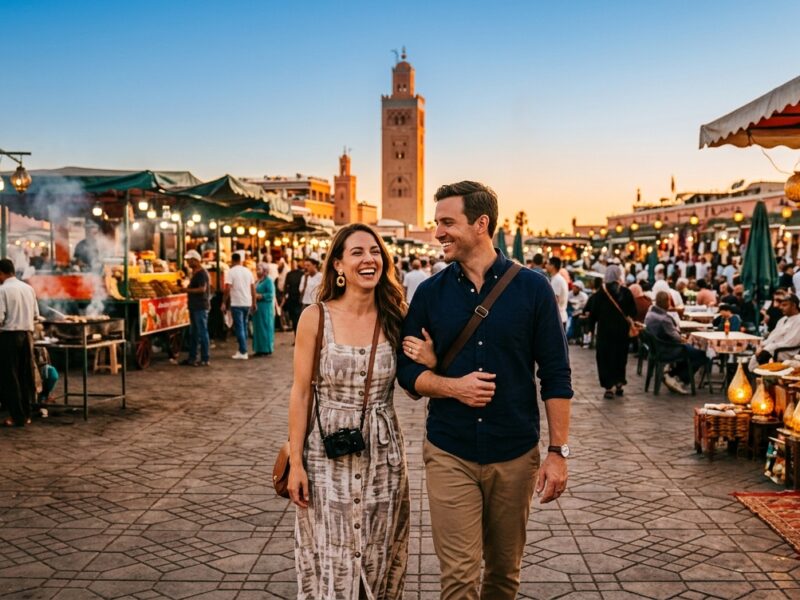
Picture this: one day you’re watching a passionate flamenco dancer in Seville, her heels tapping against wooden floors. The next day, you’re sipping sweet mint tea in a bustling Tangier souk, surrounded by the aroma of exotic spices. Why choose between two continents when you can experience both in one seamless trip? The best way to make this dream a reality is by booking well-curated Spain and Morocco travel packages, which handle all the logistics so you can focus on the magic.
Key takeaways
The Strait of Gibraltar offers 75+ daily ferry crossings, making a two-continent trip surprisingly effortless.
Andalusia and Northern Morocco share a deep Moorish heritage — explore the Alhambra and Fes medina in one journey.
A 14-day itinerary balances Seville, Granada, Tangier, Chefchaouen, and Fes without rushing.
Morocco is generally 40–50% cheaper than Spain for meals, accommodation, and souvenirs.
Book ferries 1–2 months ahead for summer; guided tours handle border paperwork and luggage logistics.
Contents
- Why Combine Two Continents?
- The Essential Route: Spain to Morocco by Ferry
- Exploring the Portugal Spain Morocco Tour
- The Cultural Epicenter: Andalusia Morocco Combined Tour
- Spotlight on the Seville Tangier Package
- Crafting Your Morocco Spain 2 Week Itinerary
- Practical Tips for Your Two Country Europe Africa Trip
- Choosing the Right Spain and Morocco Travel Packages
- Book this experience
- Questions
Why Combine Two Continents? The Unforgettable Appeal of a Two Country Europe Africa Trip
Imagine stepping from Europe’s Iberian Peninsula into North Africa’s Maghreb region in just a few hours. This journey offers incredible contrasts at every turn. You’ll find Islamic architecture like the Alhambra in Granada and the Mezquita in Córdoba, then marvel at Iberian modernism in Barcelona’s Eixample district or the Guggenheim Bilbao. Each day brings new discoveries.
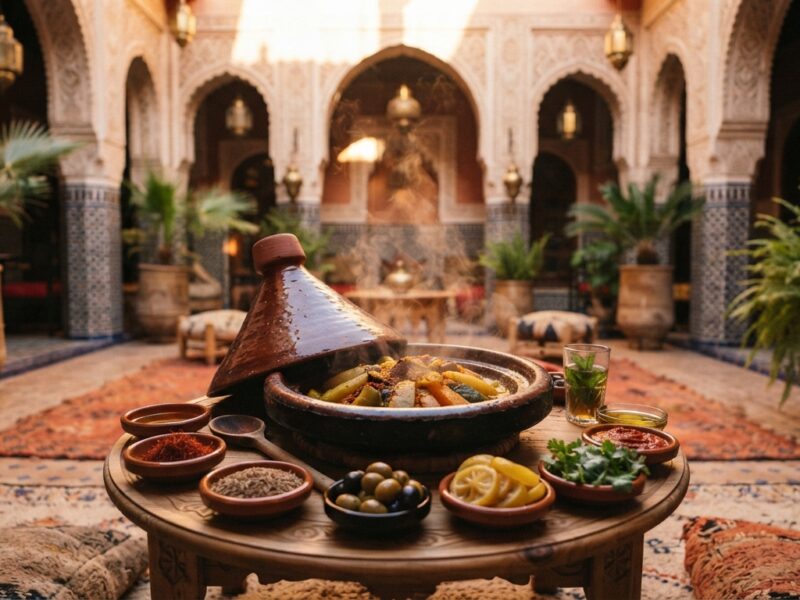
This is truly a two country europe africa trip — a bucket-list experience that few travelers pursue. The cultural layering enriches every moment. You’ll taste Spanish tapas one evening and Moroccan tagine the next. You’ll wander through European plazas and lose yourself in North African medinas. The combination creates memories that last a lifetime.

A World of Contrasts in One Vacation
Imagine stepping from Europe’s Iberian Peninsula into North Africa’s Maghreb region in just a few hours. This journey offers incredible contrasts at every turn. You’ll find Islamic architecture like the Alhambra in Granada and the Mezquita in Córdoba, then marvel at Iberian modernism in Barcelona’s Eixample district or the Guggenheim Bilbao. Each day brings new discoveries.
This is truly a two country europe africa trip — a bucket-list experience that few travelers pursue. The cultural layering enriches every moment. You’ll taste Spanish tapas one evening and Moroccan tagine the next. You’ll wander through European plazas and lose yourself in North African medinas. The combination creates memories that last a lifetime.
Insider insight: The shared Moorish heritage means you’re not visiting two disconnected cultures — you’re tracing a single civilization across a water border. The architectural vocabulary in Granada’s Alhambra and Fes’s Bou Inania Madrasa speaks the same language.
Effortless Logistics — The Strait of Gibraltar Advantage
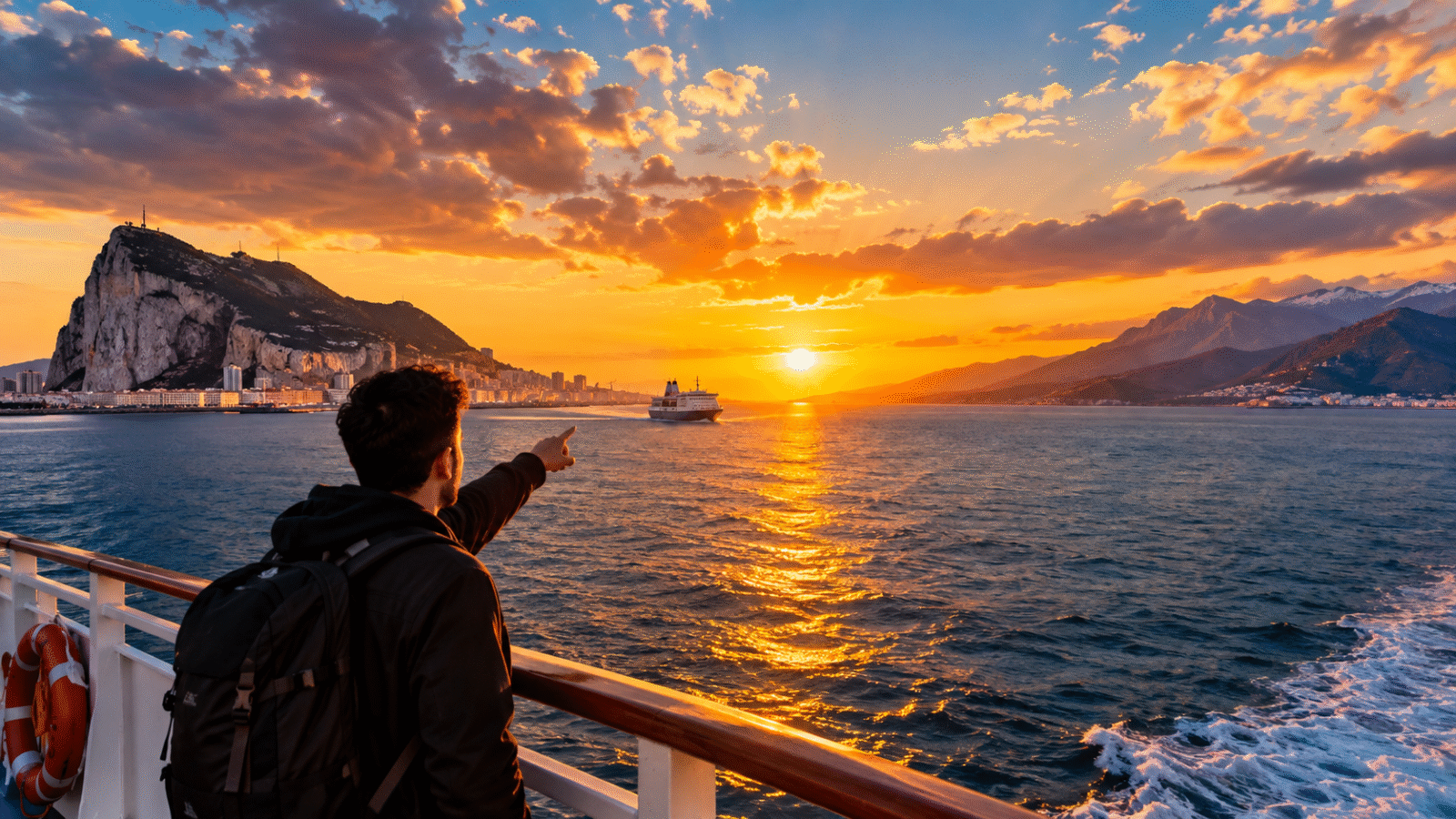
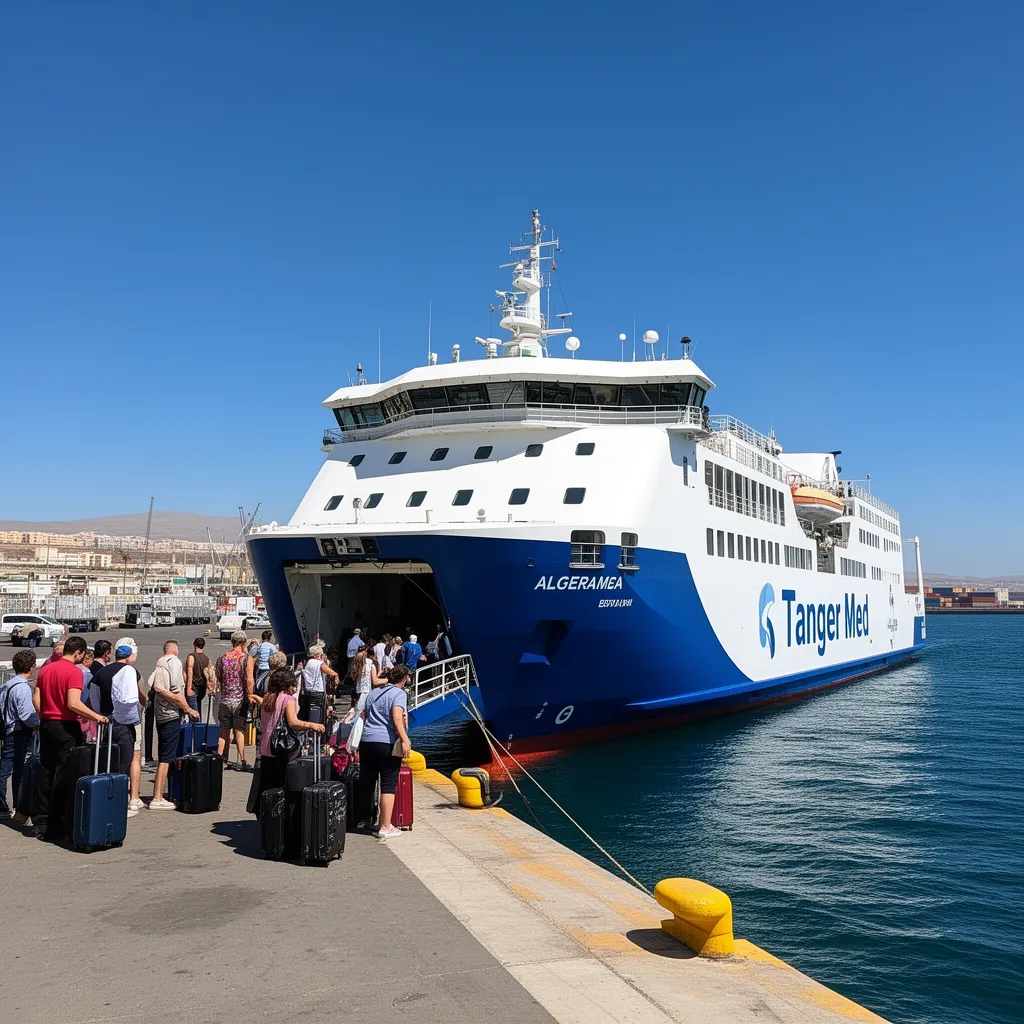
The Strait of Gibraltar makes this adventure surprisingly easy. It’s the world’s shortest intercontinental crossing, connecting Spain and Morocco in under two hours. According to ferry operators, there are over 75 daily crossings on nine different routes. The Algeciras–Tanger Med route alone runs 34 times per week.
This incredible frequency means you can cross whenever it suits your schedule. No complicated planning required. Most tour packages handle the ferry booking for you, removing the stress of coordinating separate tickets. For deeper Morocco-only itineraries, see our Morocco travel tour packages compared guide.
The Essential Route: Spain to Morocco by Ferry Package — What You Need to Know
Key Ferry Ports and Crossing Times
Several Spanish ports offer ferry services to Morocco. The main departure points include Algeciras, Tarifa, Motril, Almería, and Barcelona. Each connects to different Moroccan ports.
Here are the most popular routes:
- Tarifa to Tangier Ville: 35 minutes — This is the fastest crossing, operated by FRS and AML.
- Algeciras to Tanger Med: 1.5 hours — The most popular route, run by DFDS, Balearia, and Naviera Armas.
- Algeciras to Tangier Ville: 1 hour — A good middle option.
The gibraltar morocco crossing is also worth considering if you want to visit the famous Rock of Gibraltar before heading to Africa. This adds another iconic experience to your journey.
Explore a Gibraltar & Tangier day trip:
Powered by GetYourGuide
Ferry Operators, Frequencies, and Prices
Major operators include FRS, AML, DFDS, Balearia, Naviera Armas, and Grandi Navi Veloci. Combined, they offer 675 weekly sailings across all routes. That’s plenty of flexibility for your trip.
Prices are reasonable. Tickets for a one-way adult crossing start at around €40 in low season. Prices vary by season and time of day, but booking early helps secure the best deals.
Many spain to morocco by ferry package deals include the ferry ticket in the overall tour price. This removes the hassle of booking separately and ensures you don’t miss your crossing.
Border Crossing and Passport Tips
A valid passport is essential. We recommend at least six months validity from your travel date. EU citizens can enter Morocco visa-free for up to 90 days. Non-EU travelers should check visa requirements before booking.
Ferry luggage limits are standard — typically one suitcase plus hand luggage. Check with your operator for specific policies, as some have weight restrictions (often 20 kg per person). Pack light for easier transfers between train, ferry, and riad.
Exploring the Portugal Spain Morocco Tour — Adding a Third Country
The Classic Iberian-Maghreb Triangle
Want to expand your adventure? Consider the classic 14- to 21-day loop that includes Portugal. This popular portugal spain morocco tour typically covers Lisbon, Seville, Córdoba, Granada, and then Tangier, Chefchaouen, and Fes in Morocco.
For example, Costsaver offers a 14-day Highlights of Spain, Morocco and Portugal tour covering 11 cities. Another option is TripADeal’s 21-day Spain, Portugal & Morocco package. Anatolia Travels provides a 15-day escorted group tour starting at US$3,690 per person.
This triangle route gives you three countries in one unforgettable journey. You’ll experience Portugal’s coastal charm, Spain’s passionate culture, and Morocco’s exotic atmosphere.
How to Extend — Adding the Algarve or the Sahara Desert
For beach lovers, consider adding Portugal’s Algarve coast. Its stunning cliffs and golden sands provide a perfect break between cities.
Adventure seekers might prefer a desert excursion from Marrakech to Merzouga. Camel trekking and staying in desert camps under starry skies creates memories that last forever. Our Morocco beach and desert tours guide details the best coastal-Sahara combos.
Planning note: Three-week tours allow for deeper immersion. You can explore at a relaxed pace and truly absorb each destination’s unique character without the rush of a packed itinerary.
The Cultural Epicenter: Andalusia Morocco Combined Tour
The Moorish Legacy — A Shared History
Andalusia and Morocco share a fascinating history. They were connected under the Umayyad Caliphate, leaving behind stunning architecture that tells this story. Cities like Córdoba with its Mezquita, Granada with the Alhambra, and Seville with the Real Alcázar showcase Islamic architecture that mirrors the medinas of Fes and Marrakech.
This connection makes an andalusia morocco combined tour so special. You’re not just visiting two separate countries — you’re exploring a shared cultural heritage that spans continents.
Why This Route Is So Popular
This route is the most efficient for first-time visitors. You can explore the Alhambra in Granada, take a two-hour ferry to Tangier, and within a day you’re in a completely different world.
Zicasso lists multiple customized Spain-Morocco tours focusing on the Andalusia–Tangier corridor. Intrepid Travel offers a Premium Spain & Morocco tour that emphasizes cultural connections. These packages make the most of this unique geography.
Book an Alhambra guided tour:
Powered by GetYourGuide
Spotlight on the Seville Tangier Package
What to Do in Seville
Seville deserves at least two nights to absorb its magic. Must-see attractions include:
- Real Alcázar: This stunning palace complex showcases Moorish architecture at its finest.
- Plaza de España: A magnificent square with colorful tile work and a canal where you can rent a rowboat.
- Santa Cruz quarter: Wander through narrow winding streets filled with orange trees and flower-filled courtyards.
- Flamenco show: Experience the passionate dance and music that defines Andalusian culture.
Reserve a Seville flamenco show:
Powered by GetYourGuide
What to Do in Tangier
Tangier offers a different but equally captivating experience. Top activities include:
- Explore the Kasbah and medina with a local guide
- Visit the Caves of Hercules
- Take a camel ride on the beach
- Enjoy mint tea at a café overlooking the Strait of Gibraltar
Book a Tangier camel ride on the beach:
Powered by GetYourGuide
A seville tangier package often includes a guided tour of Tangier’s highlights, ensuring you don’t miss anything important. For more on Tangier’s coastal side, see our Tangier Morocco beach guide.
Day Trip vs. Overnight Stay — Which Is Best?
A day trip from Seville to Tangier is possible. You can take the ferry from Tarifa (35 minutes) and explore for several hours. However, an overnight stay offers much more.
Spending the night allows you to watch sunset from the Kasbah. You can enjoy a relaxed morning wandering through the souk without rushing. Sun-Trails recommends an overnight if you want to experience Tangier’s evening atmosphere. Many tour packages, like Inspiring Vacations’ 9-day tour, include one night in Tangier.
Crafting Your Morocco Spain 2 Week Itinerary
Sample Week One — Andalusia (Spain)
Here’s a suggested first week:
Real Alcázar, Plaza de España & Flamenco
Spend three days absorbing Seville’s magic. Day 1: Real Alcázar (book the 9 AM slot to beat crowds) and wander the Santa Cruz quarter. Day 2: Plaza de España at sunrise, then Metropol Parasol for panoramic views. Evening: authentic flamenco at Casa de la Memoria or Tablao El Arenal. Day 3: Day trip to Italica Roman ruins or Carmona white village.
Where to stay: Santa Cruz or El Arenal districts for walking access to everything. Budget €80–150/night for a boutique hotel.
Alhambra, Generalife & Albayzín
Take the 2.5-hour train from Seville. Day 4: Alhambra & Generalife — book the “Dobla de Oro” ticket 3 months ahead for Nasrid Palaces access. Allow 4–5 hours. Sunset at Mirador de San Nicolás for the classic Alhambra-with-Sierra-Nevada backdrop. Day 5: Explore the Albayzín quarter (UNESCO), Sacromonte cave district, and Royal Chapel where Ferdinand and Isabella rest.
Pro tip: Stay in Albayzín for rooftop terraces with Alhambra views.
Puente Nuevo or Mezquita
Option A — Ronda (recommended): 2-hour bus from Granada. Dramatic clifftop town with the iconic Puente Nuevo bridge spanning the 120m El Tajo gorge. Visit Plaza de Toros (oldest bullring in Spain) and Baños Árabes (best-preserved Arab baths in Iberia).
Option B — Córdoba: 2-hour train. The Mezquita-Catedral is unmissable — a forest of 856 columns. Explore the Judería (Jewish quarter), Alcázar de los Reyes Cristianos gardens, and Roman Bridge at dusk.
Sample Week Two — Northern Morocco
Continue your adventure across the Strait:
35-minute ferry, explore the Kasbah
Early ferry from Tarifa (book 9 AM crossing). Arrive Tangier Ville port by 9:35 AM. Walk to the Kasbah — visit the Kasbah Museum (Dar el-Makhzen) and Place du Méchouar. Lunch at Le Saveur du Poisson (fish tagine, no menu — just daily catch). Afternoon: Caves of Hercules and Cap Spartel where Atlantic meets Mediterranean. Sunset mint tea at Café Hafa (cliffside terrace since 1921).
Border tip: Have passport ready; Moroccan entry stamp takes 2–5 minutes per person at Tangier Ville.
Blue City immersion & Rif Mountains hiking
2.5-hour CTM bus or grand taxi from Tangier. Day 9: Get lost in the blue medina — every alley a photo op. Visit Plaza Uta el-Hammam, Kasbah Museum, and Spanish Mosque at sunset (30-min hike). Day 10: Akchour Waterfalls (1.5-hour hike each way, turquoise pools) or Talassemtane National Park for longer treks. Evening: rooftop dinner at Casa Hassan or Bab Ssour.
Join a Chefchaouen walking tour:
Powered by GetYourGuide
Medina, Tanneries & Bou Inania Madrasa
4-hour CTM bus from Chefchaouen (via Ouazzane). Day 11: Fes el-Bali (UNESCO, world’s largest car-free urban area) — hire a guide for the Chouara Tanneries, Al-Attarine Madrasa, and Nejjarine Museum. Day 12: Bou Inania Madrasa (marinid architecture masterpiece), Dar Batha Museum, and Royal Palace gates (golden brass doors). Day 13: Day trip to Volubilis Roman ruins (UNESCO) and Moulay Idriss holy town.
Book a Fes medina guided tour:
Powered by GetYourGuide
Ferry to Spain or flight from Fes/Casablanca
Option A — Ferry return: 7-hour train to Tangier, ferry to Tarifa/Algeciras, connect to Seville/Madrid.
Option B — Fly home: Fes–Saïs Airport (FEZ) has flights to Madrid, Barcelona, Paris, Lisbon. Casablanca (CMN) has wider connections — 3.5-hour train from Fes.
Time-saving tip: Open-jaw flights (into Seville, out of Fes/Casablanca) avoid backtracking and often cost similar to round-trip.
The Fast-Packed 10-Day Alternative
Short on time? Ten-day versions exist. TourRadar offers 10-day Morocco and Spain tours that cut Chefchaouen and spend less time in each city. Kimkim offers five unique 10-day itinerary ideas for Spain and Morocco.
These shorter options still deliver the two-continent experience but at a faster pace. For Morocco-focused 10-day plans, see our ultimate Morocco itinerary: 10-day travel guide.
Practical Tips for Your Two Country Europe Africa Trip
Packing for the Weather Shift
Spain’s Andalusia can be very hot, often reaching 30°C or more in summer. Northern Morocco can be cooler, especially in the mountains around Chefchaouen. Layered clothing is essential.
Don’t forget:
- A scarf for mosque visits
- A light jacket for ferry crossings
- Comfortable walking shoes for cobblestone streets
- Sun protection for outdoor exploring
Budget Considerations — Spain vs. Morocco
Morocco is generally cheaper than Spain. Meals, accommodation, and souvenirs cost less across the Strait. A budget traveler might spend €30–50 per day in Morocco compared to €60–100 per day in Spain.
Holidify offers a Spain & Morocco tour package starting at $1,164 per person, highlighting how cost-effective a combined trip can be.
Use a no-foreign-transaction-fee card (like Revolut or Wise) for ATM withdrawals in Morocco. Carry some euros for the ferry and small expenses in Spain. Exchange rate at Tangier port is poor — better in city center.
Safety and Cultural Etiquette
Both countries are safe for tourists. However, pickpocketing can occur in crowded areas, so keep valuables secure. In Morocco, dress modestly by covering shoulders and knees. If traveling during Ramadan, respect local customs by not eating or drinking in public during daylight hours.
Tour packages often include a local guide, which helps with navigation and cultural understanding. This added support makes your two country europe africa trip smoother and more enjoyable. For comprehensive safety advice, read our 25 essential Morocco travel tips.
Choosing the Right Spain and Morocco Travel Packages
Guided vs. Self-Guided Tours
Guided tours include hotels, transport, ferries, and guides. Options from Anatolia Travels, Costsaver, and Intrepid handle everything for you. These are ideal for first-time visitors who want a stress-free experience.
Self-guided packages offer more flexibility. Tripmasters allows you to combine Spain and Morocco hotel and flight components independently. Bookmundi lists 10 best Morocco and Spain tours with over 650 reviews, giving you plenty of options to compare.
Consider your travel style and comfort level when choosing between these options.
Best Time to Book Ferries and Tours
Ferries run year-round according to Ferryhopper’s 2026 guide. High season from June to September sees higher prices and more frequent sailings. Book at least one to two months in advance for summer travel.
Early booking discounts are available through operators like DFDS and AML. Planning ahead saves money and ensures availability.
Common Pitfalls to Avoid
Keep these points in mind:
- Visa issues: Check if your nationality requires a visa for Morocco. A Schengen visa does not cover Morocco.
- Luggage: Some ferries have weight limits, typically 20 kg per person. Check operator policies.
- Time zones: Morocco is one hour behind Spain, except during Ramadan when Morocco reverts to GMT.
Pro tip: Download offline maps (Maps.me or Google Maps offline) for both countries before departure. Mobile data can be spotty in the Rif Mountains and on ferries. Consider an Airalo eSIM for instant connectivity on arrival.
Reserve your spot
Book This Experience
Choose from the best options across Morocco — from Marrakech medinas to Fès riads. Instant confirmation, free cancellation on most tours.
Instant confirmation
Free cancellation on most tours
Some links on this page earn ComeMorocco a commission at no extra cost to you. It never changes what we recommend. How this works.
Questions
01Do I need a visa for Morocco if I have a Schengen visa?
No. A Schengen visa does not grant entry to Morocco. EU, UK, US, Canadian, and Australian passport holders enter visa-free for up to 90 days. Other nationalities should check with the Moroccan embassy — some require a separate Moroccan visa even with a valid Schengen visa.
02What’s the fastest ferry from Spain to Morocco?
The Tarifa to Tangier Ville route takes just 35 minutes, operated by FRS and AML. It’s the shortest crossing but runs less frequently than Algeciras–Tanger Med. Book early for summer weekends — this route sells out fast.
03Can I do a day trip from Seville to Tangier?
Yes — take the 35-minute Tarifa–Tangier Ville ferry (1 hour from Seville to Tarifa by bus). You’ll have 6–8 hours in Tangier. But you’ll miss the Kasbah sunset, evening souk atmosphere, and the slower rhythm that makes Tangier special. An overnight stay is far more rewarding.
04How much does a 2-week Spain-Morocco trip cost?
Budget €1,800–2,500 per person for mid-range: hotels (€80–120/night in Spain, €40–80 in Morocco), meals, ferries (€40–60 each way), trains/buses, guides, and attractions. Guided group tours run €2,500–4,000 including most logistics. Luxury packages exceed €5,000.
05What’s the best month for a Spain-Morocco trip?
April–May and September–October offer pleasant temperatures in both countries (20–25°C), fewer crowds, and lower prices than July–August. June is good but book ferries early. November–March is quiet and cheap but expect rain in the north and chilly nights in Chefchaouen.
06Should I book a guided tour or go independent?
First-timers benefit enormously from guided tours — they handle ferries, border formalities, language barriers, and medina navigation. Independent travel suits experienced travelers who want flexibility and don’t mind logistical legwork. Hybrid: book a guided Morocco section, do Spain independently.
07Is the Morocco side safe for solo female travelers?
Yes — Morocco is generally safe for solo women, especially on guided tours or in tourist hubs. Dress modestly (covered shoulders/knees), avoid walking alone in medinas after dark, and use official taxis or ride apps. Our solo female travel safety guide has detailed tips.
Your Morocco trip
Two Continents, One Unforgettable Trip
From Seville’s orange-scented plazas to Chefchaouen’s blue alleys, from the Alhambra’s geometric poetry to Fes’s living medina — this journey rewires how you see the world. The Strait of Gibraltar isn’t a barrier; it’s a portal.