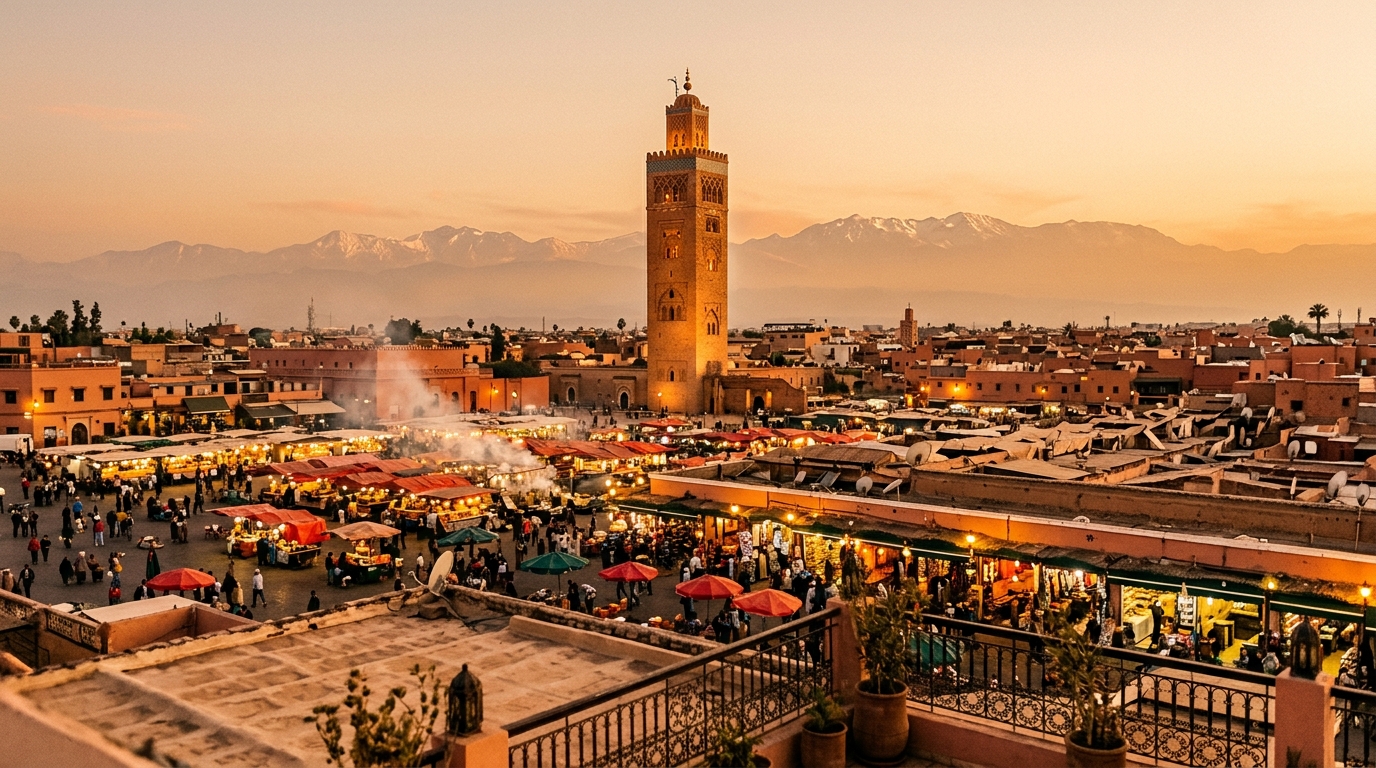
Snake charmers and orange-juice carts by day, a thousand food stalls lighting up by night — Jemaa el-Fnaa is usually the first place a first-timer realizes Morocco is bigger than they imagined.
If you’re wondering where to go in Morocco for first timers, you’re in the right place. This North African gem calls to travellers with its bustling medinas, colourful souks, desert silence, fresh mint tea, snow-capped mountains, and Atlantic beaches. It’s a very common question: where should I go for the first time in Morocco? With so many stunning destinations, planning your first trip can feel overwhelming.
Key takeaways
Marrakech is the ideal gateway city for first-timers with international flights, abundant riads, and easy day trips to the Atlas Mountains.
Fes offers the deepest cultural immersion with the world’s largest car-free medina and ancient tanneries — hire a guide to avoid getting lost.
Chefchaouen’s blue-washed streets provide the perfect relaxed counterpoint to busy imperial cities — compact, photogenic, and beginner-friendly.
A 7-day classic route covers Marrakech, Fes, and Chefchaouen; extend to 10 days for a Sahara camel trek; 14 days adds the Atlantic coast.
Most visitors enter visa-free for 90 days; bring cash for dirhams, dress modestly, and book Sahara tours and Fes guides in advance.
Contents
Why Morocco Is a Perfect Destination for Beginners
Morocco for beginners is more manageable than many travellers expect. The country has a well-developed tourism infrastructure but still feels exotic and adventurous. You get the best of both worlds: ancient traditions alongside modern comforts.
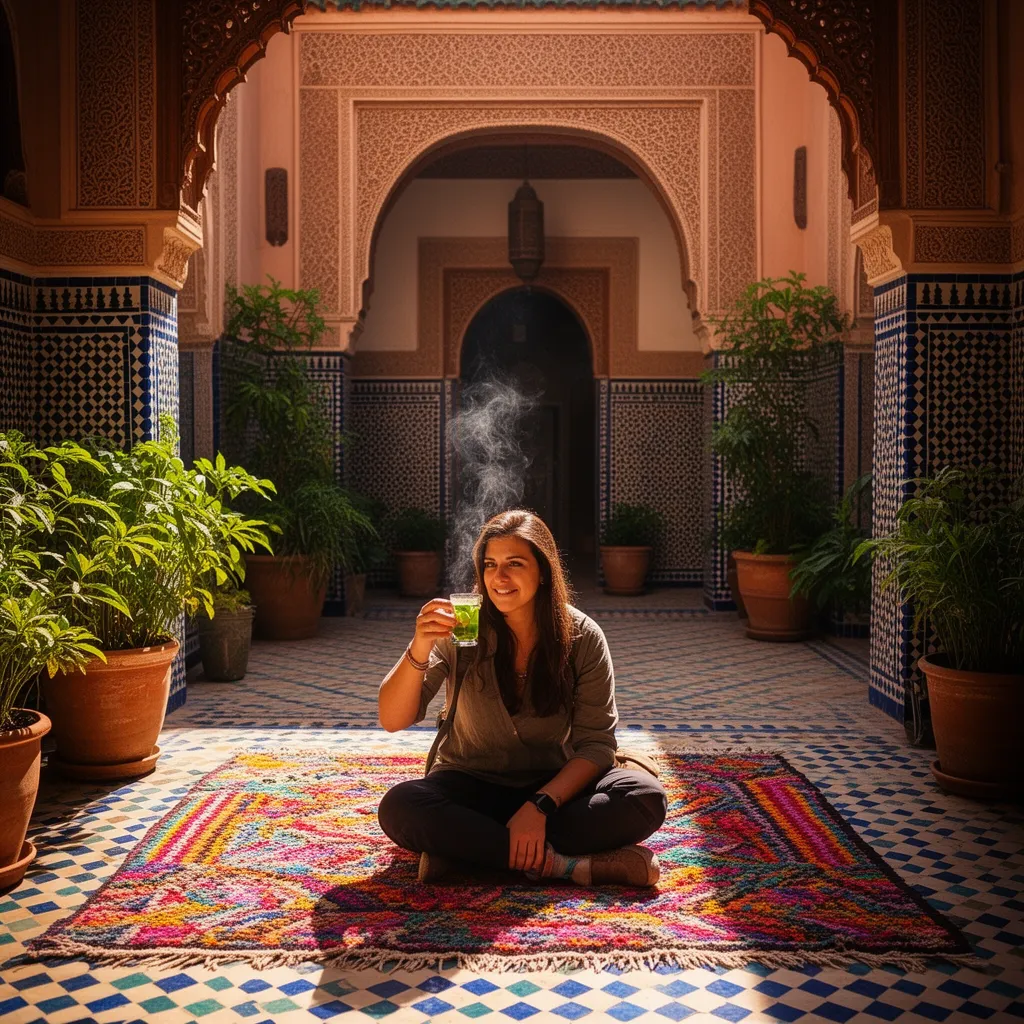
A blend of ancient traditions and modern comforts
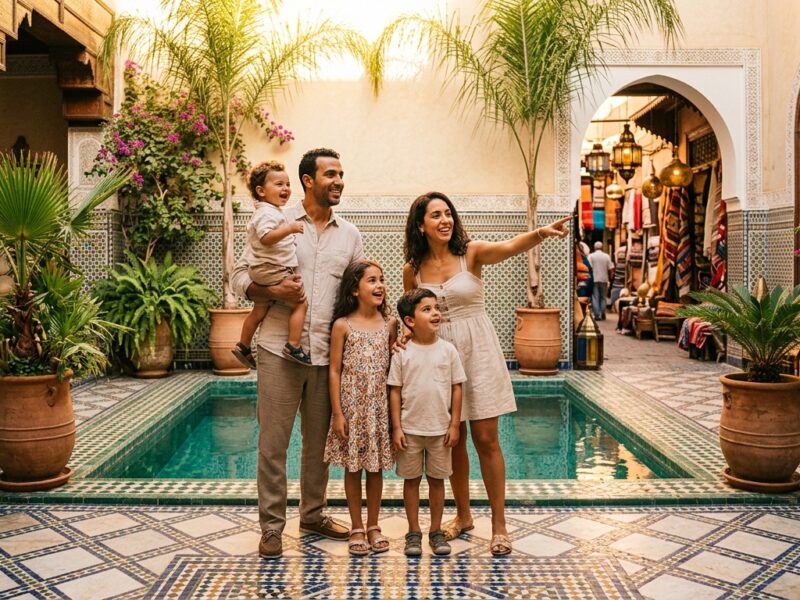
Morocco offers a fascinating contrast. You can wander through centuries-old medinas, stay in traditional riads, and haggle in lively souks. Yet you’ll also find modern trains, international airports, and comfortable hotels. A riad is a traditional Moroccan house or palace built around an interior courtyard — it’s often a peaceful oasis away from busy streets. First-timers can easily combine independent travel with organised tours, day trips, and private drivers. There’s no right or wrong way to explore. As of the latest official guidance, Morocco has no COVID-19 entry restrictions or requirements, so you can travel without pandemic-related hassles.
Book your first night’s accommodation before arrival — having a confirmed address speeds up immigration and gives you a stress-free landing.
Easy entry for international travellers
Getting into Morocco is surprisingly simple for most visitors. Citizens of more than 60 countries — including the US, UK, EU member states, Canada, and Australia — can enter Morocco visa-free for tourism for up to 90 days. Your passport must be valid for at least six months beyond your entry date. You’ll fill out an entry form on the plane or at immigration, so have your accommodation address ready.
For detailed country-by-country requirements, see our complete visa guide for Morocco 2026.
Here are some practical details for beginners:
- Currency: The Moroccan Dirham (MAD) comes in bills of 20, 50, 100, and 200, plus coins.
- Important: The dirham is not convertible abroad, so you’ll need to exchange money once you arrive in Morocco and spend or exchange any leftover before leaving.
- Languages: Arabic and Tamazight are the official languages. French is widely spoken, and some English is common in tourist areas.
- Daily budget: Roughly 400 MAD ($40) per day for budget travellers and 1,500+ MAD for mid-range travellers.
Morocco for beginners starts with easy entry requirements and a welcoming atmosphere. You’ll feel comfortable from the moment you land.
Marrakech: The Gateway City
For most first-timers, the best part of Morocco to visit is Marrakech. This vibrant city serves as the perfect gateway to the country. It has an international airport with direct flights from many destinations, a huge choice of riads, hotels, and restaurants, and is easy to explore on foot. You can also use Marrakech as a base for exciting day trips.
Jemaa el-Fnaa and the medina — a sensory overload
The heart of Marrakech is Jemaa el-Fnaa, the famous central square. By day, you’ll find snake charmers, orange juice stalls, and henna artists creating intricate designs on visitors’ hands. By night, the square transforms into a lively open-air market with food stalls, storytellers, musicians, and a buzzing atmosphere.
The medina is a maze-like old walled city filled with souks selling spices, textiles, lamps, leather goods, and much more. Expect to get lost — that’s part of the fun. Hiring a local guide for a few hours can help beginners get oriented and discover hidden corners you might miss on your own. For a deeper dive, read our complete guide to the Marrakech medina.
Visit Jemaa el-Fnaa twice — once in late afternoon for the daytime energy, and again after sunset when the food stalls fire up and the square becomes an open-air restaurant.
Riads, palaces, and gardens
Marrakech is packed with incredible sights. Don’t miss these highlights:
- Bahia Palace: A 19th-century palace with intricate tilework, beautiful courtyards, and lush gardens.
- Saadian Tombs: An important historical site hidden in the medina, recently restored to reveal stunning decorations.
- Majorelle Garden: A botanical garden with striking blue accents, created by French painter Jacques Majorelle.
Staying in a riad is a must for first-timers. These traditional houses offer a peaceful retreat from the busy streets, often with breakfast served on a rooftop terrace overlooking the city. It’s an experience you won’t forget. For help choosing, see our guide to where to stay in Marrakech — 15 coolest riads for every budget.
Explore Marrakech’s medina with a local guide:
Powered by GetYourGuide
Day trips from Marrakech
One of the best things about Marrakech is its location. You can easily take day trips to:
- Atlas Mountains: Just an hour’s drive away, offering stunning views and Berber village visits — see our Atlas Mountains hiking activities for guided options.
- Ourika Valley: A beautiful valley with waterfalls, hiking trails, and mountain landscapes.
These trips give you a taste of rural Morocco without travelling far. For a comprehensive guide to these excursions, see our article on unforgettable day trips to the Atlas Mountains from Marrakech.
Book your Atlas Mountains day trip:
Powered by GetYourGuide
If you’re still asking where should I go for the first time in Morocco, make Marrakech your first stop — it’s the easiest and most rewarding introduction to this incredible country.
Fes: The Cultural Heart
If you want to go deeper into Moroccan culture, the answer to where should I go for the first time in Morocco is Fes. While Marrakech is energetic and colourful, Fes is ancient, authentic, and intellectually rich. These two cities offer very different experiences, and visiting both gives you a well-rounded first trip.
The ancient medina and tanneries
Fes el-Bali is one of the world’s largest car-free urban zones and a UNESCO World Heritage Site. Its maze of narrow streets, workshops, mosques, and market stalls feels like stepping back in time. The famous Chouara Tanneries are one of Morocco’s most iconic sights. Visitors can look down over stone pits filled with colourful dyes where workers process leather using methods unchanged for centuries. It’s a photographer’s dream.
A practical note: a guide is highly recommended in Fes because the medina is easy to get genuinely lost in. The streets twist and turn without signs, and even experienced travellers find themselves disoriented. A guide ensures you see the highlights without frustration.
Book a guided tour of Fes medina & tanneries:
Powered by GetYourGuide
Religious and academic history
Fes has been a centre of religion, scholarship, and craftsmanship for centuries. The University of al-Qarawiyyin was founded in 859 AD and is often described as one of the oldest existing universities in the world. Walking through Fes, you feel the weight of history in every alley and courtyard. It’s a city that rewards curious travellers who want to understand Morocco beyond the surface.
UNESCO note: The Medina of Fez is a UNESCO World Heritage Site recognized for its outstanding universal value as a remarkably well-preserved medieval Islamic city.
Contrast with Marrakech for a balanced trip
Fes and Marrakech balance each other perfectly:
- Marrakech: Buzzy, tourist-friendly, imperial palaces, and lively nightlife.
- Fes: Traditional, immersive, artisan-focused, and deeply authentic.
Including both on your first trip to Morocco gives you variety and a richer understanding of the country. You’ll appreciate the energy of Marrakech after the quiet intensity of Fes, and vice versa.
Chefchaouen: The Blue Pearl
For many travellers, the nicest part of Morocco is Chefchaouen. This small mountain town is relaxed, visually stunning, and utterly charming. Its old city is famous for blue-washed buildings that create a magical atmosphere around every corner.
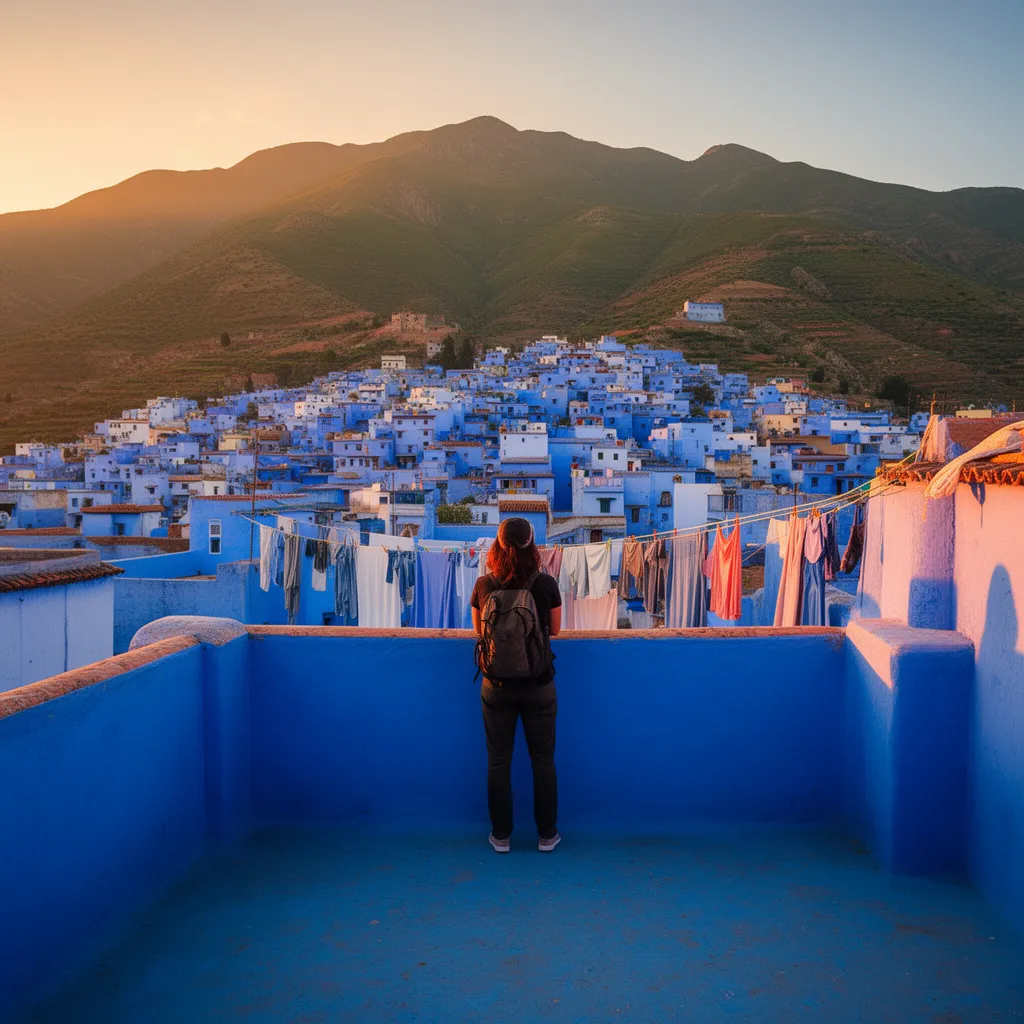
Photography and relaxation
Chefchaouen is a photographer’s paradise. Walk through quiet blue streets, take photos around every corner, and sit in a café to watch the world go by. The town sits in the Rif Mountains, which adds to its peaceful mood. There’s no rush here — just relaxed exploration and beautiful scenery.
Mountain setting and local crafts
The surrounding mountains offer more than just pretty views. Local products include:
- Wool garments and blankets, perfect for cool mountain evenings.
- Leather goods crafted by local artisans.
- Handmade soaps and oils using traditional recipes.
If you enjoy hiking, there are short trails in the surrounding hills that reward you with panoramic views of the blue town against green mountains.
Why it’s a must for first-timers
Beginners love Chefchaouen for several reasons:
- Compact and easy to explore: You can see the highlights in a day.
- Safe and welcoming: The friendly atmosphere puts newcomers at ease.
- Beautiful contrast: After busy cities like Marrakech and Fes, Chefchaouen offers peaceful relaxation.
Discover Chefchaouen with a local guide:
Powered by GetYourGuide
If you’re looking for the nicest part of Morocco to unwind, this is it.
First Time in Morocco Itinerary: The Classic Route
This first time in Morocco itinerary is the classic route used by many travellers on their first visit. It covers the highlights without feeling rushed. The classic route involves flying into Casablanca, then travelling by train or private driver to Rabat, continuing to Fes to explore its ancient medina, heading south through the Middle Atlas mountains toward the Sahara, and spending a night under the stars near Merzouga in the Erg Chebbi dunes with a camel trek at sunset or sunrise. This route can also be reversed or started in Marrakech, depending on where you fly into.
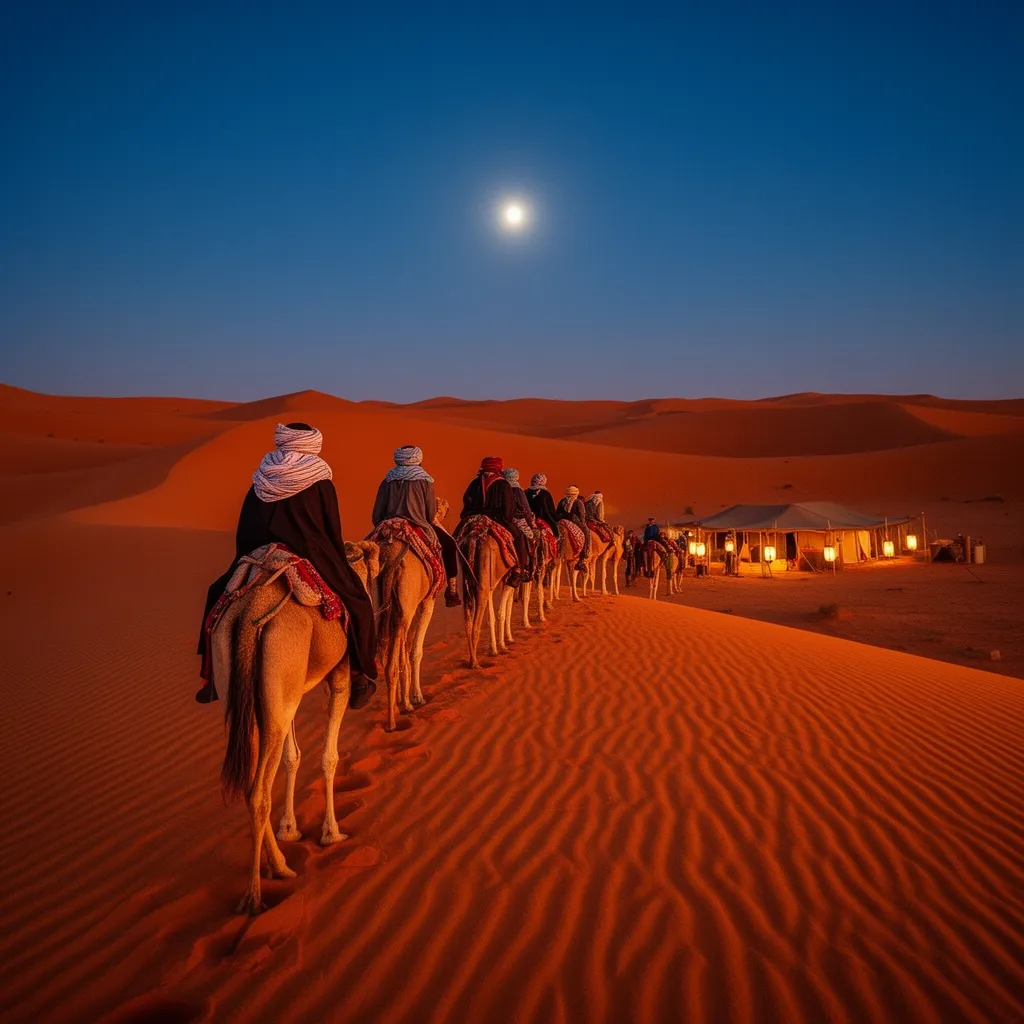
7-day itinerary: Marrakech → Fes → Chefchaouen → Casablanca/Rabat
Here’s a simple day-by-day plan for a week in Morocco:
Jemaa el-Fnaa, medina, Bahia Palace, Majorelle Garden
Arrive in Marrakech. Spend two days exploring the medina, visiting Bahia Palace and Majorelle Garden, and experiencing Jemaa el-Fnaa’s transformation from day to night. Enjoy a traditional Moroccan dinner at a rooftop restaurant.
Local tip: Book a cooking class in a riad to learn tagine and couscous — a delicious way to connect with local culture.
Ourika Valley or Ouzoud Falls
Take a half-day trip to the Atlas Mountains or Ourika Valley, then return to Marrakech for the evening. Visit a Berber village, hike to waterfalls, and enjoy mint tea with a local family.
Evening medina exploration
Take the comfortable 3.5-hour train from Marrakech to Fes. Settle into your riad and explore the medina in the evening when it’s quieter and more atmospheric.
Tanneries, al-Qarawiyyin, artisan workshops
Full-day guided tour of Fes including the Chouara Tanneries, University of al-Qarawiyyin, and artisan quarters. A guide is essential here — book one in advance.
Blue streets, photography, mountain views
Travel to Chefchaouen (4 hours by private driver or grand taxi). Spend the afternoon wandering the blue streets, shopping for wool blankets and leather goods, and capturing golden hour photos.
Hassan II Mosque or Rabat kasbah if time allows
Travel to Casablanca (4 hours) or Rabat (2.5 hours) for departure. If time allows, visit the Hassan II Mosque in Casablanca — one of the world’s largest mosques with an oceanfront setting — or Rabat’s kasbah. Rabat has a balmy Mediterranean climate and is a pleasant, easy final stop.
10-day itinerary: Add the Sahara Desert (Merzouga) and Ouarzazate
If you have more time, extend your trip to include the Sahara:
Follow days 1–5 above
Complete the Marrakech and Fes portions exactly as the 7-day itinerary.
Cedar forests, monkey troops, Ziz Valley
Travel from Fes through the Middle Atlas toward Merzouga. Stop at Ifrane (“Little Switzerland”), cedar forests with Barbary macaques, and the dramatic Ziz Valley with its palm oases. Arrive at Merzouga by late afternoon.
Sunset camel ride, overnight in luxury camp
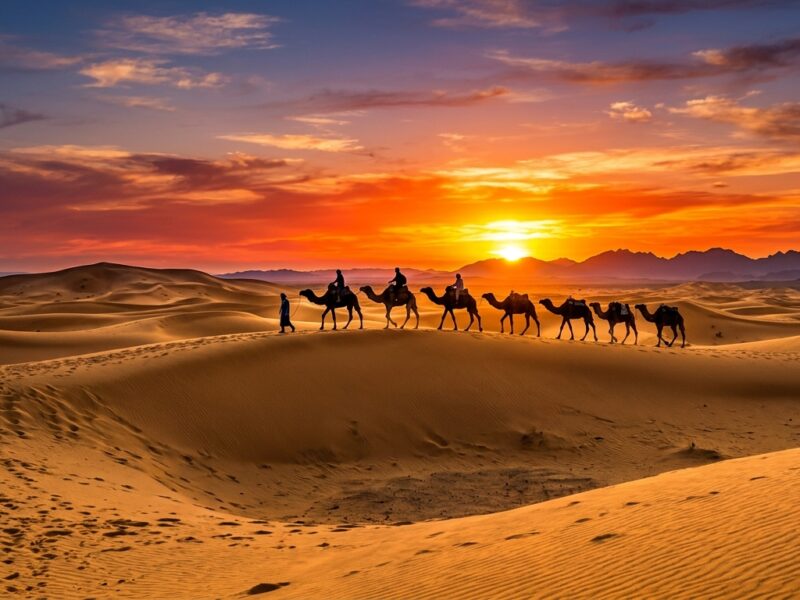
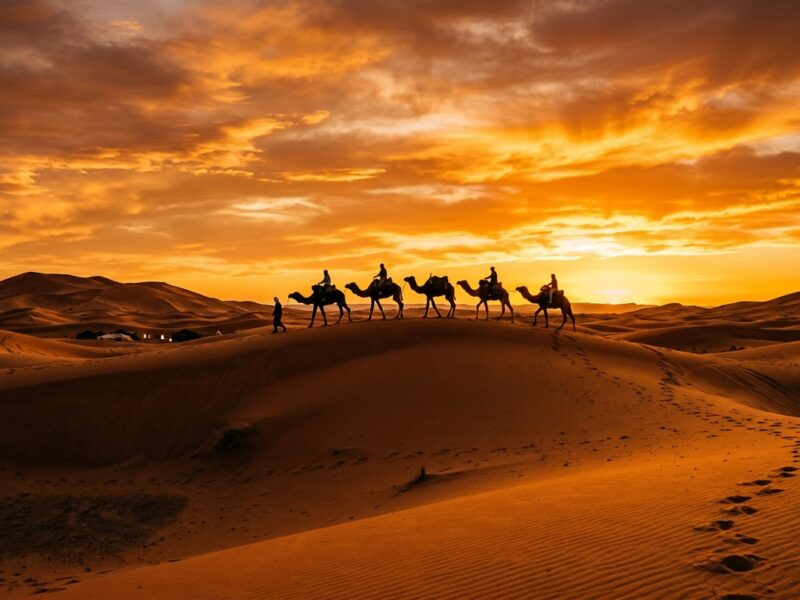
Camel trek in the Erg Chebbi dunes near Merzouga at sunset. Spend the night in a desert camp under a blanket of stars — choose from standard to luxury glamping options with private bathrooms and Berber music around the fire.
Todra Gorge, Dades Valley, Ait Benhaddou
Drive from Merzouga to Ouarzazate, stopping at Todra Gorge (300m limestone cliffs), Dades Valley (Valley of a Thousand Kasbahs), and UNESCO-listed Ait Benhaddou — a fortified village featured in Gladiator and Game of Thrones.
High Atlas crossing via Tizi n’Tichka pass
Cross the High Atlas via the spectacular Tizi n’Tichka pass (2,260m). Arrive in Marrakech by late afternoon for a final evening in Jemaa el-Fnaa.
Last-minute souk shopping, airport transfer
Enjoy a relaxed morning, pick up final souvenirs in the souks, and transfer to Marrakech Menara Airport for departure.
Book your Sahara Desert experience:
Powered by GetYourGuide
For a detailed comparison of desert tour options, see our best Sahara desert tour from Marrakech 2026 guide.
14-day itinerary: Include Essaouira and the Atlantic coast
For a slower, more relaxed trip, add a coastal section:
- After Chefchaouen or Fes, head to Rabat and then along the Atlantic coast.
- Add Essaouira: a relaxed, windswept coastal town with art galleries, fresh seafood, and a charming medina.
- Spend extra time to recover from busy cities.
The benefits of this longer itinerary:
- More time to relax between busy cities.
- A chance to experience Morocco’s beautiful coastline.
- A gentler pace that’s perfect for Morocco for beginners.
For a dedicated coastal plan, see our Ultimate Essaouira day trip from Marrakech guide and 7-day Morocco beach itinerary.
Planning note: Trains connect Marrakech, Casablanca, Rabat, and Fes efficiently. For Sahara and Chefchaouen, private drivers or grand taxis are best. Book Sahara camps 2–3 months ahead for summer/fall dates.
Practical Tips for Morocco for Beginners
These Morocco for beginners tips will make your trip smoother, safer, and more enjoyable.
Navigating the medinas — haggling and getting lost
A medina is a historic old walled city with narrow streets and markets. Getting lost is normal and part of the experience. If you feel overwhelmed, hire a local guide.
Haggling is expected in souks. Prices are often inflated for tourists, so negotiate politely. A good rule of thumb: offer about half of the first price and go from there. It’s a friendly game, not a confrontation. For expert strategies, read our 7 essential bargaining tips for Morocco.
Download offline maps (Maps.me or Google Maps offline) before entering medinas. GPS works even in narrow alleys and helps you find your way back to your riad.
Use marked official taxis for short trips within cities. They are your safest and most reliable option. For airport transfers, pre-book with Welcome Pickups for fixed-price, meet-and-greet service — especially valuable after a long flight.
Dress code, etiquette, and safety
- Dress modestly: Especially outside beach resorts. Loose clothing that covers shoulders and knees is respectful and practical.
- Bring a scarf: Useful for entering mosques, protecting against the sun, or covering up in conservative areas.
- Ask permission: Before photographing people.
- Greet politely: Say “Salaam” or “Hello” to shopkeepers.
- Decline unwanted attention: Firmly but politely.
Safety advisory: The U.S. State Department advises travellers to exercise increased caution in Morocco due to the risk of terrorism. Terrorist groups continue plotting possible attacks, and attacks may occur with little or no warning, sometimes targeting tourist locations, transportation hubs, markets, shopping malls, and local government facilities. However, millions of tourists visit Morocco safely every year. This advisory is a reason to stay aware, not to cancel your plans. Check official government travel advisories before departure and save emergency contact details for your embassy, such as the U.S. Embassy in Rabat and U.S. Consulate General in Casablanca.
For solo female travellers, our complete guide to solo female travel in Morocco covers safety, dress code, and confidence-building tips.
Transportation — trains, grand taxis, and private drivers
- Trains: Morocco’s rail network connects major cities including Casablanca, Rabat, Fes, and Marrakech. Trains are comfortable, easy to book via the ONCF website, and great for beginners.
- Grand taxis: Shared intercity taxis for routes not served by trains. They’re faster and more flexible but less comfortable.
- Private drivers: Useful for Sahara trips or multi-day routes through smaller towns. Worth the cost for first-timers who want door-to-door convenience.
- Official city taxis: Look for marked taxis and ensure the meter is used, or agree on a fare before starting.
For car rental, compare options at Localrent or Qeeq. For comprehensive driving advice, see our car rental Morocco reviews guide.
Best time to visit and what to pack
- Best months: March to May and October to November. The weather is pleasant for sightseeing.
- Avoid inland destinations: July and August are very hot (often 40°C+ in Marrakech and Fes).
- Rabat: A year-round destination with a mild Mediterranean climate.
Pack these essentials:
- Layers for cool mornings and evenings.
- Comfortable walking shoes for medinas (cobblestones and uneven surfaces).
- Sunscreen and sunglasses.
- A scarf or pashmina.
- Modest clothing for religious and traditional areas.
- Cash in Moroccan dirhams for markets and small purchases.
Get an eSIM before you land — Airalo, Yesim, or Saily offer instant data activation. Avoid roaming charges and stay connected for maps, translation, and emergency contacts.
For more comprehensive advice, see our 25 essential Morocco travel tips for first-timers.
Reserve your spot
Book Your Morocco Experience
Choose from the best options across Morocco — from Marrakech medinas to Fès riads, Sahara camps to Atlas hikes. Instant confirmation, free cancellation on most tours.
Instant confirmation
Free cancellation on most tours
Some links on this page earn ComeMorocco a commission at no extra cost to you. It never changes what we recommend. How this works.
Questions
01Is Morocco safe for solo travellers?
Yes, with sensible precautions. Solo travel is common, especially in Marrakech, Fes, Chefchaouen, and Rabat. Avoid walking alone late at night in unfamiliar or poorly lit parts of the medina. Use official taxis and tell your accommodation where you’re going. Remain alert in crowded places, given the current security advisory. For detailed guidance, see our solo female travel safety guide and general solo travel safety tips.
02Do I need a guide in Morocco?
Not everywhere, but yes in certain situations. A guide is strongly recommended in Fes’s medina because it’s a maze. A guide is also helpful for Sahara desert trips, where logistics can be complicated. In Marrakech and Chefchaouen, many travellers prefer to explore independently. For day trips like Atlas Mountains or Essaouira, a guided tour adds context and handles transport. Pre-book guides via GetYourGuide or Viator for peace of mind.
03How much time do I need for a first trip to Morocco?
Minimum: 7 days for the classic highlights (Marrakech, Fes, Chefchaouen). Better: 10 days to include the Sahara Desert around Merzouga with a camel trek and overnight camp. Ideal: 14 days to add the Atlantic coast, Essaouira, and slower travel. Even a short first trip is possible if you base yourself in one city like Marrakech and take day trips.
04What’s the best part of Morocco to visit for a short trip?
The answer is Marrakech. If you only have three or four days, Marrakech gives the best mix of culture, food, shopping, and easy day trips to the Atlas Mountains and Ourika Valley. It’s the best part of Morocco to visit for a quick but rewarding introduction. Stay in a riad, explore the medina, visit Bahia Palace and Majorelle Garden, and take a day trip to the mountains.
05When is the best time to visit Morocco?
Spring (March–May) and autumn (October–November) offer the most pleasant temperatures for sightseeing across the country. Summer (June–August) is extremely hot inland but comfortable on the coast. Winter (December–February) is mild in the south but can be cold and wet in the north and mountains. For beach destinations like Agadir and Essaouira, summer is ideal. Our Morocco beach weather guide breaks it down month by month.
06Do I need travel insurance for Morocco?
Absolutely. Travel insurance covering medical emergencies, trip cancellation, and baggage loss is essential. We recommend EKTA Travel Insurance — available online for ages 3–85, with policy emailed within minutes and 24/7 multilingual support. If you’re planning adventure activities (camel trekking, quad biking, hiking), verify your policy covers them.
07What should I do if my flight is delayed or cancelled?
Under EU Regulation 261/2004 and UK equivalent rules, you may be entitled to up to €600 compensation for delays over 3 hours, cancellations, or denied boarding — even on non-EU carriers departing from EU/UK airports. Compensair and AirHelp handle claims on a no-win, no-fee basis. Keep your boarding pass and any airline communications.
Your Morocco trip
Ready to explore Morocco?
From the red walls of Marrakech to the blue alleys of Chefchaouen, from Fes’s ancient medina to the star-strewn Sahara — your first trip to Morocco will stay with you forever. The hardest part is choosing which adventure to book first.